Which Century Bichon Type Dogs Reached Cuba
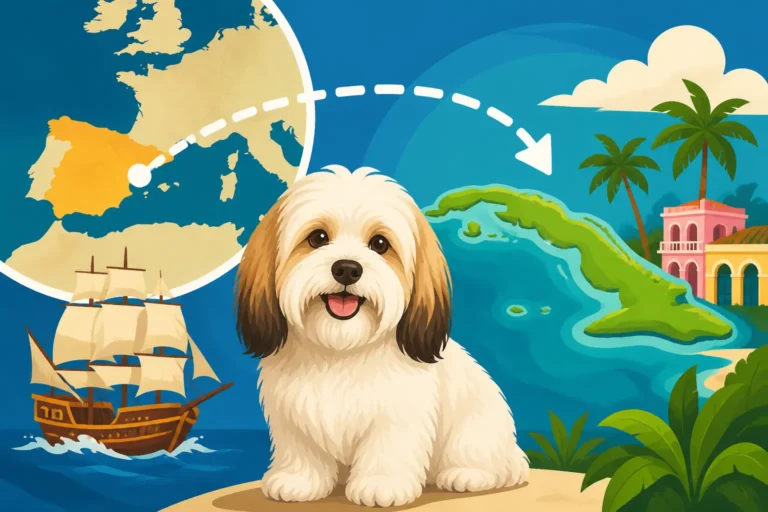
It’s a fascinating question many Havanese owners ponder: how did these charming, fluffy companions, so synonymous with Cuba, come to be? You might imagine them originating directly from the sun-drenched streets of Havana, but their roots stretch much further back, across the ocean, to a time when European ships first sailed to the New World. Understanding which century Bichon type dogs reached Cuba unravels a beautiful story of migration, adaptation, and the eventual creation of the beloved Havanese breed we know today.
The Maritime Routes: How European Companion Dogs Arrived in Cuba
The journey of the Havanese ancestors to Cuba isn't a simple tale; it's interwoven with the history of exploration, trade, and colonialism. These weren't dogs brought for work in the fields or hunting in the jungles, but rather cherished companions for the families making the arduous journey across the Atlantic. Their presence speaks volumes about the human need for connection, even in the most challenging of times and places.
Early European Voyages and Canine Companions
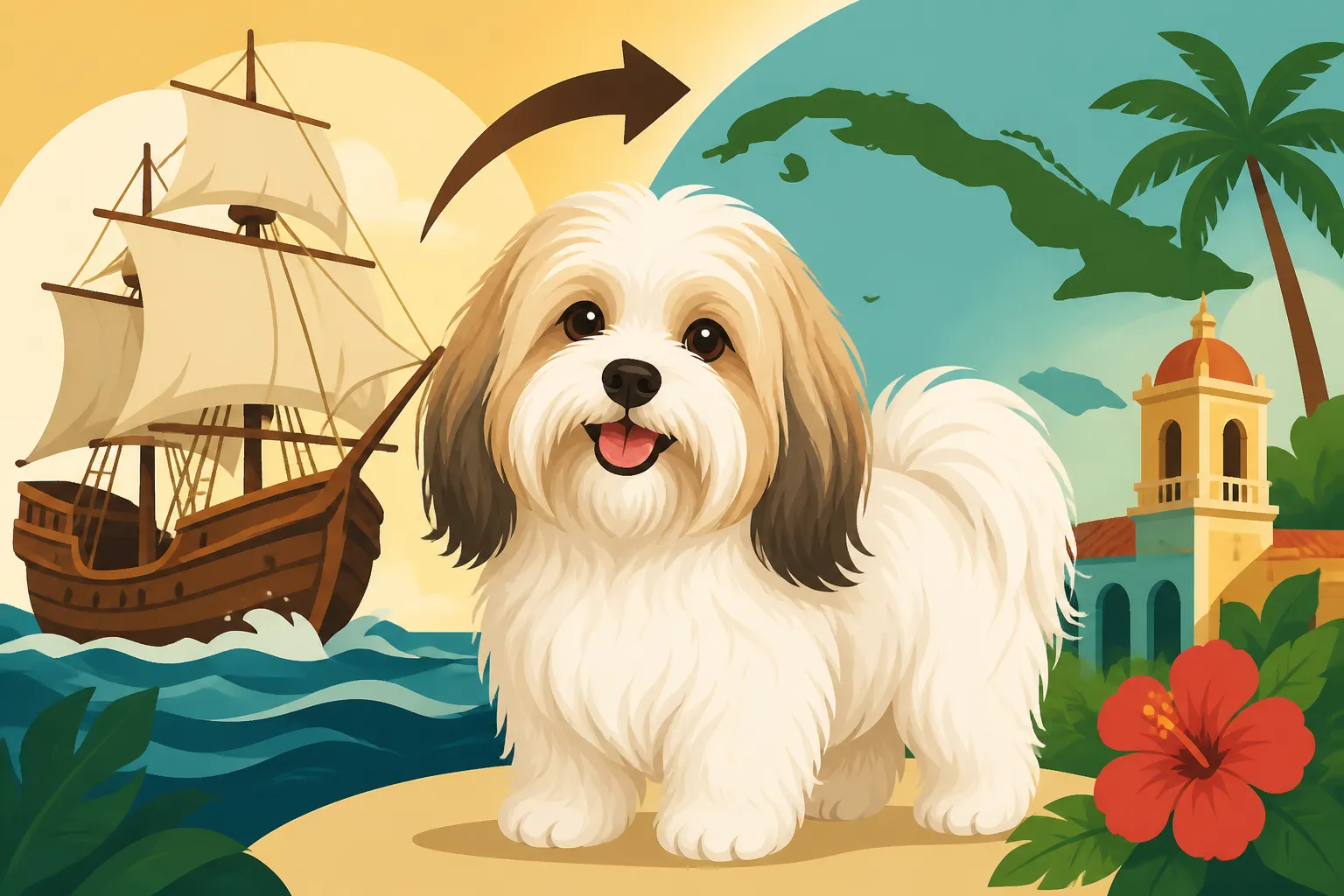
Imagine those early sailing vessels, packed with people, provisions, and livestock, making their way from Europe to the "New World." Among the necessities and aspirations, there were often small, personable dogs. These little canines, ancestors of what we now call Bichon types, were prized for their companionship, their relatively low maintenance on a ship compared to larger breeds, and their ability to catch rats – a valuable skill on any long sea voyage. They were, in essence, living comforts and pest control rolled into one delightful package. The earliest records and historical accounts suggest that these dogs began arriving with Spanish and other European settlers likely starting in the 16th century, coinciding with the initial waves of colonization and the establishment of permanent settlements in the Caribbean.
It's important to remember that dog breeds as we know them today, with formalized standards and pedigrees, were still centuries away from existing. These were simply "small white dogs" or "lap dogs" – a type, rather than a specific breed. They came from various parts of Europe, likely sharing common ancestry with dogs found in the Mediterranean basin. Think of them as the versatile, friendly, compact companions that wealthy families and even common sailors might keep. Their role was primarily that of a family pet, providing affection and a touch of home in a new, often wild, land. This widespread presence across different European cultures meant that similar types of dogs would eventually be brought to many corners of the globe touched by European expansion.
The Role of Spanish Traders and Colonists
Cuba, being a pivotal point in the Spanish colonial empire, served as a bustling hub for trade and settlement. Spanish traders, merchants, and colonists frequently traveled between the Iberian Peninsula and the Caribbean, carrying their belongings and, naturally, their cherished pets. These small, Bichon-type dogs became particularly popular with the Spanish aristocracy and wealthy landowners who settled on the island. They symbolized status and offered comfort in a world far from their European homes. This continuous influx of dogs over several centuries, particularly during the 16th, 17th, and 18th centuries, meant a healthy gene pool of these foundational Bichon types was established on the island.
The Spanish influence on Cuba's culture, language, and even its canine population was profound. These dogs weren't just passengers; they were integrated into daily life. They lived in the grand haciendas and bustling port cities, breeding and adapting to their new tropical environment. While their primary role was companionship, they also developed a certain hardiness. They weren't pampered indoor-only pets in the way some modern Havanese might be; they were part of active households, often accompanying their owners on carriages or strolls, navigating the heat and humidity of the Cuban climate. This constant interaction and adaptation over generations began to shape a unique canine population distinct from their European cousins.
Isolation and the Shaping of a New Type
Once these European Bichon-type dogs arrived in Cuba, a crucial factor came into play: geographical isolation. Unlike the continuous intermingling of dog populations on the European mainland, Cuba was an island. This meant that the dogs brought to the island primarily bred amongst themselves, with limited new introductions from outside sources for extended periods. This natural isolation, combined with the selective breeding preferences of the Cuban elite, began to solidify certain traits. The dogs that thrived in the Cuban climate and appealed to the local population were favored, leading to the gradual emergence of a distinct Cuban variety.
This period of relative isolation, especially from the 17th century onwards, was instrumental in forging the unique identity of the Havanese. While the original dogs arrived from diverse European backgrounds, the island environment and human preferences acted as powerful filters. Traits like a long, soft, protective coat that could cope with humidity, a cheerful and adaptable temperament, and a sturdy yet small build became more pronounced. This isn't to say there were no new dogs coming in at all, but the foundational population developed its own lineage, eventually leading to the dog affectionately known as the "Blanquito de la Habana" or "Havana Silk Dog." This isolation is a key reason The Havanese Is the Only Breed Cuba Ever Produced.
The Ancestors Emerge: From Tenerife Dog to Blanquito de la Habana
As the centuries progressed, the mixed European Bichon-type dogs on Cuba began to coalesce into something uniquely Cuban. This wasn't a sudden transformation but a slow, organic evolution driven by environment and human preference, culminating in the charming "Blanquito de la Habana" – a direct ancestor of our modern Havanese.
The "Tenerife Dog" Connection
When discussing the ancestors of the Havanese, the "Tenerife Dog" often comes up. This refers to a general type of small, white, companion dog that was common in the Canary Islands, particularly Tenerife, which served as a significant stopping point for ships sailing between Europe and the Americas. These dogs were themselves descendants of older Bichon types found throughout the Mediterranean. So, when we talk about Bichon-type dogs arriving in Cuba, many of them would have shared this "Tenerife Dog" lineage. They were known for their sweet dispositions, their bright minds, and their long, often soft, white coats.
It's not that there was a specific, purebred "Tenerife Dog" in the way we think of breeds today, but rather a recognized type that was favored by sailors and travelers for its companionship. Think of them as the quintessential lapdog of the era. Their portability and pleasant nature made them ideal companions on long voyages and adaptable to various new environments. Therefore, it's highly probable that many of the foundational dogs brought to Cuba shared this Canary Island ancestry, contributing significantly to the genetic makeup of the emerging Cuban dog. You might find it interesting to delve deeper into Whether the Havanese Descends From the Tenerife Dog.
Characteristics of the Early Cuban Dogs
The dogs that evolved into the "Blanquito de la Habana" were primarily small, white, and possessed a long, soft, silky coat – hence the "silk dog" moniker. This coat, while seemingly luxurious, was actually quite functional in the Cuban climate, offering protection from both the intense sun and the humidity. They were known for their lively and affectionate personalities, making them perfect companions for the families who cherished them. These dogs were intelligent, easily trained, and had a playful spirit that endeared them to all. They were also quite robust for their size, capable of navigating the daily life of a colonial household.
The "Blanquito" was predominantly white, though other colors and markings likely existed. The preference for white was a common aesthetic among European companion dog breeds of the time. These dogs were not only pets but also symbols of refinement and good taste. Their size made them ideal for indoor living, yet they were not so delicate that they couldn't enjoy outdoor strolls or accompany their owners on social visits. They developed a distinctive springy gait, a charming characteristic that is still seen in the modern Havanese. If you're curious about their appearance, reading What the Blanquito de la Habana Looked Like can paint a vivid picture.
Life with the Cuban Aristocracy
The "Blanquito de la Habana" became particularly fashionable among the Cuban aristocracy and wealthy families. These dogs were status symbols, often seen accompanying ladies in their carriages, gracing the laps of noblemen, and entertaining guests in grand parlors. They were part of the luxurious lifestyle of the colonial elite, enjoying a life of relative comfort and pampering. Their intelligence and eagerness to please meant they were often taught tricks, adding to their appeal as entertainers. This close association with the upper echelons of Cuban society further solidified their place as cherished family members and refined companions.
The affection bestowed upon these dogs meant they were well-cared for, ensuring their lineage continued to thrive. This strong bond between the Blanquito and its human family is a defining characteristic that has carried through to the modern Havanese. They weren't just animals; they were integral parts of the household, receiving attention, food, and shelter. This cultural context of being a beloved companion is crucial to understanding the temperament and role of the Havanese today. It's a breed bred for companionship above all else, a trait perfected over centuries of intimate living with people.
A Breed Apart: The Havanese's Unique Evolution on the Island
From those early Bichon-type dogs brought across the sea, something truly special emerged on the island of Cuba. The conditions were ripe for a unique breed to blossom, distinguishing itself from its European ancestors and laying the groundwork for the modern Havanese.
Natural Selection and Adaptation
While human preference played a significant role in shaping the Blanquito, natural selection and adaptation to the Cuban environment also contributed. Dogs that were better suited to the tropical climate – those with coats that protected them without causing overheating, or those with a natural resilience to local conditions – would have been more likely to thrive and reproduce. Their bright, adaptable nature also made them well-suited to life alongside humans, navigating busy households and the social scene of the era. This subtle interplay of human intervention and environmental factors created a dog that was perfectly at home in Cuba.
The temperament of the Havanese today, known for being lively, intelligent, and sturdy despite its toy breed size, can be traced back to these early days. They needed to be resilient enough to live in a sometimes challenging environment, yet charming enough to remain cherished companions. This meant a balance of physical hardiness and an engaging personality. The breed's unique springy gait, often described as a "roll" or "bounce," likely developed from navigating various terrains, from cobblestone streets to garden paths, under the Cuban sun.
Distinguishing Features from European Cousins
By the 18th and 19th centuries, the Cuban Bichon had clearly diverged from its European cousins like the Maltese and Bichon Frise. While sharing a common ancestry, the isolation and specific breeding choices in Cuba resulted in distinct characteristics. The Havanese developed a slightly longer, often wavy to curly, double coat that was renowned for its softness and lightness, giving it that "silk dog" feel. Its overall build tended to be a bit sturdier than some of its more delicate European relatives, and its expressive, almond-shaped eyes became a hallmark. The range of colors also expanded beyond just white, with various shades of sable, black, brown, and parti-colors becoming more common. This rich palette of colors is one of the features that sets the Havanese apart from its primarily white Bichon relatives.
The temperament also took on a uniquely Cuban flair – a joyful, outgoing, and sometimes mischievous spirit combined with an unwavering devotion to its family. They were known for their playful antics and their innate ability to connect deeply with people. This evolution created a dog that was instantly recognizable as the "Havana Silk Dog," a truly Cuban treasure. For a fascinating comparison, you might want to look at The Havanese Against the Bichon and the Maltese to see the subtle yet significant differences that developed over time.
The Path to the Modern Havanese
The history of the Havanese took a dramatic turn in the mid-20th century, particularly after the Cuban Revolution in 1959. Many wealthy Cubans fled the island, and with them, some of these treasured dogs. It was through these refugees that a handful of Havanese made their way to the United States, forming the foundation of the modern Havanese breed outside of Cuba. Thanks to dedicated breeders and enthusiasts in North America, the breed was carefully re-established and preserved, eventually gaining recognition from major kennel clubs. This remarkable journey from colonial companion to endangered breed to beloved family pet is a testament to the Havanese's enduring appeal.
Today, the Havanese is celebrated globally for its captivating personality, intelligence, and beautiful coat. Owners cherish their ability to adapt to various living situations, from bustling city apartments to spacious suburban homes, as long as they are with their people. These days, caring for a Havanese is much easier than it might have been for those early Cuban families. You can find everything from specialized small-breed kibble to an array of grooming supplies, like those available at retailers such as Chewy, right at your fingertips. From finding the perfect plush toy for their playful spirit to ensuring they have a comfy bed, resources for your Havanese are abundant. It's a joyful, intelligent, and deeply affectionate breed that brings immense happiness to its human companions, continuing a legacy that began centuries ago on the sun-drenched shores of Cuba. They truly are survivors, bringing joy and a touch of history into our modern lives. The modern Havanese, with its vibrant personality and distinctive appearance, carries the genes and the spirit of those early Bichon-type dogs that first arrived on the island, transformed and refined by the unique culture and environment of Cuba.
| Century | Key Events for Havanese Ancestry | Impact on Breed Development |
|---|---|---|
| 16th-17th | Initial arrival of small, white European Bichon-type dogs with Spanish traders and colonists. | Established a foundational population on the island. |
| 18th | Continued influx, but also increasing isolation of the Cuban dog population. | Allowed for local adaptation and distinct traits to begin emerging. |
| 19th | "Blanquito de la Habana" or "Havana Silk Dog" firmly established as a unique Cuban type. | Solidified the Havanese's unique coat, temperament, and build, distinguishing it from European relatives. |
| 20th | Cuban Revolution leads to emigration of Havanese to the United States; breed nearly disappears in Cuba. | Preservation efforts in North America lead to the re-establishment of the modern Havanese breed. |
Disclaimer
This article is for general informational purposes only and does not constitute professional advice. Laws, prices and regulations vary by location and change over time. Consult a qualified professional for guidance on your specific situation.