What the Blanquito de la Habana Looked Like
It can be incredibly frustrating when you're trying to understand the full story of your Havanese, digging into their origins, only to find vague references to an ancestor called the "Blanquito de la Habana" without a clear picture of what this foundational dog actually looked like. Many wonder how much of that original Cuban companion truly lives on in their furry friend today. This guide aims to clear up that mystery, painting a detailed portrait of the Blanquito de la Habana, so you can connect with the deep, rich history behind your beloved Havanese.
The Blanquito's Place in History
Before the Havanese became the joyful, curly-tailed companions we know today, there was the Blanquito de la Habana, or the "little white dog of Havana." This isn't just some dusty historical footnote; the Blanquito was the genetic bedrock, the very essence from which our modern Havanese sprang. Understanding its context means truly appreciating the unique journey this breed has taken. It wasn't just a random dog; it was a reflection of its time and place, deeply intertwined with the social fabric of colonial Cuba.
From Tenerife Dog to Cuban Companion
The Blanquito de la Habana's story begins with the Bichon-type dogs brought over to Cuba by Spanish and Italian traders and colonists. These were small, charming dogs, popular among European aristocracy and merchants. They weren't working dogs in the traditional sense, but rather companions, bred for their engaging personalities and appealing looks. As these dogs arrived on the shores of Cuba, they adapted to the local environment and began to develop distinct characteristics. The isolated nature of island life meant that a unique gene pool could flourish, leading to the emergence of the Blanquito.
These early ancestors, often referred to as the "Tenerife dog" (after the Canary Islands, a common stop on trade routes), were already known for their lively disposition and affectionate nature. In Cuba, these traits were amplified, as they became cherished members of families, often confined to the beautiful courtyards and homes of the wealthy. Over generations, selective breeding, sometimes intentional and sometimes simply a result of isolation, refined their traits, slowly creating a recognizable type that would become known as the Blanquito. It’s a fascinating lineage that highlights how geography and human preference can shape a breed over centuries. The story of their arrival and establishment on the island is a crucial part of understanding The Havanese Is the Only Breed Cuba Ever Produced.
Why the Blanquito was a Lapdog of Leisure
The Blanquito de la Habana was, first and foremost, a companion animal. They weren't herding sheep, guarding property, or hunting game. Their primary "job" was to bring joy and companionship to the Cuban aristocracy and burgeoning merchant class. Imagine lavish colonial homes, bustling with activity, and nestled amidst it all, a small, white dog curled on a velvet cushion or trotting happily at its owner's heels. These dogs were symbols of status, luxury, and refined taste.
This role as a lapdog shaped many of the Blanquito's characteristics. They needed to be small enough to be easily carried and comfortable on a lap, with a temperament that was gentle, loving, and highly adaptable to indoor living. Their intelligence and eagerness to please made them delightful pets, capable of learning tricks and providing constant amusement. It’s this historical role that solidified their reputation as a quintessential companion breed, a trait that continues to define the modern Havanese.
Physical Appearance: Coat, Color, Size
When we talk about what the Blanquito de la Habana looked like, we're talking about a dog designed for elegance and companionship. Their physical traits were largely a result of their tropical environment and the aesthetic preferences of their human companions. Imagine a living, breathing work of art, perfectly suited for the warm Cuban climate and the indoor lifestyle of its owners.
The Signature White and Silky Coat
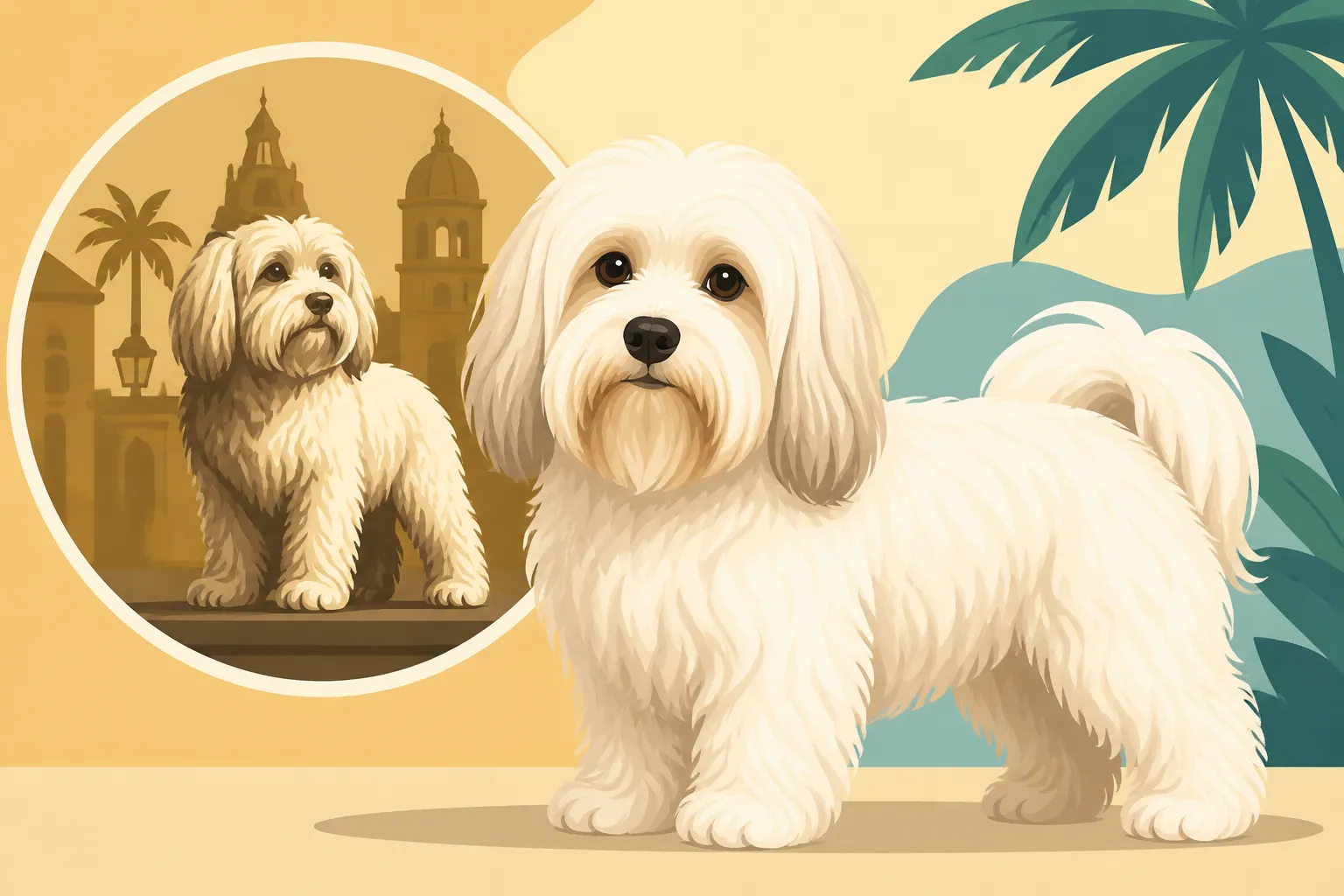
The most defining feature of the Blanquito was undeniably its coat. As its name suggests, "Blanquito" literally means "little white one." So, the predominant, and perhaps even exclusive, color was white. This wasn't just any white, though. It was a soft, silky coat, often described as having a texture akin to raw silk or cotton. Unlike some of the later Havanese coats that became very dense, the Blanquito's coat was generally lighter, flowing, and designed to offer some protection from the sun while still being relatively breathable in the Caribbean heat.
The coat was also long, sometimes reaching to the ground, but it wasn't as profusely dense or prone to matting as some modern Havanese coats can be. It required care, of course, to keep it pristine and tangle-free, but its texture would have been a significant part of its charm. The pure white color likely contributed to its image of purity and luxury, making it a highly desirable companion in the aristocratic circles of old Havana. Many wonder Whether the Blanquito Was Always White, and historical accounts strongly suggest a preference for this pristine hue.
Small Stature and Delicate Build
The Blanquito de la Habana was a small dog, even by toy breed standards. While specific measurements are elusive from historical records, anecdotal descriptions and artistic representations suggest they were certainly in the lower range of the Havanese size spectrum today. We're talking about a dog that could easily be carried, fitting comfortably on a lap or nestled in a basket. Their build was delicate yet sturdy, not overly fragile, but certainly not robust like a terrier.
This petite size was an essential aspect of their role as companion animals. They were meant for indoor living, not for strenuous outdoor activities. Their bones were fine, and their overall structure conveyed an impression of grace and refinement. While today's Havanese can range in size, the Blanquito would have represented the smaller, more compact end of that spectrum. This gives us a clue when we consider How Tall a Havanese Stands and What a Havanese Actually Weighs in comparison to its ancestors.
Expressive Dark Eyes and Floppy Ears
The Blanquito possessed features that made it irresistibly charming and expressive. Their eyes were typically dark, often a rich brown, and set to convey intelligence, curiosity, and warmth. These weren't merely functional eyes; they were windows to a captivating soul, drawing people in with their soft, appealing gaze. The dark pigmentation around the eyes would have contrasted beautifully with their pure white coats.
Their ears were another defining feature: typically dropped, framing the face, and covered in the same silky, flowing hair as the rest of their body. These ears would have contributed to their endearing "puppy-like" appearance throughout their lives, adding to their overall appeal as a cherished companion. Imagine those soft ears fluttering slightly as they tilted their head, listening intently to their human's voice. This combination of dark, expressive eyes and soft, floppy ears created a perpetually sweet and engaging face that charmed everyone they met.
Distinguishing Features and Temperament Hints
Beyond the static image of their appearance, the Blanquito de la Habana had a lively presence, a distinctive way of moving, and a personality that captivated its owners. These weren't just pretty faces; they were dynamic, intelligent creatures with an inherent charm.
Gait and Tail Carriage
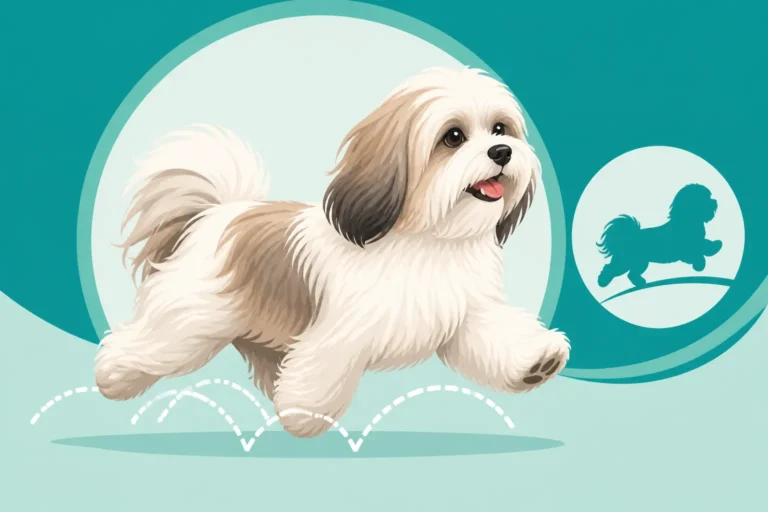
One of the most characteristic aspects of the Blanquito, much like the modern Havanese, would have been its gait. It wasn't a plodding walk, but rather a distinctive, springy gait, almost like a playful bounce. This light-footed movement would have given them an air of vivacity and agility, perfectly suited for a dog that spent its days interacting with people in busy homes. They moved with grace and confidence, their long coats flowing around them.
Equally iconic was their tail carriage. The Blanquito’s tail was often carried over its back, curving gracefully, and adorned with a plume of long, silky hair. This high-set, plumed tail acted like a cheerful flag, wagging with enthusiasm and broadcasting their happy disposition. It added to their elegant silhouette and was a constant indicator of their joyful and attentive nature. This spirited tail carriage is still a hallmark of the breed today and is even a component of The Springy Gait a Havanese Is Judged On in conformation shows.
Adaptable and Affectionate Nature
While physical descriptions focus on looks, the temperament of the Blanquito was arguably its most important feature, solidifying its place as a beloved companion. These dogs were renowned for their affectionate and outgoing personalities. They thrived on human interaction, forming strong bonds with their families and often displaying a particular devotion to one person. This wasn't a shy or aloof breed; they were eager to please and loved being at the center of attention.
Their intelligence also made them highly adaptable. They could easily adjust to the rhythms of household life, whether that meant quiet afternoons on a lap or lively romps with children (under supervision, of course, given their delicate size). This adaptability, coupled with their inherent sweetness, made them ideal companions for the Cuban aristocracy, who valued a dog that could seamlessly integrate into their cultured lives. This adaptable and affectionate nature is a legacy that every Havanese owner experiences daily.
Evolution into the Modern Havanese
The Blanquito de la Habana, though a foundational breed, was not the final form. Over time, as Cuba's trade routes expanded and European influences deepened, the breed began to change. This evolution was not always planned, but it certainly shaped the Havanese into the diverse and beloved breed we recognize today. The introduction of new genes marked a significant turning point in their history.
The Influence of Other Bichon Types
The initial Blanquitos were somewhat isolated on the island, but as Cuba became a busier trade hub, new dogs arrived. Among these were other Bichon-type dogs from various parts of Europe, particularly France and Spain. These newcomers, often Poodles or similar small, curly-coated dogs, interbred with the Blanquito population. This intermingling of bloodlines introduced new genetic diversity and, crucially, new physical traits.
The Poodle influence, for instance, is thought to have contributed to the Havanese's broader range of colors and potentially a denser, sometimes curlier, coat texture than the original silky white of the Blanquito. It also may have subtly altered their body type, making some lines a bit sturdier or slightly larger. This genetic blending was a natural process of dog evolution in a vibrant port city, ultimately leading to a more varied and resilient gene pool. The transformation brought about by these new influences is a complex story, particularly How Poodles Changed the Blanquito.
How Color and Texture Broadened
One of the most dramatic shifts from the Blanquito to the modern Havanese was the expansion of coat colors and textures. Where the Blanquito was primarily white with a distinctly silky feel, the introduction of other Bichon types brought in a kaleidoscope of new possibilities. Suddenly, Havanese could be black, brown, red, sable, silver, blue, cream, and various combinations of these colors, including parti-colors and Irish pied patterns.
The coat texture also diversified. While the silky coat remains highly prized, some Havanese developed a slightly denser, wavier, or even curlier coat that is still soft but with more body. This wider array of colors and textures meant that the Havanese lost a bit of the Blanquito's stark, uniform appearance but gained incredible diversity and individual character. Today, when you look at Every Color a Havanese Is Allowed to Be, you're seeing the result of centuries of genetic evolution from that original white canvas.
Legacy and Modern Interpretation
The Blanquito de la Habana may no longer exist as a distinct, recognized breed, but its spirit and many of its characteristics live on vibrantly in every Havanese. It's a testament to the enduring appeal of this little Cuban dog that its core traits have persisted through generations and migrations.
Similarities to the Havanese of Today
Despite the genetic mixing and the changes over centuries, the fundamental essence of the Blanquito is unmistakable in the modern Havanese. The small size, the captivating dark eyes, the soft floppy ears, and that signature lively gait are all direct inheritances. More importantly, the Blanquito's temperament – its affection, intelligence, and unwavering devotion to its human family – forms the very heart of the Havanese personality. When your Havanese greets you with boundless joy or curls up contentedly on your lap, you're experiencing a direct link to those cherished Blanquitos of old Havana.
Even the need for consistent grooming reflects this heritage; while the modern Havanese coat can be more varied, the importance of maintaining its beauty and health echoes the care given to the Blanquito's silky locks. High-quality grooming tools, like brushes and combs you can find at a reputable pet supply retailer such as Chewy, are essential for preserving the condition of their beautiful coats, a trait passed down from their ancestors.
The Enduring Spirit of the Blanquito
The story of the Blanquito is not just about physical traits; it's about the resilience and adaptability of a breed that almost vanished after the Cuban Revolution. The few Havanese that left the island carried the genetic blueprint and spirit of the Blanquito within them, and from those precious few, the entire modern Havanese population was rebuilt. This means that every Havanese alive today is a direct descendant, a living piece of Cuban history.
The Blanquito's enduring legacy is its role as the quintessential companion dog – a role that the Havanese continues to excel at. They were bred purely for companionship, and that purpose remains paramount. They offer love, laughter, and an incredible bond that makes them more than just pets; they are family members, connecting us to a rich past. It's a powerful thought to consider Whether the Blanquito de la Habana Still Exists, and in a very real sense, it does, thriving in the form of every Havanese.
So, when you look at your Havanese, remember the Blanquito de la Habana. You're not just seeing a cute dog; you're looking at centuries of history, a dog refined by aristocratic tastes, shaped by a tropical island, and carrying forward an incomparable legacy of companionship. It’s important to understand the full story, especially since What Nobody Warns a Havanese Buyer About often includes the depth of their historical background and the specific care needs stemming from it. Knowing their origins helps us appreciate them even more fully.
Here's a quick comparison of some key traits:
| Trait | Blanquito de la Habana (Ancestral) | Modern Havanese (Descendant) |
|---|---|---|
| Primary Color | Predominantly white | Wide range of colors and patterns (white, black, sable, parti, etc.) |
| Coat Texture | Silky, flowing, often described as like raw silk | Silky, wavy, or slightly curlier; can be dense |
| Size | Generally smaller, delicate build | Small, but with a broader range; delicate to slightly sturdier |
| Temperament | Highly affectionate, adaptable, eager to please | Retains core affectionate, intelligent, and social traits |
| Tail Carriage | High-set, plumed, carried over the back | High-set, plumed, carried over the back |
| Eyes | Dark, expressive | Dark, expressive (lighter in some chocolate variations) |
| Historical Role | Lapdog for Cuban aristocracy, companion | Premier companion dog, family member |
Disclaimer
This article is for general informational purposes only and does not constitute professional advice. Laws, prices and regulations vary by location and change over time. Consult a qualified professional for guidance on your specific situation.