How Poodles Changed the Blanquito
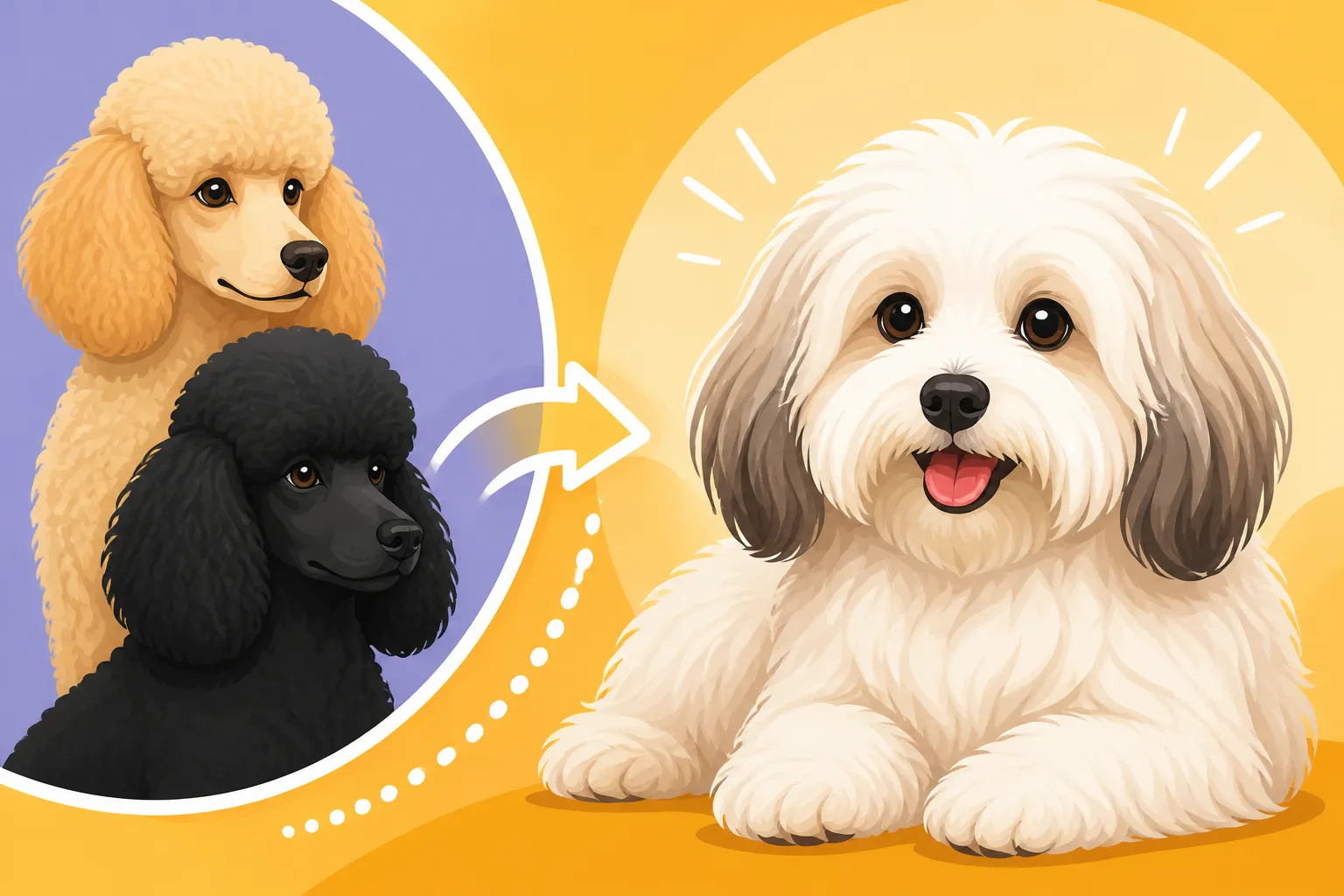
It’s easy to look at a Havanese today with their diverse colors and sometimes varied coat textures and wonder how such a distinct breed came to be. Many people are familiar with the Havanese as a charming, fluffy companion, but the story of their ancestry, particularly the influence of the Poodle on their forebear, the Blanquito de la Habana, is a fascinating journey through history. This guide will delve into how the arrival of Poodles subtly yet profoundly shaped the Cuban national dog, transforming it into the beloved Havanese we know.
The Elusive Blanquito de la Habana: Before Poodle Influence
Before the Poodle stepped onto the scene in Cuba, there was the Blanquito de la Habana, often considered the true ancestor of the Havanese. This charming little dog was itself a descendant of the Bichon type dogs brought to Cuba by Spanish colonists. Imagine a small, white, fluffy companion, living a rather privileged life in the homes of Cuban aristocracy and wealthy families. These dogs were symbols of status and companionship, cherished for their affectionate natures and attractive appearance.
Picturing the Original Cuban Dog
The Blanquito was primarily known for its pure white, long, and exceptionally silky coat. Picture a shimmering white cloud, a true "silk dog" that was light and airy to the touch. This characteristic coat was one of its most defining features, setting it apart from other small European companion breeds. Their structure was typically compact, sturdy, but elegant, well-suited to being carried and adored. They were bred purely for companionship, thriving on human interaction and offering boundless affection to their families.
These dogs were integral to the social fabric of Cuban high society for centuries. They were not working dogs in the traditional sense, but rather entertainers and confidantes, often accompanying their owners on carriage rides and social visits. Their intelligence and eagerness to please meant they were likely quick to pick up simple tricks, delighting their human companions. It’s important to understand this foundation – a small, white, silky-coated dog with a strong companion drive – to truly grasp the changes that Poodle influence later brought.
Life and Purpose of the Blanquito
The Blanquito de la Habana existed in a relatively isolated environment on the island of Cuba. This isolation meant that for many generations, their gene pool remained fairly consistent, preserving the traits that defined them. They were bred within a specific societal niche, essentially perfected as lapdogs and household companions. Their purpose was simple: to bring joy and companionship to their owners, and they excelled at it. You might say they were the original Havanese Is the Only Breed Cuba Ever Produced, a testament to their deep roots in Cuban culture.
Life for a Blanquito would have involved plenty of pampering and attention, a far cry from the life of a working dog. They were fed by their families, cared for, and likely given a good deal of freedom within the family estate. Their intelligence would have made them responsive to training, ensuring they were well-mannered companions for their refined owners. The Blanquito was a beloved fixture, a living piece of Cuban history that would soon embark on a new chapter with the introduction of new bloodlines.
The Winds of Change: European Poodles Arrive in Cuba
As Cuba’s trade routes expanded and intensified with Europe, particularly during the 18th and 19th centuries, new breeds of dogs started making their way to the island. Among these, the Poodle, in its various smaller forms, played a significant role in shaping the future of the Blanquito. These Poodles weren't necessarily the large standard Poodles we often picture today; rather, they were more likely smaller varieties, similar to what we might now call Miniature or Toy Poodles, though breed definitions were less rigid then.
Shifting Trade Routes and New Companions
The bustling ports of Havana saw ships arriving from Spain, France, and other European nations, bringing not just goods but also trends and beloved pets. Wealthy Europeans traveling to Cuba, or Cubans returning from voyages abroad, would often bring their favorite companion dogs with them. The Poodle, already a popular and fashionable breed in Europe, was a natural choice. Its intelligence, elegant appearance, and reputation for being highly trainable made it a desirable addition to any household.
The introduction of these European Poodles meant that the Blanquito's previously isolated gene pool was suddenly exposed to new genetic material. It wasn't a deliberate, scientific breeding program in the way we might think of it today. Instead, it was more organic, a natural intermingling as dogs from different backgrounds found themselves in the same households and communities. This mixing was driven by the desire for diverse and attractive companion dogs, combining the best traits of both the local favorites and the newly imported European beauties. This period marks a pivotal moment, as it introduced the genetic diversity that would begin to transform the Blanquito into something subtly but distinctly new.
The Allure of the Poodle in the Caribbean
What made the Poodle so appealing that it would be introduced to the Blanquito's lineage? Poodles were highly regarded for several key traits. Firstly, their intelligence was legendary; they were often used in circuses and for various tricks, showcasing a quick wit and eagerness to learn that would have resonated with owners seeking a clever companion. This shared trait with the Blanquito, which was also an intelligent and biddable dog, meant that their offspring would likely retain or even enhance these desirable mental characteristics. The Circus Dog Brain Inside a Havanese certainly has roots in both breeds.
Secondly, Poodles came in a wider array of colors than the predominantly white Blanquito, and their coats, while dense and curly, also offered a different texture. This presented an opportunity to introduce new aesthetic variations. Imagine the excitement of having a small, charming companion dog that wasn't just white but perhaps black, brown, or even parti-colored! This expanded palette of colors and textures was a significant draw, broadening the visual appeal of the developing Cuban companion dog. Furthermore, the Poodle's compact size aligned perfectly with the existing preference for small lapdogs, making the cross a natural fit without dramatically altering the preferred scale of the breed.
Poodle Genetics Weaving Into the Blanquito Fabric
The intermingling of Blanquito and Poodle genetics didn't result in a completely new dog overnight. Rather, it was a gradual evolution, a subtle weaving of traits that enriched the existing Blanquito lineage. The most noticeable changes emerged in their appearance, particularly their coats and color, but their inherent intelligence and biddability were also reinforced.
Evolution of the Havanese Coat and Color Palette
The most significant visual change Poodle genetics introduced to the Blanquito was undoubtedly the expansion of its coat characteristics. The original Blanquito was famed for its pure white, silky, single-layer coat. While the Havanese today still possesses a beautiful, silky texture, it's often more dense and can have a slight wave or curl, a direct influence from the Poodle's characteristic curly coat. This added density and varied texture meant the coat could be even more impressive, often growing to the floor in its natural state, giving the Havanese its distinct flowing appearance.
Perhaps even more striking was the explosion of color that Poodle genetics brought to the breed. Where the Blanquito was almost exclusively white, the Poodle introduced a vast array of solid colors—black, brown, silver, cream, and apricot—as well as various parti-color patterns. This meant the once-monochromatic Blanquito began to appear in virtually Every Color a Havanese Is Allowed to Be, from solid black to sable, brindle, and Irish pied. This genetic gift gave the emerging Havanese a vibrant and diverse aesthetic that quickly became one of its most charming features. It's truly a testament to how selective breeding and genetic mixing can lead to such beautiful variations.
Temperament and Intelligence: A Merged Heritage
Both the Blanquito and the Poodle were known for their intelligence and agreeable temperaments. The Blanquito was a cheerful, outgoing, and highly social companion, eager to please and deeply devoted to its family. Poodles, too, are renowned for their sharp minds, trainability, and playful spirits. When these two intelligent breeds mingled, the resulting Havanese inherited a double dose of smarts and biddability, making them incredibly quick learners. This is why many Havanese owners will tell you their dogs are like little sponges, soaking up new commands and tricks with remarkable ease.
This enhanced intelligence, combined with their inherent desire to be close to their humans, makes the Havanese an absolute joy to train. They thrive on mental stimulation and excel in activities that engage their minds, from learning complex tricks to participating in dog sports. This shared heritage of keen intellect and affectionate demeanor solidified the Havanese's role as an exceptional companion, a dog that not only looks beautiful but also connects deeply with its family through its sharp mind and loving heart. Finding puzzle toys or enriching activities on Chewy can be a fantastic way to engage this aspect of their personality.
Subtle Shifts in Stature and Build
While the most dramatic changes were seen in coat and color, Poodle influence also brought subtle shifts to the Blanquito's overall stature and build. Both were small breeds, but the Poodle's conformation might have reinforced certain structural elements or added a touch more compactness and elegance. The Havanese today has a sturdy yet diminutive build, characterized by a slightly longer-than-tall body, a level topline, and a springy gait that is quite distinctive. This balanced construction is crucial for their agility and playful nature.
It’s unlikely that the Poodle influence made the Havanese significantly larger or smaller, as both ancestral types were already within the small companion dog category. Instead, it was more about refining the existing structure and perhaps contributing to the consistency of traits within the developing breed. The aim was always a sturdy, small dog, perfectly suited for indoor living and constant companionship. The result is a dog that is small enough to be a lapdog but robust enough for spirited play and daily adventures, embodying the best of its Blanquito and Poodle heritage.
The Blanquito's Transformation: Giving Rise to the Havanese
The intermingling of the Blanquito and the Poodle created a new and distinct type of dog that began to be recognized as the Havanese, or "Havana Silk Dog," on the island. This wasn't a sudden rebranding but a gradual evolution where new characteristics became integrated and widely accepted, leading to a recognized breed type that was truly unique to Cuba.
The Blending of Bloodlines and Defining a New Type
Over generations, the Blanquito bloodlines became thoroughly integrated with those of the introduced Poodles. This natural cross-breeding led to a consolidation of the traits we now associate with the Havanese: the long, flowing, often wavy or curly coat in a myriad of colors, combined with the Blanquito's inherent charm and robust constitution. Breeders, even without formal registries, would have been selecting for dogs that best embodied these desirable new characteristics, further solidifying the emerging Havanese type.
This period was crucial for defining what the Havanese would become. It was about creating a dog that retained the best qualities of its Cuban ancestors—loyalty, cheerfulness, and a strong bond with humans—while gaining the aesthetic and intellectual richness brought by the Poodle. The resulting dogs were immensely popular within Cuba, cherished as family pets and companions. They were truly a product of their unique environment and history, a testament to the cultural exchange that shaped the island. This blending created a breed known for its adaptability and affectionate nature, making it a wonderful choice for a first-time owner.
Early Distinctions and the "Havana Silk Dog" Identity
As the new breed type solidified, it began to be formally, or at least informally, recognized. The name "Havanese" (or Bichon Havanais in French, acknowledging its Bichon lineage) clearly tied it to its Cuban origins, specifically Havana. The epithet "Havana Silk Dog" was a nod to its luxurious coat, a feature that remained paramount even with the introduction of new textures and colors. This name highlights how important the coat's feel and appearance were to its identity, differentiating it from other small dogs.
The "Havana Silk Dog" moniker also represents a distinct historical lineage and a commitment by some breeders to preserve certain characteristics that they felt were quintessential to the breed. This perspective eventually led to debates and the formation of The Havana Silk Dog Argument That Split the Havanese club, highlighting the passion and varying interpretations of the ideal Havanese. These early distinctions, however, primarily served to emphasize the unique qualities of this Cuban breed, solidifying its place as a cherished companion dog with a rich and layered history.
The Enduring Legacy of Poodle Ancestry in Today's Havanese
Looking at a Havanese today, it's clear that the Poodle's influence, while foundational, is now fully integrated into a distinct breed. The Havanese is not a Poodle, nor is it merely a Poodle-cross; it is a unique breed whose rich ancestry includes Poodle genetics as a significant chapter in its development. This legacy is evident in many of the traits Havanese owners cherish.
Recognizable Traits in the Modern Breed Standard
The official breed standard for the Havanese reflects many of the characteristics that emerged from the Blanquito-Poodle cross. The long, soft, double coat, often with a slight wave, is a direct inheritance. While the Blanquito was primarily silky and white, the modern Havanese coat, capable of growing quite long, can exhibit the texture and the vast array of colors brought by Poodle genetics. This coat requires regular grooming, which often involves specific brushes and combs you can easily find on Chewy. The Silky Double Coat a Havanese Grows to the Floor is definitely a defining trait.
Furthermore, the Havanese's lively intelligence, biddable nature, and keen ability to learn tricks are hallmarks of both its Blanquito and Poodle ancestors. The breed's joyful disposition and strong desire for companionship are also deeply rooted in this combined heritage. Breeders today continue to select for these traits, ensuring that the Havanese remains the charming, clever, and devoted companion that its history predestined it to be.
Understanding the Havanese as a Unique Breed
It's crucial to understand that while Poodle ancestry is part of the Havanese story, the Havanese stands as its own distinct breed, developed and refined over centuries. It's not a modern designer cross like a 'Havapoo,' which is a first-generation hybrid of a Havanese and a Poodle. The Poodle influence occurred so long ago and was so thoroughly integrated that the Havanese evolved into a stable, recognizable breed with its own consistent characteristics, temperament, and appearance.
The Havanese has its own breed club, its own standard, and a unique history that began in Cuba. Its development is a classic example of how breeds evolve through natural selection and human intervention, adapting and changing over time. So, when you admire a Havanese's beautiful coat or marvel at its quick wit, remember that you're seeing a living testament to a rich and complex history, where the Blanquito met the Poodle, and together, they created the enchanting dog we celebrate today. This journey has given us Why the Havanese Is a Healthy Toy Breed Anyway, a robust and long-lived companion.
Comparing Key Traits: Blanquito vs. Poodle vs. Havanese
To help illustrate the impact of the Poodle on the Blanquito and the resulting Havanese, let's look at a comparison of their key traits:
| Feature | Blanquito de la Habana | European Poodle (Small Varieties) | Modern Havanese |
|---|---|---|---|
| Origin | Cuba (descended from Bichon-type dogs from Spain) | Europe (various countries) | Cuba (Blanquito + Poodle influence) |
| Primary Color | Pure White | Wide range of solid colors, parti-colors | All colors and patterns recognized |
| Coat Texture | Long, silky, single layer | Dense, curly, coarse to fine, non-shedding | Long, silky to slightly wavy, double coat |
| Shedding | Minimal to none | Minimal to none | Minimal to none |
| Temperament | Cheerful, affectionate, companionable, intelligent | Highly intelligent, trainable, playful, eager to please | Cheerful, intelligent, trainable, devoted, social |
| Purpose | Lapdog, aristocratic companion | Companion, trick dog, hunter (original large Poodles) | Companion, family pet, often excels in dog sports/therapy |
| Health Concerns | Likely similar to Bichon types, but less recorded due to isolation | Various breed-specific concerns | Shares some concerns, e.g., The Kneecaps a Havanese Slips |
This table clearly shows how the Havanese inherited and blended characteristics from both its ancestral lines, particularly benefiting from the Poodle's introduction of diverse colors and textures, while maintaining the cherished companion qualities of the Blanquito. It's a beautiful tapestry woven from different threads, resulting in a truly unique breed.
Addressing the "Poodle Mix" Misconception
It’s easy for someone unfamiliar with breed history to look at a Havanese and, seeing its fluffy coat or hearing about its intelligence, assume it might be a modern Poodle mix. However, this is a significant misconception that needs clarifying. The Havanese, while having Poodle influence in its distant past, is a fully established and recognized purebred dog, not a Poodle mix or a hybrid breed.
Havanese Are Not Modern Designer Dogs
When people refer to a "Poodle mix" today, they're typically thinking of modern "designer dogs" like a Labradoodle, Goldendoodle, or the aforementioned Havapoo. These are first-generation crosses intentionally bred for specific traits, often marketed as hypoallergenic or for a particular look. The Havanese is fundamentally different. Its Poodle ancestry is a historical event that occurred centuries ago, where the bloodlines blended and stabilized into a consistent breed over many generations of natural and selective breeding on the island of Cuba.
The genetic contributions from those early Poodles were absorbed into the existing Blanquito population, becoming an integral part of what made the Havanese distinct. This process is how many ancient breeds evolved, not through recent, intentional cross-breeding for a novel "designer" outcome. The Havanese holds its own unique place in the canine family tree, a testament to its long and fascinating journey from the aristocratic homes of Cuba to the beloved companion dogs they are today. If you're looking for a dog with a clear, documented lineage, a reputable Havanese breeder will be able to provide pedigrees, often going back generations, which is quite different from what you might find for a modern hybrid. What Papers Prove About a Havanese is important for understanding their lineage.
Why Distinguishing Purebred Havanese Matters
For breed enthusiasts and those seeking a purebred Havanese, understanding this distinction is crucial. When you acquire a purebred Havanese, you are investing in a dog with predictable characteristics in terms of temperament, appearance, and genetic predispositions. This predictability comes from generations of selective breeding within the defined Havanese standard, ensuring that traits like their cheerful disposition, intelligence, and characteristic flowing coat are consistently passed down.
While the distant Poodle influence added to the Havanese's charm and diversity, the Havanese is now recognized globally by major kennel clubs, each with its own specific breed standard that defines what a Havanese should be. This recognition and established standard underline its status as a distinct purebred, not a perpetual work-in-progress or a variation of another breed. It's a unique dog with a captivating past, standing proudly on its own two (or four!) feet. And just like any purebred, it benefits from quality nutrition; a good small breed formula, available from Chewy, can help support its unique needs throughout its life.
Disclaimer
This article is for general informational purposes only and does not constitute professional advice. Laws, prices and regulations vary by location and change over time. Consult a qualified professional for guidance on your specific situation.