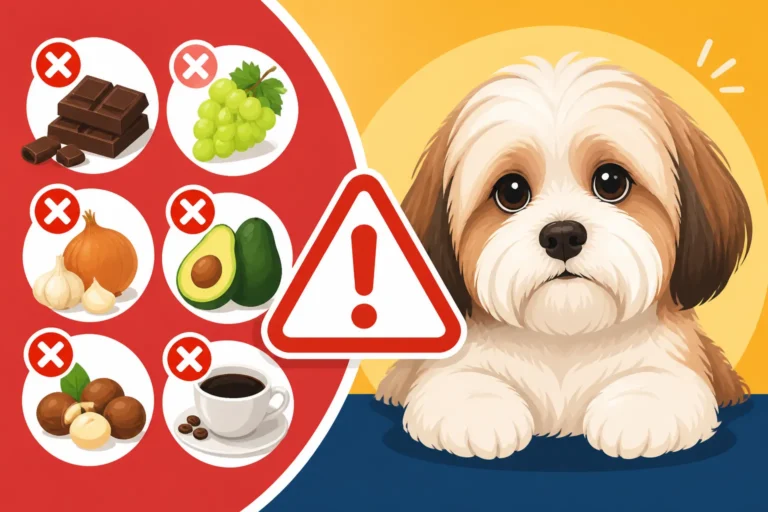
Whether a Havanese Can Eat Raw
It's a question many Havanese owners grapple with, especially when you want nothing but the absolute best for your cherished companion: "Should I feed my Havanese a raw diet?" The internet is awash with enthusiastic proponents and dire warnings, leaving many of us feeling utterly confused and perhaps a little guilty about what we're currently putting in their bowls. This guide is here to cut through the noise, offering an empathetic and realistic look at raw feeding, helping you understand the nuances, potential benefits, and very real risks involved, so you can make an informed decision for your beloved Havanese.
Understanding the Raw Food Diet for Your Havanese
When we talk about raw food for dogs, it’s not just about tossing a piece of raw chicken on the floor. There’s a whole philosophy and method behind it, rooted in the idea that dogs, as descendants of wolves, thrive on an uncooked, unprocessed diet similar to what their ancestors might have eaten in the wild. For a small breed like the Havanese, with their delicate systems and specific needs, understanding what this truly entails is crucial. It’s a far cry from simply buying any raw meat from the grocery store.
What "Raw" Actually Means for Dogs
At its heart, a raw food diet for dogs typically falls into one of two main categories: the Biologically Appropriate Raw Food (BARF) model or the Prey Model Raw (PMR) diet. Both aim to replicate a canine's ancestral diet, but they go about it in slightly different ways. The BARF model includes a mix of muscle meat, organs, bones, and a small percentage of fruits, vegetables, and supplements, aiming for a complete nutritional profile that mimics what a whole prey animal might offer, plus some beneficial plant matter. It's often seen as a slightly more inclusive approach, trying to cover all bases with varied ingredients.
On the other hand, the Prey Model Raw diet is more simplistic, focusing almost exclusively on whole prey animals, or a combination of muscle meat, organs, and bones, without the plant matter. The idea here is that a dog’s digestive system is best suited to process animal matter, and they don't derive much nutritional benefit from fruits and vegetables. For a small Havanese, this might mean a carefully calculated mix of chicken wings, liver, heart, and gizzards, perhaps from a reputable supplier. Both models stress that these ingredients should be raw and unprocessed, believing that cooking destroys vital enzymes, vitamins, and amino acids that are beneficial for canine health.
Regardless of the model chosen, the core principle is avoiding kibble, canned foods, or any processed commercial dog food. The proponents argue that these processed foods contain fillers, artificial ingredients, and are cooked at high temperatures, diminishing their nutritional value. Instead, they advocate for food in its most natural state, believing it to be superior for a dog's overall health and vitality. It's a significant shift from the conventional feeding methods many of us grew up with, and it certainly requires more thought and preparation than scooping kibble from a bag.
Different Approaches to Raw Feeding: DIY vs. Commercial
Once you decide to explore raw feeding, you'll encounter two main paths: preparing a homemade, or "DIY," raw diet, or opting for commercially prepared raw food. Each has its own set of advantages and challenges, especially when catering to a petite Havanese. The DIY approach gives you complete control over every ingredient. You select the specific cuts of meat, the types of organs, and the bone content, ensuring that you know exactly what your Havanese is consuming. This path is often chosen by owners who want to avoid specific allergens or ingredients, or who simply feel more comfortable sourcing and preparing the food themselves. However, it demands a deep understanding of canine nutrition to ensure a balanced diet. Without proper knowledge, it's incredibly easy to inadvertently create nutritional deficiencies or excesses that could harm your Havanese over time. You might find yourself researching extensively, consulting with veterinary nutritionists, and meticulously weighing out portions, which can be a significant time commitment.
Commercially prepared raw diets, on the other hand, aim to take the guesswork out of raw feeding. These products come pre-portioned and are often formulated by veterinary nutritionists to be nutritionally complete and balanced. You can find them in various forms, such as frozen patties, nuggets, or ground mixtures. Brands like Chewy or specialized raw pet food suppliers often carry a range of these products, making them more accessible than ever before. This option significantly reduces the preparation time and the burden of ensuring nutritional balance, which is a huge plus for busy owners. However, commercially prepared raw food can be more expensive than a DIY diet, and you still need to be diligent about checking ingredient lists and sourcing information to ensure quality and ethical practices. The convenience comes at a price, both literally and sometimes in terms of knowing the exact origin of every single component in the blend.
When choosing between DIY and commercial, consider your lifestyle, your budget, and your comfort level with food preparation and canine nutrition. For a Havanese, ensuring portion control and appropriate bone size is paramount, whether you're meticulously grinding chicken frames at home or trusting a reputable commercial producer. There's no one-size-fits-all answer, and many owners even combine the two, supplementing commercial raw with occasional fresh, whole ingredients they prepare themselves.
The Allure of Raw: Perceived Benefits for Havanese
Many Havanese owners who switch to a raw diet report seeing significant positive changes in their dogs. These anecdotal reports are often the driving force behind the growing popularity of raw feeding. While scientific research is still catching up to many of these claims, the sheer volume of personal testimonies is enough to pique the interest of loving pet parents looking for ways to enhance their Havanese's well-being. From improved physical appearance to better digestive health, the perceived benefits can be very compelling.
Improved Coat and Skin Health
One of the most frequently cited benefits of a raw diet for Havanese is a noticeable improvement in their luxurious coats and overall skin health. Havanese are known for their long, silky double coats, which can sometimes be prone to matting, dryness, or skin irritations if not properly cared for or if their diet isn't optimal. Owners on a raw regimen often describe their Havanese's coat becoming shinier, softer, and thicker, with less shedding. They might also notice a reduction in dry, flaky skin or chronic itching. The theory behind this improvement often points to the higher moisture content in raw food, as well as the abundance of natural fats, omega fatty acids, and bioavailable nutrients that are thought to be more readily absorbed by the dog's system compared to highly processed kibble.
The idea is that these natural oils and nutrients, unadulterated by high-heat processing, can better nourish the skin and hair follicles from within. For a Havanese, a healthy coat isn't just about aesthetics; it's a protective barrier. A well-nourished coat can better repel dirt, reduce tangles, and protect against environmental irritants. While some of these improvements might also be achieved through high-quality supplements or specialized kibble formulas, raw food proponents believe the direct, natural intake is superior. This can be especially appealing if your Havanese suffers from persistent skin issues or a lackluster coat, leading you to explore every avenue for relief. This is a big reason why owners often ask about Whether a Havanese Needs Fish Oil for Its Coat.
Better Digestion and Dental Hygiene
Another common observation among raw feeders is an improvement in their Havanese's digestive health. Owners often report smaller, firmer, and less odorous stools, indicating better nutrient absorption and less waste. This is attributed to the raw diet being more natural and easier for a dog's digestive system to process, as it's closer to what their bodies are biologically designed to eat. Many believe that the enzymes present in raw food, which are destroyed by cooking, aid in digestion, leading to a more efficient breakdown of food. If your Havanese has been struggling with sensitive digestion, occasional vomiting, or loose stools, a raw diet might seem like a promising solution.
Beyond digestion, dental hygiene is a massive concern for Havanese owners. Small breeds are particularly prone to dental issues, with many needing professional dental cleanings by the time they are six years old, if not sooner. The Dental Work Every Havanese Needs by Six is a common and often expensive reality. Raw food advocates strongly believe that feeding raw, meaty bones acts as a natural toothbrush, scraping away plaque and tartar as the dog chews. Unlike cooked bones, which splinter and can be dangerous, raw bones are generally considered more pliable and digestible. While this can contribute to cleaner teeth, it's important to differentiate between recreational chewing bones and meal-replacement bones, and to ensure the bones are appropriate for your Havanese's size to prevent choking or injury. The idea of a diet that naturally supports dental health is incredibly attractive, potentially reducing the frequency and cost of professional cleanings.
Enhanced Energy and Weight Management
Many Havanese owners who switch to raw food notice a boost in their dog's energy levels and an easier time managing their weight. This isn't about creating a hyperactive dog, but rather seeing a more consistent and vibrant energy throughout the day, without the post-meal slump sometimes associated with carbohydrate-heavy kibble. Proponents suggest that the nutrient-dense nature of raw food, coupled with the absence of fillers and artificial ingredients, provides a more efficient and sustained energy source. Your Havanese might seem more engaged, playful, and generally more spry, which is wonderful to see, especially as they get older.
Weight management is another area where raw feeding is often cited as beneficial. It can be a struggle to keep a small breed like the Havanese at their ideal weight, especially as they age or if they're prone to being Whether a Havanese Should Be Kept Slim for Its Joints. Raw diets, when properly balanced, are often lower in carbohydrates and higher in protein and healthy fats, which can help dogs feel fuller and maintain a healthy muscle mass. This composition can make it easier to regulate caloric intake and prevent unnecessary weight gain. For dogs that have struggled with obesity on traditional diets, a raw food approach, carefully monitored for calorie count, can be a game-changer. It emphasizes lean protein and natural ingredients, which are thought to contribute to a healthier metabolism and overall body condition.
The Unseen Risks: Why Raw Feeding Needs Careful Consideration
While the perceived benefits of raw feeding can be enticing, it's absolutely crucial to approach this diet with a clear understanding of the very real risks involved. For a small dog like a Havanese, these risks can sometimes be amplified due to their size and delicate systems. Ignoring these potential downsides isn't just negligent; it could put your beloved companion, and even your human family, in harm's way. This isn't about fear-mongering, but about equipping you with the full picture so you can make truly responsible choices.
The Bacterial Burden: A Threat to Your Havanese and Your Family
One of the most significant concerns with raw diets is the potential for bacterial contamination. Raw meat, regardless of how carefully sourced, can harbor pathogens like Salmonella, E. coli, Clostridium, and Listeria. These bacteria are naturally present in many raw animal products, and while a dog's digestive system is generally more robust and acidic than a human's, it doesn't make them immune to these risks. Your Havanese could still become ill, experiencing symptoms ranging from vomiting and diarrhea to more severe, life-threatening infections. Even if your dog doesn't show overt signs of illness, they can still shed these bacteria in their feces, posing a significant zoonotic risk.
This means that handling raw food, cleaning bowls, and even your Havanese licking your face after a meal, can transfer these bacteria to humans. Small children, the elderly, or anyone with a compromised immune system in your household are particularly vulnerable to serious illness from these pathogens. Imagine your Havanese joyfully greeting a toddler, then that child putting their hands in their mouth. It’s a very real scenario. Even commercial raw diets, despite claims of being "safe" or "human-grade," have been subject to recalls due to bacterial contamination. Proper hygiene, meticulous cleaning, and diligent food handling practices are non-negotiable if you choose to feed raw, but they don't eliminate the risk entirely. This is a major area where you cannot afford to be complacent, especially when you have a small dog that lives in such close proximity to you and your family.
Navigating Nutritional Deficiencies in Raw Diets
Another grave concern, particularly with homemade raw diets, is the risk of nutritional imbalances. Formulating a nutritionally complete and balanced raw diet for a Havanese is incredibly complex. It’s not just about mixing some meat, bone, and organs; it requires precise ratios of calcium, phosphorus, essential vitamins, trace minerals, and fatty acids to support your Havanese's unique physiological needs. Get these ratios wrong, and over time, your dog could suffer from serious health problems. For instance, too much phosphorus relative to calcium can lead to bone issues, especially in a growing puppy, while deficiencies in certain vitamins can impact organ function, coat health, and overall vitality.
Many well-meaning owners attempt DIY raw diets based on information from unverified online sources, leading to diets that are deficient in key nutrients or contain harmful excesses. Even commercially prepared raw foods, while often formulated by experts, can vary in quality and nutritional completeness. It's not enough for a food to simply contain all the components; they must be in the correct proportions. The long-term effects of an imbalanced diet may not be immediately apparent, slowly manifesting as subtle health issues that become chronic conditions. This is where consulting with a board-certified veterinary nutritionist is absolutely invaluable. They can help you formulate a truly balanced diet or guide you in selecting a reputable commercial option. Don't underestimate the scientific complexity of canine nutrition, especially for a small breed like the Havanese.
Choking Hazards and Injury Risks with Raw Bones
While raw meaty bones are often touted as the "natural toothbrush" for dogs, they also present significant choking hazards and risks of internal injury, particularly for smaller breeds like the Havanese. The type, size, and density of the bone are crucial considerations. A bone that's too small can be swallowed whole, leading to choking or blockages in the esophagus or intestines. A bone that's too hard, or fed in an inappropriate way, can fracture teeth, causing pain and requiring expensive dental work. Even raw bones, while more pliable than cooked ones, can splinter into sharp fragments, potentially puncturing the digestive tract.
Consider the delicate mouth and throat of a Havanese. A large knucklebones might be suitable for a Mastiff, but it presents a serious risk to a Havanese. Pieces of chicken necks, wings, or small rib bones might be appropriate, but careful supervision is always required. Owners must be educated on appropriate bone sizes and types, and always supervise their Havanese while they are chewing bones. This is not a task you can set and forget. Moreover, dogs can sometimes become possessive or protective of bones, leading to resource guarding behaviors, which can be an additional challenge in a multi-pet household or with children. It's a balance of potential dental benefits against very real risks, and for many owners, the anxiety associated with bone feeding might outweigh the perceived advantages.
| Aspect | Homemade Raw Diet | Commercial Raw Diet | High-Quality Kibble / Fresh Cooked (e.g., Ollie) |
|---|---|---|---|
| Nutritional Balance | Requires expert knowledge; high risk of imbalance | Often formulated for completeness; check sources | Formulated to AAFCO standards; reputable brands are balanced |
| Preparation Time | High; sourcing, grinding, weighing | Low; thaw and serve | Low; scoop/serve |
| Cost | Can be lower than commercial raw, but varies | Higher due to formulation and convenience | Varies widely, can be comparable to commercial raw |
| Bacterial Risk | High; requires strict hygiene | Moderate to high; recalls can occur | Low; cooked and processed to minimize pathogens |
| Ingredient Control | Absolute control over all components | Good, but dependent on brand transparency | Good, with clear ingredient lists |
| Storage | Requires significant freezer space | Requires significant freezer space | Standard pantry/fridge space |
| Dental Benefits | Potential with appropriate raw bones | Less emphasis on bone chewing; some provide | Minimal; requires additional dental care |
| Vet Approval | Often met with caution from traditional vets | Increasingly accepted, but still caution | Generally accepted by veterinary community |
Making the Best Choice for Your Havanese's Plate
Deciding what to feed your Havanese is a deeply personal choice, and it's one that often comes with a fair amount of stress and conflicting information. After wading through the benefits and risks of raw feeding, you might feel more overwhelmed than when you started. But the key is to approach this decision with careful thought, research, and most importantly, an open dialogue with your veterinarian. Remember, your Havanese relies on you to make the best dietary choices for their long-term health and happiness.
Consulting Your Veterinarian: An Essential First Step
Before making any drastic changes to your Havanese's diet, especially if you're considering a raw food approach, the single most important step is to consult with your veterinarian. Many traditional veterinarians express caution about raw diets due to the aforementioned risks of bacterial contamination and nutritional imbalance. However, a growing number of vets are becoming more educated on nutrition and can offer valuable insights. Ideally, seek out a vet who has a special interest in canine nutrition or is a board-certified veterinary nutritionist. They can help you assess your Havanese's individual health needs, discuss any underlying conditions, and determine if a raw diet is truly appropriate and safe for them.
Don't be afraid to ask tough questions or voice your concerns. A good vet won't dismiss your interest out of hand but will help you understand the scientific evidence, or lack thereof, behind various claims. They can guide you on how to safely implement a raw diet, if you choose that path, or recommend reputable commercial raw food brands that meet stringent nutritional standards. They might also suggest specific health screenings, like blood work or fecal tests, to monitor your Havanese's health throughout a dietary transition. Remember, your vet is your partner in your Havanese's care, and their professional advice is invaluable, particularly when navigating complex dietary decisions. The health and longevity of your Havanese is the ultimate goal, and a collaborative approach with your veterinary team is the safest route. You might also ask them about Whether a Havanese Needs a Yearly Blood Panel to track changes.
Exploring Alternatives to a Fully Raw Diet
If, after weighing all the pros and cons, a fully raw diet feels too risky, too time-consuming, or simply not the right fit for your household, please know that there are many excellent alternatives that can still offer significant nutritional benefits to your Havanese. You don't have to choose between only raw and conventional kibble. Many owners are finding success with gently cooked or fresh-prepared diets, which offer some of the benefits of raw food (less processing, higher moisture content, whole ingredients) without the same level of bacterial risk. Brands like Ollie and similar services deliver freshly cooked, human-grade meals tailored to your dog's specific needs, which can be a fantastic middle-ground. These diets are typically formulated by veterinary nutritionists to be complete and balanced, and because they are gently cooked, the pathogen risk is greatly reduced.
Another alternative is to feed a high-quality kibble, supplemented with fresh, whole foods. Look for kibble brands that use limited, recognizable ingredients, offer transparent sourcing, and have strong quality control measures. You can then enhance this diet with cooked lean meats, steamed vegetables, or small amounts of fruit. This approach allows you to control some aspects of freshness and variety without committing to a full raw regimen. For supplies and a wide range of options, Amazon and specialized pet retailers can be great resources for exploring different high-quality kibbles, gently cooked options, and healthy supplements. Regardless of your choice, the most important thing is consistency, nutritional balance, and monitoring your Havanese for any adverse reactions or positive changes. Ultimately, the "best" diet is the one that keeps your individual Havanese healthy, happy, and thriving, fitting safely and realistically into your lifestyle. You might also want to look into What Fresh Food Costs for a Havanese or What Kibble Costs for a Havanese to understand the financial implications of different options.
Disclaimer
This article is for general informational purposes only and does not constitute professional advice. Laws, prices and regulations vary by location and change over time. Consult a qualified professional for guidance on your specific situation.