Whether a Havanese Should Be Kept Slim for Its Joints
It's heartbreaking to see our beloved Havanese struggle with aches and stiffness, especially when they're still in their prime. Many of us worry about those delicate little joints, and for good reason – conditions like luxating patellas are all too common in small breeds. This guide dives deep into why keeping your Havanese at a healthy, lean weight is one of the most powerful steps you can take to protect their joints and ensure they enjoy a long, active, and comfortable life.
The Delicate Nature of Havanese Joints
Our sweet Havanese might be hardy little souls in spirit, but their physical structure, like many small breeds, can make them prone to certain joint issues. It's not always something we can entirely prevent, as genetics play a big role, but understanding these predispositions helps us be better advocates for their health.
Understanding Common Havanese Joint Issues
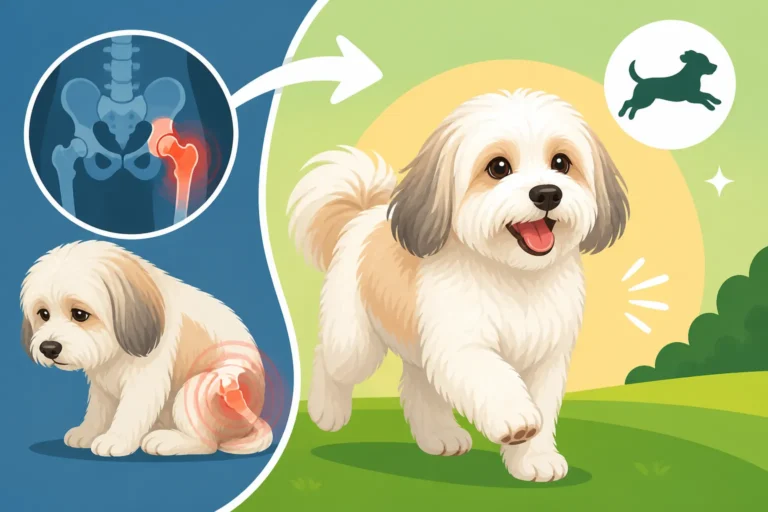
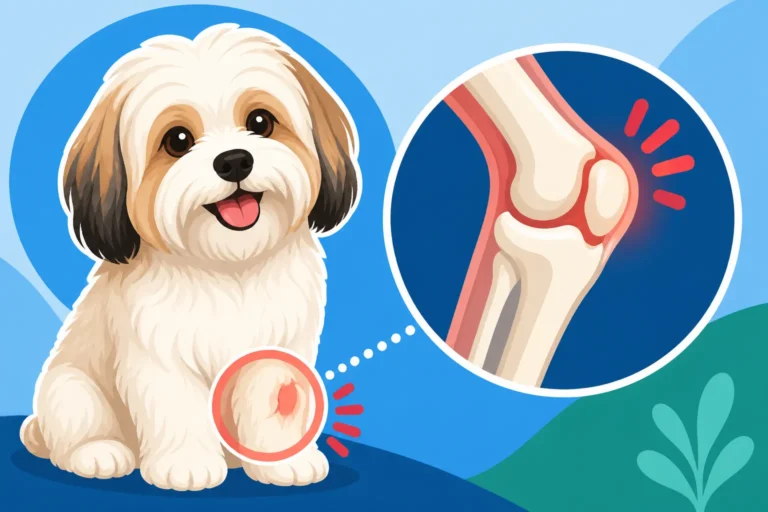
When we talk about Havanese joints, a few conditions frequently come up, and they can cause a lot of worry for us owners. The most common one you'll hear about is patellar luxation, often called "slipping kneecaps." This is where the kneecap (patella) moves out of its normal groove, usually to the inside. You might notice your Havanese doing a little skip or hopping on three legs for a few steps before kicking their leg out and going back to all four. This "skip" that means a Havanese's knee has gone can be subtle or quite pronounced, and it’s a direct indicator that the kneecap isn't tracking correctly. While some dogs live with it mildly, others experience significant pain and arthritis over time.
Another condition, though less common than luxating patellas but still a concern, is Legg-Calve-Perthes disease. This affects the hip joint, specifically the head of the femur, where the blood supply can be interrupted, leading to bone degradation. When a Havanese puppy shows hip pain, especially between 4 and 12 months of age, it could be a sign of this. It's a painful condition that often leads to lameness and requires surgical intervention. Imagine the discomfort for a little pup trying to navigate the world with a deteriorating hip!
Then there's the broader concern of arthritis. While we often associate arthritis with older dogs, repetitive stress from conditions like luxating patella or even just the wear and tear exacerbated by extra weight can lead to premature arthritis in a Havanese at twelve or even younger. Their small size doesn't make them immune to the stiffness, pain, and reduced mobility that arthritis brings. These conditions, whether congenital or developing over time, all put a strain on your Havanese's ability to move freely and comfortably.
How Excess Weight Impacts Joint Stress
It might seem obvious, but it's worth truly grasping the impact of even a few extra pounds on a Havanese's tiny frame. Think about it: a Havanese typically weighs between 7 and 13 pounds. If your Havanese is on the smaller side and carries an extra pound or two, that's a significant percentage of their total body weight, equivalent to a person carrying 20-30 extra pounds.
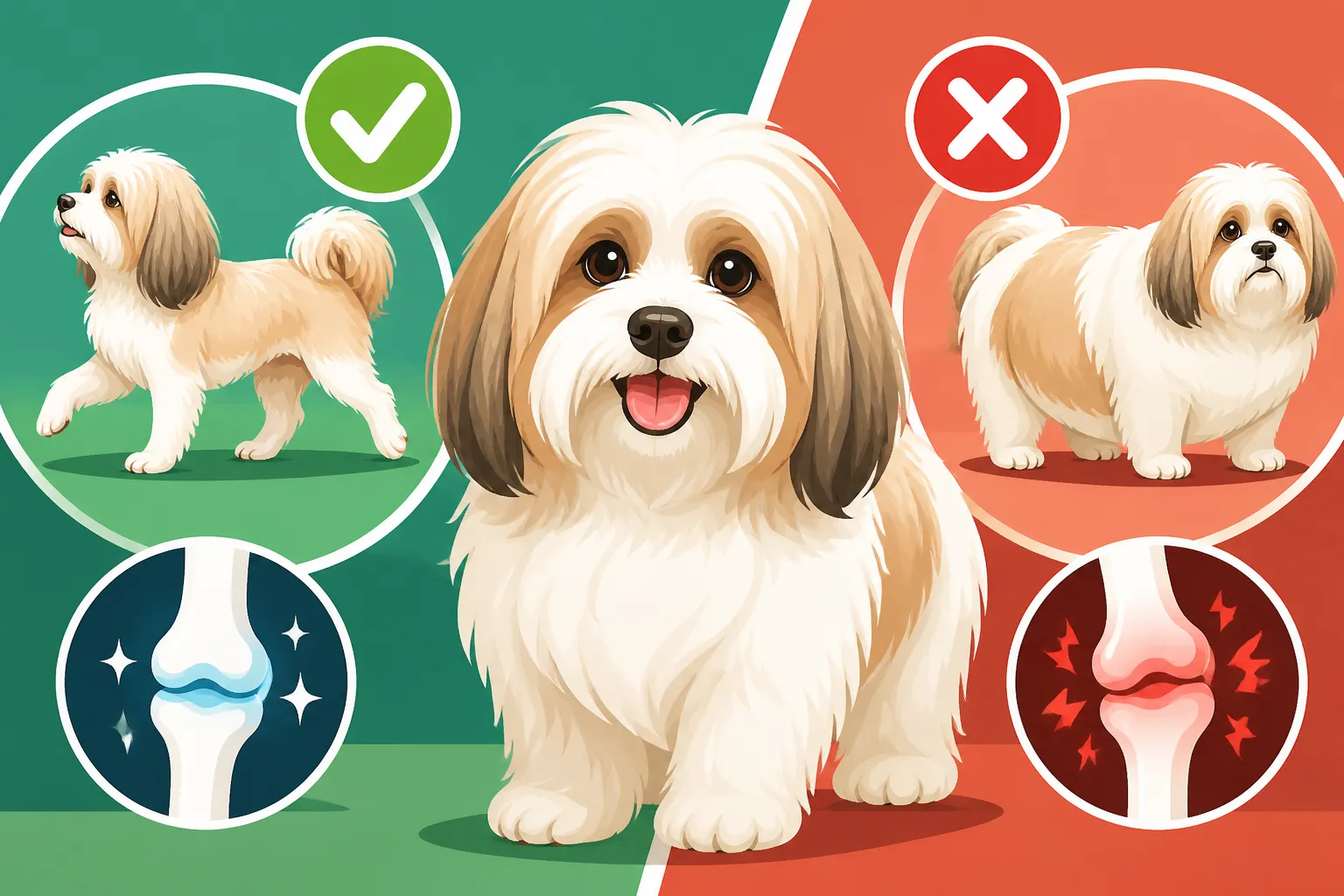
This additional weight creates disproportionate stress on their joints. Each step an overweight Havanese takes, each jump they make, or even just standing still, puts more pressure on their knees, hips, and spine than their body is designed to handle. This constant, excessive load accelerates the wear and tear on cartilage, which acts as a cushion between bones. When cartilage erodes, bones start rubbing against each other, leading to inflammation, pain, and the development of arthritis. An overweight Havanese might struggle to jump onto the couch, move slower on walks, or generally be less enthusiastic about play. It's a vicious cycle: pain leads to less movement, which can lead to more weight gain, compounding the problem. Keeping a Havanese off furniture it should not jump from is important, but even more so if they are carrying extra weight, as the impact forces are greatly magnified.
Identifying and Maintaining a Healthy Havanese Weight
Understanding the impact of weight is one thing, but knowing what a healthy Havanese looks like and how to maintain that ideal can be a bit trickier. It's not just about hitting a number on the scale; it's about their overall body condition.
What a Healthy Havanese Looks Like
Determining if your Havanese is at an ideal weight involves more than just looking at the breed standard, which usually states a range like 7 to 13 pounds. While this gives a general idea, individual Havanese can vary in build and bone structure. A Havanese that’s at the lean end of healthy will typically have a noticeable waist when viewed from above, like an hourglass shape. When you look at them from the side, you should see an abdominal tuck, where their belly slopes up from their ribcage to their hind legs.
Perhaps the most important assessment is by touch. You should be able to easily feel your Havanese's ribs when you run your hands along their sides without having to press hard. You shouldn't see the ribs, but feeling them distinctively, like knuckles under a thin blanket, is a good sign. If you can't easily feel their ribs, or if you feel a thick layer of fat over them, they're likely carrying too much weight. If their ribs are protruding and easily visible, they might be too thin.
Veterinarians often use a Body Condition Score (BCS) chart, typically on a scale of 1 to 5 or 1 to 9, to objectively assess a dog's weight. A score of 3/5 or 5/9 is generally considered ideal. This helps standardize the assessment beyond just a number on the scale, which can be misleading depending on their bone structure and individual genetics. These visual and tactile cues are much more reliable than simply comparing your dog's weight to a generic "average" for the breed.
Here's a simplified guide to help you assess your Havanese's body condition:
| Body Condition Score | Appearance | Ribs | Waist/Tuck | Recommendation |
|---|---|---|---|---|
| Too Thin | Ribs, spine, hip bones easily visible | Prominent, no fat cover | Severe abdominal tuck | Increase food slightly, consult vet |
| Ideal | Well-proportioned, visible waist | Easily palpable, thin fat cover | Clearly visible abdominal tuck | Maintain current regimen |
| Overweight | Rounded, no waist definition | Hard to feel, moderate fat cover | Little to no abdominal tuck | Reduce food, increase exercise |
| Obese | Very rounded, sagging abdomen | Cannot feel | No tuck, possibly bulging | Significant intervention, vet guidance |
Strategies for Weight Management
Maintaining a healthy weight for your Havanese is a consistent effort, not a one-time fix. It involves a careful balance of diet and exercise, tailored to their individual needs.
Dietary Adjustments: The foundation of weight management lies in their food intake. It's easy to overfeed a small dog, often unknowingly. Small breed dogs, like our Havanese, have faster metabolisms than larger dogs but also require fewer calories overall. The first step is to measure their food precisely. Don't eyeball it; use a measuring cup. Look at the feeding guidelines on your dog's food bag, but remember these are often just starting points, designed for an "average" dog. Your Havanese might need slightly less or more depending on their activity level and metabolism. Consider splitting their daily allowance into two smaller meals. This prevents them from getting overly hungry and can aid digestion. For adult Havanese, dropping to two meals is usually appropriate as they move past puppyhood. If your Havanese is already carrying too much weight, your vet might recommend a specific weight-loss food, which is typically lower in calories but still provides all essential nutrients.
Exercise Routine: While their exercise needs aren't as demanding as a working breed, Havanese still require regular activity. A daily walk, even if it's just 20-30 minutes, is crucial. This isn't just for physical health but also for mental stimulation. Incorporate play sessions indoors and out – fetch, tug-of-war, or even just exploring the backyard. Consistency is key. A Havanese that receives enough appropriate physical activity is less likely to become overweight and will have stronger muscles supporting their joints. Even though they may be perfectly content with indoor play, how far a Havanese should walk daily is still an important consideration for overall health.
Monitoring and Adjusting: This is where the detective work comes in. Regular weigh-ins at home or at your vet’s office, combined with consistent body condition checks, will tell you if your efforts are paying off. If your Havanese is still gaining weight or not losing it, re-evaluate their food portions and treat intake. Are family members secretly sneaking extra snacks? Is their activity level truly consistent? If you notice signs a Havanese is carrying too much weight, don't hesitate to consult your veterinarian. They can help you devise a personalized plan, rule out any underlying medical conditions, and provide guidance on appropriate calorie intake for your specific dog.
The Long-Term Benefits of a Lean Havanese
Committing to keeping your Havanese lean isn't just about avoiding a number on the scale; it's an investment in their entire lifespan, profoundly impacting their daily comfort and overall well-being.
Improved Mobility and Quality of Life
Imagine your Havanese bounding through the house, chasing a toy, easily jumping onto your lap for a cuddle, or enjoying a brisk walk without a second thought. This picture of joyful, effortless movement is what a lean body condition helps to achieve. When your Havanese isn't weighed down by excess fat, their joints experience less stress, allowing them to move with greater agility and less pain. This means more energetic play sessions, easier transitions from lying down to standing, and generally a more enthusiastic approach to life.
A Havanese with healthy joints and muscles can participate in activities they love for much longer. They can enjoy their walks, keep up with you around the house, and engage in social interactions with other dogs without discomfort. This directly translates to a higher quality of life. They'll be happier, more confident, and less prone to the behavioral issues that can sometimes arise from chronic pain or restricted movement. It’s about more than just physical movement; it’s about their mental and emotional well-being too. The more comfortable they are in their own body, the more they can simply be a joyful, curious Havanese.
Reduced Risk and Management of Joint Conditions
One of the most compelling reasons to keep your Havanese lean is its direct impact on reducing the risk and severity of common joint conditions. While genetics play a role in conditions like luxating patellas or Legg-Calve-Perthes, excess weight acts as a significant amplifier of these issues.
For instance, a Havanese predisposed to luxating patella may experience earlier onset or more severe symptoms if they are overweight. The extra stress on the knee joint can cause the kneecap to slip more frequently or to a more severe degree, accelerating cartilage damage and the development of painful arthritis. Conversely, a lean Havanese with the same genetic predisposition might not develop symptoms until much later in life, or their condition might remain mild and manageable without invasive interventions.
Similarly, for conditions like Legg-Calve-Perthes, while its origin is often genetic, maintaining a healthy weight can aid in recovery post-surgery and reduce compensatory strain on other joints. For older Havanese, a lean body can significantly delay the onset and progression of age-related arthritis, allowing them to remain active and comfortable well into their senior years, extending the number of years a Havanese lives happily.
Even if your Havanese does develop a joint condition, maintaining an ideal weight is a cornerstone of its management. It reduces the strain, minimizes pain, and can improve the effectiveness of other treatments like whether joint supplements help a Havanese or even surgery. Many owners explore options like pet insurance from providers like Healthy Paws, which can be invaluable for covering the costs of diagnostics, treatments, and ongoing care for joint conditions. However, the best "insurance" you can provide your Havanese is often proactive prevention through excellent weight management. It's a fundamental part of keeping them robust and reducing potential veterinary costs in the long run.
Practical Tips for Busy Havanese Owners
Life gets hectic, and sometimes, our best intentions for our Havanese's health can fall by the wayside. But with a few practical strategies, even busy owners can keep their Havanese at a healthy weight.
Smart Snacking and Training Rewards
It's natural to want to spoil our Havanese, and treats are often our go-to for showing affection or reinforcing good behavior. However, those tiny calories add up incredibly quickly for a small dog. Instead of calorie-dense biscuits, try these smart snacking strategies:
Firstly, use their daily kibble allowance as training treats. If you feed two meals a day, take a portion from each meal to use for training sessions. This ensures they're still getting their total daily nutrition without extra calories. Many Havanese are highly motivated by food, so using their regular food works wonders. Secondly, opt for low-calorie, healthy human foods in very small amounts as occasional treats. Think tiny pieces of cooked plain chicken, green beans, carrots, or apple slices (without seeds). Always check if a human food is safe for dogs before offering it. For example, a sliver of unseasoned cooked chicken can be a much better treat than a manufactured dog biscuit.
Finally, remember that not every reward needs to be food-based. Your Havanese adores your attention! Use praise, enthusiastic petting, a quick game of fetch, or their favorite squeaky toy as rewards. This not only saves on calories but also strengthens your bond in non-food ways. Treats that suit a Havanese in training are often about mental engagement as much as a tasty morsel.
Making Exercise Fun and Consistent
Consistency is often the biggest hurdle, especially with unpredictable schedules or less-than-ideal weather. But Havanese, despite their small size, thrive on regular activity. Instead of aiming for one long, grueling session, break it up. Two or three shorter walks throughout the day (15-20 minutes each) can be much more manageable and provide consistent physical and mental stimulation.
For those days when the weather is against you – maybe it’s too hot, too cold, or whether a Havanese will walk in rain is a hard no – get creative indoors. Hide-and-seek with toys or treats (using kibble, of course!) is a fantastic mental and physical workout. Set up a mini-obstacle course with pillows and blankets for them to navigate. Fetch down a hallway, or engaging them with puzzle toys that dispense food slowly can keep them occupied and moving. Many Havanese love to run laps around the house if given the space!
Consider investing in quality gear that makes outings easier. A comfortable harness (rather than a collar that can put pressure on their delicate trachea) and a good leash can make walks more enjoyable for both of you. Remember that even if a Havanese needs a coat in winter for protection, getting them out for a quick trot is often better than no activity at all. Proactive care, like keeping your Havanese fit and active, not only prevents joint issues but also ensures they stay vibrant. When considering pet insurance from a company like Healthy Paws, knowing you're already doing your utmost to keep your dog healthy can provide peace of mind, as it's there for the unexpected, not to replace daily good habits. Keeping them moving and engaged is vital for both their physical and mental health.
Disclaimer
This article is for general informational purposes only and does not constitute professional advice. Laws, prices and regulations vary by location and change over time. Consult a qualified professional for guidance on your specific situation.