Foods That Are Dangerous to a Havanese
As Havanese owners, we cherish our little companions and want to keep them safe and healthy. One of the most nerve-wracking moments can be when your curious Havanese sniffs out or, worse, sneaks a bite of something they shouldn't have. It's truly a frightful experience, fraught with worry and guilt, especially when you're unsure if that seemingly innocent morsel could be truly dangerous. This guide is here to shed light on common foods that are toxic to your Havanese, helping you create a safer home environment and giving you a clear plan of action if an accident occurs.
The Common Culprits: Everyday Human Foods That Pose a Threat
Our kitchens are full of delicious things, but what's a treat for us can be a serious health hazard for our small, sensitive Havanese. Understanding which everyday items are dangerous is the first step in prevention.
Chocolate and Caffeine: The Sweet Poison
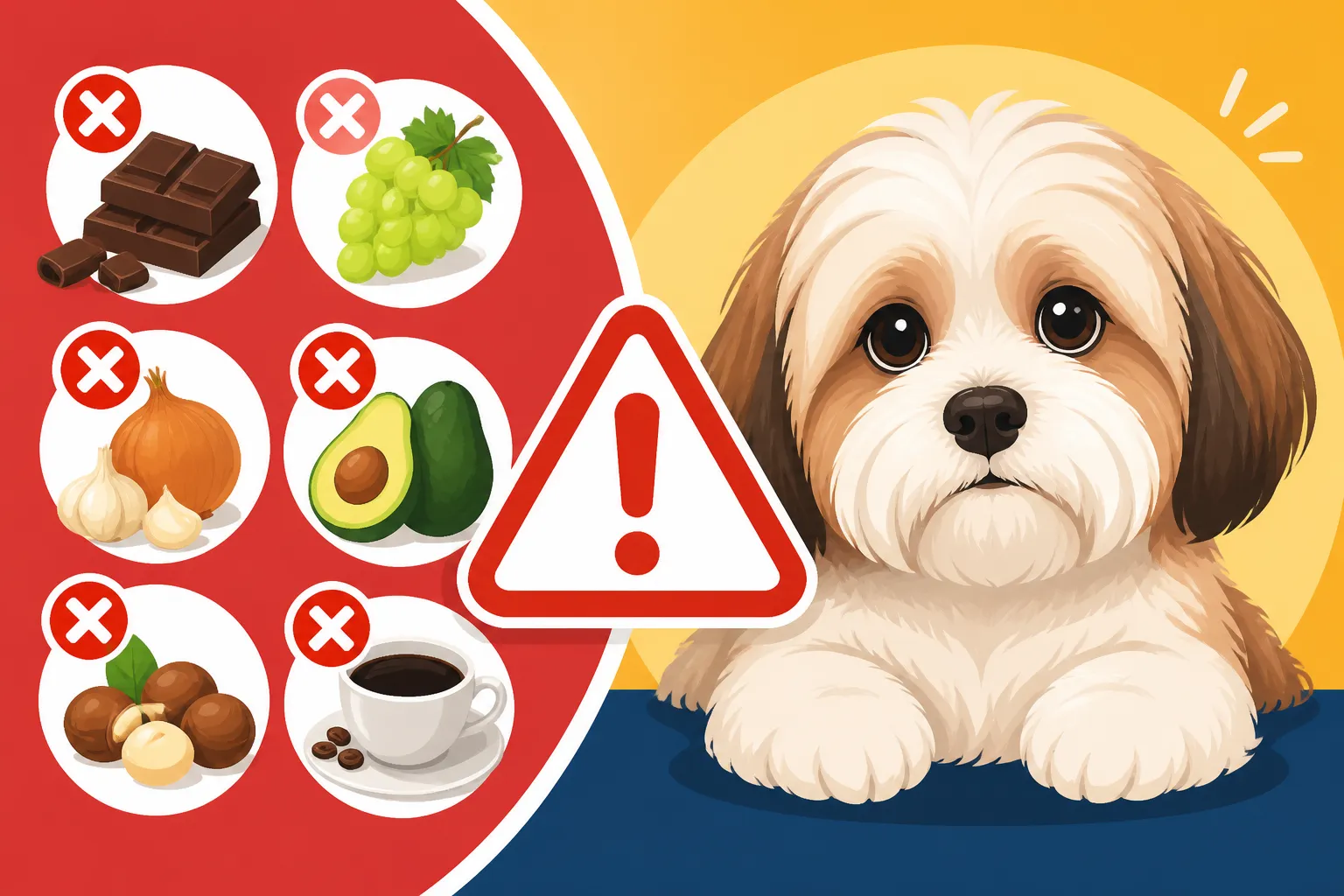
This one is probably the most well-known culprit, and for good reason. Chocolate contains a compound called theobromine, which dogs process much more slowly than humans do. This means it can build up to toxic levels in their system. The darker the chocolate, the higher the concentration of theobromine, making baker's chocolate and dark chocolate particularly dangerous. Even milk chocolate, in sufficient quantities, can cause problems for a small Havanese.
Symptoms of chocolate poisoning can range from vomiting and diarrhea to hyperactivity, tremors, seizures, and even death in severe cases. You might notice your Havanese acting restless or panting excessively. It's a truly upsetting situation to witness. Remember, it's not just solid chocolate; anything containing cocoa, like cocoa powder, chocolate syrup, or chocolate-flavored baked goods, is also off-limits. Similarly, caffeine in coffee, tea, energy drinks, and some medications can cause similar stimulant effects and should be kept far away from your furry friend. A tiny Havanese doesn't need much to be in serious trouble, so always err on the side of caution.
Grapes and Raisins: Small but Mighty Dangers
This one often catches people by surprise because grapes and raisins seem so harmless. However, they can cause acute kidney failure in dogs, and the exact toxic agent is still largely unknown. What makes this even more frustrating is that some dogs can eat them without issue, while others can suffer severe consequences from just a few. Because of this unpredictable toxicity, it's never worth the risk.
Whether fresh grapes or dried raisins, these fruits should be completely avoided. The symptoms can include vomiting, lethargy, diarrhea, decreased appetite, and abdominal pain. Eventually, if not treated, kidney failure can develop. It’s particularly concerning for a small breed like the Havanese, as their smaller body mass means even a tiny amount can have a significant impact. Always be extra careful with fruit salads or snacks left on coffee tables.
Xylitol: The Hidden Sweetener
Xylitol is a sugar substitute found in an alarming number of human products, and it is extremely toxic to dogs. It's commonly found in sugar-free gum, mints, some toothpastes, chewable vitamins, certain peanut butters, and many baked goods marketed as "sugar-free." For dogs, especially small breeds like the Havanese, ingesting xylitol causes a rapid and severe drop in blood sugar (hypoglycemia), which can be life-threatening.
In higher doses, xylitol can also lead to liver failure. Symptoms often appear quickly and include vomiting, weakness, staggering, collapse, and seizures. It's crucial to check labels carefully for xylitol, especially in products like peanut butter which are often given as treats or used to administer medication. Many owners have been caught off guard by this hidden danger, and it’s a terrifying discovery when you realize the potential harm. When you're picking up treats for your Havanese, make sure they're specifically formulated for dogs, or look for trusted brands on Chewy that explicitly state no xylitol.
Onions, Garlic, and Chives: The Allium Family's Bite
These common kitchen aromatics might be staples in our cooking, but they contain compounds that can damage a dog's red blood cells, leading to a condition called hemolytic anemia. This means their body can't carry enough oxygen, and it can be very serious, particularly for smaller breeds. All forms are toxic: raw, cooked, dehydrated, or powdered. So that onion powder in your gravy, or the garlic in your pasta sauce, is just as dangerous as a raw clove.
Symptoms might not appear immediately, sometimes taking a few days to manifest. Look out for lethargy, weakness, pale gums, rapid breathing, vomiting, diarrhea, and dark, reddish urine. If your Havanese is known for scavenging dropped food, be especially diligent when cooking with these ingredients. Even a small amount over time can cause problems, so it's best to keep your Havanese away from any human foods containing members of the allium family.
Kitchen Staples and Garden Growables: Other Risky Items
Beyond the obvious, there are other items lurking in our homes and gardens that can pose a risk to your Havanese.
Avocado: A Question Mark for Canines
Avocado is a tricky one. It contains a fungicidal toxin called persin. While larger doses of persin are known to be toxic to some animals (like birds and horses), its effect on dogs is generally considered milder and not usually life-threatening. However, the pits, skin, and leaves contain higher concentrations of persin and should be strictly avoided. The pit also presents a significant choking hazard or can cause an intestinal obstruction, especially for a small dog like a Havanese.
Some Havanese might experience mild stomach upset if they consume a large amount of the flesh. Given the potential for GI distress and the clear danger of the pit, it's generally best to keep all avocado away from your Havanese. Why take the chance, right? It's just not worth the worry.
Macadamia Nuts: The Mysterious Paralysis Inducer
These delicious nuts can cause a strange and unpleasant reaction in dogs, even in small quantities. The exact toxic mechanism is unknown, but ingestion can lead to weakness, tremors, vomiting, fever, and temporary paralysis of the hind legs. It's a truly baffling and scary experience for owners to see their dog suddenly unable to walk properly.
While macadamia nut poisoning is rarely fatal, it's incredibly uncomfortable for your Havanese and will require veterinary attention. Keep macadamia nuts and any products containing them (like cookies or chocolates that also contain macadamia nuts, making them doubly dangerous!) well out of reach. Remember, Havanese are clever little opportunists, and a forgotten bowl of nuts on a low table is an open invitation.
Yeast Dough: Rising Trouble in the Tummy
If you love baking bread at home, be incredibly careful with raw yeast dough. When ingested by a dog, the warm, moist environment of their stomach acts like an oven, causing the dough to rise and expand. This can lead to severe bloating, abdominal pain, and can even twist their stomach, a life-threatening condition known as gastric dilatation-volvulus (GDV), though less common in small breeds.
Furthermore, as the yeast ferments, it produces alcohol. This can lead to alcohol poisoning, which is very dangerous for dogs. Symptoms include a distended abdomen, vomiting, weakness, disorientation, and depression of the central nervous system. So, while a fresh-baked loaf smells wonderful, keep that raw dough safely out of reach of your The Havanese Is the Only Breed Cuba Ever Produced.
Alcohol: A Very Clear Danger
This might seem obvious, but it's worth reiterating: alcohol is extremely toxic to dogs, and even small amounts can be dangerous, especially for a pint-sized Havanese. Dogs are much more sensitive to the ethanol in alcoholic beverages than humans are. Ingestion can lead to vomiting, diarrhea, tremors, disorientation, difficulty breathing, coma, and even death.
Be mindful of unattended alcoholic drinks at parties, and remember that alcohol can be found in unexpected places, like some raw yeast doughs or certain cleaning products. If your Havanese gets into alcohol, it's an immediate emergency. Always ensure your drinks are out of reach, and if there's a spill, clean it up promptly.
Bones, Pits, and Seeds: Choking Hazards and Toxins
It's natural to think a bone is a dog's treat, but many common items we associate with food can be very harmful in ways beyond simple toxicity.
Cooked Bones: Splinters and Obstructions
Contrary to popular belief, giving your Havanese cooked bones is extremely risky. While raw bones can be safer for some dogs, cooked bones become brittle and can splinter easily. These sharp fragments can cause serious damage, leading to choking, cuts in the mouth or esophagus, or internal punctures of the stomach or intestines. They can also cause obstructions that require emergency surgery.
Even if they don't splinter, large pieces of bone can get lodged in the digestive tract, causing constipation or impaction. It's a situation no Havanese owner wants to face, often resulting in expensive and stressful vet visits. The Dental Work Every Havanese Needs by Six is important, but not with cooked bones! For safe chewing, opt for dental chews or appropriate chew toys from brands like Amazon or Chewy, rather than real bones.
Fruit Pits and Seeds: Cyanide and Choking
Many fruit pits and seeds contain cyanide, which is toxic when ingested in sufficient quantities. While a single apple seed might not harm a larger dog, for a small Havanese, consuming several could be problematic. More importantly, the pits of fruits like cherries, peaches, plums, and apricots pose significant choking hazards or can cause severe gastrointestinal obstruction.
Even if your Havanese doesn't chew them, these hard, smooth pits can get stuck in their digestive tract, requiring emergency surgery. Always remove pits and seeds before offering any fruit to your dog. It's also wise to keep fruit bowls out of reach, as a curious Havanese might be tempted to "help themselves" to a fallen peach.
Here's a quick reference table for some common dangerous foods:
| Food Item | Primary Danger | Common Symptoms |
|---|---|---|
| Chocolate & Caffeine | Theobromine, Caffeine toxicity | Vomiting, diarrhea, restlessness, tremors, seizures, heart issues |
| Grapes & Raisins | Unknown toxin, Kidney failure | Vomiting, lethargy, diarrhea, decreased appetite, abdominal pain, increased thirst |
| Xylitol | Rapid blood sugar drop, Liver failure | Vomiting, weakness, staggering, collapse, seizures |
| Onions, Garlic, Chives | Red blood cell damage (anemia) | Lethargy, weakness, pale gums, rapid breathing, vomiting, dark urine |
| Avocado | Persin (milder for dogs), Choking (pit) | Mild stomach upset, potential obstruction from pit |
| Macadamia Nuts | Unknown toxin, Neurological effects | Weakness, tremors, vomiting, fever, temporary hind limb paralysis |
| Yeast Dough | Gas, Bloating, Alcohol poisoning | Distended abdomen, vomiting, weakness, disorientation |
| Alcohol | Ethanol toxicity | Vomiting, diarrhea, tremors, disorientation, difficulty breathing, coma |
| Cooked Bones | Splintering, Obstruction | Choking, internal cuts, vomiting, lethargy, severe constipation |
| Fruit Pits & Seeds | Cyanide toxicity, Choking, Obstruction | Vomiting, lethargy, abdominal pain (obstruction), respiratory distress (choking) |
What to Do If Your Havanese Eats Something Dangerous
Even with the best precautions, accidents can happen. Knowing what to do in the immediate aftermath can make all the difference for your Havanese.
Immediate Steps and When to Call the Vet
If you suspect your Havanese has ingested something toxic, the absolute first step is to stay calm and contact your veterinarian immediately. Do not wait for symptoms to appear. Time is often of the essence. Have the following information ready:
- What was eaten? Be as specific as possible (e.g., "a Hershey's milk chocolate bar" or "sugar-free gum with xylitol").
- How much was eaten? Estimate the quantity (e.g., "three squares" or "half an onion").
- When was it eaten? Give an approximate time.
- Your Havanese's weight. This is crucial for dosage calculations. What a Havanese Actually Weighs matters a lot in these situations.
Your vet will advise you on whether to induce vomiting, administer activated charcoal, or bring your Havanese in immediately. Never try to induce vomiting without explicit instruction from a veterinarian, as it can sometimes do more harm than good depending on the substance ingested. For example, some corrosive substances should not be vomited up. The vet may need to perform an examination, run blood tests, and provide supportive care such as IV fluids. It's an emergency, and prompt action significantly improves the outcome. Remember, your Havanese relies on you for its safety and well-being.
Prevention is Key: Securing Your Home
The best approach to food safety for your Havanese is proactive prevention. It starts with making your home a safe haven. Think like a curious, small dog: what can they reach? What might fall?
- Counter Surfing & Table Scraps: Havanese are smart and often persistent. Never leave food unattended on countertops or coffee tables, especially when you're out of the room. Teach your Havanese early that begging for table scraps is not acceptable, as it can encourage them to seek out forbidden foods.
- Secure Storage: Keep all potentially toxic foods in sealed containers, locked pantries, or high cabinets. Pet-proof your trash cans with lids that your Havanese can't pry open. Many commercial brands, even those offering fresh food like Ollie, will still have specific human foods that are off-limits, so always check their guidelines too.
- Medication & Supplements: Treat all human medications and supplements (even seemingly harmless ones like vitamins) as dangerous. Store them securely, as many are flavored and appealing to dogs.
- Outdoor Safety: Be mindful of your garden. Some plants are toxic, and wild mushrooms can be lethal. Supervise your Havanese closely when outdoors, or fence off dangerous areas.
- Training and Distraction: Teach your Havanese a strong "leave it" command. This can be a lifesaver if they spot something tempting on the ground. Providing plenty of appropriate chew toys and puzzle feeders can also help redirect their chewing instincts away from dangerous items. You might find a great selection of these on Amazon.
- Communicate with Guests: Inform visitors about the specific foods that are dangerous to your Havanese. Sometimes well-meaning guests might accidentally offer a treat that isn't safe.
By implementing these preventative measures, you drastically reduce the risk of your beloved Havanese encountering dangerous foods. It gives you peace of mind and keeps your lively companion safe and healthy, living their best The Fourteen to Sixteen Years a Havanese Lives with you.
Disclaimer
This article is for general informational purposes only and does not constitute professional advice. Laws, prices and regulations vary by location and change over time. Consult a qualified professional for guidance on your specific situation.