Whether a Havanese Needs a Sweater
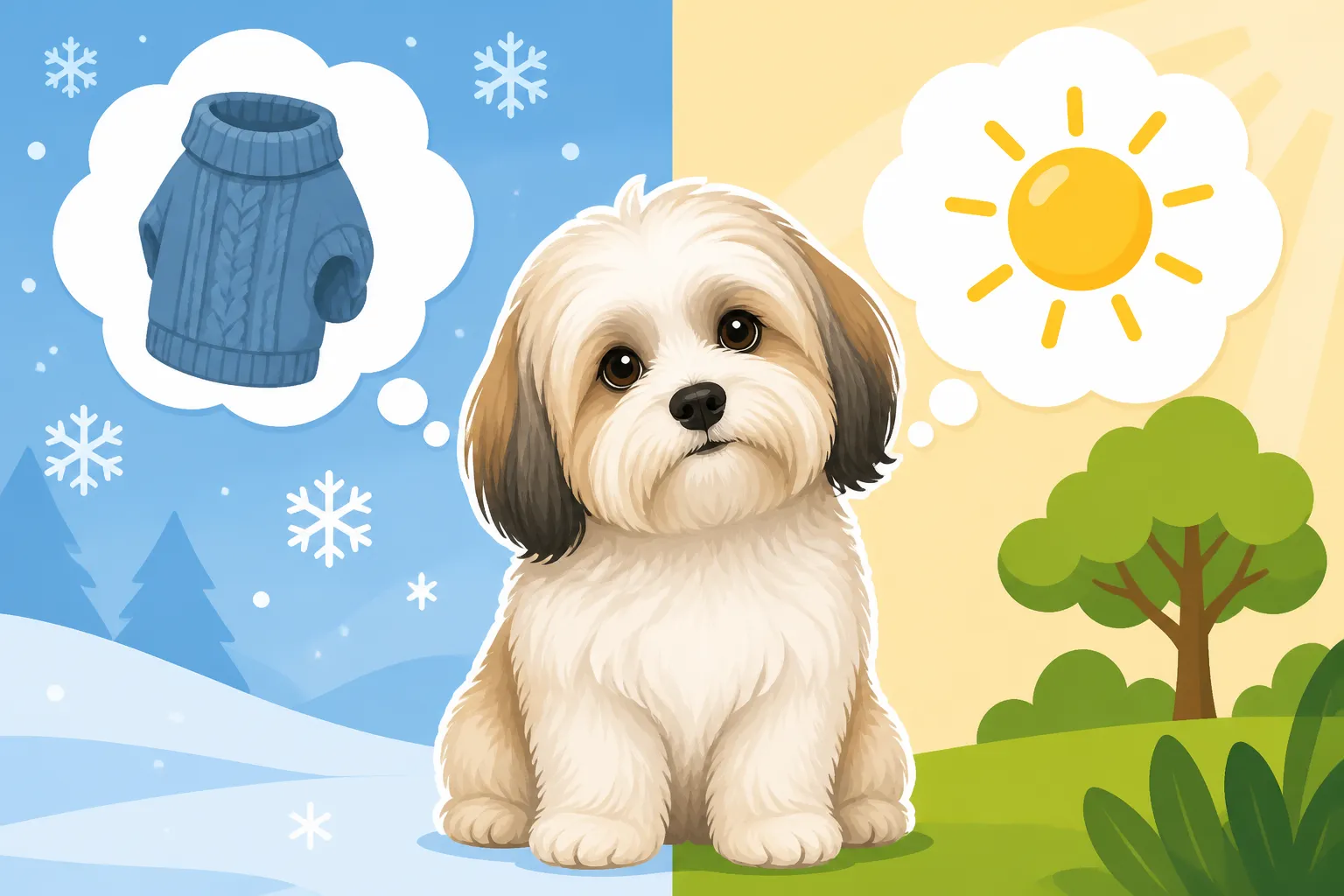
It's completely natural to wonder if your sweet Havanese needs a sweater, especially when the temperatures drop. We see all these adorable little dogs bundled up in cute outfits, and it can leave us feeling a bit guilty if our own furry friend isn't sporting the latest canine fashion. But beyond the undeniable cuteness factor, the real question is about comfort and protection. This guide will help you understand your Havanese's natural defenses and determine when a cozy sweater truly makes a difference for their well-being.
The Havanese Coat: More Than Just Fluff
Before we even think about buying a tiny cable-knit, it's essential to understand the amazing coat your Havanese was born with. It's not just for looks; it's a marvel of natural engineering designed to keep them comfortable in a variety of climates.
The Double-Coated Design
The Havanese possesses a magnificent double coat, a feature that many people often overlook, especially if they keep their pup in a shorter clip. This means they have two distinct layers of fur. There's the longer, silky outer coat that we all admire, which can grow quite long, sometimes even sweeping the floor if left untrimmed. Beneath that, close to the skin, lies a softer, downier undercoat. This combination is what provides their natural insulation.
Think of it like wearing a high-quality thermal base layer under a durable, protective outer shell. The undercoat traps a layer of warm air against their body, acting like a personal insulator, much like down in a winter jacket. The outer coat, especially when it's kept healthy and flowing, provides an additional barrier against wind, rain, and even harsh sunlight. This intricate design evolved to protect them in their native climate, which, while warm, still experiences cooler periods and variable conditions. We talk a lot more about this beautiful feature in The Silky Double Coat a Havanese Grows to the Floor.
Natural Temperature Regulation
Because of this sophisticated double coat, a healthy Havanese typically has a pretty good handle on regulating their own body temperature. The trapped air within their undercoat helps them stay warm when it's cool and can also act as a barrier against excessive heat when it's warm, provided their coat isn't matted and is kept clean. This natural system is incredibly efficient for most day-to-day conditions.
However, the effectiveness of this natural insulation hinges entirely on the health and condition of their coat. If your Havanese's coat is matted, the mats pull tightly on the skin, preventing air from circulating properly and compromising its insulating capabilities. This can actually make them colder in winter and hotter in summer, as the mats trap moisture and heat. Regular, thorough grooming isn't just about looking pretty; it's crucial for their coat to function as intended. Without proper care, their natural defense system can fail them, making them more vulnerable to temperature extremes.
When a Sweater Might Actually Be a Good Idea
While their natural coat is excellent, there are definitely situations where adding a sweater isn't just a fashion statement but a genuine consideration for your Havanese's comfort and health. It's about recognizing when their natural defenses need a little extra help.
Very Cold or Damp Conditions
Even the most robust natural coat has its limits. If you live in an area that experiences truly frigid winters, with temperatures well below freezing, or if there's a biting wind chill, your Havanese might appreciate an extra layer. Think about those days where the air literally hurts your face when you step outside – your pup likely feels something similar. Prolonged exposure to very cold temperatures, especially if coupled with dampness from rain or melting snow, can make even a well-coated Havanese feel the chill.
Consider the duration of their outdoor time. A quick dash out to the yard for a potty break might not warrant a sweater, as their natural coat can handle that short burst of cold. But if you're planning a longer walk around the block, or if your Havanese is spending more than a few minutes outside in genuinely harsh weather, a sweater can provide that much-needed additional warmth. It’s about preventing them from expending too much energy just trying to stay warm, which can lead to discomfort or even health issues. We often discuss how sensitive they can be to the cold in Whether a Havanese Feels the Cold.
After a Haircut or When Clipped Short
This is perhaps the most significant reason a Havanese might genuinely need a sweater. Many Havanese owners, for convenience or preference, choose to keep their dogs in a shorter "puppy cut" or a similar clipped style. While adorable and easier to maintain, removing that long, dense hair also removes a significant portion of their natural insulation. Their magnificent double coat, which usually provides such effective thermoregulation, is substantially reduced.
When your Havanese is clipped short, they lose that protective air-trapping layer. They become much more vulnerable to cold temperatures, wind, and even light dampness. In this scenario, a sweater isn't just optional; it becomes a practical necessity to replace the insulation they no longer have. It helps them retain body heat that would otherwise escape quickly. Think of it this way: you wouldn't head out in a T-shirt in winter, and neither should your recently clipped Havanese! It's why many owners discover that while clipping saves on some grooming, it often means investing in a wardrobe of warm apparel. This is a common consequence explored in posts like Whether a Havanese Should Be Clipped for Summer and What a Puppy Cut Costs on a Havanese.
Older or Health-Compromised Havanese
Just like people, dogs can become more sensitive to cold as they age, or if they're dealing with certain health conditions. An older Havanese might have a thinner coat due to age, less muscle mass, or a reduced ability to shiver effectively to generate heat. Their metabolism might also slow down, making it harder for them to maintain a comfortable body temperature. If your senior Havanese has arthritis, cold weather can exacerbate joint pain, making a cozy sweater even more beneficial for their overall comfort and mobility.
Dogs with specific health issues, such as hypothyroidism, heart conditions, or those recovering from surgery, may also struggle more with temperature regulation. A Havanese dealing with a condition that affects circulation or energy levels will simply not be as resilient to the cold as a healthy, active younger dog. In these cases, a sweater acts as a gentle, non-invasive way to provide consistent warmth and support their body's efforts to stay comfortable, allowing them to conserve energy for healing or simply enjoying their golden years. Discussions on senior care, such as Feeding an Old Havanese That Has Slowed and Grooming an Old Havanese That Cannot Stand Long, often touch on these considerations.
Choosing the Right Sweater for Your Havanese
So, you've decided a sweater might be a good idea for your Havanese. But not all sweaters are created equal! Picking the right one involves more than just selecting a cute color. It's about finding something that is comfortable, functional, and safe for your beloved companion.
Material Matters
When it comes to warmth and comfort, the material of the sweater plays a huge role.
- Wool: Known for its excellent insulating properties, wool can be very warm, even when damp. However, some dogs might find it a bit itchy, and it often requires delicate washing. It's a great choice for truly cold, dry weather, but ensure it's soft enough not to irritate your Havanese's sensitive skin.
- Fleece: This synthetic material is incredibly popular for dog sweaters. It's soft, lightweight, warm, and dries quickly. Fleece is usually very comfortable against the skin and easy to machine wash. It's a fantastic all-around choice for chilly days and indoor wear, but it's not windproof or waterproof.
- Acrylic Blends: Often used in knitted sweaters, acrylic is affordable, comes in a vast array of colors, and is easy to care for. It provides decent warmth and is typically soft. Blends with cotton or other synthetics can offer a good balance of warmth, durability, and comfort.
- Water-Resistant Outer Layers: For very wet or snowy conditions, you might want to look beyond just a sweater to a coat or jacket that has a water-resistant or waterproof outer shell, often with a fleece or insulated lining. This provides crucial protection against moisture, which can quickly lead to a chill. Brands like Chewy and Amazon offer a wide selection across these material types, making it easy to find what you need.
Fit for Comfort and Safety
A sweater, no matter how warm, is only effective and comfortable if it fits correctly. A poorly fitting sweater can be annoying, uncomfortable, or even dangerous for your Havanese.
- Not Too Tight: A sweater shouldn't restrict your dog's movement in any way. It shouldn't be so tight that it pinches under the armpits, across the chest, or around the neck. This can cause chafing, discomfort, and even inhibit circulation. Your Havanese needs to be able to walk, run, and relieve themselves without feeling constricted.
- Not Too Loose: Conversely, a sweater that is too baggy can be a tripping hazard. Your Havanese could step through a leg hole, or the fabric could get caught on furniture or branches outdoors. Loose fabric can also allow cold air to seep in, defeating the purpose of the sweater.
- Measuring is Key: Always measure your Havanese before buying. Key measurements include:
- Neck Girth: Around the widest part of their neck where a collar would sit.
- Chest Girth: Around the deepest part of their chest, just behind the front legs. This is the most crucial measurement for comfort.
- Back Length: From the base of their neck (where their collar sits) to the base of their tail.
Many brands provide sizing charts, and it’s always best to consult them. A well-fitted sweater should allow for a finger or two to comfortably slip under the fabric at the neck and chest.
Practical Features to Look For
Beyond material and fit, consider these practical features to ensure the sweater is truly functional for your daily life:
- Leash Access: If your Havanese wears a harness for walks, look for sweaters or coats with a reinforced opening on the back to attach the leash. This prevents you from having to awkwardly try to fit the harness over the sweater, or put the leash through a non-purpose-built hole.
- Ease of Dressing: Some Havanese tolerate pullover styles, while others do better with sweaters that have Velcro closures, snaps, or zippers, making them easier to put on and take off. Consider your dog's patience and temperament.
- Coverage: Depending on the weather, you might want more or less coverage. Some sweaters cover just the back, while others extend down the legs for extra warmth. For extremely cold or snowy conditions, full-body suits are even available.
- Washability: Dogs get dirty! Choose a sweater that is machine washable and easy to clean, especially if it's going to be worn regularly for outdoor adventures. Brands found on platforms like Chewy and Amazon often specify washing instructions clearly.
| Factor | Consideration | Why it Matters |
|---|---|---|
| Temperature & Wind | Is it below freezing? Is there a strong wind chill? | Even a Havanese's double coat has limits against extreme cold or wind; a sweater provides an extra layer of insulation to prevent chilling. |
| Rain & Snow | Will your Havanese be exposed to wet conditions for more than a quick potty break? | A wet coat loses its insulating properties. A water-resistant jacket or coat is ideal, but even a sweater can offer some buffer against dampness when paired with limited exposure. |
| Grooming Style | Is your Havanese kept in a short "puppy cut" or other clipped style? | When clipped, your Havanese loses a significant portion of its natural insulation, making them much more vulnerable to cold. A sweater effectively replaces this lost layer. |
| Age | Is your Havanese a senior (typically 10+ years)? | Older dogs often have thinner coats, less body fat, and a reduced ability to regulate their body temperature. They can feel the cold more intensely. |
| Health Conditions | Does your Havanese have arthritis, a heart condition, or is recovering from illness/surgery? | Certain health issues can make dogs more susceptible to cold, reduce their mobility, or make them more uncomfortable in chilly weather. A sweater provides consistent warmth and comfort. |
| Activity Level | Is your Havanese primarily sedentary outdoors or do they run and play vigorously? | Less active dogs generate less body heat and will get cold faster. A sweater can help maintain warmth during slower-paced activities or when simply standing around. |
| Breed Sensitivity | While Havanese are generally adaptable, some individuals may be more sensitive to cold than others. | Observe your specific dog for signs of being cold (shivering, reluctance to go out, hunching, trying to burrow). Their behavior is your best indicator. |
| Duration of Exposure | Will your Havanese be outside for a quick minute or a longer walk/outing? | Short bursts of cold are usually fine. Longer periods require more protection, especially if the temperature is low. |
| Home Environment | Is your home drafty or kept at a lower temperature? Does your Havanese sleep on cold floors? | Even indoors, a sweater can be beneficial if your home isn't consistently warm, or if your Havanese is prone to finding chilly spots. Consider cozy beds and blankets too. Beds That Suit an Arthritic Havanese |
Alternatives to Sweaters and Comprehensive Cold Weather Care
While a good sweater can be a valuable tool, it's just one piece of the puzzle when it comes to keeping your Havanese warm and safe in colder weather. A holistic approach to their care will ensure they stay cozy and happy throughout the chilliest months.
Indoor Warmth and Comfort
Before you even think about stepping outside, make sure your Havanese is comfortable and warm inside their own home.
- Cozy Sleeping Spots: Ensure your Havanese has a warm, draft-free place to sleep. This might mean an orthopedic dog bed for older pups, perhaps with raised sides to snuggle into. Many Havanese love to burrow, so providing soft blankets or a covered bed can make a huge difference. Beds That Suit an Arthritic Havanese are especially appreciated by senior dogs.
- Regulated Home Temperatures: While we all like to save on heating bills, ensure your home isn't so cold that your Havanese is constantly shivering or seeking out warm vents. A consistent, comfortable ambient temperature is key, particularly if you have a Havanese that is clipped short or elderly.
- Avoid Cold Floors: Hardwood or tile floors can get very cold. Consider placing rugs or blankets in areas where your Havanese spends a lot of time to provide a warmer surface.
Limiting Outdoor Exposure and Safe Winter Walks
When it comes to outdoor activities, smart planning can keep your Havanese comfortable even without a sweater, or enhance the protection a sweater provides.
- Shorter, More Frequent Walks: In truly frigid temperatures, opt for several shorter walks throughout the day rather than one long one. This minimizes their exposure to extreme cold while still allowing them to get their necessary potty breaks and some fresh air.
- Paw Protection: Winter often brings ice, snow, and de-icing chemicals like road salt. These can be incredibly harsh on your Havanese's delicate paw pads. Consider using dog booties for walks, especially if you're in an urban area with treated sidewalks. If booties aren't an option, a paw balm applied before walks can offer some protection, and always wipe their paws thoroughly with a warm, damp cloth when you return home to remove any irritants. More on this topic can be found in Whether Road Salt Hurts a Havanese's Pads and Whether a Havanese's Paw Hair Needs Trimming.
- Watch for Signs of Cold: Pay close attention to your Havanese's behavior. Are they shivering? Holding up a paw? Hunching their back? Trying to turn back for home? These are all clear signals that they are cold and need to get back inside.
Diet and Hydration
Believe it or not, proper nutrition plays a supporting role in your Havanese's ability to stay warm and healthy.
- Balanced Diet: A well-balanced diet provides the necessary nutrients and energy for your Havanese to maintain their body temperature and overall health. Ensure they are getting high-quality food appropriate for their age and activity level. If you're wondering how much to feed them, articles like Feeding a Havanese That Weighs Twelve Pounds and How Much an Adult Havanese Eats Daily can offer guidance.
- Consistent Hydration: Access to fresh, clean water is crucial year-round. Dehydration can affect a dog's ability to regulate body temperature. Even in cold weather, dogs still need to drink plenty of water.
Ultimately, whether your Havanese needs a sweater is a personal decision based on their individual needs, your climate, and their lifestyle. By understanding their coat and observing their behavior, you can make the best choice to keep your little fluffball cozy and content.
Disclaimer
This article is for general informational purposes only and does not constitute professional advice. Laws, prices and regulations vary by location and change over time. Consult a qualified professional for guidance on your specific situation.