Whether a Havanese Needs Its Muzzle Trimmed Short
That gorgeous, flowing facial hair on your Havanese is undoubtedly part of their charm, but let's be honest, it can also be a magnet for crumbs, water, and all sorts of delightful little messes. Many Havanese parents find themselves constantly wiping their pup's beard and wondering if a strategic trim is the answer to a cleaner, happier dog. This guide will walk you through the ins and outs of Havanese muzzle trimming, helping you decide if it's right for your furry friend and how to do it safely and effectively.
The Havanese Muzzle: More Than Just Cute Fluff
The Havanese is known for its luxurious, silky coat that grows long and flowing, often extending right down their muzzle and blending into a full beard. This isn't just a random fluff; it's a defining characteristic of the breed, giving them that sweet, expressive face we all adore. But what exactly does that long muzzle hair entail, both aesthetically and practically?
Understanding the Havanese Coat on the Face
The Havanese coat is quite unique. Unlike many breeds with shorter facial hair, a Havanese's beard and mustache are meant to grow out, sometimes quite considerably, framing their face beautifully. This hair is part of their double coat, which, while not as dense as some northern breeds, still provides a layer of insulation and protection. The texture should be soft and silky, not coarse or harsh, which contributes to its tendency to tangle and collect debris. When it's clean and well-maintained, it's truly a sight to behold, giving them that endearing, almost whimsical appearance. Many owners love this look and go to great lengths to preserve it, often resorting to intricate grooming routines. You can learn more about the specifics in The Silky Double Coat a Havanese Grows to the Floor.
Natural Length and Aesthetic Considerations
In the show ring, a Havanese's facial hair is typically left long, often secured with a topknot to keep it out of their eyes, allowing their full expressive eyes to shine through. This full-faced look is what many breeders and purists strive for, celebrating the natural beauty of the breed's coat. For pet owners, however, maintaining this length can be a significant undertaking. The long hair can easily get into their food and water bowls, become matted, or collect tear stains around the eyes, even with the best intentions. It's a constant battle between wanting to maintain that classic Havanese elegance and dealing with the everyday realities of a playful, curious dog. The decision to trim or not often comes down to a balance between aesthetic preference and practical daily care.
Reasons Why a Havanese Muzzle Might Need Trimming
While the long, flowing beard is charming, there are several very practical reasons why many Havanese owners opt for a shorter muzzle trim. These reasons often stem from hygiene, comfort, and general ease of care. It's not about making your Havanese less Havanese; it's about making their day-to-day life, and yours, a little bit easier.
Hygiene and Food Particles
Let's face it, a Havanese with a long beard can become a furry mop around the food bowl. Every meal becomes an exercise in trying to keep their beautiful white or cream muzzle hair from becoming a stained, crusty mess. Wet food, in particular, adheres to the long strands, creating a sticky situation that can harden and become uncomfortable if not cleaned immediately. Even kibble can leave crumbs and oils behind. Imagine your pup, after enthusiastically diving into their breakfast, trotting around the house with bits of food clinging to their face. It’s not just unappealing; it can also become a breeding ground for bacteria if not meticulously cleaned after every meal. This constant cleaning can be a real chore.
Beyond food, just plain water can cause issues. A Havanese with a long beard often ends up with a dripping wet face after drinking, soaking furniture and leaving trails of water wherever they go. This constant dampness can lead to skin irritation underneath the hair, and if the water is hard, it can contribute to mineral buildup and staining.
Comfort and Vision Obstruction
Long hair around the muzzle can also be genuinely uncomfortable for your Havanese. Hair that grows directly over their eyes, if not secured in a topknot, can impair their vision, causing them to squint, rub their face, or even bump into things. While this usually concerns the hair above the eyes, the hair on the sides of the muzzle can also interfere with peripheral vision, especially when playing or navigating tight spaces.
Furthermore, long beard hair can occasionally get caught in their mouth when they eat or chew on toys, leading to accidental tugging or even ingestion. It’s not a pleasant experience for them, and it can deter them from enjoying their meals or toys. If your Havanese frequently paws at their face or rubs it against furniture, it might be a sign that the long hair is causing them some irritation or discomfort.
Reducing Tear and Beard Stains
Tear staining is a common bane for many light-colored Havanese. The hair around their eyes can become discolored by tears, leading to reddish or brownish streaks that are difficult to remove. While diet and overall health play a significant role in tear staining, long hair around the eyes and muzzle can exacerbate the problem by holding moisture against the skin. This constant dampness can encourage yeast and bacterial growth, which can worsen the staining and potentially lead to skin issues.
Similarly, the beard hair can easily stain from food, water (especially if it contains minerals), or even just daily grime. Once stained, especially on white or very light-colored Havanese, it can be incredibly challenging to get the hair back to its pristine condition. Many owners find themselves waging a constant battle against these stains, using various products and techniques. Trimming the muzzle short can dramatically reduce the surface area available for staining, making daily cleaning much more manageable and keeping your Havanese looking fresh. For more on keeping their face clean, see Keeping a Havanese's Face Clean and Dry or Whether a Havanese's Beard Stains.
How to Approach Muzzle Trimming for Your Havanese
Deciding to trim your Havanese's muzzle is one thing; actually doing it is another! It requires patience, the right tools, and a gentle hand. Many owners choose a professional groomer for this, especially for the first few times, but with practice, it’s certainly something you can do at home.
Tools You'll Need and How to Prepare
Before you even think about cutting, gather your supplies. You'll need:
- Small, blunt-nosed grooming scissors: Safety is paramount when working near the eyes and mouth. Blunt tips help prevent accidental pokes. You can find good quality sets on Chewy or Amazon.
- A fine-toothed comb: This is crucial for separating hair and ensuring even trimming.
- A slicker brush: For general coat preparation.
- Pet-safe wipes or a damp cloth: To clean any gunk from their face before you start and to wipe away loose hair afterward.
- Treats: Lots of them! Positive reinforcement is key.
- Good lighting: You need to see exactly what you're doing.
- A non-slip surface: A grooming table with a noose or a mat on a sturdy counter can help keep your Havanese steady.
Before you begin, make sure your Havanese is calm and relaxed. A short play session or walk beforehand can help burn off excess energy. Brush their entire coat, paying special attention to any tangles or mats around the muzzle and beard. A matted coat is impossible to trim evenly and safely.
Step-by-Step Muzzle Trimming Guide
Always remember: slow and steady wins the race. You can always trim more, but you can't put hair back!
- Start with a Clean Face: Gently wipe your Havanese's face and beard with a pet-safe wipe or damp cloth to remove any food debris, eye goop, or crusts. This will give you a clear view of the hair and prevent scissors from dragging through dirt.
- Comb It Out: Use your fine-toothed comb to gently comb all the muzzle hair downwards and forwards. This helps to separate the strands and identify the natural fall of the hair.
- Trim Around the Eyes (Carefully!): This is the most delicate part. If your Havanese doesn't wear a topknot, you'll want to trim the hair directly over and between their eyes. Hold the hair up with your comb or fingers, away from the eye itself. Using your blunt-nosed scissors, trim horizontally across the bridge of the nose, cutting only the hair that would fall into their eyes. Be extremely cautious. For the hair under the eyes, comb it straight down and trim it just enough to keep it from dipping into their tear duct area or absorbing tears. Remember, you're aiming for function and comfort here, not a show-dog look. For more guidance, look up Teaching a Havanese to Have Its Face Trimmed.
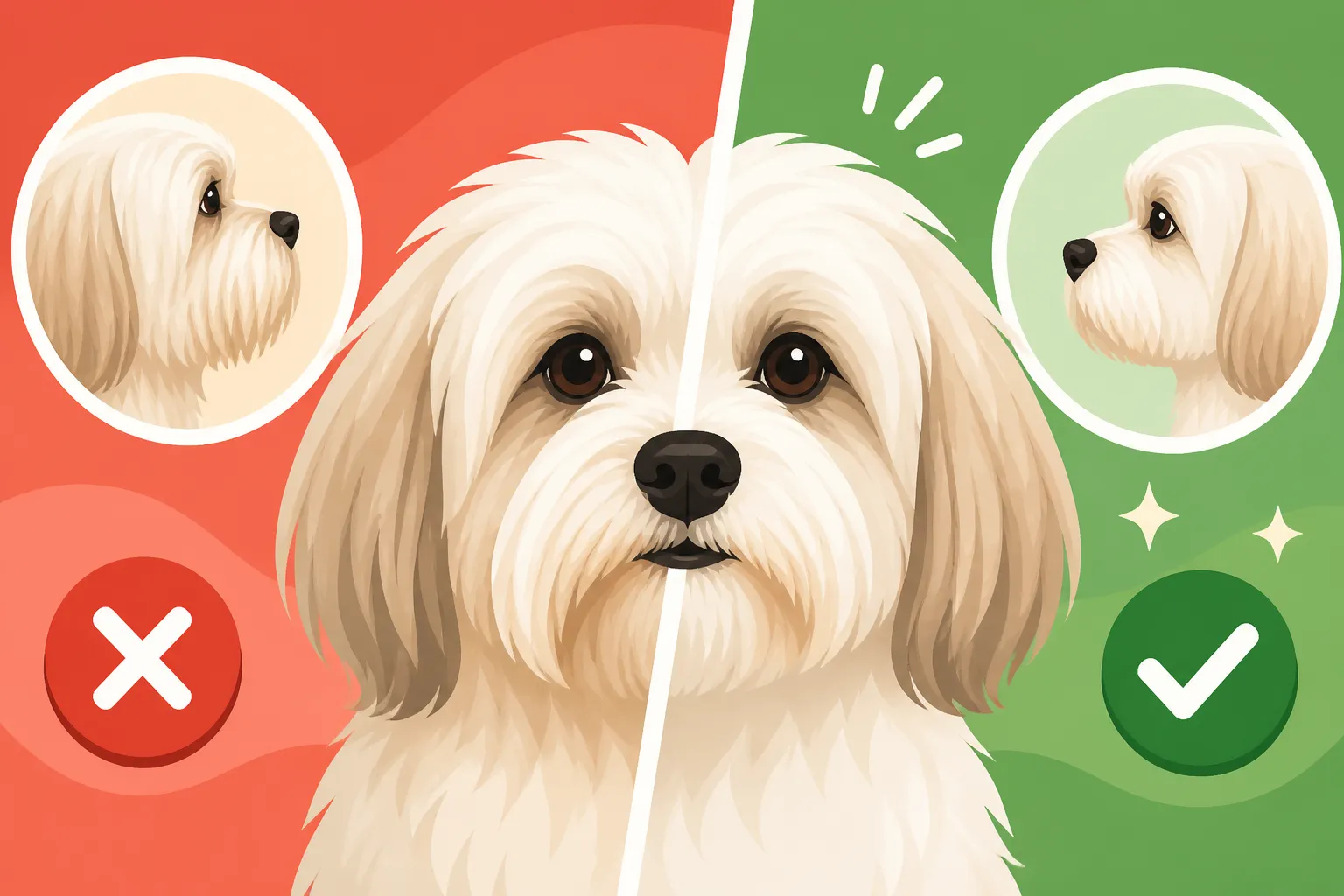
- Shape the Beard and Muzzle: Now for the main event. Comb the beard hair straight down. Decide on a length you're comfortable with. Many owners opt for a "puppy cut" look on the muzzle, which is generally shorter and rounder. You can use your fingers as a guard, holding the hair at the desired length and trimming below your fingers. Work in small sections, trimming just a little at a time. A common technique is to create a rounded shape under the chin and along the jawline, blending it into the chest hair.
- Address the Sides of the Muzzle: Comb the hair on the sides of the muzzle forward and trim any pieces that stick out too far or seem to get in the way. You can gently shape this to create a neater, cleaner line that doesn't interfere with their mouth or vision.
- Check for Symmetry and Blend: Step back and look at your Havanese from all angles. Is one side longer than the other? Are there any choppy bits? Use your comb to fluff the hair and then trim any stray strands to create a smooth, natural-looking blend.
- Reward, Reward, Reward: Throughout the process, offer praise and treats. Make it a positive experience, even if it's a bit awkward at first. Your Havanese will associate grooming with good things, making future sessions much easier.
What to Avoid When Trimming
- Sharp, pointed scissors: These are an accident waiting to happen near delicate eyes and noses.
- Rushing: Never try to trim your Havanese when you're stressed or in a hurry. You're more likely to make a mistake.
- Cutting against the grain: Always comb the hair in the direction it naturally grows and trim with the lay of the coat for a smoother finish.
- Pulling on hair: Be gentle. If you encounter a tangle, use a detangling spray and carefully work it out before trimming.
- Forgetting breaks: If your Havanese gets antsy, take a short break. Let them walk around, have a drink, or just snuggle for a moment before resuming.
- Trying to achieve perfection on the first try: It takes practice. Your goal should be safety and functionality first, aesthetics second.
Alternatives and When to Leave the Muzzle Long
Trimming the muzzle short isn't the only option, and it's certainly not a requirement for every Havanese. Many owners prefer to keep their dog's beard and mustache long, embracing the breed's signature look. There are ways to manage a long muzzle successfully, and certain situations where a trim might not be necessary at all.
Embracing the Natural Look: Maintenance for Longer Muzzles
If you adore the full, flowing beard and want to keep it long, be prepared for a dedicated grooming routine. This means daily attention to prevent mats and stains.
- Daily Brushing and Combing: The key to a long, healthy, and clean muzzle is daily brushing and combing. Use a fine-toothed comb to work through the beard and mustache, gently teasing out any tangles and removing food particles. A good slicker brush will also help keep the entire face free of mats. Which Brush Suits a Havanese can give you more specific advice on tools.
- Regular Washing: The beard will inevitably get dirty. Plan on regular, gentle washing of the facial hair with a tearless pet shampoo. You might even need to do a quick "beard wash" after particularly messy meals. Ensure you rinse thoroughly to prevent skin irritation.
- Drying Thoroughly: After washing, it's crucial to dry the beard completely. Leaving it damp can lead to skin issues and encourage matting. A low-heat dryer or even careful towel drying can work wonders.
- Protective Measures: Some owners use snoods (fabric tubes that cover the ears and beard) during meal times to keep the hair out of the food bowl. Others might use a small elastic band to tie the beard back when eating, similar to a topknot.
- Water Management: Consider using a "water bottle" style dispenser or a narrow, deep water bowl to minimize how much of their beard gets wet when they drink. There are also specific "mess-free" water bowls designed to keep long-eared or long-muzzled dogs drier.
When a Muzzle Trim Might Not Be Necessary
Not every Havanese requires a muzzle trim. If your dog:
- Is a very neat eater and drinker: Some Havanese are naturally daintier and don't make as much mess.
- Has a drier coat type: Some Havanese coats are less prone to soaking up liquids or attracting food.
- Doesn't suffer from tear or beard staining: If stains aren't an issue, then one of the main practical reasons for trimming is removed.
- Gets regular professional grooming: If your groomer is expertly managing the facial hair and keeping it clean and healthy, you might not need to do much at home beyond light maintenance.
- You simply love the long look and are committed to the extra grooming: Many owners are perfectly happy with the added effort because they adore their Havanese's natural, flowing facial hair.
Ultimately, the decision to trim your Havanese's muzzle is a personal one, weighing aesthetics against practicality, hygiene, and your dog's comfort. Whether you keep it long and luxurious or opt for a neat, short trim, the most important thing is that your Havanese is happy, healthy, and well-cared for.
Comparison Table: Long Muzzle vs. Short Trim
Here's a quick look at the pros and cons to help you decide:
| Feature | Long Muzzle (Natural Look) | Short Muzzle (Trimmed) |
|---|---|---|
| Appearance | Classic Havanese look, elegant, flowing | Neat, tidy, "puppy-like," highlights facial features |
| Grooming Time | High daily maintenance, extensive brushing, frequent washes | Moderate maintenance, less prone to tangles |
| Hygiene | Prone to food/water collection, potential staining | Easier to keep clean, less staining |
| Comfort | Can obstruct vision (if not tied), occasional irritation | Clear vision, reduced irritation, no hair in mouth |
| Matting Risk | High, especially during puppy coat change | Low, especially around mouth |
| Professional Grooming | Often requires regular professional attention | Can be managed at home with practice or less frequent pro trims |
| Products Needed | Detangling sprays, specialized shampoos, snoods, bands | Blunt-nosed scissors, comb, pet wipes |
No matter which path you choose, providing your Havanese with the right grooming supplies is crucial. You can often find a great selection of combs, brushes, pet wipes, and even grooming scissors on retailers like Chewy and Amazon. For managing food-related mess, sometimes even the type of food can help – a fresh food option like Ollie, which is typically softer and less crumbly than kibble, might adhere less to a long beard, making cleanup slightly easier.
Remember, a happy Havanese is a well-groomed Havanese, and that means choosing a style that works best for both of you.
Disclaimer
This article is for general informational purposes only and does not constitute professional advice. Laws, prices and regulations vary by location and change over time. Consult a qualified professional for guidance on your specific situation.