Teaching a Havanese to Have Its Face Trimmed
It can feel like a genuine struggle to keep your sweet Havanese’s face looking neat and tidy, especially when it comes to trimming the hair around their expressive eyes and adorable little muzzle. Many of us have experienced the frantic wiggling, the quick head turns, and the sheer frustration of trying to get a straight, safe trim. This comprehensive guide is here to walk you through how to transform those stressful grooming sessions into calm, positive experiences for both you and your furry companion.
Why Getting Their Face Trimmed Can Feel Like a Battle for Havanese Owners
If you've ever tried to trim your Havanese's face and felt like you were wrestling a greased pig, you are absolutely not alone. This isn't just a Havanese quirk; it's a common challenge for many small dog owners. The face, particularly around the eyes, is incredibly sensitive, and a dog's natural instinct is to protect it. Couple that with a Havanese's lively personality and quick reflexes, and you have a recipe for grooming frustration. They don't understand that you're trying to help them see better or prevent painful matting; all they know is that something sharp and unfamiliar is coming close to a very vulnerable part of their body.
The Importance of a Clear Line of Sight
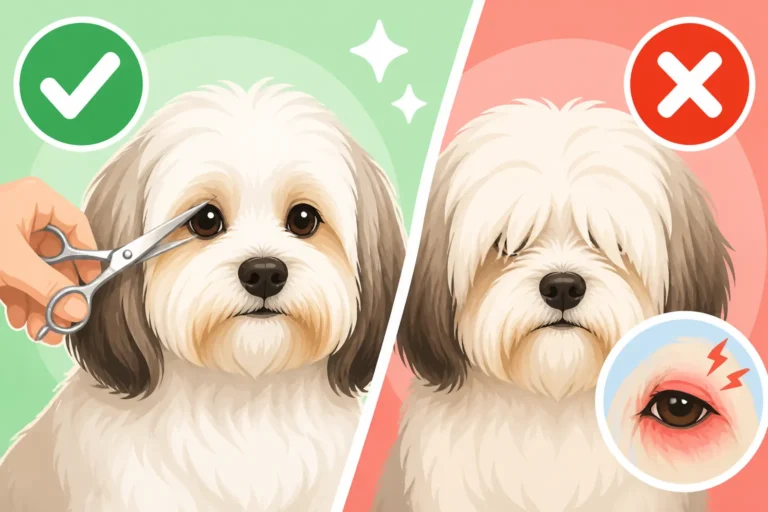
Beyond just looking cute, keeping the hair trimmed around your Havanese’s eyes is fundamentally about their health and comfort. Imagine trying to navigate the world with a curtain constantly falling over your eyes; that's what excessive facial hair can be like for our pups. It can obstruct their vision, making them hesitant or clumsy, which no one wants for their playful companion. A clear line of sight allows them to see clearly, play safely, and avoid bumping into things, particularly as they age or if their eyesight naturally diminishes.
Moreover, hair growing into their eyes can be incredibly irritating. It's not just a stray strand here or there; the constant brushing of hair against the delicate eye surface can lead to chronic irritation, redness, and even minor abrasions. This discomfort can affect their overall mood and willingness to engage, turning a normally happy-go-lucky Havanese into a somewhat grumpy one. A good, regular trim ensures their vision is unobstructed and their eyes are free from constant irritation. Many owners find The Puppy Cut Most Havanese Owners End Up Choosing helps keep this area manageable.
Preventing Health Issues and Irritation
The face of a Havanese, with its flowing locks, is unfortunately a prime spot for tear staining and skin irritation. The hair around their eyes and muzzle can act like a wick, drawing moisture from tears and saliva, which then creates a damp environment where bacteria and yeast can thrive. This often leads to unsightly reddish-brown tear stains, but more importantly, it can cause uncomfortable skin inflammation, infections, and even an unpleasant odor.
Regular trimming helps keep this area dry and clean, preventing those moisture-related problems. By removing the excess hair, you eliminate the perfect breeding ground for bacteria and yeast, reducing the chances of skin infections or chronic irritation under their eyes and around their mouth. It also makes it much easier for you to perform daily cleaning, which is essential for managing tear stains and overall facial hygiene. Think of it as preventative healthcare that keeps your Havanese not just looking good, but feeling good, too.
Understanding Your Havanese's Unique Grooming Needs and Fears
Havanese are intelligent, sensitive little dogs, and their past experiences, or even just their breed's inherent caution, can really impact how they react to grooming. They thrive on routine and positive reinforcement, but they're also quick to remember negative experiences. If a face trim has ever been rushed, uncomfortable, or scary, they will absolutely remember it and resist with all their might the next time. It's not about being stubborn; it's often about genuine fear or discomfort.
Reading Your Dog's Body Language During Grooming
Learning to read your Havanese’s body language is probably one of the most important skills you can develop as a groomer, whether you do it yourself or just take them to a professional. Long before they start wiggling or snapping, your Havanese will give you subtle signals that they’re feeling uneasy. These might include lip licking, yawning (when not tired), turning their head away, tensing their body, lowering their head, or even a slight tremor. If you see their eyes getting wider, showing the whites (whale eye), or their ears flattening back, these are stronger signs of stress.
Ignoring these early signals can escalate their anxiety, leading to more dramatic resistance like growling, struggling, or even snapping. It’s crucial to pause, reassure them, and perhaps even end the session if they’re truly distressed. Pushing through their fear will only reinforce their negative association with facial grooming. Instead, respect their boundaries and break down the process into smaller, more tolerable steps. Paying attention to these cues helps build trust, letting them know you're listening and won't intentionally hurt them, and can prevent them from Whether a Havanese Fights a Brush.
Building Positive Associations Early On
The key to a successful grooming journey, especially for facial trims, lies in starting early and making every experience overwhelmingly positive. For puppies, this means gentle touches around their face and eyes, pairing each touch with a delicious, high-value treat or praise. You’re essentially telling them: "This touch is wonderful, and good things happen when I handle your face!" Don’t even introduce tools until they are comfortable with hands.
For adult Havanese who might already have a negative association, it’s a slower process of desensitization and counter-conditioning. Start with just touching their face for a second, then immediately rewarding them. Gradually increase the duration and intensity of the touch, always staying below their threshold for stress. The goal is to change their emotional response from fear to anticipation of something good. Think of it as a game where they earn treats for being calm. This foundational work is critical, much like Getting a Havanese Used to Brushing as a Puppy.
Gathering Your Grooming Arsenal: Tools for Success
Before you even think about bringing scissors near your Havanese's face, you need to be prepared. Having the right tools isn't just about efficiency; it's about safety, comfort, and minimizing stress for both of you. Cheap, dull tools can pull hair, cause pain, and make the experience far worse, reinforcing any negative feelings your dog might have. Investing in good quality equipment is an investment in your dog's long-term grooming cooperation.
Safety First: Choosing the Right Scissors and Combs
When it comes to facial grooming, safety is paramount. You should always use blunt-nosed scissors, often called "ball-tip" or "safety scissors." These are designed with rounded tips to prevent accidental pokes or cuts if your Havanese makes a sudden move. They might not be as sharp as professional straight shears, but the safety aspect far outweighs any minor inconvenience. Look for a pair that feels comfortable in your hand and has a smooth cutting action. Brands available on platforms like Amazon offer a good variety of options.
Alongside your safety scissors, a fine-toothed metal comb is indispensable. This comb allows you to carefully separate the hair, check for tangles, and hold the hair taut for a clean, precise cut. Never cut dry, matted hair; always comb it out first. A good quality comb will glide through the hair without snagging. Having a slicker brush and a pin brush handy for general coat care before focusing on the face is also a good idea. Remember, the goal is to gently prepare the area, not yank or pull.
Creating a Calm Grooming Environment
The environment where you groom your Havanese can make all the difference. Choose a quiet space away from distractions, like ringing phones, noisy children, or other pets. A non-slip surface is essential; a grooming table with a non-slip mat or even a bath mat on a counter can provide stability, preventing slips that could spook your dog. Many grooming tables also come with a grooming arm and loop, which can gently secure your Havanese, helping to keep them still without causing discomfort or fear. This isn't about restraint in a negative sense, but rather about creating a secure boundary that helps them understand the expectation to stand still.
Ensure the lighting is excellent so you can clearly see the hair you're working with. Have all your tools laid out and within easy reach before you even bring your Havanese into the space. A calm, prepared atmosphere communicates to your dog that everything is under control and reduces the likelihood of sudden movements or startled reactions. Consider playing soft, calming music or using a pheromone spray designed to reduce anxiety.
A Step-by-Step Guide to Desensitization and Training
Desensitization and training aren't just for tricks; they're the bedrock of stress-free grooming. This isn't a one-and-done process but an ongoing journey that builds trust and positive associations over time. Remember, patience is your most important tool, even more than your scissors!
Starting With Puppy Basics and Gentle Touches
The earlier you start, the easier this process will be. For puppies, begin by simply touching their face, especially around their eyes and muzzle, for just a second or two, then immediately follow with a tiny, delicious treat and verbal praise ("Good boy!" or "Good girl!"). Repeat this many times a day, gradually increasing the duration of the touch. The key is to keep these sessions extremely short and sweet – no longer than a minute or two – and always end on a positive note, even if it means doing just one successful touch.
As they become more comfortable with your hands, introduce a soft, damp cloth to gently wipe their face, mimicking the cleaning motion. Again, pair this with treats and praise. The goal is to make any handling of their face a routine, pleasant experience. Consistency is crucial; a few seconds of positive interaction multiple times a day is far more effective than one long, stressful session once a week. This foundational work helps set them up for successful Teaching a Havanese to Lie Still for Grooming.
Introducing Tools and Short, Positive Sessions
Once your Havanese is completely comfortable with you handling their face, it’s time to slowly introduce the grooming tools. Start by simply letting them sniff the closed scissors and comb, then give a treat. Next, place the closed scissors gently against their face, holding them there for a second, then treat. You're teaching them that the tool itself isn't scary. Slowly progress to opening and closing the scissors away from their face so they get used to the sound, followed by a treat.
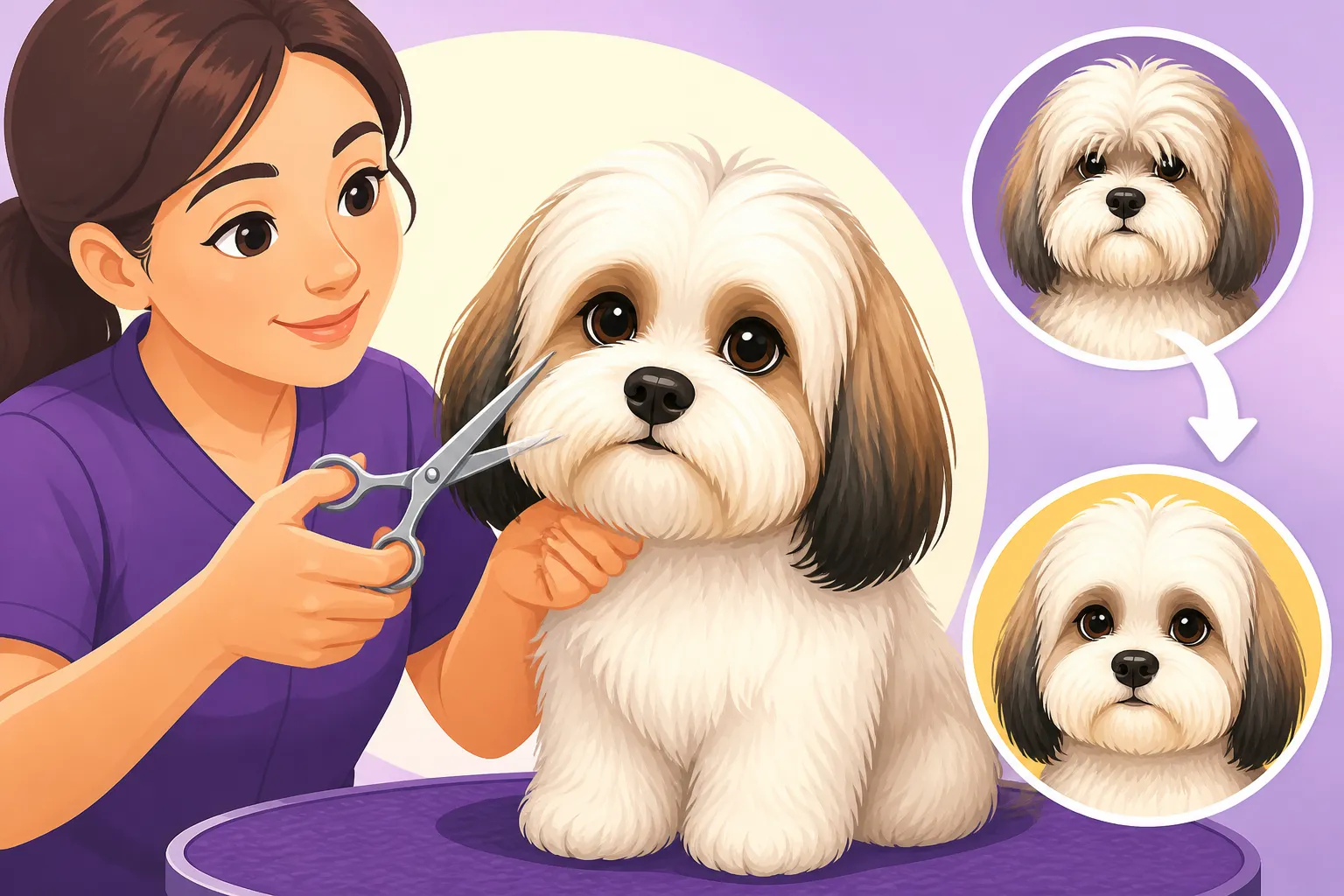
When you're ready to make your first tiny trim, make it count. Hold the hair still between your fingers (this provides a safety barrier and helps you control the amount of hair), make one small snip with your blunt-nosed scissors, and immediately praise and give a high-value treat. Literally one snip, then reward. If they tolerate that, do another snip. Keep sessions incredibly short – maybe just 3-4 snips in total – and always end before they show signs of stress. Over time, you can gradually increase the number of snips. This patient approach is endorsed by many online dog training resources, including comprehensive programs like those offered by BAXTER & Bella, which emphasize gradual desensitization. Using a fine comb to lift the hair around the eyes before snipping, especially where it might get in the eye, is a good technique. You'll find this a major aid in Whether Hair Should Be Kept Out of a Havanese's Eyes.
Troubleshooting Common Facial Grooming Challenges
Even with the best intentions and the most patient approach, you're bound to run into some bumps on the grooming road. Havanese are individuals, and some will be more resistant than others. The trick is to understand why they're reacting the way they are and adjust your strategy accordingly, rather than giving up entirely.
Dealing With Wiggling, Biting, and Fear
Wiggling, head-shaking, and attempts to bite are all signs that your Havanese is uncomfortable, fearful, or simply doesn't want to cooperate. If your dog is wiggling excessively, first check your setup. Is the surface stable? Is the grooming loop (if using one) adjusted correctly and comfortably? Are you holding the hair gently but firmly? Sometimes, a very secure grip on the muzzle (not painful, just firm) can help prevent head turns, but only do this if your dog tolerates it without panic.
For biting, never punish it. A bite or snap is a strong signal that they are truly distressed and feel trapped. If your Havanese is biting, you've gone too far, too fast. Immediately stop the session, reassess, and scale back your expectations. You might need to go back to just touching their face and giving treats, or even consulting with a professional trainer or groomer who specializes in fearful dogs. They might have strategies or suggest tools you haven't considered, or help you understand if your Havanese needs Whether a Havanese Needs Sedation for Grooming for truly traumatic situations. Remember, a Havanese often learns quickly what they can get away with, so consistency in your approach to gentle handling is paramount.
Addressing Tear Stains and Beard Matting
Tear stains and matted beards are incredibly common challenges with Havanese. Tear stains, those reddish-brown streaks under the eyes, are often caused by excessive tearing, yeast, or bacteria. While trimming the hair helps keep the area dry, it won't always eliminate the staining entirely. For daily maintenance, you'll want to use a soft, damp cloth or a specialized tear stain wipe to clean the area multiple times a day. Some owners find that specific diet changes or filtered water can help reduce staining, but consistency in cleaning is key. This is a big part of Cleaning the Tear Marks Under a Havanese's Eyes.
Beard matting, on the other hand, is usually a result of food and water getting caught in the hair, which then dries and forms stubborn tangles. This can be prevented by regularly wiping your Havanese's beard after every meal and drink. A stainless steel bowl can sometimes help, as plastic bowls can harbor bacteria that contribute to staining and matting. A small comb, specifically for the beard area, used daily, can prevent these mats from forming. If a mat does develop, try to work it out gently with your fingers and a detangling spray before resorting to scissors, as cutting too close to the skin on a matted beard can be dangerous.
Maintaining Your Havanese's Face Between Professional Grooms
Regular professional grooming is fantastic for your Havanese, but the work doesn't stop the moment they walk out the salon door. Facial care, in particular, requires consistent attention at home to prevent problems from escalating between appointments. Think of it as dental hygiene for their face – little and often prevents big issues.
Daily Face Care Rituals
Establishing a daily face care routine is the best defense against tear stains, mats, and irritated eyes. Every morning, take a few moments to gently wipe around your Havanese’s eyes with a damp cloth or a dedicated eye wipe to remove any discharge or crust. Pay special attention to the corners of their eyes where gunk tends to accumulate. This simple act not only keeps them looking fresh but also prevents bacteria from building up.
For their beard, make it a habit to quickly comb through it after meals and definitely after they drink. Food particles and water can cling to the hair, and if left to dry, they become an ideal environment for mats to form. A small, fine-toothed metal comb is perfect for this. If you notice any staining, gently clean the area with a pet-safe tear stain remover or a diluted solution recommended by your vet. These daily rituals, brief as they are, make a world of difference in keeping your Havanese's face comfortable and clean. This is exactly what we discuss in Keeping a Havanese's Face Clean and Dry.
Knowing When to Seek Professional Help
While home grooming is essential, there are times when it’s best to call in the professionals. If your Havanese is extremely fearful or aggressive during face trims, risking injury to either of you, a professional groomer can often handle the situation more safely and efficiently. They have specialized training, tools, and techniques to manage difficult dogs, sometimes even resorting to a muzzle or specialized calming techniques if absolutely necessary. Don't feel guilty about this; their safety and well-being are what truly matter.
Additionally, if you notice persistent eye irritation, excessive tearing, or any signs of infection (redness, swelling, discharge), it’s time for a vet visit. These issues might indicate an underlying health problem that grooming alone cannot fix. For complex matting around the face that you can't safely remove, a professional groomer can shave it off without causing pain or skin damage. They can also advise on the best clip for your Havanese, whether you want a practical The Puppy Cut Most Havanese Owners End Up Choosing or are considering something like Whether a Havanese Needs a Topknot and how to maintain it. Building a good relationship with a trusted professional groomer and your veterinarian is invaluable for your Havanese's overall health and happiness.
| Aspect | Home Facial Trimming | Professional Grooming (Facial) |
|---|---|---|
| Tools | Blunt-nosed safety scissors, fine-toothed comb, treats | Professional shears, clippers, various combs, grooming table, force dryer |
| Environment | Quiet, familiar space, non-slip surface, good lighting | Dedicated grooming salon, specialized equipment, trained staff |
| Technique | Gentle snips, focus on safety, short sessions | Precise cuts, often faster, can handle intricate styles |
| Cost | Initial tool investment, ongoing treats | Regular service fee (varies based on frequency and services) |
| Time Commitment | Daily/weekly short sessions | Bi-weekly to monthly appointments |
| Skill Required | Patience, steady hand, understanding dog behavior | Expert knowledge of breed standards, dog handling, safety protocols |
| Benefits | Builds bond, control over frequency, immediate cleanup | Expertise, safety, thoroughness, specific styling |
| Challenges | Dog resistance, risk of injury, missed spots | Dog may be stressed, cost, scheduling conflicts |
Disclaimer
This article is for general informational purposes only and does not constitute professional advice. Laws, prices and regulations vary by location and change over time. Consult a qualified professional for guidance on your specific situation.