Whether Hair Should Be Kept Out of a Havanese’s Eyes
It’s a tale as old as time for Havanese owners: you bring home this adorable, fluffy bundle of joy, and before you know it, their beautiful, flowing hair is constantly creeping into their eyes. It’s not just a minor annoyance; it can lead to constant irritation, tear staining that seems impossible to conquer, and even more serious health concerns if not managed properly. This guide is here to walk you through exactly why keeping that hair out of your Havanese’s eyes is so crucial, and all the practical, real-world ways you can achieve it without causing your precious pup any distress.
Why Havanese Eye Hair is a Constant Concern
That luxurious, silky Havanese coat is one of their most defining features, isn't it? But around their sweet little faces, it quickly becomes a double-edged sword. Unlike some breeds with shorter facial hair, the Havanese boasts flowing locks that can easily become a constant source of trouble if left unchecked. It's not just about aesthetics; there are genuine health and comfort reasons to stay on top of it.
Irritation and Discomfort for Your Pup
Imagine having a stray hair constantly poking you in the eye. Annoying, right? Now, imagine that all the time. For your Havanese, long hair around their eyes isn't just a slight bother; it's a persistent irritant. This constant poking can lead to redness, excessive blinking, and even rubbing at their face with their paws, which can make things even worse by introducing dirt or bacteria. Sometimes, if the irritation is severe enough, it can even scratch the delicate surface of the cornea, leading to pain and requiring veterinary attention. Our little companions are so stoic sometimes, they might not complain loudly, but you'll notice the subtle signs of discomfort. It’s part of why knowing What a Havanese Needs Every Day includes eye care.
The Problem of Tear Staining and Infections
This is a classic Havanese owner struggle, isn't it? Those reddish-brown streaks under their eyes. While some tear staining can be genetic, a significant culprit is often the hair itself. When hair perpetually sits in or near the eye, it acts like a wick, drawing tears away from the eye and keeping the surrounding fur constantly damp. This moist environment is, unfortunately, a perfect breeding ground for yeast and bacteria. These microorganisms are what cause the unsightly red-brown discoloration. Beyond the cosmetic issue, unchecked bacterial growth can lead to actual eye infections, which are painful for your dog and require medication. It’s a vicious cycle that starts with a seemingly innocent strand of hair. If you're struggling with this, you might find some relief in Cleaning the Tear Marks Under a Havanese's Eyes.
Obstructed Vision and Safety Hazards
Think about how much we rely on our sight. Our dogs do too! When a Havanese has a curtain of hair hanging over their eyes, it can seriously obstruct their vision. This isn't just a minor inconvenience; it can impact their ability to navigate their environment safely, play with toys, or even see treats coming their way. Imagine them running around, potentially bumping into furniture or missing a step because their view is blocked. It can diminish their quality of life and even pose safety risks, especially if they can't clearly see an obstacle in their path. Ensuring they have a clear line of sight helps them feel more confident and secure in their surroundings.
Practical Methods for Managing Eye Hair
So, you understand the "why." Now let's dive into the "how." There are several tried-and-true methods for keeping that unruly Havanese eye hair in check, each with its own merits and considerations. The best approach often depends on your lifestyle, your Havanese's temperament, and your comfort level with grooming.
The Classic Havanese Topknot
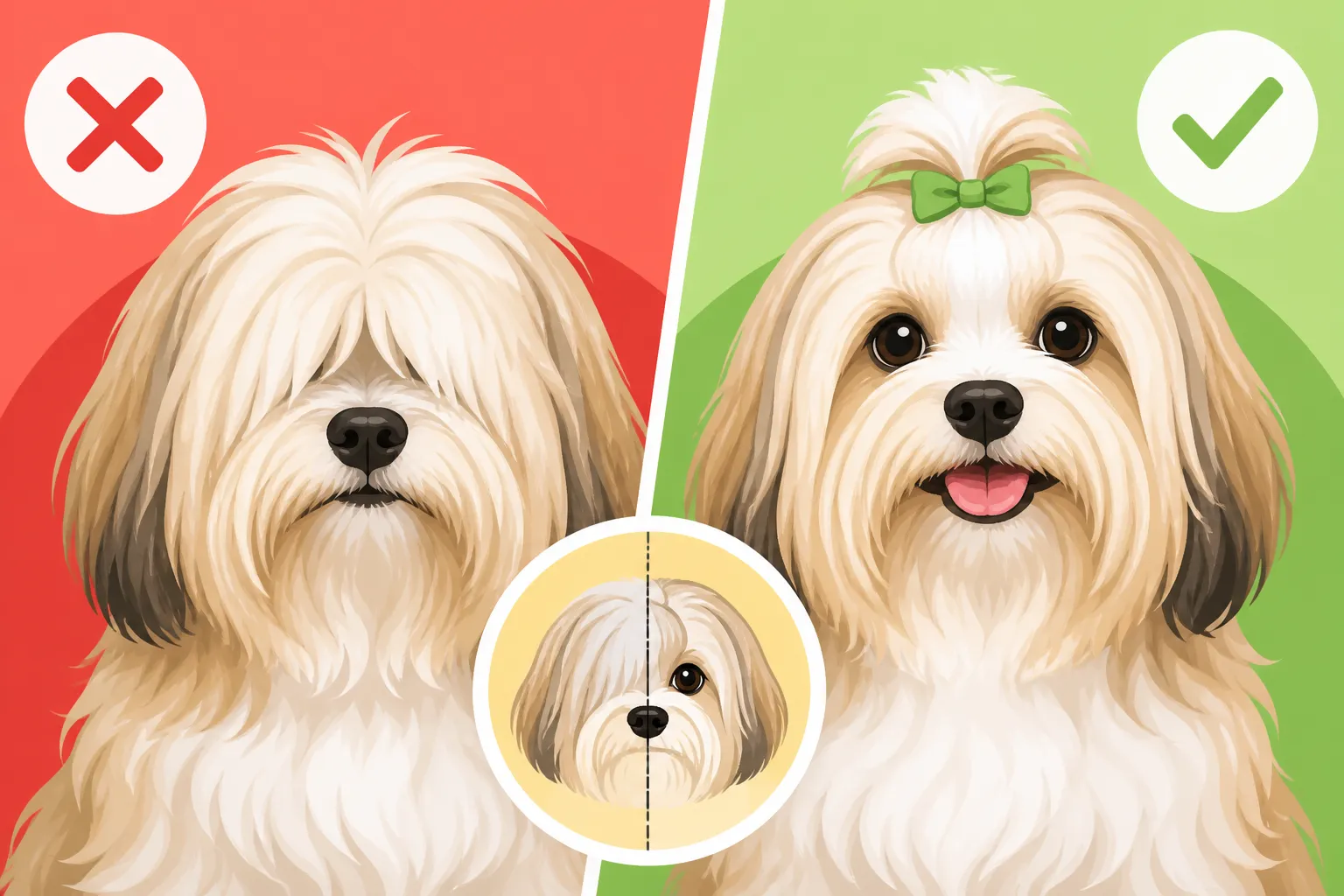
Ah, the topknot! It's not just for show dogs; it's a highly functional solution that many Havanese owners embrace. A properly done topknot gathers all that long hair from above the eyes and secures it neatly on top of the head, effectively pulling it out of the way. It gives your Havanese a charming, aristocratic look while serving a very practical purpose.
To create a topknot, you’ll want to use soft, coated elastic bands (the tiny latex ones can break hair or pull too tightly). Gently gather all the hair that falls into or around your Havanese's eyes, pulling it up towards the crown of their head. Secure it snugly but not too tightly to avoid discomfort or skin irritation. It might take a few tries to get it right, and your pup might bat at it at first, but with patience and positive reinforcement, most Havanese get used to their daily "updo." The key is consistency – a topknot needs to be redone daily, or at least every other day, to prevent matting at the base and to ensure the hair stays out of their eyes. If you want to know more about this style, read Whether a Havanese Needs a Topknot.
Safe Trimming Techniques for Around the Eyes
For those who find the topknot too fiddly or whose Havanese simply refuses to tolerate it, careful trimming is an excellent alternative. This method involves carefully clipping or cutting the hair around the eyes to a shorter, more manageable length. However, this is a delicate operation that requires a steady hand and absolute focus, as the eyes are incredibly vulnerable.
Always use blunt-nosed scissors designed for pet grooming. Never use sharp-pointed scissors near your dog's eyes. Good lighting is essential, and it's helpful if your Havanese is calm and still, perhaps after a good walk or while resting in your lap. Hold their head gently but firmly, and use your free hand to carefully separate the hair from the eye itself. Make small, conservative snips, trimming away from the eye, not towards it. You're aiming to create a clean line that keeps the hair short enough to stay clear of the eyeball. Remember, you can always trim a little more if needed, but you can't put hair back! For broader grooming tips, check out Teaching a Havanese to Have Its Face Trimmed.
Professional Grooming vs. DIY Home Trimming
This is often the big question: do you tackle this sensitive task yourself or leave it to the pros? Both have their advantages.
Professional Grooming: A professional groomer is highly skilled and experienced with handling delicate areas like a Havanese's face. They have the right tools, knowledge, and techniques to safely and efficiently trim the hair around your dog's eyes, often as part of a full-service groom. They can achieve a neat, clean look that might be difficult for a novice to replicate. Opting for a professional ensures safety and a stress-free experience for both you and your Havanese. It also saves you the worry of accidentally injuring your dog. You can discuss specific styles like a puppy cut, which keeps facial hair shorter. Find out more about What a Full Havanese Groom Costs.
DIY Home Trimming: If you're confident and patient, trimming at home can be a cost-effective solution between professional appointments or if you prefer to be hands-on with your dog's care. However, it comes with risks. As mentioned, extreme caution is paramount. It’s also crucial to get your Havanese used to the process from a young age. Regular, short sessions with positive reinforcement can make them more tolerant. If you choose this route, invest in good quality blunt-nosed scissors specifically for pets, which you can often find on Amazon or Chewy. Always prioritize safety over perfection. Considering How Long Home Grooming a Havanese Takes might give you perspective.
| Method | Pros | Cons | Ideal Scenario |
|---|---|---|---|
| Topknot | Completely clears hair from eyes, traditional look | Needs daily re-doing, can pull hair if not done right | Owner enjoys daily grooming, dog tolerates hair accessories |
| DIY Trimming | Cost-effective, convenient, maintains desired length | High risk of injury if unsteady, requires patience and good tools | Owner confident with scissors, dog is calm and cooperative |
| Professional Grooming Trim | Safe, precise, professional finish, minimizes owner stress | Requires regular appointments, cost associated | Owner prefers expert handling, dog needs consistent neatness |
Beyond Trimming: Comprehensive Eye Care
Managing the hair around your Havanese's eyes is a huge step, but it's part of a broader picture of overall eye health. A holistic approach will keep those beautiful, expressive eyes sparkling and healthy for years to come.
Establishing Daily Cleaning Routines
Even with trimming or topknots, your Havanese's eyes will still produce tears, and some dust or debris might accumulate. Establishing a simple daily cleaning routine can make a world of difference in preventing tear stains and minor irritations.
Every day, take a soft, clean, damp cloth (or a specialized pet eye wipe you can find on Chewy) and gently wipe the area around your Havanese's eyes. Be careful not to touch the eyeball itself. The goal is to remove any accumulated tear residue, dirt, or discharge before it has a chance to dry and cause staining or irritation. Many owners use a cotton ball dampened with sterile saline solution (the same kind used for human contact lenses, but without any added chemicals or preservatives). It's incredibly important to keep the area as dry as possible to prevent yeast and bacterial growth. If you notice persistent discharge or redness, it's always best to consult your vet, as it could indicate an underlying issue like Whether a Havanese Gets Dry Eye or another infection.
Dietary Considerations and Eye Health
You might be surprised to learn that what goes into your Havanese's food bowl can sometimes impact their eye health and tear staining. While diet isn't a magic bullet for all tear stain issues, a high-quality, balanced diet can certainly contribute to overall health, which includes healthy eyes.
Some theories suggest that certain ingredients or additives in lower-quality foods can contribute to excessive tearing or exacerbate tear staining. Look for dog foods with wholesome ingredients, clear protein sources, and no artificial colors, flavors, or fillers. Some owners find success switching to fresh food diets, like those offered by Ollie, or limited-ingredient diets, believing they reduce inflammatory responses that might affect tear production. Always introduce new foods gradually to avoid upsetting your dog's stomach. While there's no guaranteed "tear stain cure" through diet alone, providing optimal nutrition supports your Havanese's immune system and overall well-being, which is always beneficial.
The Importance of Regular Veterinary Check-ups
Even with diligent home care, professional veterinary oversight is indispensable for your Havanese's eye health. Your veterinarian is trained to spot subtle signs of problems that you might miss and can diagnose underlying conditions that contribute to eye issues.
During your Havanese's annual check-up, your vet will typically examine their eyes, looking for any signs of redness, cloudiness, discharge, or structural abnormalities. They can check for corneal scratches, early signs of cataracts, or other conditions specific to the breed. If your Havanese experiences persistent eye irritation, excessive tearing, or changes in vision, a dedicated veterinary visit is crucial. Don't self-diagnose or try to treat serious eye issues at home. Early detection and treatment of eye problems can prevent discomfort, preserve vision, and save you worry (and potentially higher vet bills) down the line. It's why Whether a Havanese Needs a Yearly Eye Exam is a recommendation often made by reputable vets and breeders.
Choosing the Right Tools and Products
Having the correct tools and products for Havanese eye care isn't just about convenience; it's about efficacy and safety. Using the right equipment can make the process smoother for both you and your dog, turning a potentially stressful task into a manageable routine.
Essential Brushes and Combs for Facial Hair
Before any trimming or tying, a good brush and comb are your best friends. The fine, silky texture of Havanese hair can tangle easily, especially around the eyes where it's often damp.
- Fine-toothed metal comb: This is invaluable for gently untangling any small knots and separating the hair that falls over the eyes. It allows you to clearly see what you're working with, whether you're trimming or preparing for a topknot. A small "flea comb" can actually be excellent for this delicate area due to its closely spaced teeth.
- Pin brush or slicker brush: While not specifically for the eye area, regular full-body brushing, as discussed in How Often a Havanese Must Be Brushed, helps keep the entire coat healthy and free of mats, which in turn means less loose hair migrating to the face.
You can find a wide selection of these grooming tools on platforms like Amazon and Chewy. Look for combs with rounded teeth to prevent scratching your dog's skin.
Safe Trimming Scissors and Clippers
When it comes to cutting hair near your Havanese's eyes, safety is absolutely non-negotiable.
- Blunt-nosed grooming scissors: These are your primary tool for trimming around the eyes. The rounded tips drastically reduce the risk of accidentally poking your dog's eye if they suddenly move. Look for small, sharp, stainless steel scissors for precision.
- Small, quiet clippers (optional): Some owners prefer a small, quiet, battery-operated clipper for very quick trims around the eyes or the bridge of the nose. These can be less intimidating for some dogs than scissors. However, they still require extreme caution and a steady hand. If you're not experienced with clippers, stick to scissors for this delicate area.
- Grooming table with a grooming arm: While an investment, a grooming table with an arm and loop can safely secure your Havanese, making trimming much safer by preventing sudden movements.
Remember, sharp tools are safer than dull ones because they cut cleanly rather than pulling, which can be painful.
Eye Wipes and Cleaning Solutions
Having the right cleaning solutions on hand is crucial for daily maintenance and addressing minor irritations.
- Pet-specific eye wipes: These pre-moistened pads are formulated to be gentle and safe for use around a dog's eyes. They often contain mild cleansing agents that help break down tear residue and prevent bacterial growth. They're super convenient for daily use.
- Sterile saline solution: As mentioned earlier, a simple sterile saline solution (without preservatives or added medications) can be used with a cotton ball or soft cloth to gently flush out irritants or clean the eye area.
- Tear stain removers: For persistent staining, there are products specifically designed to help lighten or prevent tear stains. Always read ingredients carefully and choose reputable brands. Avoid anything with harsh chemicals or bleach. Many effective and safe options are available on Chewy or Amazon.
Always consult your veterinarian if you have concerns about specific products or if your Havanese's eye issues don't improve with regular care. They can recommend appropriate solutions or investigate underlying medical causes for excessive tearing or staining.
Disclaimer
This article is for general informational purposes only and does not constitute professional advice. Laws, prices and regulations vary by location and change over time. Consult a qualified professional for guidance on your specific situation.