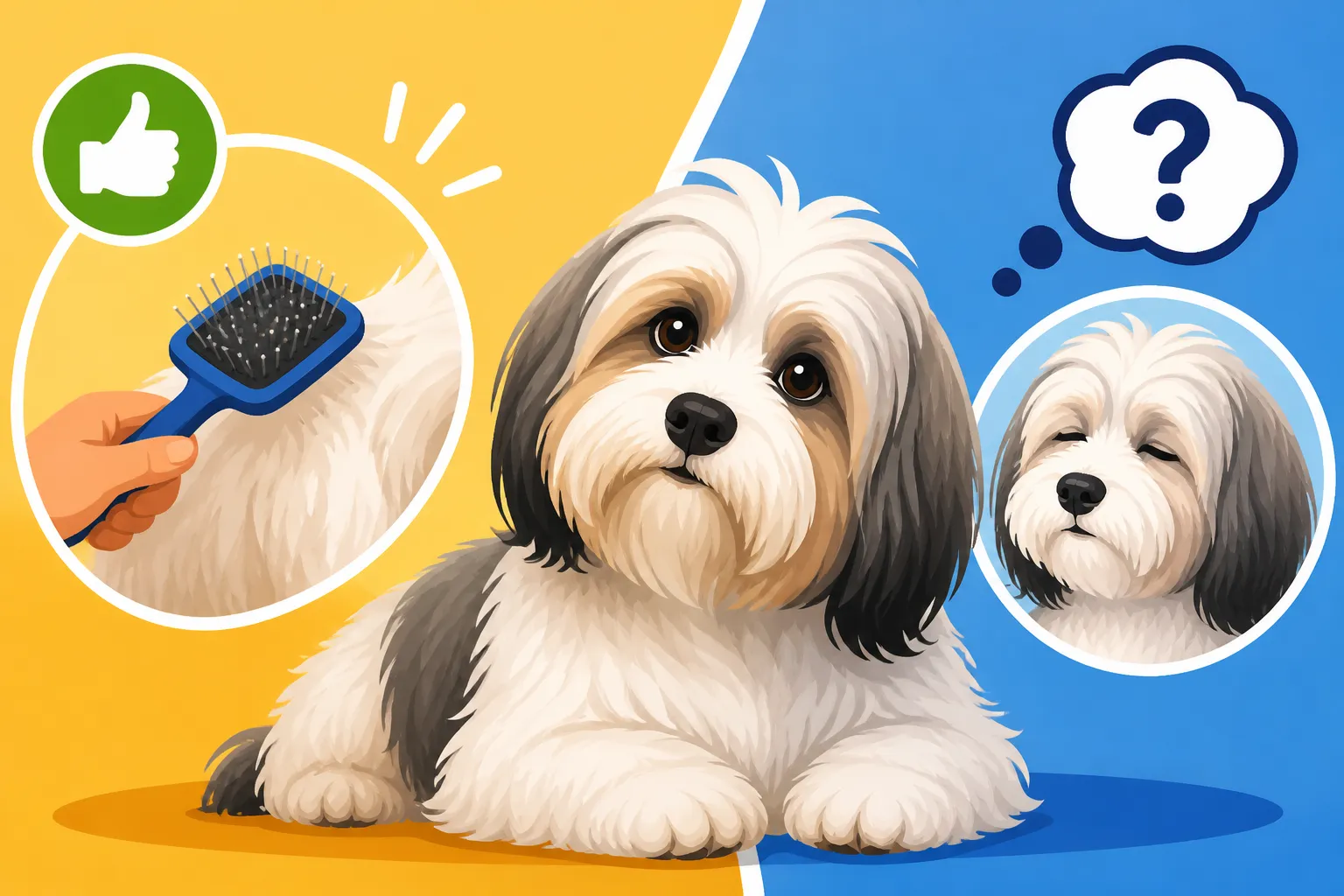
Whether an Old Havanese Still Needs Daily Brushing
Many Havanese owners wonder if their beloved senior companions still need the same rigorous grooming routine they did in their younger, more energetic years. It's a common misconception that as a Havanese slows down, their coat care can too, often leading to painful matting and skin issues. This comprehensive guide will delve into why consistent brushing remains vital for your aging Havanese, and how you can adapt your approach to ensure their comfort and well-being in their golden years.
Why Daily Brushing Remains Crucial for Senior Havanese
As our Havanese age, their routines often shift, and sometimes, owners might ease up on grooming, thinking their less active dog won't get as dirty or matted. However, this couldn't be further from the truth. The magnificent double coat of a Havanese, which is one of their defining features, continues to grow and requires diligent care, perhaps even more so, as they enter their senior years. Neglecting this essential task can quickly lead to discomfort, pain, and more serious health problems for your furry friend.
The Persistent Threat of Matting
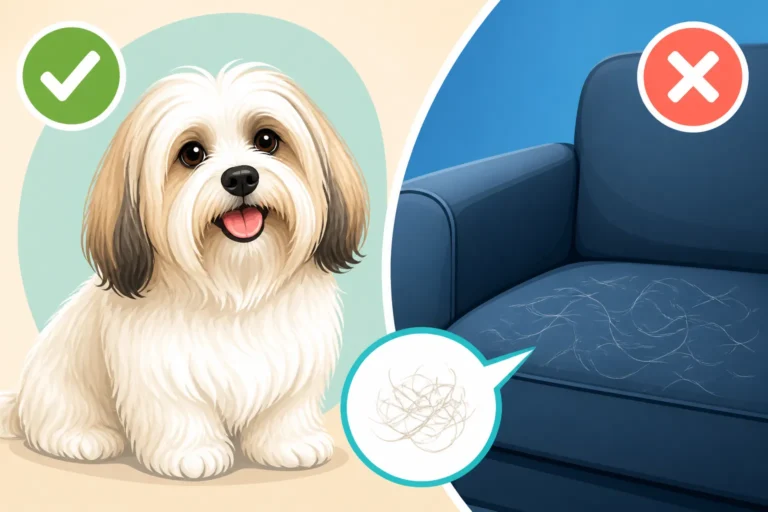
Senior Havanese are just as, if not more, susceptible to matting than their younger counterparts. While a puppy's coat might be prone to tangles during the "coat change" phase around eight months, an older dog’s coat can mat for different reasons. Their fur might become finer, drier, or more prone to static electricity, making it eager to intertwine and form tight knots. Think about how easily a fine strand of human hair can tangle compared to a coarse one. The Silky Double Coat a Havanese Grows to the Floor explains the texture, and it's this very silkiness that, without regular intervention, can form solid, painful mats, especially in high-friction areas like behind the ears, armpits, and under the collar. These mats don't just look bad; they pull on the skin, restrict movement, and can harbor dirt, moisture, and parasites.
Beyond the physical changes in the coat itself, senior Havanese might be less willing or able to move around as much. They might spend more time lying down, putting pressure on certain areas of their coat, which can exacerbate matting. A senior Havanese who enjoys a good nap on the couch might wake up with a new set of tangles that quickly escalate into a mat if not addressed promptly. Even a simple walk where they rub against bushes can contribute to matting if not followed by a thorough brush-out.
Skin Health and Circulation Benefits
Brushing isn't just about making your Havanese look pretty; it's a vital part of maintaining their overall health, particularly their skin. For an older dog, skin integrity can become more fragile, and they may be more prone to dry skin, dandruff, or even skin infections. Regular brushing acts as a gentle massage, stimulating blood circulation to the skin. This improved circulation can help deliver essential nutrients to the hair follicles, promoting a healthier coat and skin barrier.
Moreover, brushing helps distribute the natural oils produced by your Havanese's skin throughout their coat. These oils are a natural conditioner, keeping the fur supple and resilient, and preventing dryness that can lead to breakage and matting. It also allows you, the owner, to perform a daily "health check." As you brush, you're running your hands over every inch of your dog, giving you an invaluable opportunity to feel for any new lumps, bumps, skin irritations, parasites, or changes in their body condition. Early detection of these issues can make a significant difference in their treatment and outcome. Imagine finding a small rash or a tender spot during a routine brush that you might have otherwise missed for days or weeks.
Comfort and Mental Well-being
For many Havanese, grooming is more than a chore; it's a cherished bonding experience. As dogs age, their world can sometimes shrink due to diminished sight, hearing, or mobility. A consistent, gentle grooming routine can provide a comforting, predictable ritual that helps reduce anxiety and enhance their sense of security. The familiar touch, the soothing rhythm of the brush, and the quiet attention from their favorite human can be incredibly therapeutic.
A Havanese that feels comfortable and well-cared for is a happier Havanese. Mats are painful, and a dog struggling with them will often be irritable, reluctant to be touched, and may even snap. By keeping their coat free of tangles and their skin healthy, you're directly contributing to their physical comfort, which in turn boosts their mental well-being. It allows them to move freely without painful tugging on their skin, to sleep soundly, and to enjoy their remaining years with dignity and joy. Don't underestimate the power of a routine, gentle groom to brighten your senior Havanese's day and strengthen your bond. Caring for a Havanese Past Twelve elaborates on other aspects of senior Havanese care, emphasizing the importance of comfort and routine.
Adapting Your Brushing Routine for an Aging Havanese
While the need for daily brushing doesn't diminish with age, the approach certainly needs to evolve. Your senior Havanese isn't a spry puppy anymore, and their physical capabilities and patience may have shifted. It's crucial to be mindful of their comfort levels, potential pain points, and overall energy, making adjustments to ensure grooming remains a positive experience.
Adjusting for Physical Limitations
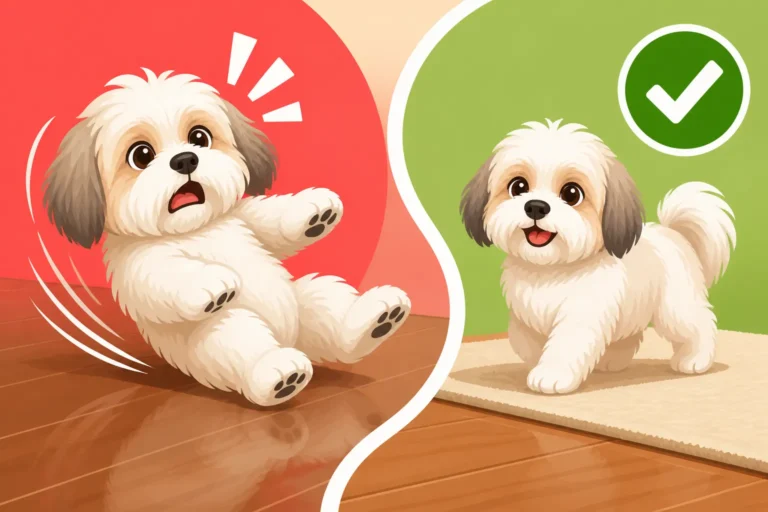
One of the most significant changes in an aging Havanese is their physical capacity. They might suffer from arthritis, particularly in their hips, knees, or spine, making standing for extended periods or reaching certain positions uncomfortable. Arthritis in a Havanese at Twelve is a good read if you're noticing these changes. A traditionally high grooming table might become a source of stress, not just because of the height, but because the hard surface is unforgiving on aching joints. Instead, consider grooming them on a soft mat on the floor, on a low, sturdy ottoman, or even on your lap if they're small enough and it's comfortable for both of you.
Pay close attention to how they react when you position them. If they wince when you lift a leg or groan when you ask them to stand still, adjust immediately. Support their weight if necessary, using a towel sling under their belly for balance, or letting them lie down on their side for belly and leg brushing. If they're struggling with stairs or jumping, using pet steps or ramps for furniture can also help reduce strain on their joints, indirectly making grooming easier by preserving their mobility. You might even consider a memory foam mat from retailers like Amazon for them to stand or lie on during grooming, providing extra cushioning for their weary joints.
Shorter, More Frequent Sessions
The idea of a marathon grooming session that tackles all tangles at once might have worked for a younger, more tolerant Havanese, but it's often too much for a senior dog. Their stamina diminishes, and lying or standing in one position for a long time can lead to discomfort, muscle stiffness, or simply impatience. Instead, break down the grooming into shorter, more manageable sessions throughout the day.
Perhaps you do their back and sides in the morning, their belly and legs after lunch, and their head and tail in the evening. Each session might only be 5-10 minutes, but consistency is key. These frequent, brief encounters prevent mats from taking hold and are much less taxing on your dog. It also helps reinforce that grooming is a normal, gentle part of their day, rather than a big, scary event. Remember, the goal is prevention and maintenance, not wrestling through major matting every few weeks. This approach is gentler on both their body and their patience.
Creating a Calm and Positive Environment
A senior Havanese may also become more sensitive to their surroundings, easily startled by sudden noises or movements. Creating a serene grooming environment is paramount. Choose a quiet time of day when there are no distractions from children, other pets, or loud household activities. Play soft, calming music if your Havanese responds well to it, or simply ensure the space is peaceful.
Use a soothing voice throughout the process, offering plenty of verbal praise and gentle reassurance. High-value treats, perhaps small pieces of a favorite soft food or a tasty chew from Chewy, can be used to reward calm behavior during brushing. Positive reinforcement helps them associate grooming with pleasant experiences, making them more cooperative. If your Havanese has become anxious, these short, positive sessions can help rebuild trust and make grooming a cherished bonding moment rather than a dreaded one. If they're particularly arthritic, setting up their grooming station with a soft bed, like those available on Amazon, can offer them additional comfort.
Essential Tools and Techniques for Gentle Grooming
Having the right tools and employing the correct techniques are always important for Havanese grooming, but they become absolutely critical when dealing with a senior dog. Their skin may be thinner, their coat more delicate, and their tolerance for discomfort much lower. Investing in quality, comfortable tools and mastering gentle methods will make all the difference.
Choosing the Right Brushes and Combs
For a senior Havanese, gentleness is key. You'll primarily want to use a high-quality pin brush with rounded tips and a sturdy metal comb. The pin brush helps to gently detangle and lift the coat without scratching the skin, while the comb is essential for finding and working out smaller tangles close to the skin. Avoid slicker brushes unless absolutely necessary for very light detangling on non-sensitive areas, as their stiff, bent wires can be too harsh on an older dog's sensitive skin. When using a slicker brush, make sure to use a very light hand and "brush the air," only letting the tips touch the hair, not the skin.
Here's a quick comparison of essential tools:
| Tool Type | Purpose | Best For Senior Havanese | Usage Notes |
|---|---|---|---|
| Pin Brush | General detangling, lifting coat, distributing oils | Yes, with rounded tips for comfort | Use gentle, sweeping strokes; avoid dragging on skin. |
| Metal Comb | Fine detangling, checking for mats at skin level | Absolutely essential; wide and fine tooth sections | Line brush method (see below); ensure it glides through without snagging. |
| Detangling Spray | Lubricates coat, helps loosen tangles | Highly recommended, especially for dry or fine senior coats | Spray lightly before brushing; don't soak. |
| Scissors (Blunt-tip) | Safely cut out small, tight mats as a last resort | Use with extreme caution, only for mats impossible to brush out | Always point away from skin; slide a comb under the mat for protection. |
| Nail Trimmers | Keeping nails short for mobility and comfort | Guillotine or scissor-style, ensure sharp blades | Trim frequently in small amounts; long nails can cause joint pain. |
You might find excellent grooming tools from brands like Chewy, which often stock a wide variety of brushes suitable for different coat types and sensitivities. A wide-toothed comb is invaluable for initially separating larger sections of coat, followed by a finer-toothed comb to ensure no smaller tangles remain.
Techniques for Sensitive Areas
The method you use for brushing is just as important as the tools. For a Havanese, especially a senior one, line brushing is the gold standard. This technique ensures you get right down to the skin, preventing mats from forming at the base of the hair. Part the hair horizontally, revealing a line of skin, and brush the hair below that line upwards, then part another line and repeat. Work in small sections, being mindful of any tender spots.
Special attention should be given to sensitive areas. The ears, armpits, inner thighs, and the "sanitary" area are prime spots for mats. Be extra gentle here. For the ears, hold the leather of the ear to prevent pulling on the skin as you brush. For the armpits, lift the leg gently and carefully work through any tangles. Whether a Havanese Mats in the Armpits gives more detail on this tricky area. If your Havanese struggles with standing, as mentioned earlier, let them lie down on their side to access the belly and inner legs more comfortably. Always support their body as needed to prevent strain.
The Role of Detangling Sprays and Conditioners
For an older Havanese whose coat might be drier or more prone to static, detangling sprays and leave-in conditioners can be a lifesaver. These products lubricate the hair, making it easier for the brush and comb to glide through without snagging or causing discomfort. They can also add moisture back into a dry coat, improving its texture and making it less likely to mat.
Apply the spray lightly, focusing on the areas where tangles are most likely to occur. Don't saturate the coat, as this can make it difficult to dry and lead to other skin issues. A good quality, dog-specific detangling spray can be found on Amazon or Chewy. It's often beneficial to spritz a little on before each brushing session, especially if you're tackling multiple short sessions throughout the day. Look for formulas that are gentle, hypoallergenic, and free from harsh chemicals or strong perfumes that might irritate sensitive senior skin or respiratory systems. Regularly using a good conditioner during baths, followed by a thorough drying and brushing, will also contribute significantly to preventing future matting. Whether Conditioner Helps a Havanese Coat emphasizes the benefits.
Recognizing When Professional Help is Needed
While home grooming is a wonderful way to bond and maintain your Havanese's coat, there are times when seeking professional help isn't just a luxury but a necessity, especially as they age. Knowing when to call in the experts can prevent undue stress and pain for your senior dog and ensure they receive the specialized care they deserve.
When Home Grooming Becomes Too Challenging
There will inevitably come a point when your senior Havanese's physical limitations or decreasing tolerance make regular home grooming a significant struggle for both of you. Perhaps their arthritis makes it impossible for them to stand or lie comfortably during brushing, or their anxiety about being handled has escalated despite your best efforts. If you find yourself unable to effectively remove mats or keep their coat tangle-free without causing distress, it's time to consider a professional groomer.
A groomer has specialized equipment, such as hydraulic grooming tables that can be lowered to the floor, making it easier for your Havanese to step on and off, minimizing strain. They also have a wide array of tools and techniques for handling sensitive, older dogs, and often possess the patience and experience to work through issues that might overwhelm an owner. Remember, your goal is your dog's comfort and well-being. If your attempts at home are consistently causing stress or pain, outsourcing this task is an act of love, not a failure. Grooming an Old Havanese That Cannot Stand Long offers specific insights into this challenge.
Addressing Specific Senior Coat Issues
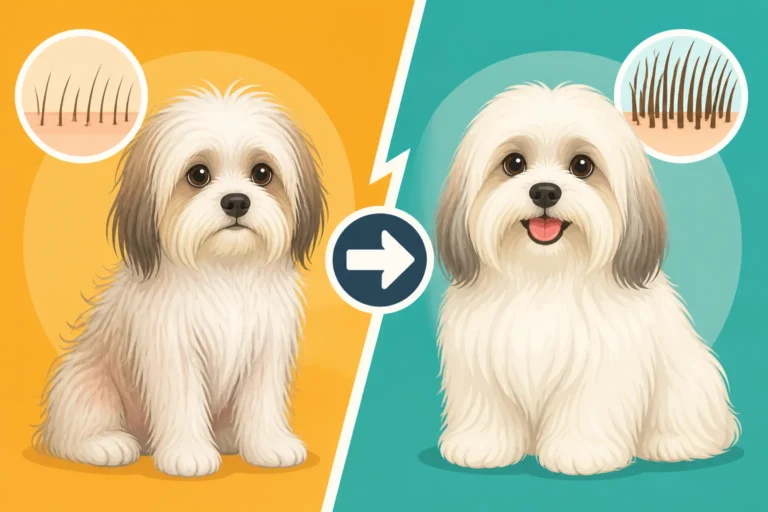
Aging can bring about specific changes to a Havanese's coat that might be difficult to manage at home. Some senior Havanese coats might become thinner or brittle, making them more prone to breakage and matting. Others might experience changes in texture, becoming coarser or oilier, which can also contribute to matting or skin issues. You might also notice skin tags, moles, or fatty tumors (lipomas) that are difficult to groom around without irritating them.
A professional groomer is skilled at identifying and safely working around these unique challenges. They can recommend specific shampoos or conditioners for dry or thinning coats, or suggest a shorter, more manageable "puppy cut" that can significantly reduce the daily grooming burden and improve your Havanese's comfort without sacrificing their adorable look. Whether an Old Havanese Coat Thins delves deeper into these age-related coat changes. Discussing these concerns with a groomer allows them to tailor their approach, ensuring your Havanese gets the most appropriate care for their specific needs.
Working with a Geriatric-Friendly Groomer
When choosing a professional groomer for your senior Havanese, it's crucial to find one who specializes in or has extensive experience with geriatric dogs. Don't be afraid to ask questions: Do they have hydraulic tables? How do they handle dogs with arthritis or anxiety? What is their policy if a dog becomes overly stressed? A good groomer will understand the unique needs of older pets and be happy to discuss their methods.
Look for a groomer who prioritizes a calm, gentle approach over speed. They should be willing to take breaks, work at your dog's pace, and possibly even offer "senior sessions" that are shorter and less overwhelming. Some groomers even offer mobile services, coming to your home, which can be less stressful for an older dog who finds car rides or new environments challenging. While the cost might be higher than doing it yourself, the peace of mind knowing your beloved Havanese is comfortable and well-cared for is priceless. Many reputable groomers can be found through recommendations from your veterinarian or local Havanese breed clubs.
Disclaimer
This article is for general informational purposes only and does not constitute professional advice. Laws, prices and regulations vary by location and change over time. Consult a qualified professional for guidance on your specific situation.