Feeding an Old Havanese That Has Slowed
It's heartbreaking to watch our beloved Havanese, once so full of boundless energy, start to slow down. One of the most common worries I hear from fellow Havanese parents is about their senior dog's changing appetite and reluctance to eat with the same gusto they once did. This guide is all about navigating those dietary shifts, understanding why your older Havanese might be eating less, and providing practical, empathetic solutions to ensure they continue to get the nutrition they need to thrive in their golden years.
Recognizing the Signs of Aging in Your Havanese
Before we dive into specific feeding strategies, it’s crucial to understand what’s happening within your Havanese as they age. It’s not just about a dog getting a bit grayer; their entire system undergoes changes that can significantly impact their relationship with food. It’s a natural part of The Age a Havanese Counts as Senior, but recognizing these subtle shifts can help you intervene effectively.
Physical Changes Affecting Appetite and Digestion
As our Havanese friends enter their senior years, their bodies just don't work the way they used to. Think about how you might feel a bit more tired or find certain foods harder to digest as you get older – it's much the same for them.
Firstly, their metabolism begins to slow down. That means they don't burn calories as quickly, and if they keep eating the same amount of food they did in their prime, they can easily pack on extra weight, which puts stress on their joints and organs. Beyond metabolism, dental health often becomes a significant hurdle. Many older Havanese develop Dental Crowding in a Havanese Mouth or other issues like gum disease, tooth decay, or even painful loose teeth. Imagine trying to chew a crunchy piece of kibble when your mouth hurts! It's no wonder they might turn their nose up at their usual meal. Their sense of smell and taste can also diminish, making formerly enticing foods seem bland and unappealing. What once smelled like a gourmet meal might now just seem like… well, just food. This often explains why they might sniff their bowl and walk away, even when they're truly hungry.
Behavioral Shifts and Their Impact on Eating Habits
It's not all physical, either. The aging process brings about behavioral changes that can indirectly affect how and what your Havanese eats. They might simply be less active overall, preferring naps on the couch over energetic play sessions. Less activity means fewer calories expended, and naturally, a reduced need for food. This shift in energy levels is a tell-tale sign of The Signs a Havanese Is Getting Old.
Some older Havanese can also experience cognitive decline, leading to confusion or anxiety, especially around routines. Meal times, which were once a source of joyful anticipation, might become disorienting. They might forget they've been fed, or alternatively, become distressed during feeding, making them hesitant to approach their bowl. I've heard stories of Havanese who start circling their food bowl uncertainly, or even walking away mid-meal. Even changes in vision, a common issue as they age (you might notice Whether an Old Havanese Goes Blind), can make finding their food or water bowl more challenging, especially in dim lighting. These subtle behavioral shifts require patience and often a re-evaluation of how and where you present their meals.
Adjusting Diet for an Aging Havanese
Once you recognize these changes, you're better equipped to make informed decisions about their diet. It’s not about radical overhauls, but thoughtful adjustments that cater to their evolving needs.
Calorie Needs and Weight Management
One of the most critical aspects of feeding an older Havanese is managing their calorie intake. As mentioned, a slower metabolism means they require fewer calories to maintain a healthy weight. Allowing them to become overweight is one of the worst things you can do for their senior health, as it exacerbates joint issues like Arthritis in a Havanese at Twelve and can contribute to other serious conditions.
It’s often recommended that Whether a Havanese Should Be Kept Slim for Its Joints for their entire lives, and this becomes even more important in old age. A lean body condition puts less strain on their hips, knees, and spine, helping them stay more mobile and comfortable. Don’t just assume your Havanese is "fine" because they’re eating their usual amount; you need to visually and physically assess their body condition regularly. You should be able to easily feel their ribs without pressing hard, and they should have a discernible waist when viewed from above. If you notice weight gain, a gradual reduction in portion size or a switch to a lower-calorie food designed for seniors might be necessary. It’s a delicate balance, as you don’t want them to lose muscle mass, but preventing obesity is paramount for their quality of life.
Senior-Specific Food Formulas
The pet food market has come a long way, and thankfully, there are many excellent senior-specific formulas available. These foods are generally formulated with reduced calories to match lower activity levels, controlled phosphorus levels to support kidney health, and often include beneficial supplements like glucosamine and chondroitin for joint support. They also tend to have higher fiber content, which aids digestion and helps maintain satiety.
When choosing a senior food, look for reputable brands that clearly state they are formulated for "senior" or "mature" dogs. You might find a great selection on sites like Chewy where you can filter by age and specific dietary needs. Always introduce a new food gradually over 7-10 days, mixing increasing amounts of the new food with decreasing amounts of the old. This helps prevent digestive upset, which can be particularly unwelcome in an older dog. While a vet might recommend a prescription diet for specific health conditions, for generally healthy seniors, a good quality commercial senior food is a fantastic starting point.
Softening Food for Dental Comfort
Imagine the agony of trying to eat crunchy food with a toothache. That's precisely what many senior Havanese face. If your dog is hesitating to eat their dry kibble, or you see them chewing slowly and gingerly, dental pain is a strong possibility. The Dental Work Every Havanese Needs by Six is essential, but even with good care, issues can arise in later life.
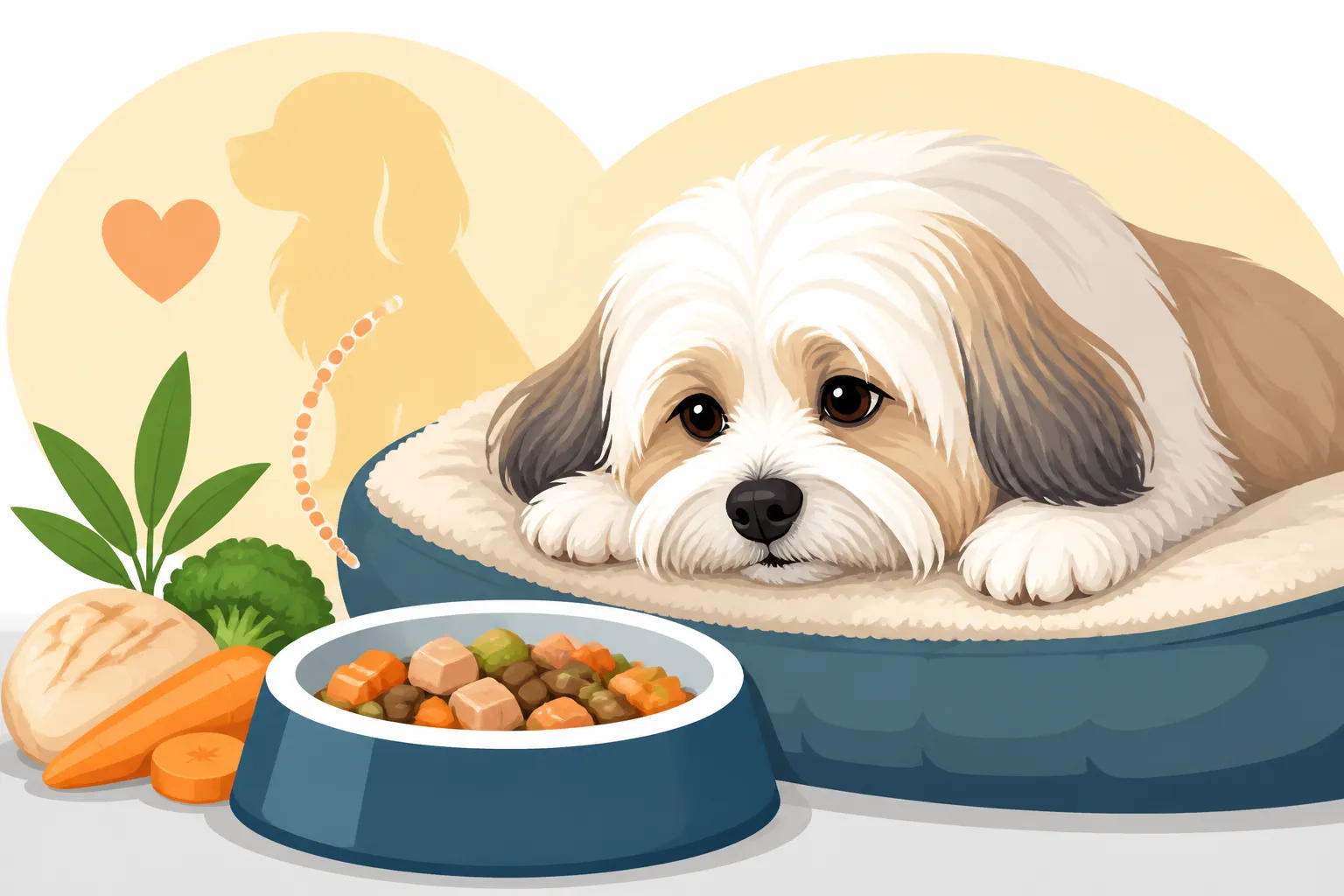
One of the simplest solutions is to soften their food. You can do this by adding warm water or low-sodium chicken broth to their kibble and letting it sit for a few minutes until it’s soft. For dogs with severe dental pain or very few teeth, a canned senior dog food or a fresh food option like Ollie might be a better choice. These options are much easier to chew and swallow, and often have a more appealing aroma that can entice a reluctant eater. If you’re considering home-cooked meals, always consult with your veterinarian or a veterinary nutritionist to ensure the diet is complete and balanced, as it’s very easy to miss essential nutrients when cooking for your pet.
Addressing Common Feeding Challenges in Senior Havanese
Even with the right food, you might encounter specific challenges. Our old friends can be particular, and a little creativity often goes a long way.
Stimulating a Waning Appetite
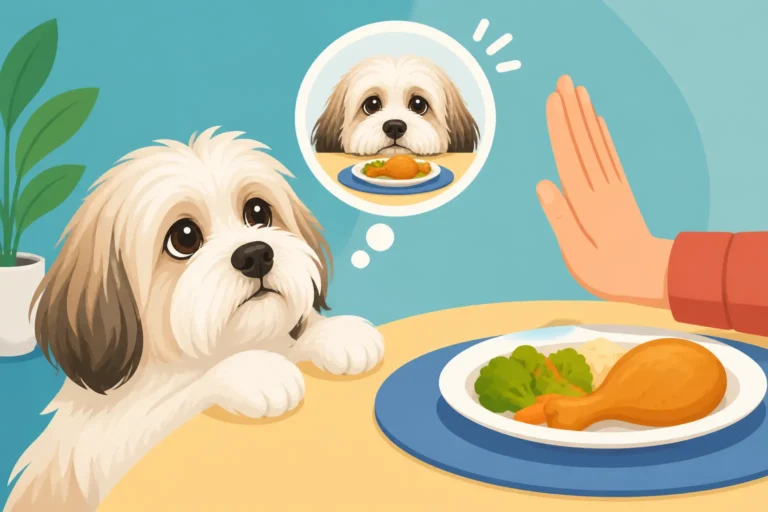
It's common for an old Havanese to lose some enthusiasm for food. What used to be a frantic dance around the kitchen might become a polite sniff and a slow walk away. This can be incredibly frustrating for us, as we just want them to eat!
To make food more appealing, try warming it slightly. Just like with humans, a warm meal often smells more inviting. A few seconds in the microwave (check for hot spots!) can release aromas that pique their interest. Adding a special "topper" can also work wonders. This could be a spoonful of plain yogurt, a little low-sodium broth, a sprinkle of nutritional yeast, or even a small amount of cooked, shredded chicken or fish (ensure it’s boneless and unseasoned). Sometimes, offering a bit of novelty in their diet, rotating between a couple of different wet food flavors, for instance, can help keep them engaged. For those truly stubborn eaters, hand-feeding a few morsels might be necessary to get them started, especially if they are feeling a bit confused or anxious at mealtime. Remember, consistency in a feeding schedule for What a Havanese Needs Every Day can also provide comfort and routine, even if their appetite is variable.
Managing Digestive Sensitivities
As a Havanese ages, their digestive system can become more sensitive. They might experience more gas, looser stools, or even occasional vomiting after meals. This is often due to a less efficient digestive enzyme production or a slower gut motility.
Breaking meals into smaller, more frequent portions throughout the day can sometimes help. Instead of two large meals, try three or four smaller ones. This reduces the burden on their digestive system at any one time. Easily digestible ingredients are key, so look for foods with high-quality protein sources and moderate fat content. Some owners find that adding a probiotic supplement, recommended by their vet, can help support gut health and improve digestion. This can be especially helpful if your Havanese has been on antibiotics or has a history of sensitive digestion. Always monitor their stool and overall demeanor after dietary changes. If digestive issues persist, it’s a clear signal to consult your vet.
Ensuring Adequate Hydration
Hydration is crucial for all dogs, but it becomes even more vital for senior Havanese. Older dogs are more susceptible to dehydration, and many health conditions can be worsened by insufficient water intake. Sometimes, arthritis might make it painful for them to bend down to a traditional water bowl, or cognitive changes might make them forget to drink.
Ensure fresh water is always available in multiple locations throughout your home. Consider using an elevated bowl if your Havanese struggles to bend down, as this can make drinking more comfortable. Stainless steel or ceramic bowls are often preferred over plastic for cleanliness. A pet fountain, which provides circulating, filtered water, can also be a great motivator, as many dogs are enticed by moving water. Incorporating wet food into their diet is an excellent way to boost their fluid intake, as canned foods have a much higher moisture content than dry kibble. You can also add a splash of low-sodium broth to their water bowl to make it more appealing. Keeping them hydrated is a key part of Caring for a Havanese Past Twelve.
| Feeding Strategy | Pros | Cons | Best For |
|---|---|---|---|
| Senior Dry Kibble | Specifically formulated nutrients; cost-effective; easy to store. | Can be hard for dental issues; less palatable if appetite is low. | Generally healthy seniors needing calorie control and basic joint support. |
| Wet Food (Canned) | Highly palatable; high moisture content; easy to chew and digest. | More expensive; can lead to dental plaque if not combined with dental care. | Seniors with dental pain, poor appetite, or needing increased hydration. |
| Fresh/Home-Cooked | Highly palatable; customizable ingredients; high moisture. | Requires careful balancing of nutrients; can be time-consuming and costly. | Seniors with multiple health issues (with vet guidance) or very picky eaters. |
| Kibble + Wet Topper | Combines benefits of both; increased palatability; still good value. | Can be messy; some toppers might be too rich for sensitive stomachs. | Seniors with slightly reduced appetite or mild dental discomfort who still enjoy some kibble. |
| Elevated Bowls | Reduces neck strain; easier for arthritic dogs to reach. | May not be necessary for all dogs; some dogs prefer floor level. | Seniors with neck or back pain, or conditions like The Heart Murmur an Older Havanese Develops that benefit from easier access. |
When to Seek Veterinary Guidance
While some changes in appetite are a normal part of aging, others can signal underlying health issues that require professional attention. It’s always better to be safe than sorry when it comes to our senior companions.
Recognizing Red Flag Symptoms
If your Havanese experiences a sudden, drastic loss of appetite, or completely refuses to eat for more than 24 hours, this is a red flag and warrants immediate veterinary consultation. Beyond appetite, look for other symptoms that might accompany a change in eating habits. These could include:
- Significant weight loss or gain: While some changes are normal, rapid or extreme shifts are concerning.
- Persistent vomiting or diarrhea: These are clear signs of digestive upset that need investigation.
- Increased thirst or urination: Could indicate kidney disease, diabetes, or other conditions.
- Lethargy or weakness: A marked decrease in energy beyond general slowing down.
- Changes in behavior: Any new aggression, withdrawal, or unusual confusion that goes beyond typical Whether an Old Havanese Gets Confused.
- Difficulty chewing or excessive drooling: These point directly to dental pain or other oral issues.
Conditions like Whether a Havanese Gets Hypothyroidism can also impact metabolism and appetite. Don't simply attribute every change to "old age" without ruling out treatable medical conditions. Your veterinarian is your best partner in distinguishing normal aging from a treatable illness.
Working with Your Vet on Nutritional Plans
Your veterinarian is the most valuable resource you have when it comes to your senior Havanese's health and nutrition. They can perform a thorough physical examination, run diagnostic tests (like blood work or urinalysis), and pinpoint the exact cause of any dietary challenges. Based on their findings, they can recommend specific dietary adjustments, prescription foods, or supplements.
For example, if dental pain is severe, they might recommend a dental cleaning or extractions. If kidney disease is detected, they'll suggest a prescription renal diet. They can also advise on appropriate joint supplements or medications if your Havanese is struggling with arthritis. Don't hesitate to schedule a "senior check-up" even if your Havanese seems relatively healthy. These proactive visits allow your vet to establish a baseline and catch potential issues early, often before they become major problems. Bringing your questions and concerns to your vet is part of being the best Havanese parent you can be as your furry family member gracefully enters their golden years. Remember, a lot of specialized foods and supplements can be found and delivered quickly through platforms like Amazon or Chewy, once you have a vet's specific recommendation.
Disclaimer
This article is for general informational purposes only and does not constitute professional advice. Laws, prices and regulations vary by location and change over time. Consult a qualified professional for guidance on your specific situation.