Grooming an Old Havanese That Cannot Stand Long
Grooming a Havanese who can't stand for long periods can feel like navigating a minefield. You adore your senior companion, but the once-easy task of brushing or bathing now feels like a monumental challenge, often leaving both of you stressed and sore. This guide is here to walk you through gentle, empathetic strategies and practical tips to ensure your beloved older Havanese stays comfortable, clean, and happy, even when their legs just aren't what they used to be.
Understanding the Challenges of Senior Havanese Grooming
As our cherished Havanese enter their golden years, their bodies change, and so do their needs. The energetic puppy that once bounced around during grooming sessions might now be stiff, sensitive, or simply too tired to stand for long. This isn't just a minor inconvenience; it's a profound shift that demands a different approach to their care, especially when it comes to their beautiful coats. Ignoring these changes can lead to discomfort, fear, and even pain for your dog, making grooming a dreaded experience for everyone involved.
Common Physical Limitations in Older Havanese
One of the most significant hurdles we face when grooming an aging Havanese is their physical limitations. Arthritis is incredibly common, making joints stiff and painful. Imagine trying to stand still for twenty minutes while your knees ache, or your hips throb—it's just not going to happen gracefully. Many older Havanese develop conditions like Arthritis in a Havanese at Twelve or other musculoskeletal issues that impact their ability to balance and bear weight on their legs. Their muscles might weaken, their stamina decreases, and they simply don't have the core strength to maintain a standing position on a grooming table or even in the bathtub. This isn't laziness; it's a genuine physical limitation, and understanding that is the first step toward effective, compassionate grooming.
Emotional and Sensory Changes Affecting Grooming
Beyond the physical, our senior Havanese often experience emotional and sensory changes that make grooming more difficult. Their eyesight might not be as sharp, making the world a bit blurrier and potentially increasing their anxiety if they can't clearly see what's happening. Hearing loss can also occur, meaning they might not respond to your verbal cues as readily, or sudden movements can startle them. What’s more, their skin can become more delicate and sensitive, making a once-tolerated brush now feel scratchy or irritating. They might also become less tolerant of prolonged handling, developing a shorter fuse or simply losing patience more quickly. The key here is patience and keen observation; you need to be a detective, noticing subtle cues that your Havanese is uncomfortable or becoming overwhelmed.
Creating a Calming and Safe Grooming Environment
When your Havanese can't stand for long, the entire grooming process needs a re-think, starting with where and how you do it. The goal is to create an environment that minimizes stress, provides physical support, and keeps your furry friend as relaxed and comfortable as possible. This isn't just about being nice; it's about making the process physically achievable and emotionally tolerable for them.
Choosing the Right Surface and Location
Forget the traditional grooming table if it causes your senior Havanese distress or instability. Instead, think about grooming them at floor level, on a sturdy, non-slip mat, or even on a comfortable bed on your lap if they're small enough and prefer close contact. A large, non-slip bath mat can work wonders on the floor. If you must use a table, ensure it's low to the ground and has a thick, non-slip surface. Adding a soft, non-slip mat or a thick towel can provide extra cushioning for their joints and prevent any slipping scares. The kitchen counter might be out, but a sturdy coffee table with a towel on top, allowing you to sit comfortably on the floor, could be perfect. The location itself should be quiet, free from sudden noises or bustling activity, creating a serene space where your Havanese feels safe and not overwhelmed.
Providing Support and Stability During Grooming
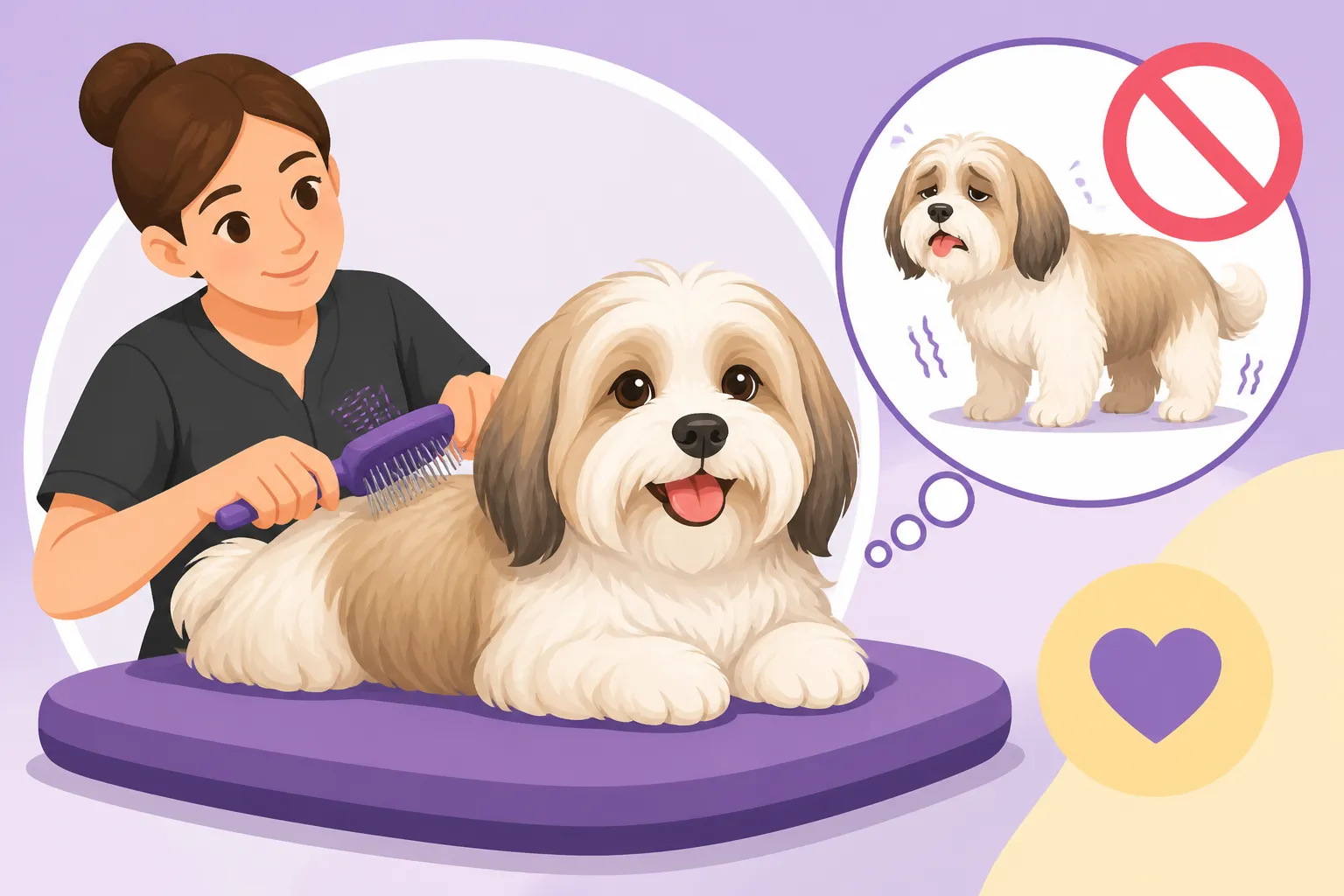
This is perhaps the most crucial aspect. If your Havanese struggles to stand, you absolutely must provide physical support. For smaller, frailer dogs, grooming them on your lap or with them nestled against your body on a cushion can provide immense comfort and stability. If they still prefer to be on a surface, consider investing in a dog grooming sling that can take some weight off their legs, or a sturdy grooming arm with a comfortable belly band or support sling. This isn't about suspending them in the air, but providing gentle counter-support. You can also use strategically placed pillows or rolled towels to prop them up or cushion their chest if they need to lie down for parts of the grooming process. Remember, short, frequent sessions are far better than one long, exhausting ordeal. Break down grooming into tiny, manageable steps, taking plenty of breaks.
Using Positive Reinforcement and Short Sessions
Positive reinforcement is key for any dog, but especially for a sensitive senior. Every interaction should be calm, gentle, and associated with good things. Use soft, encouraging words, gentle strokes, and tiny, high-value treats frequently throughout the session. If your Havanese tolerates even a few minutes of brushing, celebrate it! This isn't the time for force or frustration. If they show signs of discomfort or anxiety—lip licking, yawning, turning their head away, or even a soft whine—stop immediately. Take a break. Let them walk away if they need to, offering a treat for their cooperation. Keep sessions incredibly short, perhaps five to ten minutes at a time, multiple times a day, rather than attempting a full groom once a week. This "little and often" approach will prevent them from becoming overwhelmed and associate grooming with positive, brief experiences.
Essential Tools and Techniques for Gentle Grooming
When you're grooming a senior Havanese who struggles to stand, your toolkit and your approach need a serious upgrade. Gone are the days of quick, vigorous brushing. Now, it's all about gentle, effective, and comfortable techniques that prioritize their well-being. Think of it as specialized senior care for their coat and skin.
Choosing the Right Brushes and Combs
For an older Havanese, the gentlest tools are your best friends. A soft pin brush with rounded tips is excellent for general brushing, as it glides through the coat without pulling at delicate skin. Avoid slicker brushes with stiff wires, especially if your Havanese has Whether an Old Havanese Coat Thins or very sensitive skin, unless used with an incredibly light hand for specific mat removal. Instead, opt for a flexible-head slicker brush, which contours to their body and is less harsh. A good quality metal comb with both wide and fine teeth is indispensable for checking for mats, but again, use it gently. For their face and behind the ears, a small "face comb" or even a human fine-tooth comb can be helpful. You might find excellent options for these specialized tools on sites like Chewy or Amazon, where reviews often highlight suitability for sensitive dogs.
Mastering Gentle Brushing Techniques
The way you brush makes all the difference. Always line brush, getting down to the skin rather than just skimming the top layer of coat. This is crucial for preventing mats, which can be incredibly painful on delicate senior skin. Start with the least sensitive areas, like their back or sides, using light, feathery strokes. Hold the hair at the skin level to minimize pulling, working in small sections. Pay extra attention to areas prone to matting: behind the ears, in the armpits, and around their hindquarters. Remember, "slow and steady wins the race" here. If you encounter a tangle, don't yank. Spritz it with a detangling spray and gently tease it apart with your fingers or the wide teeth of your comb. If you're wondering How Long Brushing a Havanese Takes Daily, for a senior, it's often about shorter, more frequent sessions to avoid overwhelming them.
Safe Scissoring and Trimming Practices
Trimming around their paws, sanitary areas, and face is still important, but requires immense caution. Always use blunt-nosed scissors, also known as safety scissors, especially for areas around the eyes and paw pads. For paw pads, gently spread the toes and carefully trim the hair flush with the pad. This prevents slipping and matting. For the sanitary area, hold the tail up and carefully trim any hair that could become soiled. When trimming around the face, especially for a topknot or to keep hair out of their eyes, do it slowly and deliberately, always pulling the hair away from their eyes before cutting. Many senior Havanese prefer to lie down for these sensitive trims, so be prepared to work with them in a comfortable position, possibly with a helper to gently steady them.
Managing Matting and Coat Care in Senior Years
Matting is the bane of any Havanese owner's existence, but it becomes an even bigger concern with a senior dog who might not tolerate extensive brushing or bathing. Mats can pull at the skin, cause sores, hide infections, and make your Havanese utterly miserable. Preventing them and dealing with them gently is paramount to their comfort.
Preventing Mats in a Less Active Havanese
Prevention is always better than cure, especially with an older Havanese. Since they might be less active, their coat might not pick up as much debris, but it's still prone to tangling. Daily, or at least every-other-day, gentle brushing sessions are vital. Break them into short, manageable bursts as discussed before. Consider keeping their coat a bit shorter, like a practical The Puppy Cut Most Havanese Owners End Up Choosing. A shorter coat is much easier to maintain, dries faster, and significantly reduces the chance of severe matting. Regular sanitary trims and attention to areas like behind the ears, armpits, and under the tail are non-negotiable. Using a good quality leave-in conditioner or detangling spray can also help the brush glide more smoothly through their delicate fur, reducing friction and tangles.
Dealing With Existing Mats Gently
When you find a mat on your senior Havanese, your approach needs to be incredibly gentle to avoid pain and fear. Never try to yank or brush out a tight, felted mat. This will hurt them and make future grooming impossible. Instead, start by isolating the mat and generously applying a detangling spray or a coat oil. Work on the very edge of the mat with your fingers, trying to separate the hairs a few at a time. Then, using the wide teeth of a comb, gently pick at the outer edge of the mat, working slowly from the tip of the hair towards the skin.
If the mat is too tight or too close to the skin, it's time for clippers. Use a small, quiet clipper with a wide blade (such as a #10 or #15, or even a skip-tooth blade designed for mat removal if you're experienced) and always slide it under the mat, between the mat and the skin, moving parallel to the skin, not perpendicular. This requires extreme caution to avoid "nick-knitting" their delicate skin. If you're unsure, or if the mats are extensive, it’s always best to seek professional help. A compassionate professional groomer or your veterinarian might be better equipped to shave off felted mats safely.
The Benefits of a Shorter Coat for Seniors
For many older Havanese, a shorter haircut is a blessing. While their long, flowing coat is undeniably beautiful, it can become a burden as they age. A shorter coat, often referred to as a "puppy cut" or "teddy bear clip," drastically reduces the time needed for brushing, minimizes matting, and makes bathing and drying much quicker. This means less standing, less stress, and more comfort for your senior dog. Whether an Old Havanese Should Be Kept Clipped is a common question, and for many, the answer is a resounding yes. It's not about sacrificing their beauty; it's about prioritizing their comfort and quality of life. Discuss different clip lengths with your groomer to find a style that keeps them comfortable and manageable.
Addressing Specific Grooming Needs: Paws, Ears, and Face
Beyond the general body coat, certain areas on a Havanese require special attention, and this becomes even more critical for seniors. These areas are prone to issues that can impact their mobility, comfort, and even their health. Addressing them gently and consistently is a vital part of their care.
Paw Pad and Nail Care for Stability
Overgrown hair between paw pads can cause several problems for an older Havanese. It reduces traction, making them more prone to slipping on hard floors, which can be dangerous for stiff joints. It also collects debris, forms mats, and can cause discomfort. Regularly trim the hair flush with the paw pads using blunt-nosed scissors. Take your time, being careful not to cut the pads themselves. For their nails, regular trimming is essential. Long nails can force their toes apart, making walking painful and exacerbating any existing arthritis. If your Havanese has dark nails, it can be tricky to see the quick. Trim only small amounts at a time, or use a Dremel tool, which can be less stressful and allow for more gradual shortening. If your Havanese is particularly sensitive about their feet, consider doing just one or two nails at a time, making it a positive, quick experience. Whether a Havanese's Paw Hair Needs Trimming isn't just cosmetic; it's about their safety and comfort.
Gentle Ear Cleaning and Hair Removal
Havanese have floppy ears, which means their ear canals can be breeding grounds for moisture and yeast, leading to infections. As they age, their immune system might not be as robust, making them more susceptible. Regular inspection and gentle cleaning are important. Use a veterinarian-approved ear cleaner and a cotton ball or soft cloth to wipe the visible parts of the ear. Never insert anything deep into the ear canal. If there's hair growing inside the ear canal, it often needs to be plucked to allow for better air circulation. This can be sensitive for older dogs, so proceed with extreme caution or leave it to a professional groomer or your vet. Whether a Havanese Struggles With Ear Cleaning is a common concern; making it a calm, quick process with plenty of praise and treats will help. Look for signs of redness, odor, or discharge, which indicate an infection and warrant a vet visit.
Keeping the Face Clean and Clear
A Havanese's charming face, with its long hair and expressive eyes, requires diligent care. As they age, tear staining might become more pronounced, or their eyesight might diminish, making clean vision even more important. Gently wipe the corners of their eyes daily with a soft, damp cloth or a pet-specific eye wipe to remove any discharge and reduce staining. Keep the hair around their eyes trimmed short enough so it doesn't poke them or obstruct their vision. If they have a beard, it can become stained or collect food debris, so gently wipe it after meals. Be extra careful when trimming around their eyes, always pulling the hair upwards and away from the eyeball before cutting, using blunt-nosed scissors. If your Havanese is particularly fidgety or vision-impaired, consider getting regular face trims from a professional groomer who has experience with older, sensitive dogs.
The Bathing Process for a Frail Havanese
Bathing an older Havanese who can't stand for long can be one of the most daunting grooming tasks. The slippery surfaces, the water, the standing – it all adds up to a stressful experience. But with the right approach and a focus on safety and comfort, you can make bath time a much more pleasant, or at least tolerable, event.
Setting Up a Safe and Comfortable Bath Area
First things first: safety. A slippery tub is a recipe for disaster for a senior dog with wobbly legs. Lay down a thick, non-slip mat in the tub or sink where you'll be bathing them. This provides essential traction and a softer surface for their joints. If using a tub, consider a bath support sling or even a baby bath seat if your Havanese is small enough, to give them something to lean against or rest on. The water temperature should be lukewarm, never hot or cold. Fill the tub only a few inches deep, enough to wet their paws without overwhelming them. A detachable spray nozzle is invaluable for rinsing gently and thoroughly. If standing in a tub is simply too much, consider a "sponge bath" using a damp cloth and a diluted shampoo, or even dry shampoo, for spot cleaning.
Gentle Washing and Rinsing Techniques
Approach the wash with a calm, reassuring demeanor. Start by thoroughly wetting their coat using the detached spray nozzle, speaking softly to them throughout. Use a gentle, tearless dog shampoo, ideally one designed for sensitive skin or senior dogs. Lather gently, focusing on areas that get dirtiest, like their paws and sanitary areas. Avoid harsh scrubbing, which can irritate their delicate skin. Rinse even more thoroughly than you wash, ensuring no shampoo residue is left behind, as this can cause skin irritation or matting. Again, the detachable nozzle is excellent for getting into all the nooks and crannies. If your Havanese is very frail, you might want to consider washing only parts of their body at a time over several days, rather than attempting a full bath all at once. Remember, Whether a Havanese Smells Between Baths might be less important than their comfort.
Thorough Drying to Prevent Matting and Chills
Drying is just as important as washing, especially for preventing mats and ensuring your senior Havanese doesn't get chilled. Immediately after rinsing, gently squeeze excess water from their coat. Wrap them in a soft, highly absorbent towel (or several towels) and gently blot, rather than rub, to absorb as much moisture as possible. If they tolerate it, a low-heat, low-speed forced air dryer specifically designed for dogs can speed up the process and help straighten the coat, reducing matting. Hold the dryer at a safe distance and keep it moving constantly to avoid overheating any one spot. If they're sensitive to the noise, you might need to towel dry as much as possible and then allow them to air dry in a warm, draft-free room, with plenty of gentle brushing to prevent tangles as the coat dries. Always ensure they are completely dry to the skin before letting them roam freely, particularly if it's cool outside.
When to Seek Professional Help (and How to Choose Wisely)
While many Havanese owners enjoy grooming their beloved companions at home, there comes a point, especially with an aging dog, when professional help becomes not just a luxury, but a necessity. Knowing when to call in the experts and how to choose the right one can make all the difference in your senior Havanese's comfort and well-being.
Recognizing When Home Grooming Isn't Enough
There are several clear signs that home grooming might no longer be sufficient or safe for your senior Havanese. If they are showing extreme pain or discomfort during your attempts, if their mats are too extensive or too close to the skin for you to safely remove, or if they become overly anxious, aggressive, or fearful, it's time to consider professional help. A sudden increase in skin sensitivity, new lumps or bumps, or an inability to balance even with your support also indicates that a professional's expertise, or even a veterinary groom, is needed. Sometimes, the physical toll on you is also a factor; grooming a struggling dog can be physically demanding and potentially lead to injury for both of you. It's not a failure to admit you need help; it's a responsible decision.
Finding a Groomer Experienced with Senior Dogs
Not all groomers are created equal, especially when it comes to delicate senior dogs. When seeking a professional, look for a groomer who specifically advertises experience with geriatric or special needs pets. Ask direct questions:
- Do you offer "express" or shorter grooming sessions for older dogs?
- What kind of support do you use for dogs who can't stand?
- Are you comfortable working with dogs who have arthritis or are a bit "grumpy"?
- Do you use quiet clippers and dryers?
- What's your protocol if a dog becomes stressed or shows pain?
A good senior groomer will prioritize comfort and safety over aesthetics, be patient, willing to take breaks, and even work on the floor if necessary. They should never force a dog into a position or rush the process. Don't hesitate to visit the salon, observe their environment, and ask for references. Services like those found on Amazon or Chewy for dog supplies don't replace an actual groomer, but you can find a lot of reviews and recommendations there for groomers in your area.
Considering Veterinary Grooming or Sedation
In some extreme cases, a regular professional groomer might still be too much for your Havanese. If your dog has severe arthritis, extreme anxiety, or a medical condition that makes traditional grooming dangerous, a veterinary groom might be the safest option. This means your dog is groomed at the vet's office, often under sedation or light anesthesia, supervised by medical professionals. While this is typically more expensive, it ensures that your Havanese is completely comfortable and safe throughout the process. It's a last resort, but a compassionate one, especially for dogs with extensive matting that needs to be removed quickly to alleviate pain. Discuss this option with your veterinarian; they can assess your Havanese's overall health and determine if it's a suitable and safe choice.
Maintaining Overall Well-being Alongside Grooming
Grooming isn't just about making your Havanese look pretty; it's intricately linked to their overall health and comfort, especially as they age. A healthy senior Havanese will tolerate grooming better than one who is in pain or generally unwell. Therefore, focusing on their general well-being is an indirect but powerful way to make grooming easier for both of you.
Nutrition and Joint Health Support
A balanced diet is always important, but for a senior Havanese, it takes on new significance. High-quality food provides the nutrients their aging bodies need. Consider senior-specific formulas, which often have different protein-to-fat ratios and added supplements. Many brands, like Ollie, offer fresh food options tailored to a dog's specific needs, which can be easier to digest and more palatable for picky eaters. Discuss with your vet whether joint supplements like glucosamine and chondroitin would benefit your Havanese, especially if they show signs of arthritis. Omega-3 fatty acids are also excellent for joint health and can contribute to a healthier coat, making it easier to brush and less prone to dryness and matting. Keeping them at a healthy weight is also crucial, as extra pounds put undue strain on aching joints.
Regular Vet Check-ups and Pain Management
Regular veterinary check-ups are non-negotiable for senior Havanese, ideally twice a year. Your vet can monitor for common age-related conditions like The Heart Murmur an Older Havanese Develops, dental issues, and of course, arthritis. They can also provide guidance on appropriate pain management strategies. This might include anti-inflammatory medications, physical therapy, or alternative therapies. If your Havanese is receiving pain medication, schedule grooming sessions for when the medication is most effective. Being pain-free, or at least having their pain managed, will significantly improve their tolerance for grooming and their overall quality of life. Don't let them suffer in silence; collaborate with your vet to find the best pain relief plan.
Creating a Supportive Home Environment
Beyond grooming sessions, your home environment can have a profound impact on your senior Havanese's comfort and mobility. Lay down non-slip rugs or runners on slippery floors to prevent falls, which can easily injure stiff joints. Provide easily accessible, comfortable dog beds (orthopedic beds are fantastic for arthritic dogs) in several areas of the house. Consider ramps or doggy steps to help them get onto furniture if they're still allowed, rather than jumping, which can put immense strain on their joints. Whether a Havanese Should Use Steps to the Couch is less about spoiling them and more about preventing injury. Ensure fresh water is always available and easily reachable. A thoughtful home setup minimizes daily discomfort, which in turn can make them more cooperative and comfortable during necessary grooming.
| Grooming Task | Approach for Senior Havanese | Key Considerations |
|---|---|---|
| Brushing | Short, frequent sessions (5-10 min) | Gentle pin brush, line brushing, detangling spray. |
| Mat Removal | Tease gently, use clippers cautiously | Never pull. Seek pro help for severe mats. |
| Bathing | Non-slip mat, shallow lukewarm water | Detachable nozzle, gentle shampoo, thorough drying. |
| Drying | Blotting with towels, low-heat dryer | Prevent chills, ensure coat is dry to skin to avoid mats. |
| Paw Trims | Blunt-nosed scissors, trim hair flush | Improves traction, prevents debris buildup. |
| Nail Trims | Small increments, Dremel often preferred | Long nails cause pain; do frequently or get pro help. |
| Ear Care | Gentle cleaning, careful plucking | Check for infection, do not insert anything deep. |
| Face Trims | Blunt-nosed scissors, hair away from eyes | Improves vision, prevents irritation. |
| Overall Comfort | Non-slip surfaces, ramps/steps, orthopedic beds | Pain management, quiet environment, positive reinforcement. |
Disclaimer
This article is for general informational purposes only and does not constitute professional advice. Laws, prices and regulations vary by location and change over time. Consult a qualified professional for guidance on your specific situation.