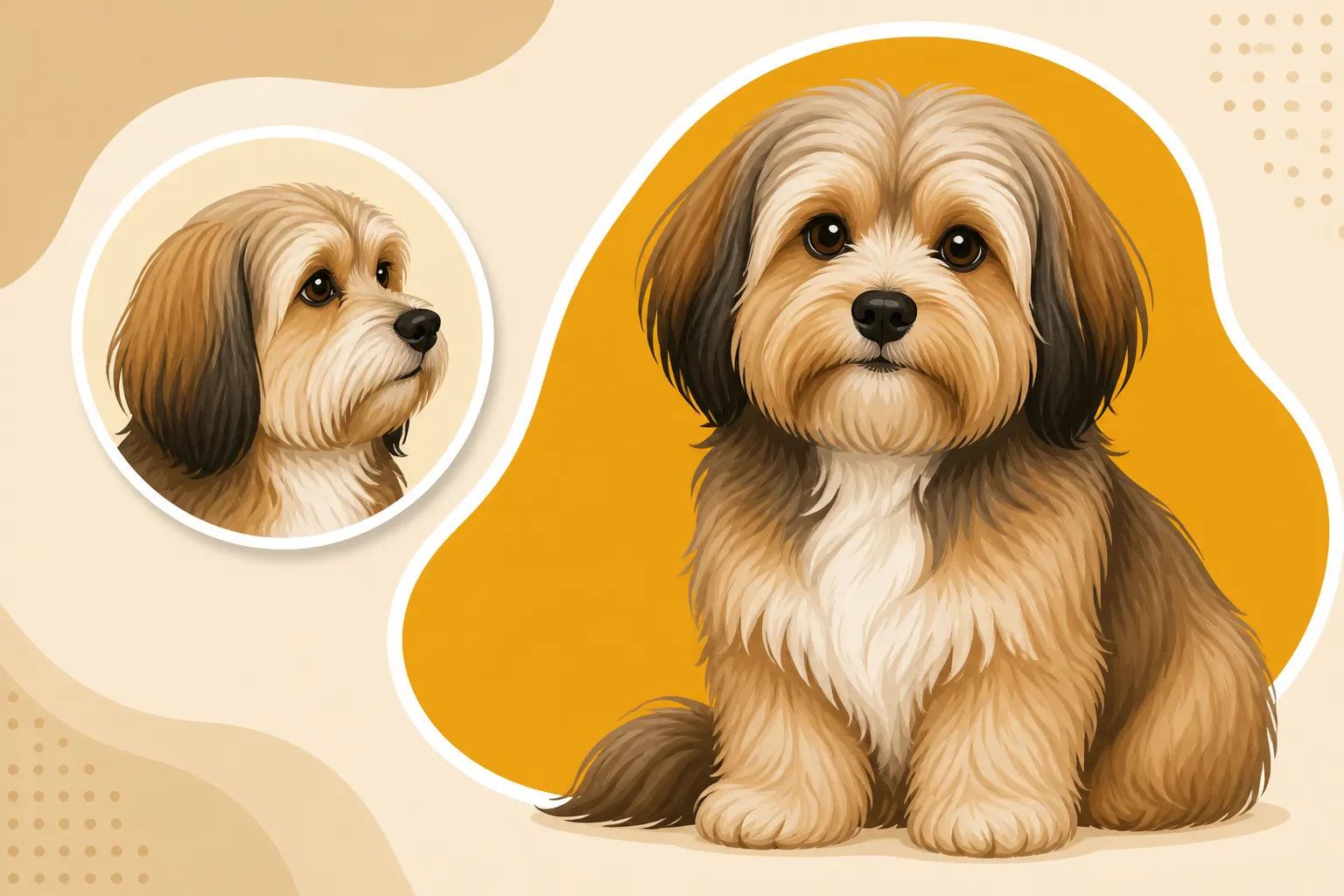
What a Sable Havanese Looks Like
Many Havanese owners or hopeful future owners are often captivated by the striking 'sable' color in puppies, only to be surprised when their adorable furball's coat begins to transform as they grow. It's a common source of confusion and sometimes even worry when that deep, rich puppy color starts to lighten or change. This comprehensive guide will unravel the mystery of the sable Havanese, explaining what this beautiful color looks like at different stages, how and why it changes, and what to expect as your Havanese matures, helping you appreciate every stage of their unique coat journey.
The Alluring Mystery of the Sable Havanese Coat
When you first glimpse a Havanese puppy, especially one with a sable coat, you might be struck by its distinct beauty. But what exactly does "sable" mean in the world of Havanese, and why is it so often a topic of discussion among owners? It's not just a single color, but rather a pattern that creates a truly dynamic and evolving appearance. Understanding the basics helps set the stage for appreciating this unique coat type.
What Exactly is a Sable Havanese?
A sable Havanese isn't just a Havanese that's brown or gold. "Sable" refers to a coat pattern where each individual hair strand is banded with different colors, typically darker at the tip and lighter towards the base. Imagine dipping the end of a paintbrush into a darker shade after it's already been used for a lighter one – that's often the effect on each hair. In Havanese, this usually manifests as a lighter base color, like gold, cream, or red, with black or dark brown tipping on the ends of the hairs. This tipping is what gives sable its characteristic shaded, often smoky or dusty appearance, especially noticeable on puppies. It creates a depth and richness that a solid color simply doesn't have. The areas with denser tipping will appear darker, while areas with less will seem lighter, creating a beautiful interplay of shades across the dog's body.
The Genetic Dance Behind Sable Color
The phenomenon of sable in Havanese is all thanks to a fascinating genetic interplay, primarily involving the A locus (agouti series) and other modifying genes. The gene responsible for sable is often referred to as 'Ay'. This gene tells the hair follicle to produce pheomelanin (red/yellow pigment) for most of the hair, but then switch to eumelanin (black/brown pigment) at the tip. It's like a tiny internal timer on each hair. What makes it even more interesting for Havanese specifically is the presence of other genes, often called "fading" or "silvering" genes, which are quite common in the breed. These genes cause the eumelanin (dark pigment) in the coat, including the black tips of sable hairs, to lighten or "clear" over time. This is why a Havanese puppy with prominent dark sable markings often matures into an adult with a much lighter, softer, and sometimes completely different hue. It’s not just a superficial change; it’s a genetic predisposition that makes the sable Havanese coat a living canvas. You might often hear breeders talking about these genetic factors when discussing Whether a Havanese Puppy's Color Predicts the Adult, hinting at the often unpredictable nature of a Havanese's final coat color.
The Adorable Puppy Stage: Sable's First Impression
When you first bring home a sable Havanese puppy, their coat is likely to be a striking, rich color. This initial appearance is often what draws people in, with the expectation that the color will remain vibrant. However, it's during these early weeks and months that the sable pattern is at its most pronounced and also when the first hints of future changes begin to emerge.
Dark Tipping and the "Black Mask" Phenomenon
A sable Havanese puppy typically presents with very noticeable dark tipping on its coat. This isn't just a subtle shading; often, the ends of the hairs, particularly along the back, ears, and tail, will be a deep black or very dark brown. This heavy tipping gives the puppy an almost "dirty" or "smoky" appearance over a lighter base of gold, cream, or red. One of the most endearing and recognizable features of a sable Havanese puppy is what many owners refer to as a "black mask." This isn't a true mask like you'd see on a German Shepherd, but rather a heavy concentration of dark tipping around the muzzle, eyes, and sometimes across the forehead. This dark shading beautifully outlines their expressive eyes and gives them an incredibly cute, almost mischievous look. This mask, along with the heavy tipping elsewhere, is usually the darkest the sable pattern will ever be. It's a temporary stage, but a truly charming one that many owners adore.
Recognizing the Early Signs of Sable
Identifying a sable Havanese puppy isn't too difficult if you know what to look for. Beyond the general dark tipping and potential "mask," pay close attention to the individual hair strands. If you gently part the coat, especially on the back or over the shoulders, you should be able to see that the base of each hair is lighter – maybe a creamy white, a golden blonde, or a soft red – while the tips are distinctly dark. This banding is the hallmark of sable. A solid black or chocolate Havanese puppy won't show this banding; their hairs will be consistently colored from root to tip.
As the puppy grows, usually around 8-12 weeks, you might start noticing lighter roots emerging more prominently as their hair grows out. This is your first clue that the "clearing" process is beginning. Even at a young age, if you're looking at a litter, comparing a potential sable puppy to its solid-colored siblings will highlight the unique shaded appearance. Remember that Havanese coats are known for their Whether a Havanese Changes Color as It Grows, and sable is perhaps the most dramatic example of this transformation.
The Great Transformation: Watching Sable Evolve
One of the most surprising, yet utterly captivating, aspects of owning a sable Havanese is witnessing the profound transformation their coat undergoes. The adorable, darkly tipped puppy you brought home might bear little resemblance to the mature dog, at least in terms of color. This change is entirely natural and part of the breed's charm.
The "Clearing" or "Fading" Process Unveiled
The phenomenon of the sable Havanese coat lightening over time is widely known as "clearing" or "fading." It's not that the color is literally fading like old fabric in the sun, but rather a genetic process where the eumelanin (black/dark pigment) in the hair shafts gradually lightens or disappears as the dog matures. This clearing is primarily driven by modifier genes, often referred to as the "G locus" (progressive greying/silvering) or other dilution genes, that affect how eumelanin is expressed over time. The dark tips of the sable hairs, which were so prominent in puppyhood, begin to soften, turn to a lighter brown, silver, or even disappear entirely, leaving behind the lighter base color.
Imagine a paint job where the top layer slowly becomes transparent, revealing the primer beneath. That's a good analogy for what happens with a sable Havanese. The intense black or dark brown puppy tipping starts to recede, often turning to a soft grey, a lighter brown, or even a creamy white. This process usually begins subtly around 3-6 months of age and can continue, sometimes for the first two years, or even beyond, gradually revealing the adult color. It's a key reason why it's so difficult to predict Whether a Havanese Puppy's Color Predicts the Adult.
Factors Influencing the Final Adult Shade
While genetics are the primary driver of how a sable Havanese coat will clear, several other factors can subtly influence the final adult shade. The extent and speed of clearing are largely predetermined by the dog's specific genetic makeup. Some sables will clear almost completely, becoming a soft cream or white, while others will retain some degree of smoky overlay, particularly on the ears and tail.
Environmental factors like sun exposure can also play a minor role. Just like human hair can lighten in the sun, a Havanese's coat might see some subtle sun-bleaching. However, this is distinct from the genetic clearing process. Diet and overall health also contribute to coat quality and vibrancy. A well-nourished Havanese with a balanced diet will naturally have a healthier, shinier coat, regardless of its changing color. Using quality grooming products, perhaps from a trusted retailer like Chewy, can help maintain the coat's condition as it transforms. It's a dance between nature and nurture, with genetics leading the show in terms of color change. You can learn more about general coat care by reading The Silky Double Coat a Havanese Grows to the Floor.
Stages of Color Change in a Sable Havanese
The color transition of a sable Havanese is rarely a sudden event; it's more of a gradual unfolding, often progressing through several noticeable stages.
- Puppy Stage (0-6 months): This is when the dark tipping and "black mask" are most pronounced. The coat is rich, deep, and often quite striking. The contrast between the dark tips and the lighter base is very clear.
- Transitional Stage (6-18 months): This is where the magic really begins. You'll notice the dark tips starting to soften. Black might turn to a smoky grey or light brown. The "mask" might begin to recede, and the overall coat will appear lighter and less intensely shaded. New hair growth will come in lighter at the roots, pushing out the darker puppy coat. This is a common period when owners start wondering if their dog is truly sable, as the color shifts so dramatically.
- Young Adult Stage (18 months – 3 years): By this point, much of the clearing will have occurred. The coat will likely be a much lighter version of its puppy self. What was once a deep red sable might now be a golden cream with just hints of darker shading on the ears. What was a dark gold sable could now be a pale gold or even an off-white. Some Havanese will retain a "smutty" appearance, where some darker hairs remain interspersed, particularly on the topline.
- Mature Adult Stage (3+ years): While most of the major clearing happens earlier, some subtle changes can continue throughout a Havanese's life. The coat might mellow further, or certain areas might show slightly more or less pigmentation depending on hair cycles and sun exposure. Some sables, particularly those with a stronger silvering gene, might continue to lighten, even resembling a very light silver or cream by their senior years, similar to how Whether a Black Havanese Turns Silver can occur.
Understanding these stages helps manage expectations and allows you to appreciate each phase of your Havanese's evolving beauty.
| Stage | Typical Age | Appearance Description |
|---|---|---|
| Puppy | 0-6 Months | Pronounced dark tipping (black/dark brown) on individual hairs, often forming a "black mask" on the muzzle and around the eyes. Base coat (gold, cream, red) is less visible under heavy tipping. Overall appearance is rich and deeply shaded. |
| Transitional | 6-18 Months | Dark tipping begins to "clear" or "fade," turning to lighter brown, grey, or silver. The "mask" becomes less defined. New hair growth is noticeably lighter at the roots. Overall coat appears softer, less intense, and more varied in shade as old and new hairs mix. |
| Young Adult | 18 Months – 3 Years | Much of the clearing is complete. Coat is significantly lighter than puppyhood, often settling into a cream, pale gold, or light red. Hints of darker shading may remain on ears, tail, or topline. The characteristic banded hair structure may still be visible, but with reduced contrast. |
| Mature Adult | 3+ Years | Color is largely stable, though minor softening can continue. The dog maintains its lighter adult shade, with only subtle remnants of the original dark tipping. The coat often appears very uniform in its final lighter color, with good sheen and texture. |
Beyond Basic Sable: Exploring Variations
The term "sable" itself is quite broad, and within this classification, there are many beautiful variations that add to the Havanese's charm. Just as Every Color a Havanese Is Allowed to Be, sable isn't a single, monolithic look, but rather a spectrum influenced by other color genes.
From Golden to Red: The Spectrum of Sable Hues
The base color beneath the dark tipping largely determines the specific hue of a sable Havanese.
- Gold Sable: This is one of the most common and classic sable presentations. The underlying color of the hair is a rich golden yellow or a lighter blonde. When combined with black tipping, especially in puppyhood, it creates a warm, shaded gold appearance. As it clears, a gold sable Havanese will typically lighten to a beautiful cream, pale gold, or even a soft off-white, often retaining delicate hints of gold or blonde in the ears.
- Red Sable: A red sable Havanese has a vibrant, fiery red base coat. This red can range from a deep mahogany to a bright, coppery hue. With the black tipping, especially as a puppy, a red sable looks incredibly striking and dramatic. As these dogs clear, they tend to maintain more of their base color, often becoming a gorgeous apricot, light red, or strawberry blonde, sometimes with silver or light brown shading in areas where the dark tips have faded. It's a truly beautiful transformation to behold.
- Cream Sable: Some sables have a very light, almost white or pale cream base coat. When tipped with dark hairs, they still have that characteristic shaded look, but it's often softer from the start. As they clear, these Havanese usually become a pristine cream or white, with perhaps just a whisper of darker pigment left on the ear edges.
Each of these base colors, when combined with the sable pattern, offers a unique aesthetic that evolves beautifully over time.
Parti-Sable and Other Pattern Combinations
The sable pattern isn't always uniform across the entire dog. Havanese can also be "parti-colored," meaning they have patches of color on a white background. When a Havanese is parti-sable, it means that the colored patches on its body are sable. So, you might see a white Havanese with patches of gold sable or red sable, complete with the dark tipping on those colored sections. As these dogs mature, the sable portions of their coat will undergo the same clearing process, transforming those patches from darkly shaded to lighter hues of cream, gold, or apricot against the crisp white. This creates an incredibly dynamic and often stunning appearance.
Beyond parti-sable, you can also see sable markings combined with other patterns like Irish pied (specific white markings on chest, legs, and collar). These combinations simply mean that the areas designated for color will express the sable pattern and its subsequent clearing, adding even more variety to the already diverse Havanese color palette. These variations highlight just how intricate and beautiful Havanese genetics truly are, making each individual dog a unique work of art.
Common Misconceptions About Sable Havanese
Given the dramatic changes a sable Havanese coat can undergo, it's no surprise that there are a few common misunderstandings floating around. It's important to clarify these, not just for the sake of accuracy, but to help owners appreciate their dog's unique beauty without unnecessary worry.
Sable vs. Brindle
One frequent point of confusion is differentiating sable from brindle. While both involve multiple colors on a hair or within the coat, they are distinct patterns.
- Sable: As we've discussed, sable involves individual hair strands that are banded – lighter at the base and darker at the tip. This creates a shaded, soft, often dusty or smoky appearance across the coat. When you look closely at a sable, you see a blend of shades, not distinct stripes.
- Brindle: Brindle, on the other hand, is characterized by stripes or streaks of darker color (typically black or brown) against a lighter background (like fawn or red). Think of a tiger or a brindle Boxer; they have distinct, often vertical, stripes of color. In Havanese, brindle is also seen, but it creates a clearly striped pattern on the body, not the overall shaded effect of sable. A brindle Havanese would have these stripes, whereas a sable Havanese would have uniformly tipped hairs giving a blended, shadowed look. Sometimes, very heavy sable tipping can look a little like brindle from a distance, but a closer inspection of individual hairs reveals the difference.
Sable and Health Myths
Thankfully, there are generally no negative health implications directly associated with the sable coat color or the genes that cause its clearing. Unlike some breeds where certain color genes are linked to health issues (e.g., merle patterns sometimes linked to deafness or eye problems), sable in Havanese is simply a cosmetic trait. The fading or silvering genes, while they dramatically change the dog's appearance, are not known to cause any health concerns in Havanese.
Any health issues a sable Havanese might experience would be typical of the breed as a whole, unrelated to their specific coat color. Therefore, you don't need to worry that your sable Havanese is at a higher risk for health problems simply because of its beautiful, changing coat. What you should always focus on is selecting a puppy from a reputable breeder who conducts all recommended health screenings, regardless of coat color. For general Havanese health considerations, you might want to read The Fourteen to Sixteen Years a Havanese Lives.
Living with a Changing Sable Coat: Care and Expectations
Owning a sable Havanese means embracing a journey of color. Their evolving coat is a central part of their identity and provides endless fascination. Beyond admiring the transformation, there are practical aspects to consider, particularly concerning grooming.
Grooming a Sable Havanese Through Its Color Journey
The fact that your Havanese's coat color is changing doesn't fundamentally alter its grooming needs, but it can make you more acutely aware of the coat's condition. Havanese are a high-maintenance grooming breed, regardless of color, due to their long, silky double coat. Regular brushing is paramount to prevent matting, which can hide the beautiful subtle color shifts and even cause skin issues.
- Brushing: You'll need to commit to daily or at least every-other-day line brushing to get down to the skin. This prevents tangles and mats from forming, especially during the coat change period around 8-18 months when the puppy coat is shedding and the adult coat is coming in. You can find a great selection of brushes and combs on Chewy that are specifically designed for long-coated breeds. Discovering How Often a Havanese Must Be Brushed will be a key part of your routine.
- Bathing: Regular bathing (every 2-4 weeks) with a good quality shampoo and conditioner designed for long, silky coats will keep the hair clean, soft, and less prone to matting. Always make sure to thoroughly dry and brush out the coat after bathing to avoid tangles.
- Trimming: Many sable Havanese owners opt for a shorter "puppy cut" as their dog matures. This isn't just for aesthetics; it can make daily grooming more manageable and comfortable for both dog and owner. A shorter cut still shows off the changing colors beautifully, and you'll likely find that it's The Puppy Cut Most Havanese Owners End Up Choosing for practicality. Trimming around the face, paws, and sanitary areas is also essential.
Remember, a healthy coat, regardless of its shifting hues, is a well-groomed coat. The care you put into it will ensure your sable Havanese's beauty shines through every stage of its color evolution.
Appreciating Every Stage of Your Havanese's Unique Beauty
It's common for owners to fall in love with a specific "look" of their Havanese puppy, only to be surprised when the coat changes. There might be a moment of "Wait, where did my dark sable puppy go?" But truly, the beauty of a sable Havanese lies in its dynamic nature. Rather than mourning the loss of the puppy color, try to embrace and celebrate each new stage.
Your Havanese is a living, breathing canvas, constantly re-painting itself. The rich, dark puppy coat is adorable, but the soft, nuanced creams, golds, and apricots of the adult sable are equally stunning, often possessing an elegant sophistication. Each phase tells a story of growth and development. Take photos, keep notes, and enjoy the journey. Your Havanese's unique color evolution is a testament to the breed's fascinating genetics and adds an extra layer of individuality to your beloved companion. It's a journey that makes their coat truly one-of-a-kind.
Disclaimer
This article is for general informational purposes only and does not constitute professional advice. Laws, prices and regulations vary by location and change over time. Consult a qualified professional for guidance on your specific situation.