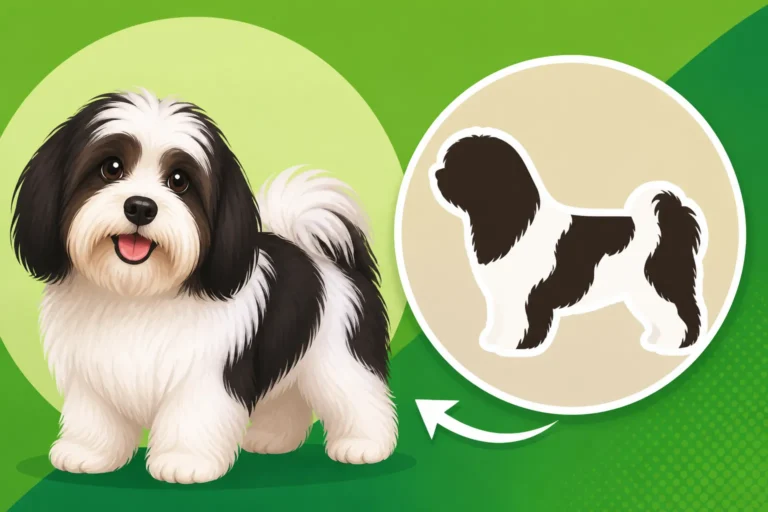
The Age a Havanese Reaches Full Size
One of the most exciting, and sometimes perplexing, parts of bringing home a tiny Havanese puppy is watching them grow. You fall head over heels for their adorable fluff and clumsy antics, but then you start to wonder: just how big will they get, and when will they finally reach their full, glorious adult size? It feels like they’re changing daily, and it’s natural to be curious about when that growth spurt will settle down. This guide is here to walk you through the typical growth trajectory of a Havanese, helping you understand what to expect and when your precious companion will officially be considered "grown."
The Stages of Havanese Puppy Growth
Watching a Havanese puppy develop is like witnessing a tiny, magical transformation. They start as these impossibly small, often wobbly bundles of joy, and before you know it, they're leaping around with confidence. But this journey isn't a straight line; it has distinct phases, each with its own characteristics and milestones. Understanding these stages can help you appreciate their development and ensure you're providing the right care every step of the way.
Rapid Early Development: Birth to Four Months
From the moment they're born until about four months of age, Havanese puppies are in a state of incredibly rapid growth. Think of it like a little explosion of development! In these early weeks, they're not just gaining weight at an astonishing rate, but their bones are lengthening, their muscles are starting to form, and their coordination is improving dramatically. A tiny newborn, barely fitting in the palm of your hand, will quickly become a bouncy, playful four-month-old who seems to double in size overnight.
During this period, they're mostly focused on getting bigger and stronger. Their little legs might seem disproportionately long at times, making them appear a bit gangly as they learn to navigate the world. They're exploring with their mouths, learning about textures, and beginning to understand their surroundings. It's a critical time for proper nutrition, as their little bodies are working overtime to lay the foundation for their adult size and health. High-quality puppy food, packed with essential nutrients, is absolutely paramount to support this intense period of development.
The Awkward Teenage Phase: Four to Eight Months
Ah, the teenage phase! Just like human teenagers, Havanese puppies between four and eight months can sometimes look a little… well, awkward. The rapid growth from the earlier months might start to slow a touch, but they're still visibly growing. You might notice their legs are still longer than their bodies, making them appear "leggy," or perhaps their head seems a bit small for their growing frame. This is perfectly normal and just part of their process of catching up to themselves.
This stage is often characterized by significant bone growth, and they're really starting to develop their muscle tone. Their energy levels are typically quite high, and they're eager to explore, play, and learn. It’s a wonderful time to continue with positive reinforcement training and socialization. While their height is still increasing, their body is also preparing to "fill out" later on. It’s also a time when you really see their individual personality shine through, even if they still look like they haven’t quite grown into their paws yet. For a deeper dive into what to expect during this crucial period, you might find our guide on The First Year With a Havanese Puppy incredibly helpful.
Filling Out and Maturing: Eight to Twelve Months
As your Havanese approaches their first birthday, you'll notice a distinct shift in their growth pattern. By eight to ten months, most Havanese will have reached very close to their adult height. Those long, gangly legs start to look more in proportion with their body. The primary focus of growth now shifts from getting taller to filling out. Their chest will broaden, their body will gain more substance, and they’ll start to look more mature and robust.
This "filling out" period continues steadily, and by twelve months, many Havanese are considered to be at their full structural size. Their coat, which might have been a bit sparse or varied in texture during their adolescent months, also starts to develop its full adult luxuriousness. It's often around this time that you'll transition them from puppy food to a high-quality adult diet, ensuring they maintain a healthy weight and continue to support their maturing body. This transition is important because their caloric needs will change once the intense period of rapid growth is behind them.
Factors That Influence Your Havanese's Final Size
While we can talk about general growth timelines, it's important to remember that every Havanese is an individual, and their final size can be influenced by several key factors. It's not just about how old they are, but also about the genetic hand they were dealt, the food they eat, and even their early life experiences.
Genetics: The Blueprint from Parents
Without a doubt, genetics play the most significant role in determining your Havanese's adult size. Think of their parents as providing the blueprint. If both parents are on the smaller side of the breed standard, your puppy is highly likely to be smaller as an adult. Conversely, if the parents are larger, you can anticipate your puppy growing into a bigger Havanese. It's often helpful to meet the parents of a prospective puppy, if possible, or at least see photos and know their adult weights. This gives you a fantastic clue about what to expect.
Even grandparents and earlier generations in the pedigree can influence size, though the immediate parents are usually the strongest indicator. A good breeder will be transparent about the size of their breeding dogs and can give you an educated estimate of your puppy's likely adult weight and height. Remember, the Havanese breed has a range of acceptable sizes, and a healthy Havanese can fall anywhere within that standard. For more insight into predicting your puppy's future dimensions, our article on Whether Parent Weights Predict a Havanese's Size offers some excellent considerations. And if you're curious about the typical range, you can learn more by checking out What an Adult Havanese Weighs.
Nutrition and Diet Quality
While genetics set the potential, nutrition helps that potential be fully realized (or, unfortunately, sometimes hindered). Feeding a high-quality, balanced diet specifically formulated for puppies is critical during their rapid growth phases. Puppy food contains the right balance of protein, fats, vitamins, and minerals to support healthy bone and muscle development. Investing in high-quality puppy food, readily available through retailers like Chewy, is paramount.
Overfeeding a puppy, especially with calorie-dense adult food too early, can sometimes lead to excessive weight gain that puts undue stress on their developing joints. Conversely, underfeeding or feeding a poor-quality diet can stunt growth and lead to nutritional deficiencies. It’s all about finding that healthy balance. Always consult the feeding guidelines on your chosen food packaging and adjust based on your puppy's activity level and body condition. For guidance on how much an adult Havanese typically eats, How Much an Adult Havanese Eats Daily can be a useful reference point.
Spaying or Neutering Timing
The timing of spaying or neutering can have a subtle, though usually not dramatic, effect on a Havanese's skeletal growth. Sex hormones play a role in the closure of growth plates in bones. When puppies are spayed or neutered early (before their growth plates have fully closed), they might grow slightly taller or longer-boned than if they had been altered later, after their growth plates have naturally closed. This is because the removal of those hormones can delay the closure of the growth plates, allowing the long bones to continue growing for a bit longer.
For a small breed like the Havanese, this difference is often minimal and might not be noticeable to the average owner. However, it's a factor that some veterinarians and breeders consider when discussing the optimal timing for the procedure. It’s always best to have a conversation with your veterinarian about the best time to spay or neuter your individual Havanese, taking into account their growth, health, and your lifestyle.
Pinpointing "Full Size": When the Growth Spurt Ends
It's natural to eagerly anticipate when your Havanese will finally look like a fully formed adult, shedding those adorable, but sometimes gangly, puppy features. While there's no exact "flip the switch" moment, we can narrow down the typical windows for when they achieve their full height and then, subsequently, finish filling out.
Reaching Full Height: Around Eight to Twelve Months
For most Havanese, the upward trajectory of growth – meaning their height – tends to slow down significantly and essentially stop between 8 and 12 months of age. Many will hit their adult height, or be very close to it, by 8 to 10 months. At this point, you'll notice that they are no longer getting noticeably taller, even if their weight might still fluctuate a bit. It’s a good time to gauge their final standing height.
If you've been taking regular pictures or even doing informal measurements against a door frame, you'll see that the major vertical growth has ceased. Their legs, which once seemed like stilts, now appear more balanced with the rest of their body. While they might still look a touch slender, their frame is largely established. If you're wondering about the typical height range for the breed, you can find more information in our article How Tall a Havanese Stands.
Filling Out: Up to Eighteen Months
Even after your Havanese reaches their adult height, their journey to "full size" isn't quite over. The next phase is all about filling out, maturing their muscle mass, and broadening their body. This means their chest might deepen, their rib cage can expand, and they’ll generally gain more substance and density. This process can continue well beyond their first birthday, often until they are around 18 months old, and sometimes even a little longer for some individuals.
During this period, they're developing the mature physique that defines the breed. Their coat also contributes to this appearance, becoming thicker and fuller, giving them a more substantial look. So, if your Havanese looks tall and lanky at 10 months, don't worry! They still have a few more months to fill out and achieve that lovely, sturdy Havanese build. To understand this phase better, take a look at Whether a Havanese Fills Out After a Year.
Understanding the "Average" Havanese Size
When we talk about full size, it’s important to understand what the breed standard generally considers "average." Havanese are a toy breed, known for their compact yet sturdy build. They typically stand within a specific height range and have an ideal weight that corresponds to that frame. It’s a delicate balance; they should never appear overly delicate or excessively heavy.
There's a natural variation within the breed, and a Havanese that's slightly smaller or larger than the midpoint of the standard can still be a perfectly healthy and well-conformed dog. However, be wary of breeders advertising "teacup" Havanese. These are often undersized dogs that can come with significant health problems due and are not a recognized variant of the breed. For a deeper discussion on this, our article Whether a Teacup Havanese Exists provides crucial information. The goal is a healthy, well-proportioned Havanese, regardless of whether they are at the smaller or larger end of the typical range.
Here's a quick overview of the Havanese growth phases:
| Age Range (Approximate) | Primary Growth Focus | Key Physical Changes |
|---|---|---|
| Birth – 4 Months | Rapid Length & Weight Gain | Fast increase in overall size, puppy features |
| 4 – 8 Months | Height & Bone Development | Legs lengthen, can appear gangly and energetic |
| 8 – 12 Months | Height Plateaus | Reaches adult height, begins to gain body substance |
| 12 – 18 Months | Filling Out & Muscle Maturation | Chest broadens, body matures, coat fully develops |
Practical Tips for Monitoring Your Havanese's Growth
Being a Havanese parent means being attentive to their needs at every stage, and monitoring their growth is a big part of that. It’s not just about curiosity; it’s about ensuring they’re developing healthily and that any potential concerns can be caught early. Here are some practical ways to stay on top of your Havanese’s growth journey.
Regular Vet Check-ups
Your veterinarian is your best partner in monitoring your Havanese's growth and overall health. Regular puppy check-ups are absolutely crucial, especially during their first year. During these visits, your vet will weigh your puppy, assess their body condition, listen to their heart, and check their joints and overall development. They can compare your puppy's growth to typical charts for the breed and alert you to any unusual patterns that might warrant further investigation.
These visits are also a fantastic opportunity for you to ask any questions you have about their development, feeding, or any other health concerns. Think of your vet as having a keen eye for what a healthy Havanese puppy should look and feel like at each stage, and they can provide personalized advice. The Health Tests Both Havanese Parents Should Have also sheds light on some of the genetic predispositions that responsible breeders screen for, which can indirectly influence healthy development.
Maintaining a Healthy Weight
Keeping your Havanese at a healthy weight throughout their growth and into adulthood is paramount for their long-term well-being. Too much weight, even as a puppy, can put unnecessary strain on their developing joints and skeletal system, potentially contributing to issues later in life. On the other hand, being underweight could signal insufficient nutrition or an underlying health problem.
You should be able to feel your Havanese's ribs easily under a slight layer of fat, but they shouldn't be visibly prominent. Their waist should tuck in slightly when viewed from above, and their belly should not sag. Regularly checking the feeding guidelines on the bag (which are usually clearly displayed on product pages on sites like Chewy) is a great starting point, but always adjust based on your dog's individual metabolism and activity level. If you're concerned about your Havanese becoming overweight, our guide on Keeping a Havanese From Getting Heavy offers excellent advice. And for planning purposes, How Much Food a Havanese Eats Monthly might help you budget for their nutritional needs. Also, thinking about The Meal Schedule a Havanese Puppy Needs can make a huge difference in their early development, as can knowing Whether a Havanese Needs Small Breed Kibble for proper nutrition.
Documenting Milestones
One of the most enjoyable ways to monitor your Havanese's growth is simply by documenting it! Take photos at regular intervals – perhaps once a month – from the day you bring them home. Stand them in the same spot, against a neutral background, to really see the changes. You can also informally measure their height at the shoulder or weigh them on a home scale. This creates a wonderful keepsake and a tangible record of their growth.
Beyond physical size, note down developmental milestones: when they learned a new trick, when their adult coat started coming in, or when they fully mastered housetraining. These observations can provide insights into their overall maturity. Online retailers such as Chewy offer a vast array of puppy-specific products, from growth-friendly food to toys that encourage healthy development, all of which contribute to tracking their progress. It's truly amazing to look back and see how much your little fluffball has transformed into the adult Havanese you adore.
Disclaimer
This article is for general informational purposes only and does not constitute professional advice. Laws, prices and regulations vary by location and change over time. Consult a qualified professional for guidance on your specific situation.