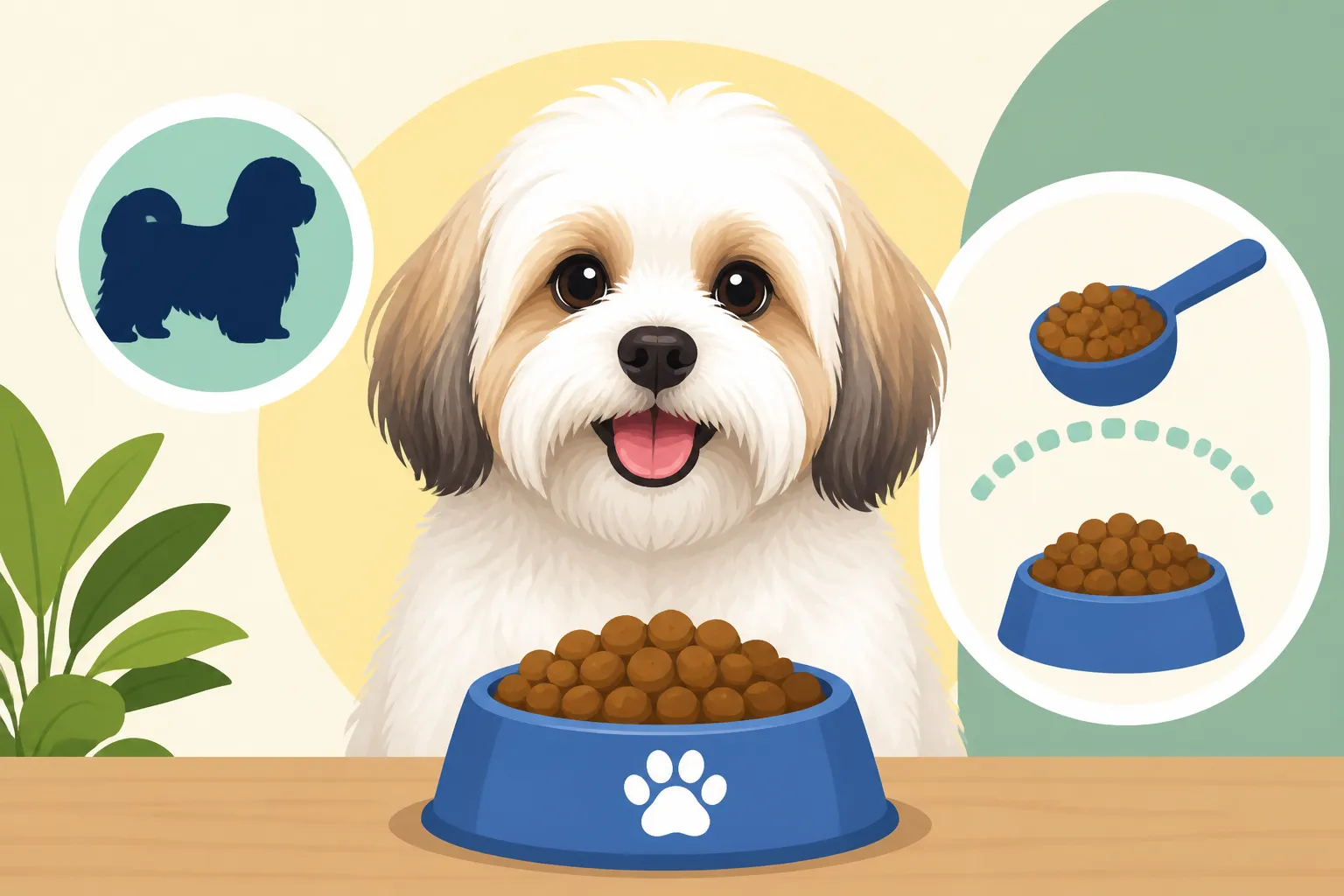
How Much an Adult Havanese Eats Daily
It’s a common worry among Havanese owners, whether you’ve just brought home your first fluffy companion or you’re navigating the golden years with a cherished senior. Figuring out exactly how much food your adult Havanese needs each day can feel like a guessing game, especially when every bag of kibble gives a different suggestion and your sweet pup always seems to want more. This comprehensive guide is here to demystify daily feeding amounts for your adult Havanese, helping you ensure they receive the right nutrition to thrive.
Understanding Your Adult Havanese's Caloric Needs
When it comes to feeding your Havanese, it’s not just about filling a bowl; it’s about providing the right amount of energy and nutrients to keep them healthy and happy. An adult Havanese is typically considered to be a small breed, and their metabolism can be quite efficient, but also surprisingly variable depending on their individual energy levels. Many new Havanese parents are initially surprised by how much or how little their little dog eats compared to general guidelines. It's truly an art to find the sweet spot for your particular pup.
The Basics of Caloric Intake for Small Dogs
Generally speaking, dogs need a certain number of calories per day to maintain their body weight and support their daily activities. This is often referred to as their Resting Energy Requirement (RER) or Daily Energy Requirement (DER). For small breeds like the Havanese, this calculation is usually based on their ideal body weight. It’s not just about their current weight, but what they should weigh if they’re at a healthy body condition. A little extra fluff on a Havanese can easily skew the numbers, leading to overfeeding.
Imagine you have a Havanese named Biscuit who weighs ten pounds. If Biscuit is healthy and moderately active, he'll need a certain amount of calories to sustain that. But if Biscuit is a couch potato, or if he's a highly active agility dog, his needs will be very different. The kibble bag guidelines are a starting point, but they can't account for the unique characteristics of your Havanese. They are often generalized across a wide range of breeds and activity levels, which means you have to do some fine-tuning yourself. This is why paying close attention to your dog's body condition and energy levels is far more important than strictly adhering to a number on a bag. You might even find yourself wondering How Much an Adult Havanese Eats Daily compared to the charts.
Calculating Estimated Daily Calories
While a vet is the best person to give precise recommendations, a common formula for estimating daily caloric needs for adult dogs is around 25-30 calories per pound of ideal body weight for moderately active dogs. However, this is a very broad stroke. For smaller breeds, the metabolic rate can actually be higher per pound, meaning they often need slightly more calories per pound than a large breed. This might seem counterintuitive, but a tiny body has to work harder to maintain temperature and perform basic functions.
Let's consider a Havanese who should ideally weigh between 7 to 13 pounds. A 10-pound Havanese might need anywhere from 250 to 350 calories per day, but this range can fluctuate significantly based on factors we'll explore next. For example, a senior Havanese might need fewer calories as their metabolism slows down, while a very active young adult might need more. The key is to think of these numbers as a flexible starting point, a baseline from which to observe and adjust for your own Havanese's unique needs. This flexibility is crucial to Keeping a Havanese From Getting Heavy.
Factors That Influence How Much Your Havanese Eats
Determining the perfect portion size for your Havanese isn't a one-and-done task. Several dynamic factors play a huge role in how much they genuinely need to eat each day. Ignoring these can lead to either an underweight, lethargic pup or an overweight one with potential health issues. It's a balancing act that requires ongoing attention and adjustment.
Age and Life Stage
A Havanese puppy, for instance, is a little energy-burning machine, constantly growing and developing. They require significantly more calories per pound of body weight than an adult Havanese. But once they reach adulthood, usually around 10-12 months, their growth plateaus, and their caloric needs shift. The Age a Havanese Reaches Full Size will often coincide with this change in dietary needs. An adult Havanese maintaining a healthy weight has a steady caloric requirement, but even then, it's not static. As your Havanese ages into its senior years, perhaps around 8-10 years old, their metabolism naturally slows down. They might become less active, preferring naps to long play sessions. At this point, their caloric intake should typically be reduced to prevent unwanted weight gain, even if they still seem to have a hearty appetite. Caring for a Havanese Past Twelve often involves dietary adjustments.
Activity Level
This is perhaps the most significant variable after age. A Havanese that enjoys multiple brisk walks a day, engages in regular playtime, or participates in dog sports like agility will burn far more calories than a Havanese whose primary activity is cuddling on the sofa. Think of it like a human athlete versus someone with a sedentary desk job; their energy demands are vastly different.
For example, if your Havanese, let’s call him Leo, is a whirlwind of zoomies and daily park adventures, he'll naturally need more fuel. If he's a calm companion who enjoys short strolls and extensive napping, his needs will be at the lower end of the spectrum. The mistake many owners make is feeding the same amount regardless of whether it's a rainy week indoors or a sunny week filled with outdoor activities. Pay attention to your Havanese's daily routine. Is it consistent, or does it vary? If you increase their exercise, you might need to slightly increase their food, and vice versa. It’s all about matching input to output.
Metabolism and Individual Differences
Just like people, every Havanese has a unique metabolism. Some dogs are naturally lean and can eat a surprising amount without gaining weight, while others seem to put on pounds just by looking at a treat. This genetic predisposition plays a big role. You might have two Havanese of the same age and activity level, but one simply needs less food than the other to maintain a healthy weight.
Breed-specific traits also factor in. While Havanese are generally a healthy breed, certain underlying health conditions, even minor ones, can affect metabolism or appetite. For instance, a Havanese with a slightly underactive thyroid might gain weight more easily, requiring stricter portion control. Conversely, a very active dog with a super-fast metabolism might struggle to keep weight on if not fed adequately. This is where getting to know your individual dog is paramount. There isn’t a one-size-fits-all answer, so regular weight checks and body condition scoring are your best tools.
Spay/Neuter Status
This is often overlooked but can have a significant impact. Spaying or neutering a Havanese can often lead to a decrease in metabolic rate and a tendency to gain weight. Hormonal changes after the procedure mean that a dog may require fewer calories to maintain the same weight they had before. If you continue to feed the same amount as before the surgery, you'll likely see the pounds creep on.
Many veterinarians recommend reducing a dog's caloric intake by about 20-30% after spaying or neutering. This isn't a hard and fast rule, but it's a good starting point for adjustment. Monitoring your Havanese's weight closely in the months following their surgery is essential. If you notice weight gain, it's a clear signal to consult with your vet about reducing portion sizes or switching to a lower-calorie food, as preventing obesity is key to long-term health.
Type of Food
Not all dog foods are created equal, and their caloric density varies widely. Dry kibble, wet food, fresh food, and raw diets all have different calorie counts per serving. A cup of one brand of kibble might have significantly more or fewer calories than a cup of another, depending on its ingredients and formulation.
For example, a premium kibble designed for active small breeds might be more calorie-dense, meaning your Havanese needs less volume to meet its caloric requirements. Conversely, a diet food will be less dense. Fresh food diets, like those offered by companies such as Ollie, might have a different caloric profile compared to a standard kibble, often requiring specific portioning based on their unique formulations. Always check the nutritional information provided by the food manufacturer, but use it as a guide, not a gospel. It's important to remember that these are averages and your specific Havanese might still need adjustments. This information helps you understand Whether a Havanese Needs Small Breed Food and how different formulations play a role.
Here's a general table illustrating how different factors might influence a 10-pound adult Havanese's daily caloric needs. Remember, these are estimates and not medical advice.
| Factor | Estimated Daily Calories (10 lb Havanese) | Notes |
|---|---|---|
| Sedentary Adult | 200-250 | For Havanese with very low activity levels, mostly indoors, short walks. |
| Moderately Active Adult | 250-300 | Most typical Havanese, enjoying daily walks and indoor play. |
| Highly Active Adult | 300-350+ | Havanese participating in dog sports, long daily hikes, or with a naturally very high energy level. |
| Senior Havanese | 180-230 | Older dogs with reduced metabolism and activity. Adjust based on individual health and mobility. |
| Spayed/Neutered Adult | Typically 10-20% less than intact | Post-surgery, metabolic rates can decrease. Start with a lower end of the range and monitor. |
| Intact Adult | Slightly higher than spayed/neutered | Higher metabolic rate due to hormones. |
| Weight Goal: Losing | 180-200 (consult vet) | For Havanese needing to shed pounds, often a veterinarian-supervised plan is best. This lower range is just an example and should be determined with professional guidance. |
| Weight Goal: Gaining | 300-400 (consult vet) | For underweight Havanese, often requires higher caloric intake of nutrient-dense food. This higher range is just an example and should be determined with professional guidance. |
Note: These are approximations. Always consult your veterinarian for personalized feeding recommendations.
Choosing the Right Food and Monitoring Intake
With so many options on the market, choosing the "right" food can feel overwhelming. From boutique kibbles to raw diets, everyone has an opinion. The most important thing is to select a high-quality diet that provides balanced nutrition for your Havanese and then carefully monitor how it impacts their health and weight.
High-Quality Food Options for Your Havanese
When selecting dog food, look for options specifically formulated for small breeds. These often have appropriately sized kibble that’s easier for a Havanese to chew, and the nutrient balance is geared towards their faster metabolisms. Read ingredient labels carefully; the first few ingredients should ideally be whole meat sources, not vague "meat by-products" or excessive fillers. Whether a Havanese Needs Small Breed Food is a common question, and generally, it's a good idea due to kibble size and nutrient density.
Many owners opt for well-regarded commercial kibble brands, which are widely available at pet stores or online retailers like Chewy. These often provide a complete and balanced diet. Others explore fresh food options, which are often delivered pre-portioned, like those from Ollie, offering a different approach to canine nutrition. Raw diets are another path some owners take, but these require careful research and often veterinary guidance to ensure they are nutritionally complete and safe. No matter what you choose, ensure it's approved by a veterinary nutritionist or follows established nutritional guidelines.
The Importance of Body Condition Scoring
Instead of just relying on the number on the scale, learn how to body condition score your Havanese. This involves physically feeling your dog and visually assessing their shape. You should be able to easily feel their ribs without pressing hard, but not see them protruding. They should have a noticeable waist when viewed from above, and a tuck-up in their abdomen when viewed from the side. If you have to press hard to feel their ribs, or if they look round and lack a waist, they might be overweight. Conversely, if ribs are prominent and there's no fat covering, they might be underweight.
Your veterinarian will often do a body condition score at annual check-ups. Don't be shy about asking them to teach you how to do it at home. This skill is invaluable for making real-time adjustments to your Havanese’s food intake. Remember that Signs a Havanese Is Carrying Too Much Weight are not always obvious under all that beautiful fur.
Adjusting Portions and Meal Frequency
Once you have a general caloric target and a chosen food, start with the manufacturer's recommendation for your Havanese's ideal weight, then adjust as needed based on body condition. It's often better to slightly underfeed and then add a little more if your dog is too lean, rather than overfeeding and trying to cut back later.
Most adult Havanese do well on two meals a day – once in the morning and once in the evening. This helps regulate their metabolism and prevents them from getting too hungry between meals. Small breeds, especially Havanese puppies, can be prone to hypoglycemia (low blood sugar) if meals are too far apart, though this is less common in healthy adults. Splitting the daily allowance into two portions helps prevent this and makes it easier to manage their intake. Consider using a measuring cup to ensure consistency; eyeballing it can lead to significant variations over time. You might also want to look into The Meal Schedule a Havanese Puppy Needs when your Havanese is younger.
Common Feeding Mistakes and How to Avoid Them
Even with the best intentions, it's easy to fall into common feeding traps that can impact your Havanese's health. Being aware of these pitfalls can help you steer clear and maintain a healthy, balanced diet for your beloved companion.
Over-Treating and Table Scraps
This is arguably the biggest culprit for weight gain in small breeds like the Havanese. Those big, soulful eyes are hard to resist, and it's so easy to offer a little piece of your dinner or an extra treat. However, those small "extras" add up quickly, especially for a dog that only needs a few hundred calories a day. A single bite of cheese or a piece of human food can be a significant percentage of their daily caloric allowance.
Think of it this way: a tiny bite for your Havanese is like you eating a whole extra meal. If you must give treats, make them small, healthy, and count them towards their daily caloric intake. Use treats sparingly, especially for training, and choose low-calorie options like small pieces of carrot or green bean. Companies like Amazon offer a huge variety of low-calorie training treats that can be broken into even smaller pieces. This practice is crucial for preventing them from becoming overweight, which can lead to joint issues like The Kneecaps a Havanese Slips or aggravate Arthritis in a Havanese at Twelve. For safe and effective rewards, remember to pick Treats That Suit a Havanese in Training.
Free-Feeding Pitfalls
While tempting for convenience, leaving a bowl of kibble out all day for your Havanese (free-feeding) can easily lead to overeating and weight gain. Many Havanese lack the self-control to moderate their intake, especially if they enjoy their food. Even if they don't gorge themselves, constant grazing means their body is always digesting, and it can be difficult to accurately track how much they're truly consuming.
Scheduled mealtimes, as discussed earlier, offer much better control over portion sizes and allow you to monitor appetite changes, which can be an early indicator of illness. If your Havanese suddenly loses interest in food or becomes excessively hungry, it's a sign that something might be off. This monitoring becomes impossible with free-feeding. While some Havanese might be able to free-feed without gaining weight, it's generally not recommended for the vast majority. It's best to avoid it, as Whether a Havanese Should Be Free Fed is usually answered with a firm "no."
Ignoring Water Intake
Food intake is only one part of the nutritional puzzle; water is equally vital. Ensure your Havanese always has access to fresh, clean water. Small dogs can be susceptible to dehydration, especially if they are very active or during warmer weather. Water bowls should be cleaned daily to prevent bacterial growth, and fresh water should be provided multiple times a day.
Changes in water consumption can also be an important health indicator. Drinking significantly more or less than usual could signal an underlying health issue, such as kidney problems or diabetes, and warrants a visit to the vet. While it doesn't directly impact how much food they eat, proper hydration is essential for their body to process and utilize the nutrients from their food effectively.
Not Consulting Your Veterinarian
Perhaps the most critical mistake is not involving your veterinarian in your Havanese’s feeding plan. Your vet knows your dog's medical history, current health status, and can provide personalized advice. They can help you determine your Havanese's ideal weight, calculate appropriate caloric intake, and recommend specific foods based on any health conditions or sensitivities.
If your Havanese is gaining or losing weight despite your best efforts, or if you suspect they have a food allergy or sensitivity, your vet is your best resource. They can rule out medical causes for appetite changes, such as Whether a Havanese Gets Hypothyroidism or Dental Crowding in a Havanese Mouth affecting their ability to eat. They can also provide guidance on therapeutic diets if necessary. Never hesitate to discuss your Havanese's diet with your vet; it's a fundamental part of their overall health and longevity.
Disclaimer
This article is for general informational purposes only and does not constitute professional advice. Laws, prices and regulations vary by location and change over time. Consult a qualified professional for guidance on your specific situation.