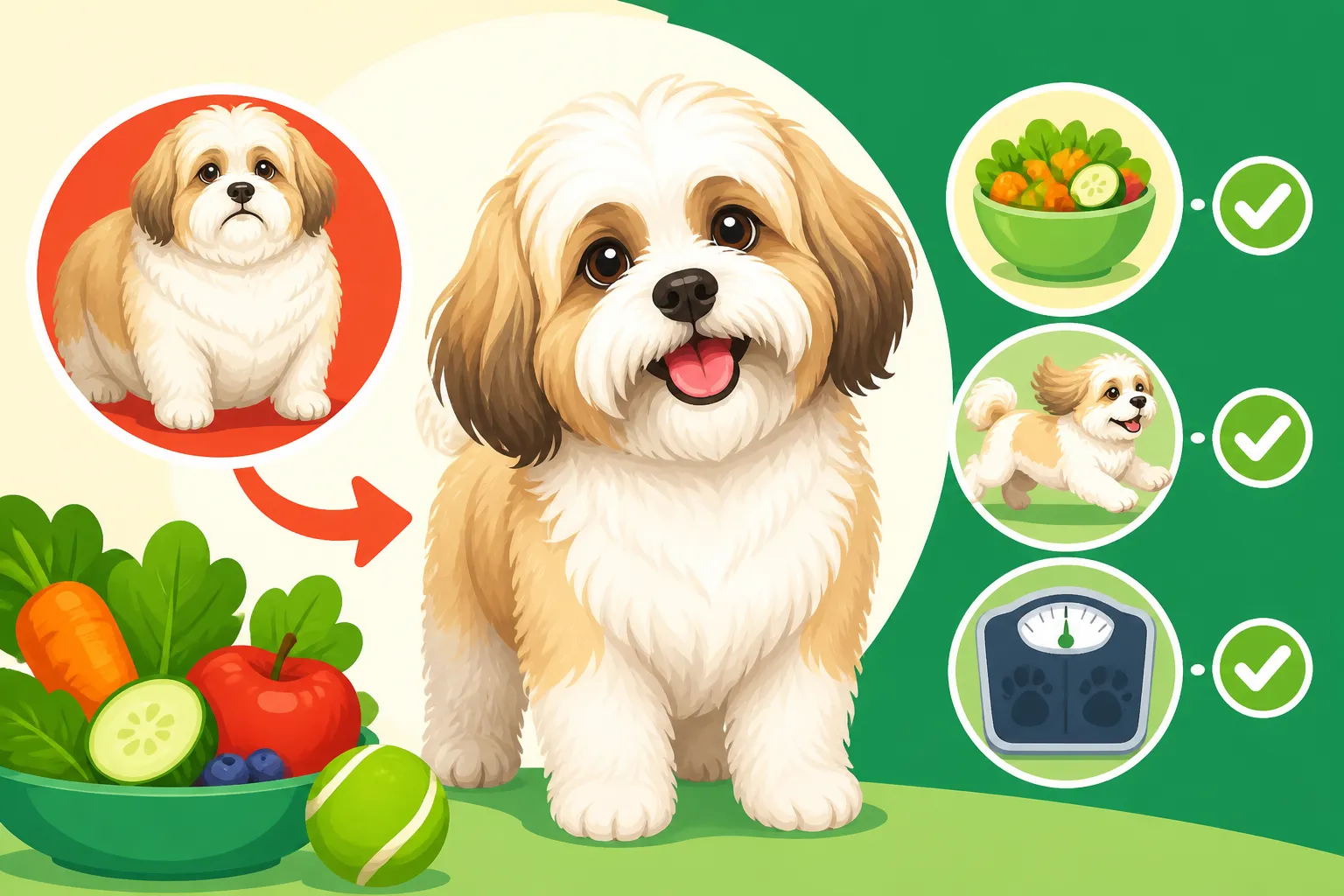
Keeping a Havanese From Getting Heavy
One of the most common worries I hear from Havanese parents is about their little fluffball starting to look a bit, shall we say, fluffier than intended. It’s so easy for those extra pounds to creep up on such a small breed, and before you know it, your adorable, vivacious companion can be struggling with a body that just isn't built for excess weight. This comprehensive guide is here to walk you through exactly how to keep your Havanese at a healthy weight, ensuring they live their happiest, most active life.
Understanding the Havanese Metabolism and Weight Tendencies
It's a common misconception that all small dogs have super-fast metabolisms and can eat whatever they want. While it's true they burn energy differently than giant breeds, Havanese, like many toy dogs, are actually quite prone to gaining weight if their diet and exercise aren't carefully managed. They have delightful, persuasive eyes, and it’s all too easy to give in to their pleas for an extra treat or a piece of your dinner.
Their natural charm and desire to be close to their humans mean they might be less inclined to run laps in the yard if they can cuddle on the couch instead. This combination of a relatively lower overall energy requirement compared to some larger, more active breeds, coupled with their undeniable cuteness that makes denying them food so hard, creates a perfect storm for weight gain. Understanding these inherent tendencies is the first step in setting your Havanese up for lifelong health.
The Small Breed Paradox: Little Dogs, Big Appetites
You'd think a dog that weighs under fifteen pounds wouldn't need much food, right? And technically, you'd be correct. However, many Havanese act like they haven't eaten in a week, even after finishing their meal. Their enthusiasm for food can be truly impressive, making it incredibly tempting for owners to overfeed them. A tablespoon or two of extra kibble might seem negligible to us, but for a tiny Havanese, that can be a significant caloric surplus over time.
This isn't just about treats; it's about their daily food intake. Many owners feed a standard scoop or cup size meant for a medium-sized dog, or simply eyeball portions, unknowingly giving far too much. Those little bodies have efficient metabolisms, meaning they don't need a huge amount of calories to thrive. Every bite truly counts, and a little extra here and there quickly adds up to an unhealthy weight.
Activity Levels and Energy Needs
While Havanese are generally playful and enjoy a good romp, they aren't typically high-octane dogs that need hours of intense exercise daily. They thrive on moderate activity, often content with a couple of walks and indoor play sessions. This relatively moderate energy expenditure means their caloric needs are also on the lower side. If their food intake doesn't match this energy output, weight gain is inevitable.
Picture a Havanese living in an apartment versus one on a farm. The farm dog might naturally get more incidental exercise, but for most Havanese, particularly those living in urban or suburban settings, owners need to be intentional about their activity. If your Havanese spends most of their day napping on the sofa, even a modest amount of food can quickly become too much. It's a delicate balance that requires mindful observation of their lifestyle.
Genetic Predisposition
While Havanese are generally a healthy breed, like any dog, individual genetics can play a role in their metabolism and propensity for weight gain. Some lines might be naturally leaner, while others might tend towards a stockier build, making them more prone to packing on pounds if given the chance. Beyond general breed tendencies, each Havanese is an individual.
It’s also important to consider spaying or neutering. While crucial for population control and preventing certain health issues, altering a dog can sometimes lead to a slight decrease in their metabolic rate. This means that a Havanese who was perfectly fine on a certain amount of food before being spayed or neutered might start to gain weight on the exact same diet afterward, simply because their body's energy requirements have shifted. This isn't a reason to avoid the procedure, but it is a vital factor to acknowledge and adjust for in their ongoing care.
The Impact of Excess Weight on Your Havanese's Health
It’s easy to think of a chubby Havanese as "cute" or "cuddly," but the reality is that excess weight is a serious health concern for any dog, especially a small breed. Those extra pounds aren't just cosmetic; they actively diminish your dog's quality of life and can contribute to a host of painful and debilitating conditions. It's a silent stressor on their entire system, shortening their vibrant years with you.
We cherish our Havanese for their joyful spirit and zest for life. Seeing them struggle with basic activities or develop chronic health issues because of preventable weight gain is heartbreaking. Understanding the profound negative impact of obesity can be a strong motivator to keep them trim and healthy.
Joint Stress and Mobility Issues
One of the most immediate and visible effects of extra weight on a Havanese is the strain it puts on their delicate joints. Havanese are known to be prone to certain orthopedic issues, such as The Kneecaps a Havanese Slips (patellar luxation) and Legg-Calve-Perthes disease. When a dog carries excess weight, these conditions can be exacerbated, or even brought on prematurely. Imagine walking around all day with a heavy backpack – now imagine that extra weight on a tiny frame that wasn't designed for it.
The added pressure on their hips, knees, and spine can lead to inflammation, pain, and the accelerated development of arthritis. An overweight Havanese might show reluctance to jump, play, or even go for walks, which then further reduces their activity, creating a vicious cycle of weight gain and decreased mobility. This can severely impact their ability to enjoy life and interact with their family, turning a once playful pup into a stiff and sore companion.
Organ Strain and Disease Risk
Beyond joint issues, excess weight taxes nearly every internal organ in your Havanese's body. Their heart has to work harder to pump blood to a larger body mass, increasing the risk of The Heart Murmur an Older Havanese Develops and other cardiovascular diseases. Their lungs can become compressed by abdominal fat, making breathing more difficult, especially in warm weather or during exercise.
Overweight Havanese are also at a significantly higher risk for developing metabolic diseases like diabetes, liver disease, and certain types of cancer. The chronic inflammation associated with obesity can weaken their immune system, making them more susceptible to other illnesses. It truly shortens their potential lifespan and makes those later years far less comfortable and more medically challenging, often requiring more intensive veterinary care and medication for conditions that might have been avoided.
Reduced Quality of Life and Lifespan
Ultimately, an overweight Havanese has a diminished quality of life. They might be less able to participate in family activities, play with children, or enjoy their daily walks. Their energy levels can drop, they might become lethargic, and their joyful demeanor can be replaced by discomfort or disinterest. Simple pleasures like running through grass or greeting you at the door with a vigorous tail wag can become a chore.
Studies consistently show that pets maintained at a healthy weight live longer, healthier lives than their overweight counterparts. For a breed that typically lives The Fourteen to Sixteen Years a Havanese Lives, allowing them to become heavy steals precious years from your time together and fills the remaining ones with potential pain and medical complications. Keeping your Havanese trim isn't just about appearance; it's about maximizing their happiness and longevity.
Dietary Strategies for Weight Management
When it comes to keeping your Havanese at a healthy weight, diet is arguably the most critical component. Exercise is important, yes, but you simply cannot out-exercise a poor diet, especially with a small dog like a Havanese. It takes mindful planning and consistent execution, but once you get into a routine, it becomes second nature. This isn't about deprivation; it's about providing optimal nutrition in appropriate quantities.
Many owners feel guilty "restricting" their dog's food, but think of it this way: you are providing exactly what their body needs to be healthy, not what their taste buds might crave. This shift in perspective can make all the difference.
Portion Control and Accurate Measurement
This is where many owners unintentionally go wrong. Relying on a standard measuring cup for kibble, which can vary wildly in density from brand to brand, or simply scooping from the bag, is a recipe for overfeeding. Even small variations in daily portions can add up to significant caloric excess over weeks and months for a Havanese. The difference between a healthy weight and an overweight Havanese can be as little as an extra few ounces of food a day.
Invest in a digital kitchen scale and weigh your dog's food. Most high-quality dog food brands provide feeding guidelines based on weight in grams, which is far more accurate than cup measurements. If your vet has recommended a specific daily calorie intake, a scale is indispensable. Divide their total daily allowance into two or three smaller meals to keep them satisfied and spread out their energy intake. For more specific guidance, check out articles like How Much an Adult Havanese Eats Daily or How Much a Havanese Should Eat.
Choosing the Right Food: Kibble, Fresh, or Wet?
The market is flooded with dog food options, and it can feel overwhelming to choose the "best" one. For weight management, the key is to select a high-quality food that is appropriate for your Havanese's age, activity level, and specific needs, and then feed it in the correct amount. Look for foods with real meat as the first ingredient, and avoid excessive fillers or artificial ingredients.
Many Havanese thrive on small-breed specific formulas, as the kibble size is tailored for their tiny mouths and often the nutritional balance is designed for their metabolism. Brands like Royal Canin or Hill's Science Diet offer such specialized formulations. If you're considering fresh food, services like Ollie provide pre-portioned meals based on your dog's exact caloric needs, which can be fantastic for weight control. Just be sure to read the labels carefully for calorie density, as "light" or "weight control" formulas aren't always necessary if you're accurately portioning a regular, balanced diet. You can find a wide variety of these options on platforms like Chewy or Amazon.
Smart Snacking and Treat Management
Treats are often the biggest culprit in Havanese weight gain. They're so small that one treat seems like nothing, but if you give several a day, or use high-calorie training treats, those calories add up astonishingly fast. Remember, treats should make up no more than 10% of your dog's daily caloric intake.
Consider using low-calorie alternatives for training or just showing affection. Small pieces of cooked lean chicken, green beans, carrots, or apple slices (without seeds) can be excellent, healthy options. Many Havanese will happily work for these! Break larger treats into tiny pieces to make them last longer and reduce calorie intake. If you're using treats for training, deduct those calories from their daily meal allowance. Think about non-food rewards too: a favorite toy, a belly rub, or a quick game of fetch can be just as rewarding as a biscuit.
Exercise and Activity for a Healthy Havanese
While diet plays the starring role in weight management, exercise is the crucial supporting actor. Regular physical activity helps burn calories, builds lean muscle mass, improves cardiovascular health, and keeps your Havanese mentally stimulated and happy. A Havanese that gets enough exercise is typically a happier, healthier, and better-behaved Havanese.
It's not just about strenuous activity; it's about consistent, appropriate movement tailored to their size and breed characteristics. Remember, a tired Havanese is often a well-behaved Havanese, and a well-exercised Havanese is a healthy-weight Havanese.
Daily Walks and Indoor Play
Your Havanese might be small, but they still need regular opportunities to stretch their legs and explore. Aim for at least two daily walks, even if they are short. Twenty to thirty minutes twice a day is a good starting point for an adult Havanese, but always observe your dog's energy levels and adjust accordingly. These walks don't have to be marathons; a brisk pace that gets their heart rate up is perfect. For more on this, you might enjoy How Far a Havanese Should Walk Daily.
On days with bad weather, or if outdoor access is limited, indoor play is vital. Games like fetch (even with a soft toy across the living room), hide-and-seek, or simply engaging them with a flirt pole can provide excellent exercise. Running up and down a hallway or navigating a mini-agility course made from household objects can be surprisingly effective at burning off energy. The key is consistency – make exercise a non-negotiable part of their daily routine.
Engaging Mental Stimulation and Training
Exercise isn't just physical; mental stimulation is just as important for a Havanese. A bored Havanese might become destructive, anxious, or develop undesirable behaviors, and sometimes, boredom can lead to overeating out of lack of anything else to do. Engaging their minds can burn calories and energy almost as effectively as physical activity.
Puzzle toys, which dispense kibble slowly, can turn mealtime into a fun, calorie-burning game. Learning new tricks – remember, Havanese are bright and love to please – provides mental exercise and strengthens your bond. Even short training sessions for basic commands or new tricks can be surprisingly tiring for them. Consider scatter feeding their meals, where you toss their kibble across the floor, encouraging them to "hunt" for it. This slows down eating, engages their senses, and adds a little extra movement to their day. Brands like Chewy and Amazon offer a wide range of engaging puzzle toys and interactive feeders.
Tailoring Activity to Age and Health
A Havanese puppy will have different exercise needs than a senior Havanese. Puppies have bursts of energy followed by long naps, so short, frequent play sessions are more appropriate than long, sustained exercise. As they mature, their stamina increases.
However, as your Havanese enters their senior years, typically around The Age a Havanese Counts as Senior, their activity levels will naturally decrease. An older Havanese with Arthritis in a Havanese at Twelve or other age-related conditions might need shorter, gentler walks, perhaps on softer surfaces. Swimming can be a wonderful, low-impact exercise for older dogs if they enjoy it. Always consult with your veterinarian to ensure their exercise routine is appropriate for their current health status, especially if they have underlying conditions like heart murmurs or joint issues. The goal is to keep them moving comfortably, not to push them beyond their limits.
Monitoring and Adjusting Your Havanese's Weight
Successfully maintaining a healthy weight isn't a "set it and forget it" task. It requires ongoing vigilance and a willingness to adjust your strategies as your Havanese ages or their lifestyle changes. What worked perfectly when they were a sprightly two-year-old might not be ideal when they're a sedate ten-year-old. Regular monitoring is key to catching weight creep before it becomes a significant problem.
Think of it as being your Havanese's personal health manager. You’re advocating for their well-being by paying close attention to the subtle cues their body gives you.
The Importance of Body Condition Scoring
Instead of just relying on the number on the scale, learn how to "body condition score" your Havanese. This is a visual and tactile assessment that helps you determine if they are at an ideal weight, too thin, or overweight. You should be able to easily feel their ribs with slight pressure, like feeling the knuckles on the back of your hand when your palm is flat. Their waist should be evident when viewed from above, and there should be a tuck-up in their abdomen when viewed from the side.
| Body Condition Score | Description | Key Indicators for Havanese |
|---|---|---|
| 1: Emaciated | Ribs, lumbar vertebrae, pelvic bones, and all bony prominences are evident from a distance. No discernible fat. | Ribs and spine easily visible, severe waist tuck, no fat covering. |
| 2: Very Thin | Ribs, lumbar vertebrae, and pelvic bones easily visible. No palpable fat. | Ribs easily seen and felt, prominent waist tuck. |
| 3: Thin | Ribs easily palpable and may be visible. Minimal fat covering. Waist easily noted. | Ribs easily felt with minimal fat, clear waist definition. |
| 4: Ideal | Ribs palpable without excess fat covering. Waist observed behind ribs. Abdominal tuck apparent. | Ribs easily felt, distinct waist and abdominal tuck. |
| 5: Moderate | Ribs palpable with slight excess fat covering. Waist discernible but not prominent. | Ribs palpable but requires more pressure, less obvious waist. |
| 6: Heavy | Ribs difficult to palpate due to heavy fat covering. Waist absent or barely visible. Abdominal tuck minimal. | Ribs hard to feel, no clear waist, abdomen rounded. |
| 7: Obese | Ribs not palpable. Heavy fat deposits over lumbar area, face, limbs. Obvious abdominal distention. | Ribs impossible to feel, heavy fat deposits everywhere, loss of waist and abdominal tuck. |
Regularly running your hands over their rib cage and checking their waistline gives you immediate feedback. If you're struggling to feel their ribs, it's a clear sign that adjustments are needed. Learning to do this yourself empowers you to be proactive about their health.
Regular Vet Check-ups and Professional Guidance
Your veterinarian is your best partner in your Havanese's weight management journey. During routine check-ups, your vet will weigh your dog and assess their body condition. They can help you determine your Havanese's ideal weight range and calculate a precise daily calorie target, especially if your dog needs to lose weight. They can also rule out any underlying medical conditions, such as Signs a Havanese's Thyroid Has Failed, that might contribute to weight gain.
Don't hesitate to ask your vet for advice on food choices, portion sizes, and exercise routines. They can offer tailored recommendations based on your dog's individual health profile and lifestyle. If your Havanese needs to lose a significant amount of weight, your vet can help you create a safe and effective weight loss plan, which often involves a prescription diet and strict monitoring. These regular visits are crucial for ensuring your Havanese remains healthy and happy for many years.
Recognizing the Subtle Signs of Weight Gain
Weight gain in a Havanese often happens gradually, making it easy to miss the early signs. It's not usually a sudden overnight change. Pay attention to subtle shifts in their behavior and appearance. Do they seem less enthusiastic about walks? Are they sleeping more? Are they slower to get up or jump on furniture? Sometimes, their coat can even make it hard to notice the physical changes, particularly in a long-haired breed.
Another sign can be changes in their harness or collar fit. If their collar feels tighter, or their harness starts to dig in, it could be a clue. Even their play style might change – less energetic romping, more gentle chewing on toys. If you find yourself consistently needing to expand their clothing or harness settings, or if they seem less agile than they once were, it’s time to assess their weight and adjust their intake or activity.
Common Weight Management Pitfalls and How to Avoid Them
Even with the best intentions, owners often fall into common traps that lead to weight gain in their Havanese. These pitfalls usually stem from a place of love and a desire to please our furry family members, but they can have detrimental effects on their health. Recognizing these common mistakes is the first step toward correcting them and ensuring your Havanese maintains a healthy weight.
It’s about being smarter, not necessarily stricter. By understanding where most people falter, you can proactively avoid these errors and maintain a consistent, healthy routine for your beloved companion.
The "Just a Little Bit More" Trap
This is perhaps the most insidious pitfall. "Oh, just a tiny bit of my dinner," or "just one more little treat, he's being so good!" – these seemingly small additions accumulate rapidly for a Havanese. A few extra kibbles might be negligible for a Golden Retriever, but for a 10-pound Havanese, it can be the equivalent of a human eating an extra cookie or two every single day.
Over time, this "just a little bit more" mentality can easily add hundreds of unnecessary calories to their diet, far exceeding their actual energy needs. To avoid this, be disciplined. Stick to measured portions and designated treat times. If you want to share a human food, make sure it's pet-safe (no grapes, chocolate, onions, etc.) and calculate its caloric value, subtracting it from their meal allowance. When buying treats, look for options with clearly labeled calorie counts per piece, often found on Chewy or Amazon, allowing you to stay accountable.
Misinterpreting Begging for Hunger
Havanese are masters of manipulation, especially when it comes to food. Those big, soulful eyes and the persistent little paw taps are incredibly hard to resist. Many owners interpret this begging as genuine hunger, when in fact, it's often a learned behavior or simply a desire for attention or something tasty. Your Havanese might be perfectly full, but if they know begging might yield a reward, they'll try it every time.
It's crucial to understand that your dog's begging is not always an indication of hunger. They might be bored, seeking interaction, or simply testing your boundaries. Instead of giving in with food, try redirecting their attention. Offer a quick play session, a training command they know for a non-food reward, or a chew toy. Breaking the association between begging and food rewards is vital for managing their weight and teaching them appropriate behavior.
Overestimating Exercise Benefits
While exercise is important, it's easy to overestimate how many calories a Havanese burns during their daily activities. A short walk around the block, while good for mental stimulation and bathroom breaks, might not burn enough calories to counteract even a slightly oversized meal. A ten-minute romp in the yard, while fun, isn't going to make up for an extra handful of kibble every day.
Many owners believe that if their dog gets some exercise, they don't need to be as strict with food portions. This simply isn't true for small breeds like the Havanese. Their smaller muscle mass and lower body weight mean they don't expend as much energy during activity as a larger dog would. It takes significant, consistent, and somewhat vigorous exercise to burn off extra calories. Therefore, it's essential to maintain a primary focus on dietary control, using exercise as a beneficial complement, rather than a justification for overfeeding.
Disclaimer
This article is for general informational purposes only and does not constitute professional advice. Laws, prices and regulations vary by location and change over time. Consult a qualified professional for guidance on your specific situation.