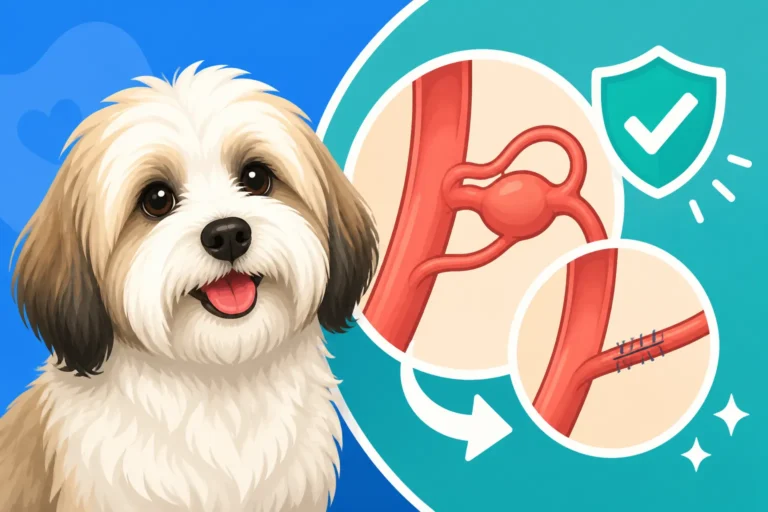
Whether a Havanese Needs Physiotherapy After Surgery
Watching your beloved Havanese recover from surgery can be a deeply worrying time. You've gone through the stress of the diagnosis, the procedure itself, and now you’re wondering if your furry friend will ever truly get back to their playful, happy self, running and jumping without a care in the world. This guide is here to shed light on how physiotherapy can be an absolute game-changer in your Havanese's post-surgical journey, ensuring a smoother, more complete recovery.
Understanding Post-Surgical Recovery for Your Havanese
Surgery, while often life-saving or mobility-restoring, is just the first hurdle in a longer race to full health. For our small Havanese companions, who rely so much on their agility and zest for life, understanding the nuances of recovery is paramount. It’s not simply about the wound healing; it’s about the entire body regaining its strength, flexibility, and confidence.
Common Surgeries Requiring Rehabilitation
Havanese, like many small breeds, are unfortunately prone to certain orthopedic issues that frequently require surgical intervention. When these procedures are performed, they address the immediate problem, but the surrounding muscles, joints, and soft tissues invariably take a hit. They can become weak, stiff, or even painful if not properly managed afterward.
One of the most common surgeries we see in Havanese is for patellar luxation, or "slipping kneecaps." If you've ever felt that little skip in your Havanese's step, you might be all too familiar with this condition. While surgery to correct The Kneecaps a Havanese Slips is often very successful, the leg muscles can become atrophied from disuse or compensation before surgery, and the surgical site itself will be tender and stiff. Another significant condition is Legg-Calve-Perthes disease, which affects the hip joint and causes significant limping and pain, often necessitating femoral head ostectomy (FHO) surgery. For puppies struggling with Legg Calve Perthes and the Limping Havanese Puppy, rebuilding muscle around that new, false joint is crucial for long-term success.
Beyond these, Havanese can experience fractures from falls or accidents, or, less commonly, intervertebral disc disease (IVDD) which may require spinal surgery. In all these scenarios, the body’s natural instinct is to protect the injured area, leading to restricted movement, muscle loss, and often, an altered gait that can put strain on other parts of the body. This is where a focused rehabilitation plan truly shines.
The Importance of Gradual Healing
It’s tempting to want your Havanese to bounce back instantly after surgery, but rushing the recovery process can be detrimental, even dangerous. Just as it takes time for a broken bone to knit or a surgical incision to close, it takes time for muscles to rebuild, ligaments to strengthen, and nerves to heal. The tricky part is finding that sweet spot: not doing too much too soon, which can cause re-injury or excessive pain, and not doing too little, which can lead to prolonged stiffness, permanent muscle loss, and scar tissue formation that restricts movement.
Imagine your Havanese after knee surgery. If they immediately start running and jumping around, the delicate surgical repair could be compromised. On the flip side, if they are confined strictly for weeks without any guided movement, their leg might become so stiff and weak that they struggle to regain a normal range of motion or bear weight comfortably. This delicate balance is why a structured, progressive approach to healing, guided by professionals, isn't just helpful – it's often essential for the best possible outcome. For instance, knowing Which Patella Grade Needs Surgery in a Havanese often influences the post-operative plan, as more severe cases might require more intensive or longer rehabilitation.
The Indispensable Role of Physiotherapy in Havanese Recovery
So, what exactly is canine physiotherapy, and why is it so incredibly beneficial for a Havanese? Think of it as physical therapy for people, but tailored specifically for our four-legged friends. It's a specialized branch of veterinary medicine focused on restoring and maintaining mobility, function, and quality of life for animals suffering from injury, surgery, or degenerative conditions.
How Physiotherapy Aids Healing and Mobility
Physiotherapy isn't a single magical treatment; it's a comprehensive approach that targets various aspects of recovery. First and foremost, it excels at pain management. Techniques like therapeutic massage, cold laser therapy, and pulsed electromagnetic field therapy can significantly reduce post-operative pain and inflammation, making your Havanese more comfortable and willing to participate in their recovery.
Beyond pain, physiotherapy actively works to restore range of motion. After surgery, a joint can become stiff due to swelling, pain, and scar tissue. Therapists use gentle passive range of motion exercises to slowly and carefully move the joint through its natural limits, preventing contractures and improving flexibility. Simultaneously, the focus shifts to rebuilding muscle mass. As mentioned, disuse leads to atrophy. Targeted exercises help strengthen weakened muscles around the surgical site, providing crucial support and stability to the joint. This is especially vital after surgeries like FHO for Legg-Calve-Perthes, where strong gluteal muscles are key to a functional limb.
Moreover, physiotherapy helps improve balance and coordination. When a Havanese has been favoring a limb or moving awkwardly, their proprioception (their sense of where their body is in space) can be affected. Specific balance exercises and obstacle courses help retrain their brain and body to move efficiently and confidently again. This holistic approach ensures that your Havanese isn't just "healed" but truly recovered, with full functional ability. This ultimately contributes to Whether a Havanese Recovers Fully From Hip Surgery.
Tailored Programs for Tiny Legs
When we talk about Havanese, we're talking about a small, delicate breed. A rehabilitation program for a large German Shepherd simply won't work for a little Havanese. That's why it's so important that their physiotherapy is specifically tailored to their size, their specific surgery, and their individual personality. A certified canine rehabilitation therapist (CCRT or CCRP) or a veterinary physiotherapist understands these distinctions.
These specialists utilize a variety of modalities, custom-fitting them to your Havanese's needs:
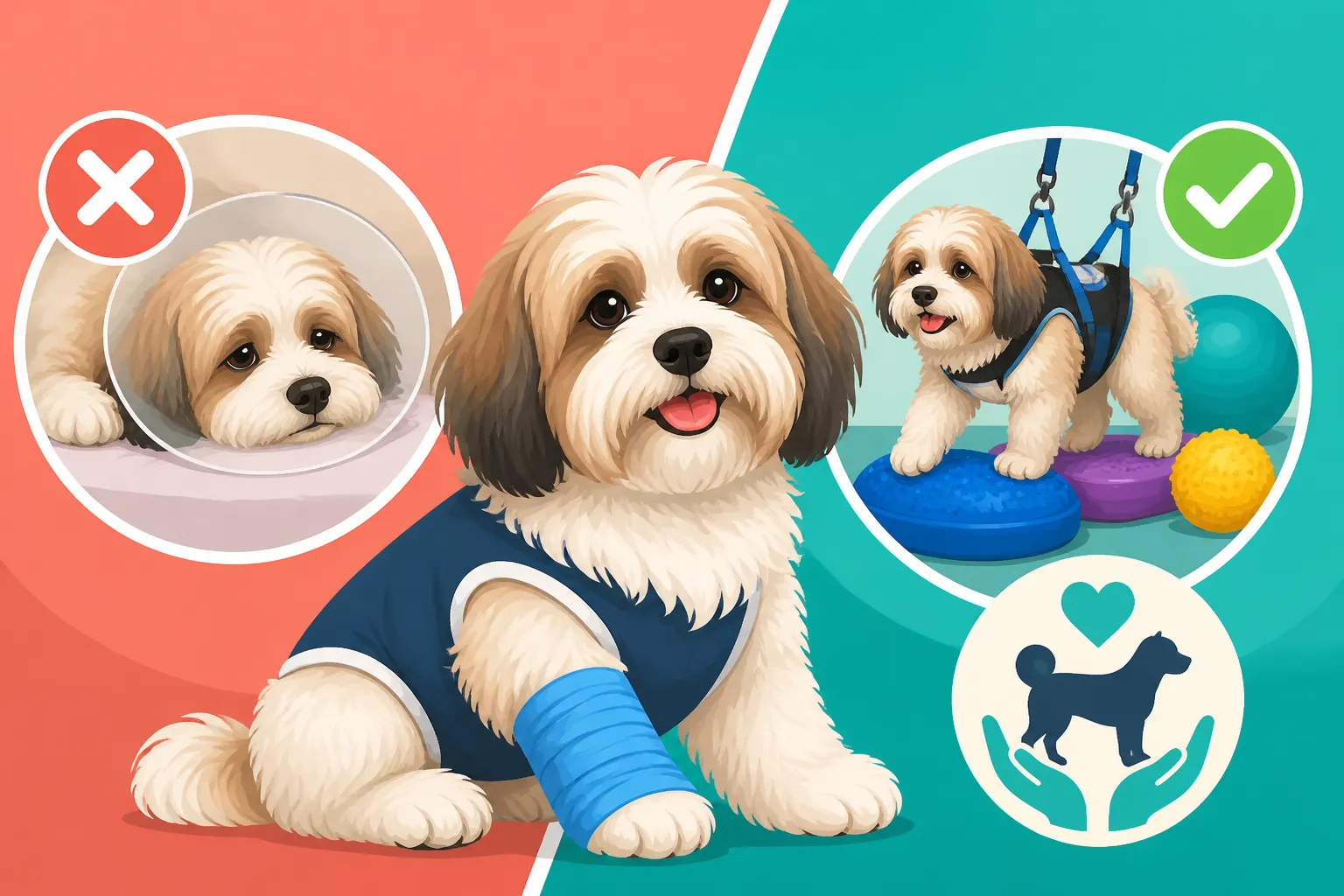
- Hydrotherapy: Often performed on an underwater treadmill, hydrotherapy reduces weight-bearing stress on joints while allowing for active movement and muscle strengthening. Imagine your Havanese walking on a treadmill submerged in warm water – the buoyancy supports their body, making movement easier and less painful, while the resistance of the water helps build muscle. This is fantastic for rebuilding strength after knee or hip surgery.
- Therapeutic Exercises: These aren't just random movements. They are specific, controlled exercises designed to target particular muscle groups, improve flexibility, and enhance balance. Think of things like controlled leash walks, weaving through cones, gentle stretches, or standing on wobble boards.
- Manual Therapy: This includes massage to reduce muscle tension and improve circulation, and joint mobilization techniques to increase range of motion.
- Laser Therapy (Photobiomodulation): This non-invasive treatment uses specific wavelengths of light to reduce pain and inflammation, accelerate tissue healing, and stimulate nerve function.
- Electrical Stimulation: Techniques like Neuromuscular Electrical Stimulation (NMES) can help strengthen muscles that are difficult to activate voluntarily, while Transcutaneous Electrical Nerve Stimulation (TENS) helps manage pain.
The beauty of these tailored programs is that they recognize the unique anatomy of a Havanese. Small steps, low-impact activities, and gentle handling are emphasized to ensure maximum comfort and effectiveness.
Recognizing When Physiotherapy Is Essential
While most vets will recommend physiotherapy for significant orthopedic surgeries, sometimes the signs that your Havanese needs extra help aren't always obvious. It’s crucial for owners to be observant and proactive.
You should definitely consider physiotherapy if your Havanese is showing any of the following after their initial post-operative rest period:
- Persistent Limping or Favoring a Limb: If your Havanese isn't putting full weight on the operated leg, or continues to limp weeks after surgery, it's a clear red flag.
- Noticeable Muscle Atrophy: Compare the operated leg to the healthy one. Is it significantly thinner? This indicates muscle loss that won't resolve on its own.
- Reluctance to Move or Engage in Normal Activities: If your Havanese is hesitant to jump (even if they should be avoiding big jumps like those from high furniture, which can damage their knees – remember to research Keeping a Havanese Off Furniture It Should Not Jump From), climb stairs, or play fetch as they used to, it could be due to pain or stiffness.
- Stiffness, Especially After Rest: Does your Havanese struggle to get up after a nap? Does their gait seem stiff and unnatural?
- Altered Gait or Posture: Compensating for one weak leg can lead to problems in other areas. They might carry their tail differently, shift their weight, or arch their back.
- Fear or Anxiety About Movement: If your Havanese seems scared to move a particular limb or avoids certain actions, it might be due to a previous painful experience or lack of confidence.
Don't wait for these issues to become chronic. Early intervention with physiotherapy can prevent long-term complications and significantly improve your Havanese's comfort and mobility. Always have an open conversation with your primary veterinarian and ask for a referral to a certified canine rehabilitation specialist.
What to Expect from a Havanese Physiotherapy Program
Embarking on a physiotherapy journey can feel a bit daunting at first, but knowing what to expect can ease some of that apprehension. It's a partnership between you, your veterinarian, and the rehabilitation therapist, all working towards the common goal of getting your Havanese back on their paws.
The Initial Assessment and Goal Setting
Your first visit to a canine rehabilitation center will be an extensive one. The therapist will perform a thorough initial assessment, which often includes:
- Reviewing Medical Records: They'll want to understand the full history of your Havanese's condition, the surgical procedure, and any previous treatments.
- Gait Analysis: This involves observing your Havanese walk, trot, and sometimes even run, to identify any lameness, imbalances, or compensatory movements. They might use a slow-motion camera for precise observation.
- Physical Examination: This is more detailed than a regular vet check-up. The therapist will carefully palpate muscles, check for pain points, measure range of motion in all joints (goniometry), and assess muscle mass (circumferential measurements).
- Neurological Exam: If there's any suspicion of nerve involvement, they'll check reflexes and responses.
Based on this comprehensive assessment, the therapist will then sit down with you to discuss their findings and establish realistic, measurable goals for your Havanese. These goals might sound like: "walk without a visible limp within 6 weeks," "regain 75% muscle mass in the quadriceps by month 3," or "be able to jump onto the low dog bed comfortably." For older Havanese, the goals might shift to managing arthritis or maintaining comfort, as discussed in "Arthritis in a Havanese at Twelve." This collaborative goal-setting ensures everyone is on the same page and working towards what truly matters for your specific dog.
Typical Physiotherapy Sessions and Home Exercises
A typical physiotherapy program for your Havanese will involve regular visits to the rehabilitation center, usually once or twice a week, combined with a crucial component: daily home exercises. The sessions at the center might look something like this:
- Warm-up: Gentle massage or controlled leash walking to get the muscles ready.
- Targeted Exercises: This is where specific therapeutic exercises come in, like controlled standing exercises, balance work on a peanut ball, or short stints on an underwater treadmill.
- Modalities: Depending on the goals, this might include laser therapy for inflammation, electrical stimulation for muscle activation, or therapeutic ultrasound.
- Cool-down: More gentle massage and stretching to relax the muscles.
While the in-clinic sessions are vital for supervised, specialized treatment, the progress your Havanese makes will largely depend on your dedication to the home exercise program. The therapist will teach you specific, easy-to-do exercises and stretches you can perform with your Havanese daily. These might include passive range of motion, gentle stretches, controlled weight-shifting, or short leash walks with specific instructions. It’s absolutely critical that you follow these instructions diligently. Think of it this way: a professional athlete doesn't just train with their coach a few times a week; they adhere to a strict regimen every single day. Your Havanese needs that same consistency.
Managing Expectations and Celebrating Milestones
It’s important to approach physiotherapy with a realistic mindset. Recovery from surgery, even with the best rehabilitation, is rarely a straight line. There will be good days where your Havanese seems to make leaps and bounds, and there will be tougher days where progress seems to stall, or they might even seem a little sore. This is normal. Patience is truly a virtue here.
The duration of therapy can vary significantly. A simple fracture might require a few weeks of rehab, while a complex spinal surgery or a severe case of patellar luxation might need months of consistent work. Your therapist will regularly assess your Havanese's progress and adjust the program as needed, slowly increasing the intensity and complexity of exercises.
It's also incredibly important to celebrate every milestone, no matter how small. The first time your Havanese puts full weight on the operated leg, the first pain-free jump onto the couch (if appropriate for their condition, of course!), or the return of their signature "Havanese bounce" – these are huge victories. Acknowledging these steps keeps both you and your Havanese motivated and reminds you of the incredible progress being made. Remember, the journey towards Whether Knee Surgery Fixes a Havanese for Good can be a long one, but worthwhile.
Integrating Physiotherapy into Your Havanese's Long-Term Well-being
Physiotherapy isn't just a temporary fix; it often lays the groundwork for improved long-term health and vitality for your Havanese. The lessons learned and the strength gained during rehabilitation can be incorporated into their daily life, helping to prevent future issues and maintain optimal well-being.
Preventing Future Injuries and Maintaining Joint Health
One of the most powerful benefits of a structured physiotherapy program is its preventative aspect. By rebuilding muscle mass, improving joint stability, and correcting compensatory gaits, you're not just fixing the immediate problem, but also creating a stronger, more resilient Havanese. Strong core muscles and balanced limb strength mean less strain on joints and a reduced risk of re-injury or new problems developing.
For Havanese specifically, maintaining optimal joint health is key. This includes:
- Continued Appropriate Exercise: Your therapist can help you design a safe and effective exercise routine that keeps your Havanese fit without overstressing their joints. This might mean regular, moderate walks rather than intense, sporadic bursts of activity.
- Weight Management: Keeping your Havanese at a lean, healthy weight is perhaps one of the most critical things you can do for their joint health. Even a few extra pounds can put significant strain on recovering or aging joints. Regularly discussing Whether a Havanese Should Be Kept Slim for Its Joints with your vet is a smart move.
- Joint Supplements: Many vets recommend supplements containing glucosamine, chondroitin, and omega-3 fatty acids to support cartilage health and reduce inflammation. These can be particularly beneficial for breeds prone to joint issues. You might want to explore Whether Joint Supplements Help a Havanese with your veterinarian.
- Supportive Environment: Providing ramps for beds and couches, using non-slip rugs on hard floors, and avoiding excessive jumping can all contribute to protecting delicate joints long after formal therapy concludes.
By integrating these practices, you're not just recovering from surgery; you're investing in a lifetime of healthier, happier mobility for your Havanese.
Financial Considerations and Insurance Support
Let's be realistic: specialized veterinary care, including surgery and ongoing physiotherapy, can be a significant financial undertaking. The costs for a canine rehabilitation program can vary widely based on location, the specific modalities used, and the duration of treatment. For example, a full course of physical therapy for something like Legg-Calve-Perthes disease can range from several hundred to a few thousand dollars, depending on the number of sessions and the complexity of the case. Knowing What Femoral Head Surgery Costs a Havanese Owner is just one part of the financial picture; post-op care adds another layer.
However, the value of physiotherapy often far outweighs the cost when you consider the alternative: a Havanese suffering from chronic pain, limited mobility, or requiring further expensive surgeries due to incomplete recovery. Many pet owners find that pet insurance can be an invaluable tool in managing these expenses. Providers like Healthy Paws often cover rehabilitation therapies prescribed by a licensed veterinarian, including hydrotherapy, laser therapy, and therapeutic exercises, once your deductible is met. It’s always wise to review your policy details or speak directly with Healthy Paws or your chosen insurer to understand what’s covered, especially before your Havanese undergoes a planned surgery. Early enrollment in pet insurance before a condition develops can save you significant out-of-pocket expenses for ongoing care. Planning for potential health issues, like understanding The Age a Havanese Shows Hip Pain, can help you make informed decisions about insurance coverage.
Investing in your Havanese's physiotherapy is an investment in their comfort, their quality of life, and your peace of mind. Seeing them regain their playful spirit and move without pain is truly priceless.
Disclaimer
The information provided in this guide is intended for general informational purposes only and does not constitute veterinary advice. Always consult with a qualified veterinarian or certified canine rehabilitation therapist regarding your Havanese's specific medical condition and treatment plan. Individual results from physiotherapy may vary.