Whether Joint Supplements Help a Havanese
It’s heartbreaking to watch your lively Havanese start to slow down, perhaps showing a little stiffness after a nap, or hesitating before jumping onto the couch. As our beloved companions age, or if they’re predisposed to certain joint conditions, these signs can creep in, leaving us wondering what more we can do to keep them comfortable and active. Joint supplements often come up in conversations with other dog parents and even our vets, promising relief and support. This guide is here to walk you through whether these supplements truly help a Havanese, and what you should realistically expect.
Understanding Common Joint Issues in Havanese
Havanese, with their spirited personalities and springy gait, are generally a healthy breed. However, like many small dogs, they are susceptible to a few specific joint conditions that can cause discomfort and impact their mobility. Recognizing these issues is the first step in understanding how best to support your furry friend, and whether joint supplements might play a role.
Luxating Patellas and Hip Concerns
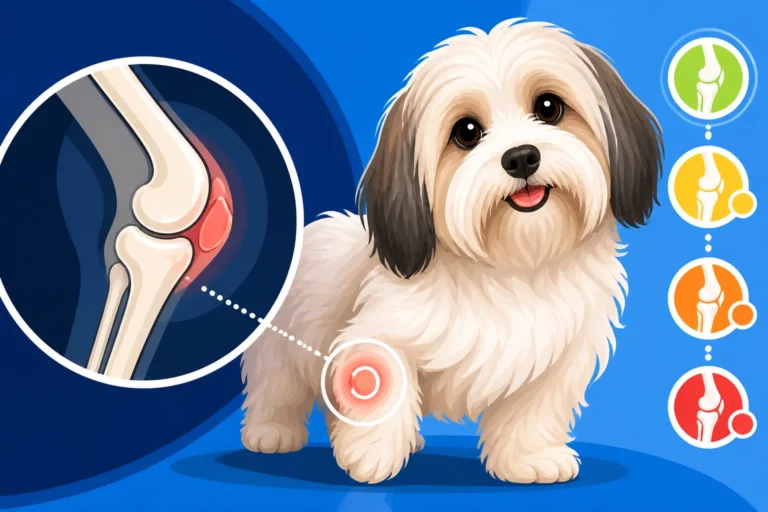
One of the most common orthopedic issues Havanese face is patellar luxation, more commonly known as "slipping kneecaps." It’s a condition where the kneecap (patella) dislocates or moves out of its normal groove. You might notice your Havanese skip a step, hold a leg up for a moment, and then continue as if nothing happened. This can range from mild, intermittent skips to severe, constant displacement causing pain and lameness. Depending on the grade, a Havanese's kneecap needs operating in some cases to correct the issue, but even then, long-term joint support is crucial.
While less prevalent than in larger breeds, Havanese can also experience hip issues, though true hip dysplasia is rare. More often, a condition called Legg-Calve-Perthes disease can affect the hip joint, typically in young, small breed dogs. This is where the blood supply to the head of the femur (the ball part of the hip joint) is interrupted, causing the bone to die and eventually collapse. It leads to limping and pain, often requiring surgery. Even after successful treatment, the joint might develop early arthritis due to the changes in its structure. You might notice your Havanese limps on one back leg, which could be a sign of this.
The Onset of Arthritis as a Havanese Ages
Just like us, Havanese can develop arthritis as they get older. This degenerative joint disease is essentially the wear and tear of cartilage in the joints, leading to bone-on-bone friction, inflammation, and pain. It can affect any joint, but often targets the hips, knees, and spine. An older Havanese might struggle to get up after lying down, be less enthusiastic about walks, or even become grumpy when touched in certain areas. It's a sad reality of aging, but one we can strive to mitigate. Caring for a Havanese past twelve often involves managing these age-related joint changes.
The symptoms can be subtle at first: a slight slowing down, a reluctance to jump, or a little stiffness in the morning. Many owners mistakenly attribute these signs to "just getting old," but they can be indicators of underlying joint pain. Early intervention, whether through diet, controlled exercise, or supportive care like joint supplements, can make a significant difference in your Havanese's quality of life.
The Science Behind Common Joint Supplement Ingredients
Once you've identified a potential joint concern, or if you're looking for preventative measures, joint supplements invariably come up. But what exactly are these ingredients, and what do they claim to do for your Havanese's precious joints? It's important to look beyond marketing hype and understand the proposed mechanisms.
Glucosamine, Chondroitin, and MSM
These three ingredients are often found together in joint supplements, and for good reason.
- Glucosamine is an amino sugar that plays a crucial role in maintaining healthy cartilage, the flexible connective tissue that cushions joints. It’s believed to help repair and regenerate cartilage and reduce inflammation. For a Havanese with developing arthritis, glucosamine could theoretically support the existing cartilage and slow further degradation.
- Chondroitin sulfate works synergistically with glucosamine. It's a major component of cartilage, helping to give it elasticity and resistance. Chondroitin is thought to help the body absorb water into the cartilage, keeping it hydrated and spongy, which is vital for shock absorption. It may also inhibit enzymes that break down cartilage.
- Methylsulfonylmethane (MSM) is an organic sulfur compound that some studies suggest has anti-inflammatory and pain-reducing properties. It's thought to help reduce the discomfort associated with arthritis and may also play a role in collagen formation, which is another building block of cartilage and connective tissue.
The idea behind these ingredients is to provide the raw materials the body needs to maintain and repair cartilage, as well as reduce the inflammatory response that causes pain. While research in dogs is ongoing and results can vary, many anecdotal reports and some clinical studies support their use for mild to moderate osteoarthritis.
Omega-3 Fatty Acids and Other Supporting Compounds
Beyond the "big three," other ingredients are commonly included in joint supplements for their anti-inflammatory effects and overall health benefits.
- Omega-3 Fatty Acids (EPA and DHA), often sourced from fish oil, are powerful natural anti-inflammatories. Inflammation is a key component of joint pain and damage. By reducing inflammation, Omega-3s can significantly improve comfort and mobility in dogs with arthritis. They don't directly rebuild cartilage, but they create a more hospitable environment for joint health. They are also fantastic for skin and coat health, which is a bonus for a Havanese and its silky double coat.
- Hyaluronic Acid (HA) is a natural substance found in the fluid that lubricates joints. It helps maintain the viscosity of this synovial fluid, providing shock absorption and lubrication. Supplementing with HA aims to improve joint fluid quality, reducing friction and improving mobility.
- Green-lipped mussel (GLM), native to New Zealand, is another increasingly popular ingredient. It contains a complex blend of Omega-3s, glucosamine, chondroitin, and other essential fatty acids, making it a multi-faceted joint support option. It's believed to have potent anti-inflammatory effects and provide building blocks for joint repair.
When considering these ingredients, it’s not just about what they are, but the quality and concentration in the supplement. A cheap supplement with minimal active ingredients might not provide any real benefit, leaving you frustrated and your Havanese still uncomfortable.
Choosing the Right Joint Supplement for Your Havanese
Navigating the crowded market of pet joint supplements can feel overwhelming. With so many options, how do you pick the best one for your Havanese? The key is informed decision-making, always in consultation with your veterinarian.
Always Consult Your Veterinarian First
This cannot be stressed enough: before starting any supplement regimen for your Havanese, talk to your vet. They can accurately diagnose the specific joint issue, rule out other conditions, and advise on the most appropriate course of action. They can also recommend specific brands or formulations based on your dog's individual needs, age, existing medications, and overall health. What works for one Havanese might not be ideal for another. For example, if your Havanese gets disc disease, supplements alone might not be sufficient, and a vet can help you understand the full spectrum of treatment options.
Your vet can help you understand realistic expectations. Supplements are not a magic cure; they are supportive therapies. They won’t regrow severely damaged cartilage or fix a high-grade luxating patella, but they can improve comfort and potentially slow progression.
Looking for Quality and Third-Party Testing
The pet supplement industry isn't as tightly regulated as human pharmaceuticals, which means quality can vary wildly. When choosing a joint supplement for your Havanese, look for:
- Reputable Brands: Seek out brands with a strong track record, good reviews, and transparency about their ingredients and manufacturing processes.
- Third-Party Testing: This is crucial. Look for seals or statements indicating that the product has been tested by an independent laboratory for purity, potency, and safety. Organizations like the National Animal Supplement Council (NASC) offer a quality seal you can trust. This ensures that the label claims match what's actually in the bottle, and that there are no harmful contaminants.
- Active Ingredient Concentrations: Check the label for the precise amounts of glucosamine, chondroitin, MSM, and Omega-3s per dose. Different dogs need different dosages based on their weight and the severity of their condition. Your Havanese, being a small breed, will require lower doses than a larger dog.
It's also important to consider the form of the supplement. Some Havanese might prefer chewable tablets, while others might do better with a liquid that can be added to food. Some can be quite picky eaters!
| Ingredient | Primary Purported Benefit | Best For |
|---|---|---|
| Glucosamine HCl | Cartilage repair and regeneration | Dogs with early to moderate arthritis |
| Chondroitin Sulfate | Cartilage elasticity, hydration, and protection | Complementary to glucosamine, general joint health |
| MSM | Anti-inflammatory, pain reduction | Reducing joint discomfort and swelling |
| Omega-3 Fatty Acids | Potent anti-inflammatory | Reducing pain, improving mobility, overall health |
| Hyaluronic Acid | Joint lubrication, shock absorption | Improving joint fluid quality, reducing friction |
| Green-Lipped Mussel | Anti-inflammatory, cartilage support | Comprehensive joint support |
Integrating Supplements into a Holistic Care Plan
Remember, joint supplements are just one piece of the puzzle. A truly effective approach to managing your Havanese's joint health involves a multi-pronged strategy:
- Weight Management: Keeping a Havanese slim for its joints is paramount. Even a few extra pounds can put significant strain on delicate joints, exacerbating conditions like luxating patella and arthritis.
- Appropriate Exercise: While rest is important during flare-ups, regular, low-impact exercise is vital for maintaining muscle strength around the joints and promoting healthy cartilage. Think gentle walks, not strenuous jumping. Your Havanese needs beyond a walk, but it needs to be the right kind of activity.
- Comfortable Environment: Provide orthopedic beds, ramps or steps to help them get onto furniture (Whether a Havanese should use steps to the couch is a common question, and for joint health, the answer is often yes!), and ensure slippery floors are covered with rugs to prevent slips and falls that can aggravate joints.
- Regular Veterinary Check-ups: Consistent monitoring by your vet is essential to track progress, adjust dosages, and catch any new issues early. Consider pet insurance from providers like Healthy Paws, which can help cover the costs of these regular check-ups, diagnostics, and potential treatments for joint conditions, providing peace of mind as your Havanese ages. This comprehensive approach is key to supporting their long-term well-being.
Realistic Expectations and Holistic Approaches for Havanese Joint Health
It's easy to get swept up in the hope that a supplement will completely reverse joint damage or eliminate all pain. However, a realistic outlook is important to avoid disappointment and ensure you're providing the best possible care for your Havanese.
What Supplements Can and Cannot Do
Joint supplements are generally considered chondroprotectants, meaning they are intended to protect and support cartilage. They are most effective when used preventatively or in the early stages of degenerative joint disease. They can:
- Reduce Inflammation and Pain: Ingredients like MSM and Omega-3s can significantly lessen the discomfort associated with arthritis, making your Havanese more comfortable and willing to move.
- Support Cartilage Health: Glucosamine and chondroitin provide building blocks for cartilage repair and maintenance, potentially slowing the progression of cartilage degeneration.
- Improve Mobility: By reducing pain and supporting joint structure, supplements can often lead to improved flexibility and a more active, comfortable Havanese.
What they generally cannot do is:
- Cure Existing Conditions: Supplements won't fix structural problems like a severely luxating patella or advanced Legg-Calve-Perthes disease that requires surgery.
- Regrow Lost Cartilage: While they can support existing cartilage, they typically cannot regrow cartilage that has been completely worn away.
- Work Instantly: It takes time for these ingredients to build up in the body and exert their effects. You might not see noticeable improvements for several weeks, or even a couple of months. Consistency is key.
Think of joint supplements as part of a long-term wellness strategy, not a quick fix. They complement, rather than replace, veterinary care, medication (if prescribed), and lifestyle adjustments.
Beyond Supplements: A Comprehensive Wellness Plan
For truly optimal joint health in your Havanese, consider a holistic approach that integrates several key elements:
- Balanced Nutrition: A high-quality diet provides essential nutrients for overall health, including joint health. Some specially formulated "joint support" diets are available and can be discussed with your vet. Ensuring your Havanese maintains a healthy weight is absolutely crucial; every extra pound puts undue stress on their small joints.
- Controlled Exercise and Physical Therapy: Regular, gentle exercise keeps muscles strong and joints flexible. Avoid high-impact activities like excessive jumping or intense, sudden movements, especially if your Havanese has a predisposition to knee issues. For dogs with existing joint problems, a certified canine rehabilitation therapist can develop a tailored exercise program, including hydrotherapy or specific stretches, to improve strength and mobility without causing further damage. This can be particularly beneficial for an older Havanese that cannot stand long or has arthritis in a Havanese at twelve.
- Environmental Modifications: Make your home joint-friendly. Provide soft, supportive bedding. Use ramps or doggie steps for accessing beds and couches to prevent jarring jumps. Lay down non-slip rugs on hard flooring to give them better traction and prevent painful slips.
- Pain Management: In some cases, especially with more advanced arthritis, your veterinarian might prescribe anti-inflammatory medications (NSAIDs) to manage pain and improve comfort. These medications can work alongside supplements. Additionally, modalities like acupuncture, laser therapy, or chiropractic adjustments are gaining popularity in veterinary medicine for their pain-relieving benefits.
- Regular Vet Visits: Don't wait for your Havanese to be in obvious pain. Regular check-ups, perhaps even a yearly eye exam to catch other issues, allow your vet to monitor joint health and intervene early. Early detection and management are key to maintaining a good quality of life. For serious conditions, having robust pet insurance like that offered by Healthy Paws can truly alleviate the financial burden of diagnostics, surgeries, and ongoing therapies, allowing you to focus on your Havanese's recovery and comfort.
By combining the potential benefits of quality joint supplements with a thoughtful, holistic approach to care, you can help your Havanese enjoy a longer, more comfortable, and active life, full of their characteristic Cuban charm and playful spirit.
Disclaimer
Please remember that the information provided in this article is for educational purposes only and should not be considered a substitute for professional veterinary advice. Always consult with your veterinarian before making any decisions about your Havanese's health, diet, or treatment plan, especially regarding the use of supplements or changes to their routine.