Whether a Rescue Havanese Arrives Matted
It’s a heartbreaking but often unavoidable reality for many rescue dogs: the neglect they’ve endured before finding their way to a safe haven often manifests physically, and for a breed like the Havanese, that usually means a coat that’s tangled beyond belief, frequently arriving as one massive, matted mess. This guide will walk you through the challenges and triumphs of helping a rescue Havanese with severe matting, from the initial assessment to long-term coat care.
The Harsh Reality of Rescue Havanese Coats
When you consider bringing a rescue Havanese into your home, it’s important to prepare for the possibility that their beautiful, flowing coat might not be so beautiful or flowing when they first arrive. Instead, you might find a dog whose fur has become a dense, painful shell. This isn't a reflection of the dog, but rather a tragic testament to their past circumstances.
Why Matting is So Common in Rescues
The Havanese is renowned for its magnificent double coat – a soft, silky outer layer over a lighter undercoat. This coat, while stunning, is also a magnet for tangles and mats if not meticulously cared for. Unlike many breeds that shed their undercoat seasonally, the Havanese coat continues to grow, similar to human hair, and has a tendency to intertwine. When a Havanese is neglected, even for a short period, its fine hair will quickly felt together, forming mats.
Imagine a Havanese living in a chaotic environment, perhaps one where their owner fell ill, passed away, or simply became overwhelmed. The daily brushing, the regular baths, the gentle detangling – all of it falls by the wayside. Dirt, debris, skin oils, and loose hair accumulate, forming increasingly tight knots. These knots then pull on the skin, causing pain and restricting movement. It's a snowball effect, where a small tangle rapidly escalates into a solid mass. For instance, a Havanese that’s been living outdoors or in a crowded, unsanitary condition will pick up burrs, twigs, and all sorts of detritus that embed deep into their coat, accelerating the matting process to an alarming degree. It's not just about aesthetics; it's a severe welfare issue that causes immense discomfort.
The Severity of Matting You Might Encounter
Matting isn't a single condition; it exists on a spectrum. You might encounter anything from minor tangles behind the ears or in the armpits, which are easily brushed out, to severe, full-body pelts that encase the dog like armor. A mild case might involve a few small knots that can be gently worked through with patience and the right tools. However, many rescue Havanese arrive with mats that are solid, thick, and tight against their skin. These are often referred to as "pelts" because they feel like a thick, rigid blanket covering the dog's entire body.
When mats become this severe, they can cause significant physical problems. They can restrict a dog's ability to walk, run, or even lie down comfortably. They can pull on the skin so tightly that it creates open sores, hot spots, or yeast infections underneath the matted fur, which often go unnoticed and untreated. Furthermore, these thick mats provide a perfect breeding ground for parasites like fleas and ticks, as well as concealing wounds or other skin issues. Picture a Havanese whose legs are so matted that the fur forms tubes, making it impossible for them to fully extend their joints without pain. This isn't just uncomfortable; it's debilitating and can lead to muscle atrophy and long-term joint issues.
The Immediate Impact of Matting on a Rescue Dog
The moment a severely matted Havanese enters a rescue or a new home, their immediate needs are clear. The matting itself is a source of profound discomfort, leading to a cascade of physical and psychological issues that require careful attention. Understanding these impacts is crucial for providing the compassionate care these dogs so desperately need.
Physical Discomfort and Health Issues
Severe matting is far more than just bad hair day; it’s a constant source of pain and potential health crises for a Havanese. The continuous pulling on the skin can lead to widespread irritation, redness, and inflammation. Underneath those dense mats, the skin can't breathe, creating a moist, warm environment that is ripe for bacterial and yeast infections. We often see conditions like hot spots, which are intensely itchy and painful lesions that dogs lick and chew, making them even worse. Fleas and ticks also love matted coats because they offer excellent protection from grooming and treatments. A matted coat can also hide nasty wounds or embedded foreign objects that have gone unnoticed for weeks or months.
Beyond skin issues, matting can restrict a Havanese's movement. Imagine trying to walk or run with your clothes tightly glued to your skin, pulling every time you move a limb. This is what a severely matted Havanese experiences. Mats around the ears can hinder airflow, leading to ear infections. Mats around the eyes can pull eyelids out of alignment, causing irritation or even eye damage. And mats around the hindquarters can collect feces and urine, leading to painful skin scalding and further infections, making urination and defecation incredibly uncomfortable. A Havanese with such discomfort is less likely to engage in play or even simple walks, impacting their overall well-being. This is precisely the kind of Skin Trouble Under a Havanese Coat that demands immediate attention.
Psychological and Behavioral Challenges
The physical pain from matting inevitably translates into psychological and behavioral challenges. A dog that has experienced prolonged discomfort due to matting may develop a deep-seated fear of grooming tools and being touched, especially around sensitive areas. Every attempt to brush or detangle their painful coat in the past might have been met with agony, conditioning them to perceive grooming as a terrifying ordeal. This fear can manifest as growling, snapping, trying to escape, or simply shutting down when approached with a brush or clippers.
Such negative associations are difficult to overcome and require immense patience and positive reinforcement. A Havanese arriving with a matted coat might be withdrawn, anxious, or even aggressive when handled because they anticipate pain. They might have learned that struggling is their only defense against discomfort. This can be heartbreaking for a new owner who only wants to help, but it's vital to remember that their reactions are rooted in past trauma, not malice. It’s a profound loss of trust that needs to be carefully rebuilt. For example, a Havanese might flinch if you simply reach out to pet them, even after the mats are removed, because they associate human touch with the pain of their matted fur being pulled.
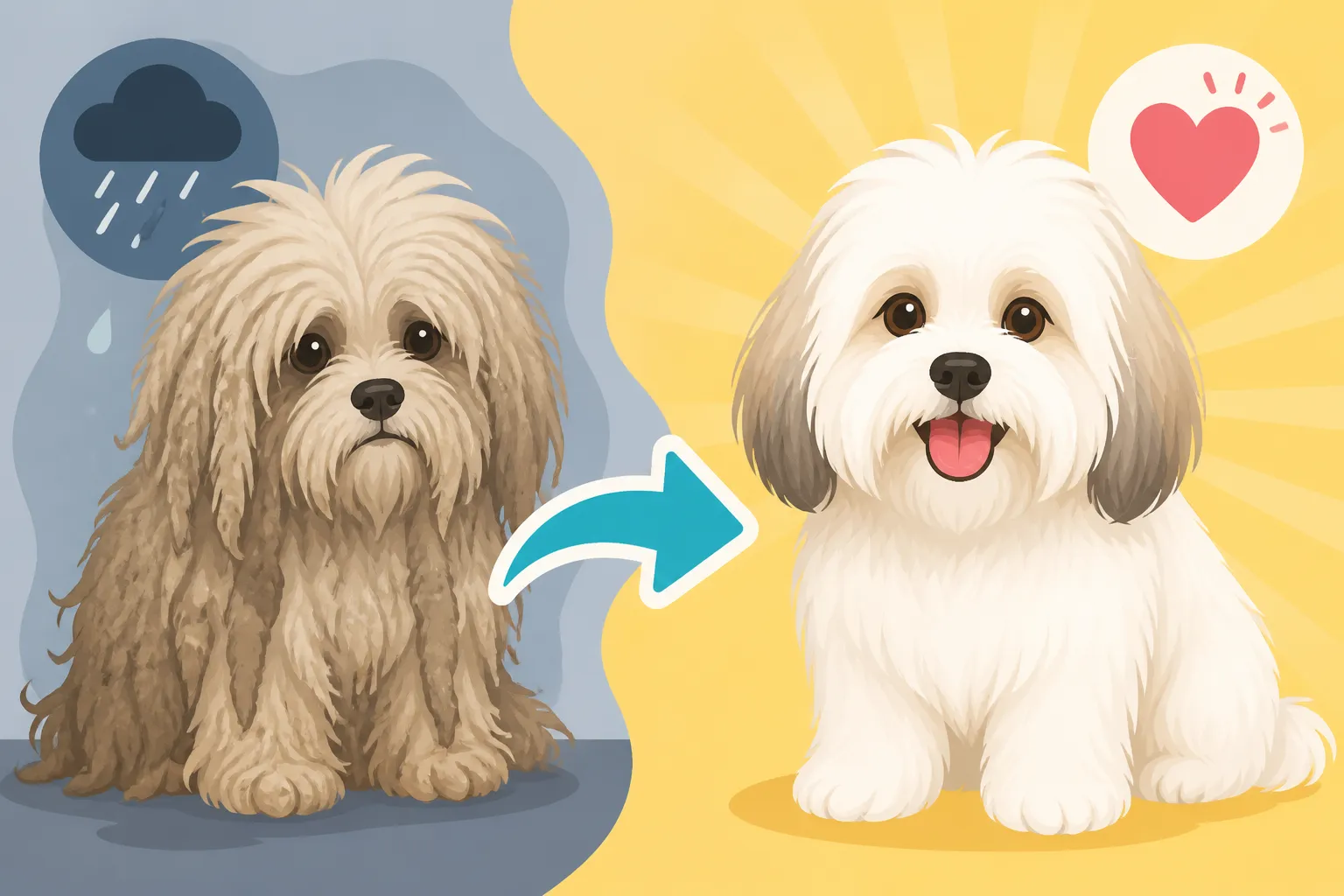
The Journey from Matted Mess to Fluffy Friend
Once a rescue Havanese is safely in care, addressing the matting becomes the top priority. This journey, from a painful, tangled mess to a comfortable, fluffy companion, is a crucial step in their rehabilitation and requires careful, compassionate handling.
The Inevitable Shave Down
For severe matting, there's often only one truly humane option: a full shave down. While it might seem drastic to strip a Havanese of their luxurious coat, attempting to de-mat a heavily pelted dog is excruciatingly painful and often impossible. The mats are simply too tight and too extensive to be brushed out without causing severe distress and injury to the skin. A veterinarian or a highly experienced professional groomer is the best person to perform this task. They have specialized clippers and blades designed to get under dense mats safely, minimizing the risk of cutting the skin, which is very thin and delicate, especially when pulled tight by matting. They also know how to work quickly and efficiently to reduce the dog's stress.
The shave down will use a very short blade, often a #10 or even a #40, to get beneath the matting and close to the skin. This exposes any underlying skin conditions, parasites, or wounds that were hidden by the fur, allowing them to be treated. It’s a relief for the dog, even if they're initially confused or chilled by the sudden lack of fur. It's often a case of Whether a Rescue Havanese Needs an Immediate Shave, and the answer is almost always yes for severe cases. You can expect to pay a higher fee for this initial, difficult groom compared to a regular trim, as it takes much longer and requires specialized skill and equipment. Knowing What a Groomer Charges to Shave a Matted Havanese can help you budget for this essential first step.
Post-Shave Care and Recovery
After the initial shave down, a rescue Havanese will need a period of careful post-shave care and recovery. Their skin, which has been trapped under mats for so long, will be very sensitive and potentially irritated. You might see redness, flakiness, or even sores. It's crucial to keep a close eye on their skin for any signs of infection or discomfort. Gentle bathing with a soothing, hypoallergenic shampoo is often recommended, followed by a light conditioner to moisturize the exposed skin. It's important to keep them warm, as they've lost their natural insulation, especially if it's cool outside. A soft sweater or blanket can provide comfort and prevent them from getting chilled.
Sunburn is also a real risk for newly shaved dogs, so limiting sun exposure or using dog-safe sunscreen on exposed areas like the nose and ears is important if they're outside for prolonged periods. This is a time for healing, both physically and emotionally. The dog might feel vulnerable or different without their fur. Comfort and reassurance, along with regular checks of their skin, are paramount. Some dogs may even benefit from dietary supplements, like omega fatty acids, to support healthy skin and coat regrowth. Quality food options are always available, and providers like Ollie offer fresh, balanced meals that can nourish their recovering body and emerging coat, while Chewy can supply specialized shampoos and skin treatments.
Long-Term Coat Rehabilitation and Prevention
Once the initial hurdle of removing severe matting is overcome, the real work of maintaining a Havanese's coat and preventing future matting begins. This isn't a one-time fix but an ongoing commitment to their health and comfort.
Establishing a Consistent Grooming Routine
The Havanese coat, even when kept in a shorter "puppy cut," requires regular attention. To prevent a return to the painful state of matting, a consistent grooming routine is absolutely non-negotiable. This routine typically involves daily brushing. Yes, daily! Their fine, silky hair, especially during the coat change phase around 8-12 months, is incredibly prone to tangling. You'll need appropriate tools: a good quality pin brush, a slicker brush, and a metal comb. The comb is vital for checking your work, ensuring you've brushed all the way down to the skin. Neglecting to brush to the skin is a common mistake that leaves mats forming unseen at the base of the hair shaft.
Regular baths, typically every 2-3 weeks, are also important. Use a quality shampoo and conditioner designed for dogs with long, silky coats. Always ensure the coat is completely dry after a bath, preferably with a forced-air dryer, as dampness can accelerate matting. Professional grooming appointments, usually every 6-8 weeks, are invaluable for trims, sanitary clips, and expert detangling of any stubborn knots you might have missed. Even if your Havanese is kept in a shorter clip, it still needs to be brushed frequently. Without consistent effort, the beautiful Havanese coat can quickly revert to a tangled mess, especially behind the ears, under the chin, and in the armpits. Learning How Often a Havanese Must Be Brushed is key to their comfort.
Behavioral Training for Stress-Free Grooming
For a rescue Havanese who has experienced the trauma of severe matting and the subsequent shave down, grooming can be a source of anxiety. It's vital to reframe grooming as a positive, even enjoyable, experience. This requires patience, positive reinforcement, and a gradual approach. Start with very short, gentle sessions. Touch your Havanese with the brush or comb for just a few seconds, then immediately reward them with a high-value treat and praise. Gradually increase the duration and intensity of the brushing as they become more comfortable.
The goal is desensitization. If they show any signs of stress, stop, take a break, and try again later with a shorter session. Never force them or make grooming a battle, as this will only reinforce their negative associations. Focus on making it a bonding experience. You might use a grooming table to establish a routine where they learn to stand still. For puppies, Getting a Havanese Used to Brushing as a Puppy early on can prevent these issues entirely. Even for older rescues, consistent, positive handling can transform their perception of grooming from a dreaded chore into a peaceful routine.
Nutritional Support for a Healthy Coat
A healthy coat isn't just about external grooming; it's also a reflection of internal health. A balanced, high-quality diet plays a significant role in promoting strong, shiny fur and healthy skin. Look for dog foods that list real meat as the first ingredient and contain essential fatty acids, particularly omega-3 and omega-6. These fatty acids are crucial for skin hydration, reducing inflammation, and giving the coat its characteristic luster and silkiness.
Consider supplementing their diet with fish oil or other omega-rich additions, especially during the regrowth phase after a shave down. This can help the new coat come in stronger and healthier. Brands like Ollie offer fresh food options formulated to support overall canine health, including skin and coat, while Chewy provides a wide array of high-quality kibble, wet food, and supplements. Always consult your veterinarian before making significant dietary changes or adding supplements to ensure they are appropriate for your Havanese's individual needs. A well-nourished Havanese will have a more resilient coat that is less prone to breakage and matting, making your grooming efforts more effective. Addressing Whether a Havanese Needs Fish Oil for Its Coat is a common question, and for rescues, it's often a beneficial step.
Considering the Costs and Commitment
Bringing a rescue Havanese into your life is an incredibly rewarding experience, but it's important to be realistic about the resources—both financial and emotional—you'll need to invest, especially if they arrive with a severely matted coat.
The Financial Investment in a Matted Rescue
The initial grooming for a severely matted Havanese can be more expensive than a regular trim. Because it takes more time, specialized skill, and potentially sedation, professional groomers or veterinary clinics will charge a premium. This could be significantly higher than What a Full Havanese Groom Costs for a well-maintained coat. Beyond the initial shave, you'll need to invest in quality grooming tools – a good pin brush, slicker brush, metal comb, dog-specific shampoo, conditioner, and detangling spray. These are not one-time purchases; brushes wear out, and products need replenishing.
Then there are potential veterinary costs. As discussed, severe matting often hides underlying skin infections, hot spots, or external parasites. These will require veterinary examination, diagnosis, and treatment, which can include medication, special shampoos, or follow-up visits. In some cases, a Havanese might even have developed arthritis or mobility issues due to restricted movement from matting, requiring further veterinary care. Having pet insurance, such as a plan from Healthy Paws, can provide immense peace of mind, helping to cover unexpected vet bills for health issues that arise, giving you the freedom to focus on your Havanese’s recovery without financial stress.
The Emotional and Time Investment
Beyond the monetary costs, rehabilitating a rescue Havanese with a history of neglect and severe matting demands a significant emotional and time investment. This isn't a quick fix; it's a journey that requires immense patience, empathy, and consistency. Your Havanese might be wary, scared, or even reactive when you try to groom them, touch them, or simply interact with them. It takes time to build trust, to help them understand that they are safe and loved, and that grooming is now a positive experience.
You'll need to dedicate consistent time each day to gentle brushing, short positive training sessions, and simply being present for them. This commitment extends beyond grooming to their overall emotional well-being. They might need extra reassurance, a consistent routine, and a calm environment to feel secure. The rewards, however, are immeasurable. Witnessing a once-fearful, matted dog transform into a confident, affectionate, and fluffy companion is one of the most fulfilling experiences a pet parent can have. It's a testament to the power of love and dedicated care.
Why Rescuing a Havanese is Still Worth It
Despite the potential challenges of a matted coat, the decision to rescue a Havanese is one that many owners find profoundly rewarding. The journey may require effort, but the unique joy and deep bond formed with these resilient dogs make every step worthwhile.
The Unique Joy of a Havanese Companion
Havanese are celebrated for their charming, intelligent, and affectionate personalities. They are often described as "Velcro dogs" due to their strong desire to be close to their human companions, following you from room to room. Their playful nature, quick wit, and endearing antics bring endless laughter and joy to a household. They thrive on companionship and are incredibly eager to please, making them delightful to live with once they feel secure and loved. Even a Havanese with a difficult past, once rehabilitated, often blossoms into an incredibly devoted and loving pet, forming a bond that feels uniquely strong because of the journey you've shared.
Their intelligence means they love to learn tricks and participate in activities, turning everyday interactions into engaging playtime. They adapt well to various living situations, from apartments to houses with yards, as long as they get their daily dose of attention and exercise. You’ll find them snuggled on your lap one moment and performing a little dance for a treat the next. They truly embody the spirit of a companion animal. After all, the Havanese is known as a healthy toy breed with a generally long lifespan, so you can look forward to many years of companionship. You can learn more about Why the Havanese Is a Healthy Toy Breed Anyway and their general well-being in other articles.
Overcoming Challenges Together
Rescuing a Havanese, especially one with a matted coat, means embracing a role as their advocate and healer. It’s about transforming a dog from a state of neglect and discomfort into one of health and happiness. The process of meticulously caring for their coat, patiently rebuilding their trust through positive grooming experiences, and addressing any underlying health issues, strengthens the bond between you and your Havanese in an extraordinary way. Each small victory—the first time they willingly offer their paw for brushing, the joyous wag of their tail after a bath, the healthy regrowth of their silky fur—feels incredibly significant.
By taking on a rescue, you're not only giving a deserving Havanese a second chance at a wonderful life, but you're also contributing to the broader cause of animal welfare. You become part of the solution, demonstrating that even dogs with challenging pasts can thrive with the right care. The satisfaction of seeing your Havanese emerge from their matted shell, literally and figuratively, and embrace their new life with confidence and joy is a deeply moving experience that solidifies the commitment and love you share. For many, it’s a commitment that’s absolutely worth it. When you consider What a Havanese Needs Every Day, patience and love rank high on that list, especially for a rescue.
Disclaimer
This article is for general informational purposes only and does not constitute professional advice. Laws, prices and regulations vary by location and change over time. Consult a qualified professional for guidance on your specific situation.