Whether a Rescue Havanese Needs an Immediate Shave
When you bring home a rescue Havanese, your heart is full, but often your new companion arrives with a coat that tells a story of neglect or hardship. Many new owners wonder if the kindest, most practical first step is to simply shave off all that tangled, matted fur. This guide will walk you through the factors to consider, helping you decide whether an immediate shave is truly necessary, how to approach it with compassion, and what long-term care looks like for your beloved Havanese.
Understanding the Condition of a Rescue Havanese's Coat
It's a bittersweet moment, isn't it? You've opened your home and heart to a sweet Havanese in need, but the reality of their past often shows quite literally on their fur. Instead of the flowing, silky coat you might picture, you're faced with a matted mess. This isn't just about aesthetics; it's a significant indicator of their previous circumstances and can hide a multitude of health concerns.
Common Coat Issues in Rescue Havanese
Many rescue Havanese arrive with coats that are far from ideal. You might encounter severe matting, where the fur has clumped together so tightly it forms a dense, impenetrable pelt, often reaching down to the skin. This isn't just a few tangles; it's a solid mass that restricts movement, pulls at the skin with every step, and collects debris. Beyond matting, their coats can be incredibly dirty, greasy, or stained, sometimes from urine, feces, or just general grime built up over months or even years of neglect. It’s heartbreaking to see, and your immediate instinct to help is completely natural. This condition often stems from a lack of regular grooming, either due to previous owners being unable to cope, unaware of the breed's intensive grooming needs, or simply uncaring.
It’s easy to feel overwhelmed, perhaps even a bit guilty that you're starting this journey with a dog in such a visible state of disrepair. But remember, this isn't your fault, and you're already making a huge difference by bringing them into a loving home. The key is to approach this challenge with patience and understanding, prioritizing your Havanese's comfort and well-being above all else. This initial coat condition is just a chapter, not the whole story, of your dog's life with you.
The Health Implications of a Severely Matted Coat
A severely matted coat is more than just unsightly; it poses serious health risks to your Havanese. For starters, those tight mats constantly pull at the dog's skin, causing chronic pain and discomfort. Imagine having your hair constantly tugged – it's an awful sensation that can make your Havanese irritable, reluctant to be touched, or even aggressive around grooming tools. Beneath the mats, the skin can't breathe, creating a breeding ground for bacteria and yeast. This often leads to painful skin infections, hot spots, or fungal issues that are hidden from view.
Furthermore, a matted coat can conceal parasites like fleas, ticks, and mites, which can thrive undisturbed in the dense fur, exacerbating skin irritation and potentially leading to other health problems. Worse still, severe matting can restrict a Havanese's movement, making it difficult for them to walk, run, or even relieve themselves properly. Their delicate joints, already prone to issues like The Kneecaps a Havanese Slips, need full range of motion. It can also make it impossible for you or a veterinarian to properly examine their skin for lumps, bumps, injuries, or even check their overall body condition. It's a comprehensive problem that impacts their physical and emotional health significantly, demanding a thoughtful and often urgent solution.
Is an Immediate Shave Always the Answer? Weighing the Options
When you first see a rescue Havanese with a matted coat, the idea of an immediate, clean shave can feel like the ultimate relief for both you and the dog. And often, it truly is. However, it's worth understanding the nuances before making that decision. While shaving provides instant relief from the physical burden of matting, it's also a significant step that has its own considerations.
When Shaving is Necessary and Humane
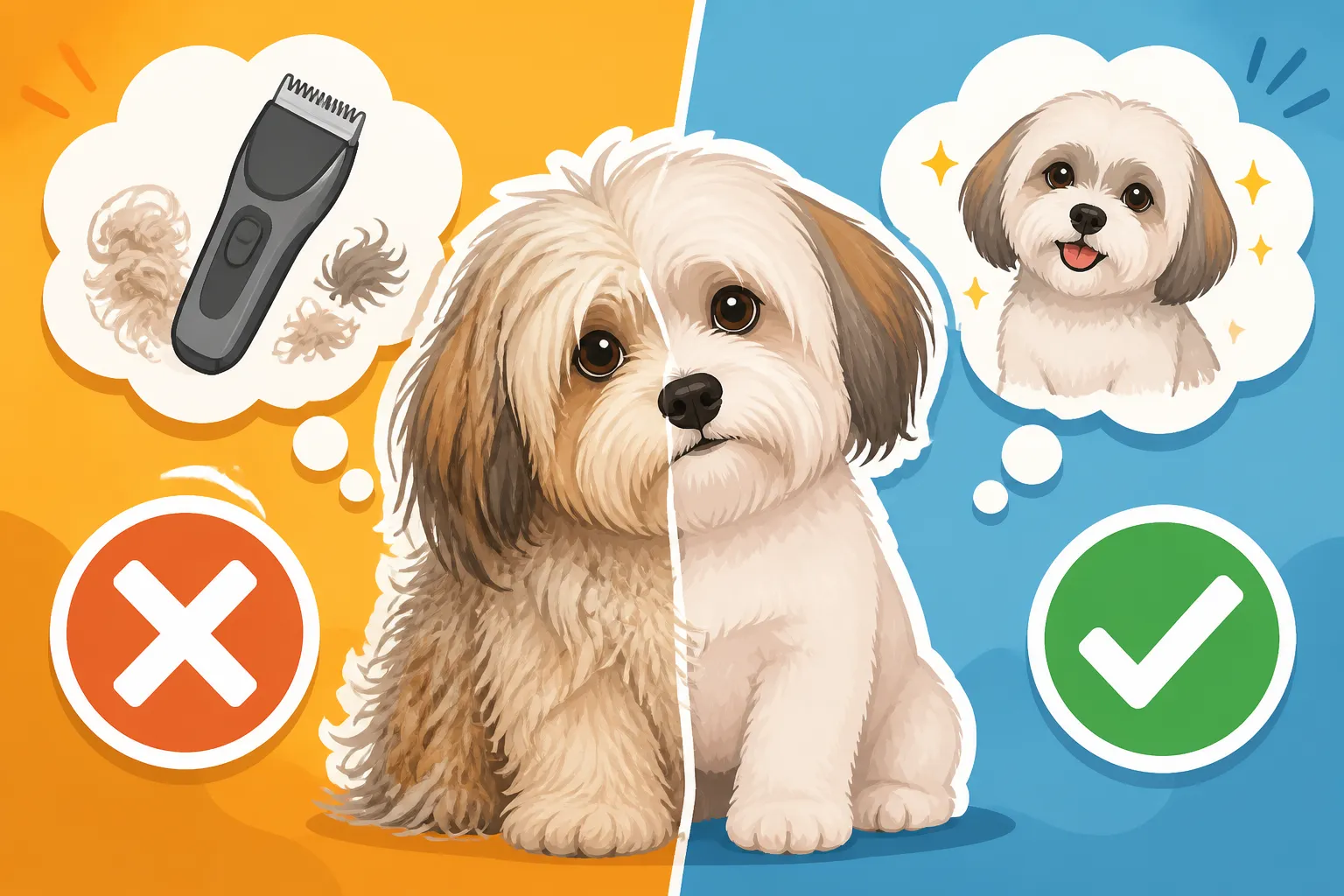
In many cases, especially with severe, pelt-like matting, shaving is not just an option, it's the most humane course of action. When mats are tight against the skin, attempting to brush or comb them out would cause immense pain, stress, and potentially skin damage like bruising or tearing. Imagine trying to untangle a solid block of concrete from your hair – it’s simply not feasible without causing significant suffering. A professional groomer will often recommend a complete shave-down using clippers underneath the mats, getting as close to the skin as safely possible. This offers immediate relief from the constant pulling and allows the skin to breathe again.
This approach prevents prolonged stress and pain during what could be an agonizing de-matting process. It's also often necessary if the dog has underlying skin infections, hot spots, or hidden wounds that need immediate veterinary attention and topical treatment. For a dog that's already been through so much, minimizing their discomfort during this initial grooming is paramount. While it might look drastic, the fresh start it provides for the coat and skin is invaluable, setting the stage for healthier hair growth and a comfortable new life. If you're wondering Whether a Matted Havanese Must Be Shaved, often the answer for severe cases is a resounding yes.
The Case for Attempting Dematting
While shaving is often necessary, there are instances where attempting to de-matt a Havanese's coat might be considered. This is typically only feasible if the matting is light, localized, and not too close to the skin. Perhaps your rescue has only a few isolated tangles behind the ears or in the armpits, rather than a full body pelt. In these specific scenarios, a very experienced professional groomer might be able to carefully work through the mats using special tools and techniques, such as a detangling spray (you might wonder Whether Detangling Products Are Worth It for a Havanese). They would prioritize the dog's comfort, taking frequent breaks and stopping if the process becomes too stressful or painful.
However, it's crucial to understand the limitations here. Dematting, even light matting, can still be uncomfortable, time-consuming, and expensive, especially if the groomer charges extra for the specialized work (like What a Dematting Charge Adds on a Havanese). Many professional groomers will outright refuse to attempt de-matting if it will cause undue pain to the dog, or if the matting is too severe, as they adhere to ethical grooming standards. They might even say Whether a Groomer Refuses a Pelted Havanese is based on the dog's condition. For most rescue Havanese with significant matting, the pain and stress of de-matting far outweigh any benefit of preserving coat length.
Emotional and Physical Considerations for the Havanese
Beyond the practicalities, it's vital to consider the emotional and physical impact of this first grooming experience on your new Havanese. Moving into a new home is incredibly stressful for any dog, let alone a rescue who might have a history of trauma or neglect. Being handled by strangers (the groomer) and enduring a long, potentially uncomfortable grooming session can be overwhelming. A shave-down, while providing physical relief, can still be a frightening experience if handled poorly. They might not understand what's happening, leading to fear and resistance.
Physically, stripping the coat down to the skin can reveal underlying skin sensitivities or issues that were hidden by the fur. It can also make the dog more susceptible to temperature changes, requiring you to keep them warm indoors or protect them with a light sweater if it's chilly. Sunburn can also be a concern for very short-clipped skin if they spend time outdoors. Therefore, even if a shave is chosen, it needs to be done with extreme care, ideally by a compassionate professional who understands how to work with fearful or anxious dogs, making the experience as gentle and quick as possible. This first encounter can significantly shape their future tolerance for grooming.
The Step-by-Step Approach to Grooming a Rescue Havanese
Bringing a rescue Havanese into your life is a journey, and their initial grooming is just the first significant step. It's not a decision to be rushed, nor a task to be taken lightly. A strategic approach that prioritizes your dog's health and emotional well-being will pave the way for a more comfortable and happier future together.
Initial Assessment and Vet Visit
Before any significant grooming happens, the very first step should always be a comprehensive veterinary check-up. Your vet needs to assess your Havanese's overall health, including their skin condition beneath that matted coat. Mats can hide skin infections, parasites, sores, or even lumps and bumps that need medical attention. The vet can also check for other common Havanese health issues like The Eye Diseases a Havanese Inherits or heart murmurs, as well as ensure they are up to date on vaccinations. This initial visit allows the vet to identify any concerns that might impact grooming, such as pain points or severe skin irritation. In some extreme cases of matting, or if the dog is particularly anxious, the vet might even recommend mild sedation for the grooming process to minimize stress and pain, ensuring a more humane experience.
Having a vet examine your dog first can also provide peace of mind regarding future expenses. Investing in pet insurance, like plans offered by Healthy Paws, early on can be a wise decision. While it might not cover pre-existing conditions revealed by the vet, it can certainly help with unexpected future illnesses or accidents, offering a financial safety net for your new companion. This initial vet visit is not just about grooming readiness, but about establishing a baseline for your Havanese's long-term health and well-being.
Consulting with a Professional Groomer
Once your vet has given the all-clear (or provided specific instructions), the next crucial step is to consult with a professional groomer who has experience with matted dogs and sensitive breeds like the Havanese. Don't just walk into any grooming salon; seek out recommendations from your vet or local Havanese rescue groups. A good groomer will take the time to assess the degree of matting, discuss the options with you (shave-down versus attempted de-matting), and explain the process. They'll also consider your Havanese's temperament; a fearful or stressed dog needs extra patience and a gentle touch.
An experienced groomer understands the delicate balance between removing the mats and causing minimal trauma. They have the right tools, like high-quality clippers and blades, and know how to safely navigate a pelted coat to avoid cutting the skin. They can also advise on What a Full Havanese Groom Costs, ensuring you're prepared for the expense, which can be higher for matted dogs due to the extra time and effort required. In most severe cases, they will advocate for a full shave to spare the dog pain, transforming your matted pup into a comfortable, albeit temporarily short-haired, companion. Listen to their professional advice; they want what's best for the dog's welfare.
Post-Shave Care and Future Coat Maintenance
After the shave, your Havanese will look dramatically different – and likely feel immensely better! Their skin, however, will be sensitive and exposed. It’s important to keep them warm indoors, especially if it's chilly, as they no longer have their protective double coat. For outdoor adventures, consider a light sweater or coat, and keep an eye on their exposed skin for any signs of sunburn. This is also the perfect time to start a proactive and consistent grooming routine to prevent future matting as the coat grows back.
Regular bathing with a gentle shampoo and conditioner is crucial. After bathing, make sure to dry them thoroughly, ideally with a force dryer set to cool or low heat, while brushing to prevent tangles from forming as the hair dries. Daily line brushing with a good slicker brush and metal comb will be your best friend (you might want to check out What a Slicker, Comb and Pin Brush Cost a Havanese Owner). You can find a wide range of grooming supplies, from high-quality shampoos to brushes and even small clippers for touch-ups, from online retailers like Chewy. Additionally, good nutrition plays a vital role in coat health. Consider feeding a high-quality diet, perhaps even fresh food options like those from Ollie, which can contribute to a healthier, stronger coat as it regrows, making it less prone to matting in the future.
Long-Term Coat Care and Building Trust
The first groom is just the beginning of your Havanese's journey to a healthy, well-maintained coat. This breed's distinctive long, silky fur requires consistent attention, but it also provides a wonderful opportunity to bond with your new companion. Establishing a routine, using the right tools, and understanding their coat's unique characteristics will make all the difference.
Establishing a Gentle Grooming Routine
Once your Havanese has been shaved down and is comfortable in their new environment, it's time to introduce them to a regular, positive grooming routine. Start with short, gentle sessions daily, focusing on positive reinforcement with treats and praise. The goal is to make grooming a pleasant experience, not a dreaded chore. Begin with a soft brush, slowly building up to using a slicker brush and a metal comb as their comfort level increases. Pay special attention to areas prone to matting, like behind the ears, in the armpits, and under the tail. Consistency is key; even five to ten minutes a day can prevent mats from forming. This is especially important as your Havanese's coat transitions. Remember, Getting a Havanese Used to Brushing as a Puppy (or a rescue, in this case) is all about patience and positive association.
If your Havanese shows signs of stress or fear, stop the session and try again later. Never force them or make grooming a punishment. This delicate breed thrives on positive interactions, and a gentle approach will build trust, making future grooming much easier. Many owners find that setting up a small grooming table helps establish boundaries and makes the dog feel more secure during sessions. Over time, your Havanese will come to see these sessions as a special bonding time with you, rather than something to be feared.
Essential Grooming Tools for a Havanese
Having the right tools is paramount for maintaining a Havanese coat, whether it's growing back from a shave or if you eventually decide to keep it long. You'll need a good quality slicker brush, which helps detangle and remove loose undercoat, and a sturdy metal comb with both fine and wide teeth for line brushing and checking for missed tangles. Many owners also find a pin brush useful for finishing or for very delicate areas. For knots, a dematting comb or tool can be helpful, but always use with extreme caution to avoid skin irritation.
Beyond brushes and combs, a high-quality shampoo and conditioner formulated for dogs, particularly those with long or sensitive coats, are essential for regular baths. A good pair of blunt-nosed scissors is useful for trimming hair around the paws and sanitary areas. If you plan to do any trimming yourself, investing in quiet, sharp clippers can save money on professional trims down the line, but always use guard combs to prevent injury and avoid cutting too short. Retailers like Chewy offer a wide selection of these tools. Knowing Which Brush Suits a Havanese can make a significant difference in preventing knots and maintaining their coat's health and beauty.
The Evolution of a Havanese's Coat
It's important to understand that a Havanese's coat changes significantly throughout their life, which will influence your grooming strategy. A rescue Havanese who has been shaved down will experience regrowth, and this new coat will likely be softer and more manageable initially. However, as they mature, typically around eight to twelve months of age, they go through a "coat change" phase. This is when the soft puppy fur starts to be replaced by the adult double coat, which is denser and silkier. This period is notorious for matting because the shedding puppy hair gets trapped in the incoming adult coat, forming dense knots. This is often Why a Havanese Mats at Eight Months and Not Before.
During this coat change and throughout their adult life, consistent daily brushing is non-negotiable if you want to keep their coat long. If you've decided on a shorter "puppy cut" for easier maintenance, you'll still need regular professional grooming appointments, usually every 6-8 weeks, to keep the length manageable. Even with a short cut, daily brushing is still recommended to prevent smaller tangles and keep their skin healthy. Understanding this evolution helps you anticipate grooming challenges and adjust your routine accordingly, ensuring your Havanese remains comfortable and mat-free, no matter their age.
Disclaimer
This article is for general informational purposes only and does not constitute professional advice. Laws, prices and regulations vary by location and change over time. Consult a qualified professional for guidance on your specific situation.