What a Groomer Charges to Shave a Matted Havanese
It’s a sight no Havanese parent ever wants to see: your fluffy, playful companion, whose coat is usually a source of joy and pride, has somehow become a tangled, matted mess. The despair can be overwhelming, the guilt heavy. You know something has to be done, and often, that means a trip to the groomer for a complete shave. This guide is here to walk you through exactly what to expect when a groomer needs to shave a matted Havanese, covering the reasons why, the cost implications, and how to prevent it from happening again.
The Heartbreaking Reality: Why Your Havanese Might Need a Shave Down
The decision to shave a Havanese is never taken lightly, neither by you nor by a professional groomer. It’s often a last resort when the matting is too severe to safely or humanely brush out. Understanding why this happens and what it means for your dog is the first step toward acceptance and prevention.
When Matting Becomes Dangerous
Matting isn't just an aesthetic problem; it's a serious health concern for your Havanese. Imagine a tight, unyielding blanket constantly pulling at their skin. This is what severe mats feel like. They create a breeding ground for bacteria and parasites, hide skin infections, and can even restrict blood flow. Over time, mats can cause painful hot spots, ulcers, and yeast infections underneath. Your dog's mobility can become compromised as mats form in armpits and groin areas, making movement painful or difficult. It’s not uncommon for a severely matted Havanese to develop deep skin sores where the mats pull repeatedly on the skin, causing immense discomfort and potential for serious infection. This isn't just a bad hair day; it’s a welfare issue that requires immediate attention.
The Groomer's Ethical Dilemma
When you bring in a Havanese with severe matting, a professional groomer faces an ethical dilemma. Their primary concern is the dog's well-being and safety. Attempting to brush out tightly matted fur, often referred to as "pelting," is incredibly painful for the dog, causes immense stress, and can lead to skin abrasions, bruising, or even tearing. A responsible groomer will often refuse to demat a severely pelted Havanese because it simply isn't humane. They understand the emotional attachment to the coat, especially given that your Havanese grows a beautiful The Silky Double Coat a Havanese Grows to the Floor, but they prioritize the dog's comfort over cosmetic appearance. They know that a quick, clean shave, while drastic, is far less traumatic and much safer than hours of painful pulling and tearing. It's a testament to their professionalism that they often act as advocates for the dog's immediate relief.
Why a Havanese Mats So Easily
Havanese coats are beautiful, but they are also incredibly prone to matting. Their silky, long double coat, while non-shedding, traps loose hair within the growing hair, leading to tangles that quickly tighten into mats if not brushed regularly and thoroughly. One of the most common times for a Havanese to suddenly develop severe matting is during the coat change from puppy to adult, which typically happens around Why a Havanese Mats at Eight Months and Not Before. During this phase, the softer puppy fur sheds out while the denser adult coat grows in, creating a perfect storm for tangles that can escalate rapidly. Common culprits for matting include friction points like behind the ears, under the collar, in the armpits, and around the groin. Even wearing a harness or simply rolling around on the carpet can contribute to mat formation if not followed by diligent brushing. Any dampness allowed to dry in the coat can also severely worsen matting, essentially "felting" the hair together.
Understanding the Cost Factors for a Matted Havanese Shave
Let's talk about what's probably on your mind: the cost. Getting a matted Havanese shaved down is almost always going to be more expensive than a routine groom. This isn't because groomers are trying to penalize you, but because the job is significantly more difficult, time-consuming, and carries higher risks.
The "Dematting" vs. "Shave Down" Charge
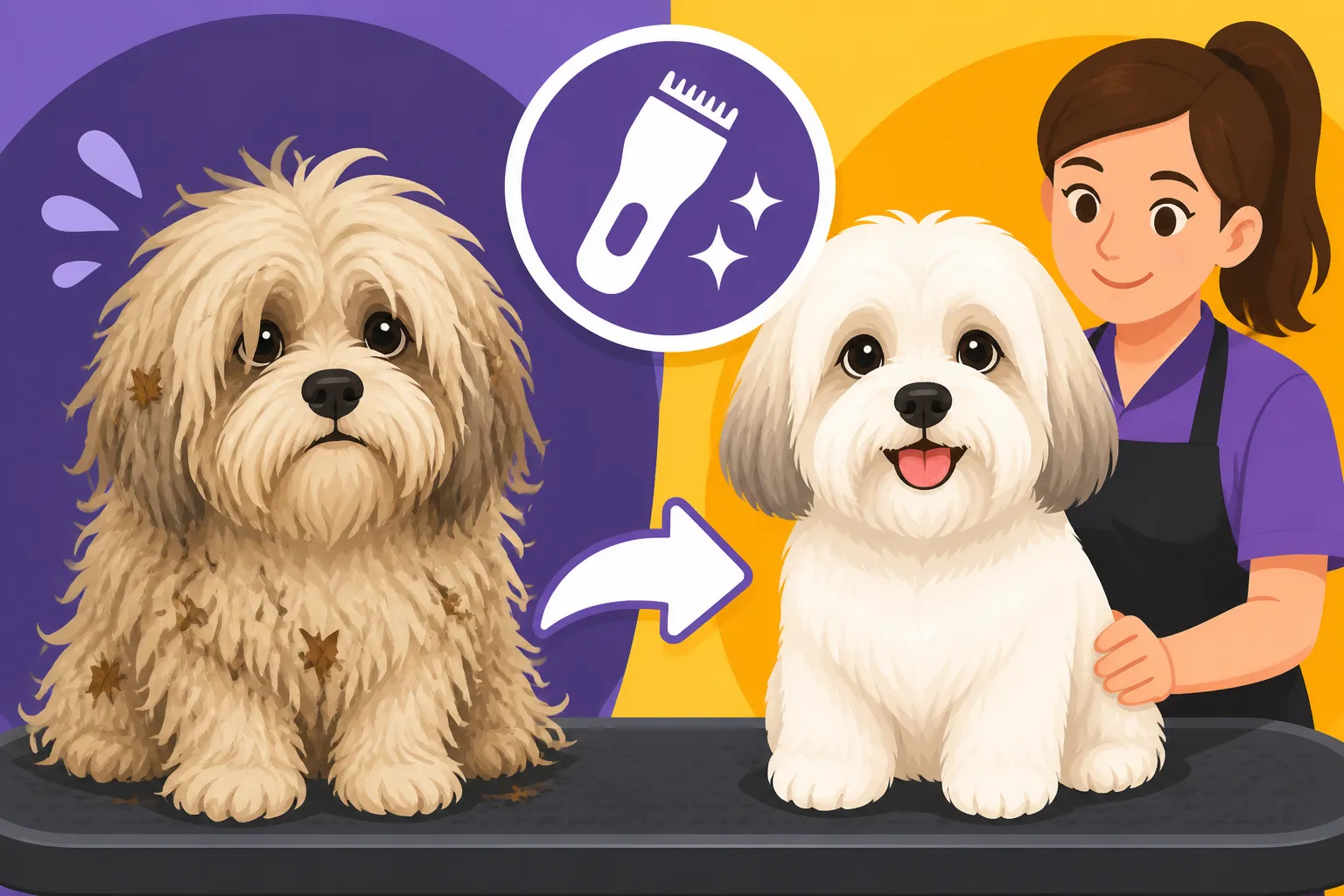
It's crucial to understand the difference. "Dematting" typically refers to carefully working out minor tangles and small, loose mats. This is usually done with a combination of sprays, combs, and brushes, and it's a gentle, methodical process. For severe matting, this isn't possible. What your Havanese needs is a "shave down" or "pelt removal." This involves using very short clipper blades (often a #10 blade or even shorter) to go underneath the matting, as close to the skin as safely possible. This isn't just a quick clip; it requires extreme precision to avoid nicking the skin, which is often paper-thin and pulled taut by the mats.
Groomers charge for their time, skill, and the increased wear and tear on their equipment. Shaving a heavily matted dog dulls blades rapidly and can even break clippers, leading to costly maintenance for the groomer. They are also taking on a higher risk of injury to the dog, despite their best efforts, and it takes specialized knowledge to navigate the tight skin and hidden sores that can be present under a matted coat. Expect this service to come with a premium charge compared to a regular haircut.
Factors Influencing the Price
Several elements will influence the final price for shaving a matted Havanese:
- Severity of Matting: This is the biggest factor. A few scattered mats will incur a different charge than a dog whose entire body is a solid pelt. The denser and more widespread the matting, the longer and more difficult the job will be, thus increasing the cost. If the mats are very tight to the skin, it requires slower, more careful work.
- Size of the Havanese: While Havanese are small dogs, even a few extra pounds or inches can mean more surface area to shave, adding to the time and cost.
- Groomer's Experience and Location: Highly experienced groomers, especially those skilled in handling difficult or matted coats, may charge more for their expertise. Prices also vary significantly by geographic location; a groomer in a major metropolitan area will likely charge more than one in a rural town.
- Dog's Temperament: If your Havanese is anxious, fearful, or prone to nipping, the groomer will need more time, potentially two people, and extra caution, all of which can add to the fee.
- Condition of the Skin Underneath: If the groomer discovers severe skin irritation, open sores, or parasitic infestations once the mats are removed, they may recommend additional medicated baths or treatments, which would be an extra charge.
It’s not uncommon for groomers to have a "matted pet fee" on top of their standard grooming price, or they might simply charge an hourly rate for the extra work involved. This is why getting a clear estimate upfront, after the groomer has seen your dog, is essential.
Additional Services and Potential Surprises
When your Havanese gets shaved down due to matting, the groomer will usually include a bath, nail trim, and ear cleaning as part of the overall service. These are standard parts of a full groom. However, there can be some additional costs or considerations:
- Medicated Baths or Treatments: If the underlying skin is red, inflamed, or infected, your groomer might suggest a medicated shampoo or soothing conditioner. These specialized products and the extra time they require might be an additional charge.
- Veterinary Consultation: In extreme cases, if the groomer finds severe wounds or skin infections, they might advise a visit to the vet immediately. Pet insurance providers like Healthy Paws can be a real lifesaver if unexpected vet visits become necessary for issues stemming from severe matting, potentially covering some of the costs for treatment.
- Sedation: While rare for routine grooming, in very severe matting cases where a dog is extremely anxious or aggressive due to pain, a vet might need to lightly sedate them for the shave. This would be done at a veterinary clinic, not a grooming salon, and would incur veterinary fees.
- Time: The sheer amount of time a shave down takes is a surprise for many owners. It’s not just shaving; it’s carefully exposing skin that hasn’t seen the light of day, avoiding existing wounds, and then thoroughly bathing and drying a dog whose skin might be highly sensitive.
Think of it this way: what seems like a simple "shave it all off" is actually a complex, delicate operation that prioritizes your dog’s immediate comfort and long-term health. The cost reflects the specialized skill, patience, and risk involved in transforming a miserable, matted dog into one that can finally move and breathe freely again.
Preparing for the Groomer: What You Can Do (and What You Can't)
Facing the fact that your beloved Havanese needs a shave due to matting can be tough. But there are ways to approach the situation that can make it smoother for both you and your dog.
The Difficult Conversation
When you call or arrive at the groomer, be honest and upfront about the condition of your Havanese's coat. Don't try to minimize the matting or pretend it's not as bad as it is. Groomers appreciate honesty because it helps them allocate the right amount of time and resources for the job. Explain how long it's been since the last full groom, or when you noticed the matting getting out of control. Ask for an estimate, but understand that the final price might fluctuate once they can fully assess the severity once your dog is in their care. A good groomer will walk you through their assessment, explain why a shave is necessary, and outline the process. They've seen it all before, so there's no need to feel embarrassed. Their priority is helping your dog. If you're wondering Whether a Groomer Refuses a Pelted Havanese, the answer is often yes, if the coat is truly solid or the dog is too distressed by attempts to work on it, as dematting can be excruciatingly painful.
At-Home Steps (and Warnings)
Your natural instinct might be to try and fix the mats yourself before the groomer, but this is where you need to be extremely careful.
What to AVOID doing at home:
- DO NOT use scissors to cut out mats. This is the number one warning from every groomer. Mats are often much tighter to the skin than they appear, and the skin underneath is often pulled taut and thin. It is incredibly easy to accidentally cut your dog's skin, leading to painful wounds that require veterinary attention. Even small nicks can bleed heavily and become infected.
- DO NOT try to forcibly brush out severe mats. If you can't easily run a comb through a section of hair, attempting to brush it out will only cause pain, distress, and could lead to brush burn or skin irritation. It can also teach your Havanese to hate grooming, making future sessions a nightmare.
What you can do:
- Gentle, superficial detangling: If there are only a few very loose tangles on the tips of the fur, you can try using a wide-toothed comb and a good quality detangling spray. Hold the base of the hair near the skin to prevent pulling, and gently work the comb through the tangle. If there's any resistance or your Havanese shows discomfort, stop immediately.
- Gather supplies: While you might not be grooming right now, having good quality tools for future prevention is key. Brands like Chewy offer a wide selection of slicker brushes, combs, and detangling sprays that are essential for maintaining a Havanese coat. You might also want to invest in a grooming table if you plan to do more home grooming after the shave. What a Home Grooming Kit Costs a Havanese Owner can give you an idea of the investment.
- Make your Havanese comfortable: Ensure your dog is hydrated and has had a chance to relieve themselves before going to the groomer. Offer comforting words and reassurance. A calm dog is easier to work with.
What to Expect During the Appointment
When you arrive, the groomer will perform a thorough hands-on assessment of your Havanese's coat. They will check the severity of the matting, the condition of the skin, and your dog's temperament. They will likely discuss their findings with you and reiterate why a shave down is the most humane and safest option. You may be asked to sign a waiver acknowledging that you understand the risks involved with shaving a severely matted dog, such as potential skin irritation, nicks, or the possibility of discovering underlying skin conditions once the mats are removed.
The actual shaving process can take longer than a standard groom because the groomer must work slowly and meticulously to prevent injury. They will use specialized short blades and often work in sections. After the shave, your Havanese will be bathed and dried, and any remaining standard grooming tasks like nail trims or ear cleaning will be completed. Don't be surprised if your Havanese looks dramatically different – smaller, perhaps a little shocked, but most importantly, relieved.
Life After the Shave: Recovery and Prevention
Once your Havanese has been shaved down, the immediate crisis is over, but the journey isn't. You now have a fresh start to ensure their coat stays healthy and tangle-free.
Post-Shave Care
Your Havanese's skin will be exposed to the elements after a shave, possibly for the first time in a while. It might be a little pink or flaky, especially if mats were pulling tightly.
- Skin Sensitivity: Keep an eye out for any redness, itching, or irritation. If your Havanese seems uncomfortable, contact your vet. Sometimes, a soothing shampoo or a topical balm can help, but always check with a professional first.
- Sun Protection: If your Havanese spends time outdoors, consider applying a pet-safe sunscreen to exposed areas, especially if they have fair skin. Their natural coat provided a layer of protection that is now gone.
- Temperature Regulation: Your Havanese might feel the cold more easily without their thick coat. Ensure they have warm places to rest indoors, and consider a sweater or coat for outdoor excursions, especially if you live in a colder climate. Conversely, in warm weather, their shaved coat can help them stay cooler, but watch for sunburn.
- Coat Regrowth: The Havanese coat will grow back, but it will take time. Be patient. Whether a Clipped Havanese Coat Grows Back the Same is a common question, and generally, yes, the texture will remain the same, though sometimes the initial regrowth can seem a bit softer or fluffier before settling into its normal texture.
Preventing Future Matting
This is your golden opportunity to establish a consistent grooming routine that will keep your Havanese comfortable and mat-free.
- Daily Brushing is Key: For a Havanese with a longer coat, daily brushing is non-negotiable. Learn how to line brush effectively to ensure you're reaching down to the skin, not just skimming the topcoat. A good slicker brush and metal comb are essential. You can learn more about How Long Brushing a Havanese Takes Daily to set realistic expectations.
- Regular Professional Grooming: Even if you brush daily, professional grooming every 4-8 weeks is highly recommended. Groomers can keep the coat trimmed to a manageable length, like a What a Puppy Cut Costs on a Havanese, and address any emerging tangles before they become serious mats. They also perform essential tasks like nail trims and ear cleaning, including removing excess hair from the ear canal which helps prevent Whether a Havanese Gets Ear Infections.
- Bathing and Drying: Regular bathing with a good quality shampoo and conditioner is important, but proper drying is crucial. Always blow-dry your Havanese completely after a bath, brushing as you go, to prevent the coat from matting as it dries. How Often a Havanese Should Be Bathed will help you establish a schedule.
- Diet and Supplements: A healthy diet contributes to a healthy coat. High-quality dog food, like that offered by Ollie, provides essential nutrients that support skin and hair health, making the coat stronger and potentially less prone to breakage and matting. Some owners also consider supplements like fish oil, which can improve coat health.
- Protect Vulnerable Areas: Pay extra attention to areas prone to matting: behind the ears, armpits, groin, and under any harness or collar. Keep these areas trimmed slightly shorter if necessary. Consider a good quality, well-fitting harness to prevent friction mats.
- Be Proactive: Don't wait until you see a mat to act. Incorporate grooming into your daily routine. If you spot a small tangle, address it immediately before it can grow into a major problem.
Embracing a Shorter Style
Many Havanese owners find that a shorter style, often called a "puppy cut" or "teddy bear cut," is far more practical for everyday life than a full, floor-length show coat. This isn't just about appearance; it's about comfort and ease of maintenance. With a shorter cut, your Havanese is less likely to pick up debris, stay damp after a walk in the rain, or develop severe matting. It also makes brushing at home much faster and more effective, ensuring that your Havanese is always comfortable and happy. Plus, a shorter cut can highlight their adorable features and keep them looking youthful. Whether a Puppy Cut Suits a Havanese is a decision many owners make for their dog's long-term comfort and their own sanity! It’s a compromise that ensures a happy, healthy Havanese without constant grooming battles.
Disclaimer
This article is for general informational purposes only and does not constitute professional advice. Laws, prices and regulations vary by location and change over time. Consult a qualified professional for guidance on your specific situation.