Whether a Havanese Gets Ear Infections
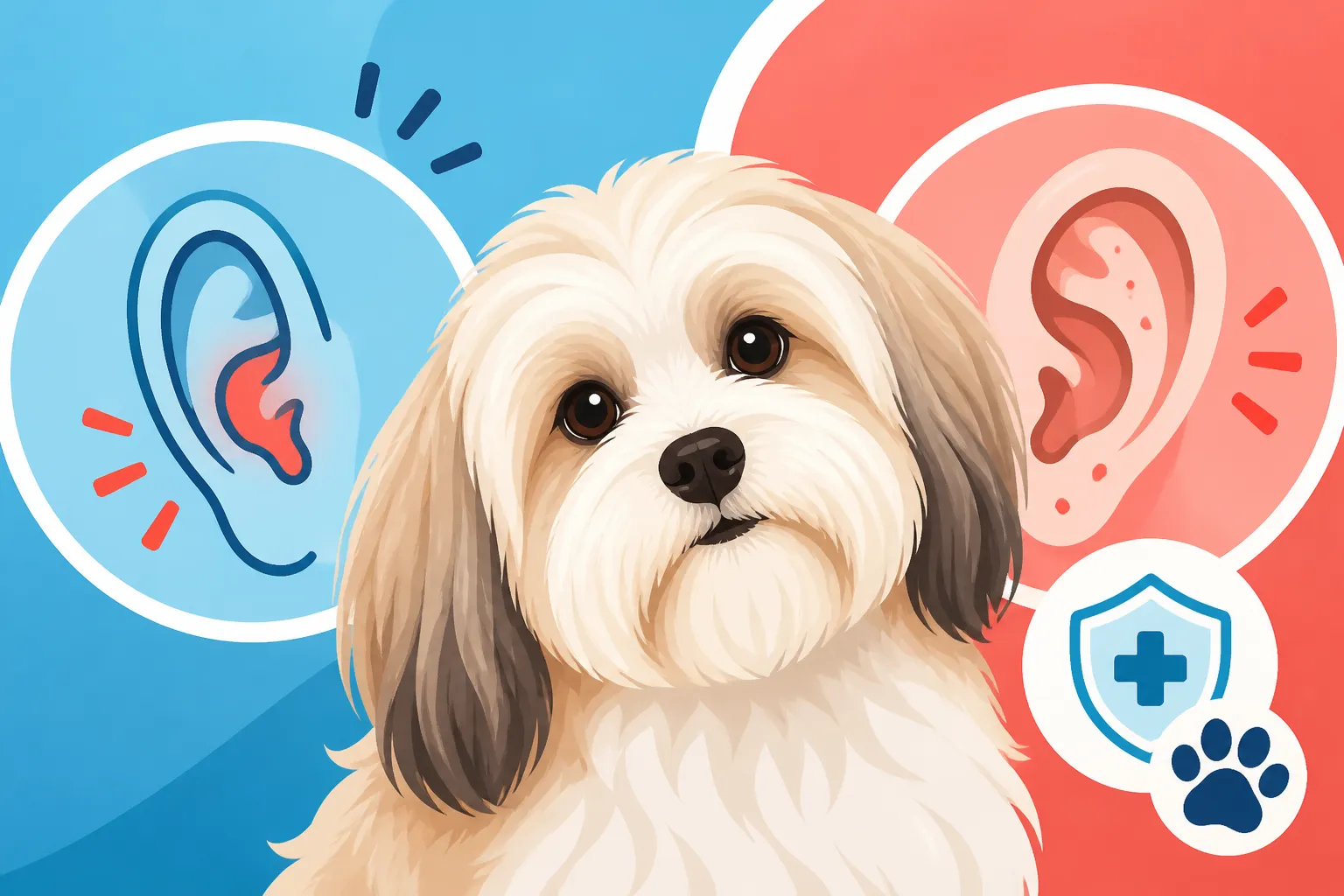
It’s truly disheartening when your sweet Havanese starts shaking their head, scratching relentlessly at their ears, or giving you that worried look because something just isn't right. Ear infections are a common, frustrating, and often recurring problem for many Havanese owners, and figuring out why they happen and how to manage them can feel like a never-ending battle. This guide will delve deep into why Havanese are prone to ear troubles, what signs to watch for, and most importantly, how to keep those adorable, floppy ears happy and healthy.
The Unique Vulnerabilities of Havanese Ears
The very features that make Havanese so endearing – their long, silky coats and those expressive, floppy ears – unfortunately also contribute to a higher risk of ear infections. It’s not just bad luck; it’s a design flaw, if you will, that makes their ears a perfect breeding ground for trouble. Understanding this anatomy is the first step in effective prevention and management.
The Distinctive Drop Ear and Ear Flap
Unlike breeds with pricked, upright ears, Havanese sport beautiful, V-shaped drop ears that lie flat against their heads. This characteristic ear flap, while adorable, effectively seals off the ear canal from the outside world. Think of it like a curtain drawn over a window: it keeps light out, and in the case of a Havanese ear, it significantly reduces airflow. This creates a warm, moist, and dark environment within the ear canal, which is absolutely ideal for the proliferation of yeast and bacteria.
When you combine this natural lack of ventilation with the humid conditions some dogs live in, or even just after a bath or a swim, that ear canal becomes a veritable jungle. Owners often express frustration because they clean diligently, but the design of the ear itself is constantly working against them. It’s like trying to dry clothes in a closet with the door shut – it’s just not going to happen efficiently. This constant battle against moisture and warmth is a primary reason why Havanese seem to get ear infections more often than some other breeds.
The Thick Hair Growth Inside the Canal
Adding another layer to this challenge is the Havanese's luxurious coat, which isn't just external. These dogs grow hair inside their ear canals. This isn't just a few sparse strands; it can be quite thick and dense, further exacerbating the issue of restricted airflow. This hair acts like a natural filter, trapping moisture, debris, and wax, which then become food for opportunistic microorganisms.
Imagine trying to keep a drain clear when it's constantly collecting hair and grime; that's what's happening inside your Havanese's ear. This hair can also become matted deep within the canal, creating even more blockages and irritation. Many Havanese owners lament the struggle of plucking or trimming this ear hair, as their dogs often find it uncomfortable or even painful, especially if the ear is already inflamed. It’s a necessary evil that, if neglected, almost guarantees ongoing ear troubles. Removing this hair can be a delicate process, and it’s important to know Whether Hair in a Havanese's Ear Canal Causes Infection and how to manage it safely.
Why Restricted Airflow is a Problem
The combined effect of the drop ear and internal hair growth is severely restricted airflow. This isn't just about keeping things dry; proper ventilation helps to regulate temperature and maintain a healthy microclimate within the ear. Without it, the conditions become perfect for pathogens to thrive. Bacteria and yeast, which are naturally present in small numbers in a healthy ear, can quickly multiply out of control when they find themselves in a warm, dark, and damp environment with plenty of debris to feed on.
This constant state of "stuffiness" can lead to chronic inflammation, even before a full-blown infection sets in. The skin lining the ear canal becomes irritated, swells, and produces even more wax, further blocking the canal. It’s a vicious cycle that, once started, can be incredibly difficult to break. Owners often feel like they’re fighting a losing battle, and it's easy to wonder if there's anything that can truly solve the problem long-term. This anatomical predisposition means that Havanese owners need to be particularly diligent with ear care compared to owners of breeds with open, upright ears.
Common Culprits Behind Havanese Ear Infections
Beyond their unique ear structure, several external and internal factors can trigger or worsen ear infections in Havanese. It's rarely just one thing, which is why treating them can sometimes feel like playing detective. Understanding these common culprits is key to developing an effective strategy for prevention and treatment.
Unwanted Guests: Yeast and Bacteria
The vast majority of Havanese ear infections are caused by an overgrowth of yeast (most commonly Malassezia pachydermatis) or bacteria (often Staphylococcus or Pseudomonas). These microorganisms are normally present in small amounts in a healthy ear canal. However, when the environment changes – perhaps due to moisture, allergies, or excessive wax – they seize the opportunity to multiply rapidly, leading to an infection.
Yeast infections often present with a distinct, pungent, yeasty smell and a brownish, waxy discharge. Bacterial infections can vary; some might produce a yellowish or green pus-like discharge and can be very painful, leading to a much more intense inflammatory response. What makes it particularly frustrating for owners is that these infections can recur repeatedly, especially if the underlying cause isn't addressed. You might treat one infection, only for another one to pop up a few weeks later, making you feel like you're constantly at the vet's office. This is why it's essential to understand Whether a Havanese Gets Yeast in Its Ears specifically, as treatment differs from bacterial infections.
The Allergy Connection: Food and Environment
One of the most significant and often overlooked contributors to chronic ear infections in Havanese is allergies. Just like people, dogs can suffer from environmental allergies (atopy) to things like pollen, dust mites, or mold, or food allergies to certain proteins or ingredients in their diet. When a Havanese experiences an allergic reaction, their immune system goes into overdrive, often manifesting as itchy skin, foot licking, and, yes, inflamed ears.
Allergies cause inflammation throughout the body, including the delicate lining of the ear canals. This inflammation changes the microenvironment of the ear, making it more susceptible to secondary yeast and bacterial infections. It's a common scenario: the Havanese develops an allergic flare-up, which then leads to inflamed, itchy ears, which then become infected. Treating the infection provides temporary relief, but if the underlying allergy isn't identified and managed, the cycle will inevitably repeat. Owners often find themselves wondering Whether a Havanese Reacts to Its Food when chronic ear issues persist, highlighting the need for dietary investigation. Similarly, understanding if your Havanese also experiences Whether a Havanese Gets Itchy Skin can provide clues to an allergic cause.
Moisture Traps and Foreign Objects
Beyond the inherent moisture-trapping nature of their floppy, hairy ears, external factors can introduce additional moisture, creating perfect conditions for infections. A refreshing dip in the lake, a rainy walk without proper drying, or even residual shampoo or water left in the ears after a bath can be enough to tip the balance. This trapped moisture softens the delicate skin of the ear canal, making it more vulnerable to infection, and provides the damp environment that yeast and bacteria love.
Foreign objects are another, though less common, culprit. Things like grass awns (foxtails), tiny pieces of debris, or even insects can make their way into the ear canal, causing irritation, inflammation, and sometimes even puncturing the eardrum. Your Havanese might suddenly start shaking their head violently, pawing at their ear, and crying out in pain if a foreign object is present. While rarer than yeast or bacterial infections, these cases require immediate veterinary attention to remove the object safely and prevent further damage. Being mindful of these potential hazards, especially after outdoor adventures, is an important part of preventative care.
Spotting the Signs: How to Tell if Your Havanese Has an Ear Infection
As devoted Havanese parents, we’re often acutely aware of our pups' subtle cues. But when it comes to ear infections, the signs can sometimes start subtly and then escalate quickly. Catching an infection early can make a world of difference in your Havanese’s comfort and the ease of treatment. Don't overlook these common indicators; your Havanese relies on you to notice when something is amiss.
Obvious Physical and Behavioral Cues
The most common and immediate signs of an ear infection often involve your Havanese’s physical behavior and comfort levels. You might notice them constantly scratching at their ear with a back paw, sometimes so intensely that they scrape the skin raw around the ear flap. Head shaking is another huge giveaway; it starts gently but can quickly become violent, with their floppy ears flapping against their head, sometimes leading to painful hematomas (blood blisters) on the ear flap itself from the trauma.
Beyond these classic signs, observe if your Havanese is tilting their head to one side, especially if only one ear is affected. They might also shy away from having their head or ears touched, even for a gentle stroke, which is very unusual for such an affectionate breed. Sometimes, they might rub their head against furniture or the carpet, trying to relieve the intense itch. When your normally playful Havanese becomes withdrawn, irritable, or seems generally uncomfortable, especially around their head, an ear infection should be high on your list of suspects.
Unpleasant Odors and Concerning Discharge
While behavioral changes are often the first thing we notice, getting a good sniff of your Havanese's ears can tell you a lot. A healthy Havanese ear should have a very faint, neutral smell. An ear infection, however, often brings a distinctive, unpleasant odor. Yeast infections typically produce a sweetish, "yeasty," or sometimes pungent, sour smell – often compared to stale bread or dirty socks. Bacterial infections can emit a foul, cheesy, or even putrid odor. Once you've smelled a truly infected Havanese ear, it's a scent you won't forget.
Along with the smell, you'll almost certainly see discharge. The color and consistency can vary. For yeast infections, the discharge is usually dark brown, waxy, and sometimes appears gritty. Bacterial infections can produce yellowish, green, or blackish pus-like discharge that might be watery or thick and sticky. You might even notice crusting around the opening of the ear canal or on the inner surface of the ear flap. Any deviation from a clean, dry, and odorless ear canal warrants immediate investigation. This is a critical indicator that should prompt a vet visit without delay.
When to Be Especially Vigilant
It's wise to be extra vigilant in certain situations or if your Havanese has a history of ear problems. Pay close attention after baths, swimming, or rainy walks, ensuring their ears are thoroughly dried. If your Havanese has known allergies, watch for ear symptoms during allergy season or after consuming potential food triggers. A puppy, still developing its immune system and learning to tolerate ear cleaning, also needs careful monitoring. For instance, knowing what your Havanese needs every day includes a quick check of their ears.
Any time you notice recurrent ear issues, don't just treat the symptoms; try to uncover the underlying cause. Sometimes, a seemingly minor ear irritation can quickly escalate into a painful infection if left unchecked. A simple, quick check of your Havanese's ears during your daily grooming routine can often catch problems before they become severe. Prevention is always easier than cure, and your proactive vigilance can save your furry friend a lot of discomfort.
Navigating Diagnosis and Treatment with Your Vet
When your Havanese is showing signs of an ear infection, a trip to the veterinarian isn't just recommended; it's essential. Self-diagnosing and treating can often do more harm than good, especially if you're dealing with an incorrect diagnosis or an infection that requires specific medication. Your vet has the tools and expertise to properly assess the situation and get your pup on the road to recovery.
The Veterinary Examination and Diagnostic Tools
Upon arriving at the vet, they'll perform a thorough examination of your Havanese’s ears. This usually starts with a visual inspection of the outer ear flap and surrounding skin, looking for redness, swelling, or trauma from scratching. Then, your vet will use an otoscope, a special instrument with a light and magnifying lens, to look deep into the ear canal. This allows them to assess the extent of inflammation, check for foreign bodies, and most importantly, ensure the eardrum is intact. A ruptured eardrum requires a completely different approach to treatment, as certain ear medications can be ototoxic (toxic to the ear) if they reach the middle ear.
The most crucial step in diagnosing an ear infection is often cytology. Your vet will take a swab of the discharge from your Havanese’s ear and examine it under a microscope. This allows them to identify whether the infection is caused by yeast, bacteria, or both. Knowing the specific culprit is vital because yeast and bacterial infections require different types of medication. In some severe or recurring bacterial cases, your vet might also recommend a culture and sensitivity test, which identifies the specific species of bacteria and determines which antibiotics will be most effective against it. This targeted approach prevents using ineffective treatments and helps resolve stubborn infections more quickly.
Effective Medications and Cleaning Strategies
Once the type of infection is identified, your vet will prescribe appropriate medication. For yeast infections, antifungal ear drops or ointments are typically used. Bacterial infections usually require antibiotic ear drops or, in more severe cases, oral antibiotics. It's not uncommon for a medication to contain a combination of anti-inflammatory, antifungal, and antibiotic ingredients to tackle multiple aspects of the problem simultaneously. It is critical to follow your vet’s instructions precisely, completing the entire course of medication even if the ear appears to be improving, to prevent recurrence and antibiotic resistance.
Alongside medication, proper ear cleaning is paramount. Your vet will likely demonstrate how to clean your Havanese's ears safely and effectively at home. They will often prescribe a specific ear cleaner that helps break down wax and debris without causing further irritation. The key is to be gentle but thorough. Flood the ear canal with the cleaner, massage the base of the ear to loosen debris, and then wipe away the excess with cotton balls or soft gauze. Never use Q-tips deep inside the ear, as they can push debris further in or even damage the eardrum. Regular, gentle cleaning helps create a healthier ear environment and enhances the effectiveness of the medications. Owners should follow guidelines on How Often a Havanese's Ears Should Be Cleaned to establish a beneficial routine.
Addressing the Root Cause, Not Just Symptoms
Treating the active infection is only half the battle, especially for Havanese who experience recurrent ear problems. The true success lies in identifying and addressing the underlying cause. If allergies are suspected, your vet might recommend further diagnostics, such as an elimination diet trial for food allergies or allergy testing (blood or intradermal skin tests) for environmental allergies. Managing allergies can involve special diets, antihistamines, steroids, or even immunotherapy (allergy shots). This long-term management can dramatically reduce the frequency and severity of ear infections.
Additionally, regular grooming is non-negotiable for Havanese prone to ear issues. This includes carefully trimming or plucking the hair from inside the ear canal to improve ventilation. Many groomers offer this service, or your vet can guide you on how to do it safely at home. Keeping the hair around the ear opening trimmed short also helps prevent matting and allows for better airflow. For instance, understanding The Silky Double Coat a Havanese Grows to the Floor helps explain why this careful management is so crucial for Havanese ears. A holistic approach that combines immediate treatment with long-term preventative care is the most effective way to keep your Havanese’s ears healthy and infection-free.
Proactive Prevention: Keeping Your Havanese's Ears Healthy
The best offense is a good defense, and this couldn't be truer when it comes to preventing ear infections in your Havanese. Given their predisposition, a proactive and consistent ear care routine is absolutely essential. By taking some relatively simple steps, you can significantly reduce the chances of those frustrating, painful infections returning.
The Importance of Regular Grooming and Trimming
For Havanese, regular grooming isn't just about looking pretty; it's a vital health component, especially for their ears. Because of the thick hair that grows within their ear canals, consistent maintenance is crucial. This involves carefully trimming or plucking the excess hair from inside the ear to improve air circulation. Many professional groomers are skilled at this delicate task, or your vet can show you how to do it gently at home using appropriate tools. If you're doing it yourself, be incredibly careful not to go too deep or cause pain, as this can make your Havanese averse to future ear care.
Beyond the inner canal, keeping the hair around the ear opening and on the ear flap neat and trimmed is also important. Long, matted hair on the ear flap can further trap moisture and debris. Regular brushing of the entire coat, including the ears, helps prevent matting that could pull on the sensitive skin around the ears and contribute to irritation. Remember, How Often a Havanese Must Be Brushed applies to their ears too, albeit with different tools and techniques. Integrating ear checks and simple cleanings into your regular grooming sessions can catch problems before they become full-blown infections.
Managing Moisture and Allergies
Since moisture is such a prime suspect in ear infections, diligently managing it is a cornerstone of prevention. After every bath, swim, or even a walk in the rain, make it a habit to thoroughly dry your Havanese's ears. Use a soft towel or cotton balls to gently wipe the outer ear flap and the visible parts of the canal. You can also use a veterinarian-approved ear drying solution, especially if your Havanese is a frequent swimmer or has a history of moisture-related infections. Just a few drops after getting wet can make a huge difference in discouraging microbial growth.
If allergies are the root cause, managing them is paramount. This might involve working with your vet to identify specific triggers through diet trials or allergy testing. For environmental allergies, strategies could include air purifiers in your home, regular vacuuming, washing your Havanese's bedding frequently, and wiping down their paws and muzzle after outdoor excursions. For food allergies, a strict elimination diet followed by carefully chosen hypoallergenic food can be life-changing. Successfully managing allergies not only helps their ears but can also alleviate other uncomfortable symptoms like Whether a Havanese Gets Hot Spots Under Its Coat or constant paw licking.
Dietary Support and Supplementation
While diet isn't a direct treatment for an active ear infection, it can play a significant role in overall ear health, particularly when allergies or inflammation are factors. A high-quality, balanced diet provides the necessary nutrients to support a healthy immune system and maintain healthy skin and coat, including the skin lining the ear canals. Some Havanese owners find that specific diets, such as those with novel proteins or limited ingredients, help manage underlying food sensitivities that contribute to ear issues. This might involve exploring Whether a Havanese Reacts to Its Food and trying different options under veterinary guidance.
Beyond a good base diet, certain supplements can offer additional support. Omega-3 fatty acids, found in fish oil, are renowned for their anti-inflammatory properties and can help improve skin and coat health, which in turn benefits the ear canal. Probiotics can support a healthy gut microbiome, which is intrinsically linked to overall immune function and can sometimes help with allergy management. Always discuss any supplements with your vet before introducing them, as they can advise on appropriate dosages and ensure they won't interact with any other medications your Havanese is taking. A healthy dog, supported by a good diet, often has healthier ears.
Understanding the Long-Term Impact and When to Act Fast
While ear infections can seem like a minor nuisance, if left untreated or improperly managed, they can lead to serious long-term consequences for your Havanese. Ignoring the signs or delaying veterinary care isn't just about prolonging discomfort; it can lead to chronic pain, hearing loss, and more complicated medical interventions down the line. Knowing when to seek professional help and understanding the potential impact is crucial for your Havanese’s well-being.
Potential Complications of Untreated Infections
An untreated ear infection doesn't just go away; it almost always gets worse. The inflammation and pain will intensify, causing significant distress to your Havanese. Chronic infections can lead to permanent changes in the ear canal, such as thickening of the skin (hyperplasia) and narrowing of the canal (stenosis), making future infections even harder to treat and the ear more susceptible to recurrence. This can become a truly heartbreaking cycle for both dog and owner.
In severe cases, an infection can spread from the outer ear to the middle or inner ear, leading to much more serious conditions like otitis media or interna. These deep infections can cause neurological symptoms, including loss of balance, head tilting, circling, and even facial paralysis. A ruptured eardrum, a painful complication, can also lead to hearing loss. Prolonged head shaking from intense itching can even cause aural hematomas on the ear flap, which often require surgical drainage. These complications highlight why prompt and thorough veterinary care is so incredibly important – catching it early can prevent a cascade of more severe problems. Having pet insurance, like a plan from Healthy Paws, can be invaluable for covering the costs of these recurring issues or more serious complications.
Building a Consistent Ear Care Routine
To truly safeguard your Havanese against chronic ear infections, the key is consistency. It’s not about sporadic attention but about integrating ear care into your regular routine. This means regular visual checks, gentle cleaning (as demonstrated by your vet), and consistent hair management within and around the ear canal. If your Havanese is prone to allergies, diligent management of those allergies is also part of this routine. Building this habit from puppyhood, even if it's just a quick sniff and peek, can make future care much easier and less stressful for your dog. For more tips on general puppy care, you might want to read The First Year With a Havanese Puppy.
Don't hesitate to reach out to your vet if you're struggling to keep your Havanese's ears clean or if you find yourself constantly battling infections. They can offer advice on specific products, demonstrate proper techniques, or investigate further underlying issues. Investing in preventative care and prompt treatment can save your Havanese from pain and potentially avoid costly and complex medical procedures down the road. Pet insurance providers like Healthy Paws can often help with the ongoing costs of managing chronic conditions or unexpected veterinary visits, providing peace of mind as you care for your furry family member.
Here's a quick summary of key ear care practices:
| Practice | Frequency | Purpose |
|---|---|---|
| Visual Inspection | Daily/Every other day | Check for redness, swelling, discharge, odor |
| Gentle Cleaning | Weekly/Bi-weekly | Remove wax, debris, prevent buildup |
| Ear Hair Trimming/Plucking | Monthly/As needed | Improve airflow, reduce moisture traps |
| Thorough Drying | After baths/swimming | Prevent moisture accumulation |
| Allergy Management | Ongoing | Reduce inflammation, address root cause of irritation |
| Veterinary Check-ups | Annually/As needed | Professional assessment, early detection |
Remember, your Havanese relies on you for their comfort and health. Staying on top of ear care is a small effort with a huge payoff in preventing a lot of pain and trouble for your beloved companion.
Disclaimer
The information provided in this article is for general informational purposes only and is not a substitute for professional veterinary advice, diagnosis, or treatment. Always seek the advice of your veterinarian or other qualified health provider with any questions you may have regarding a medical condition or treatment plan for your Havanese.