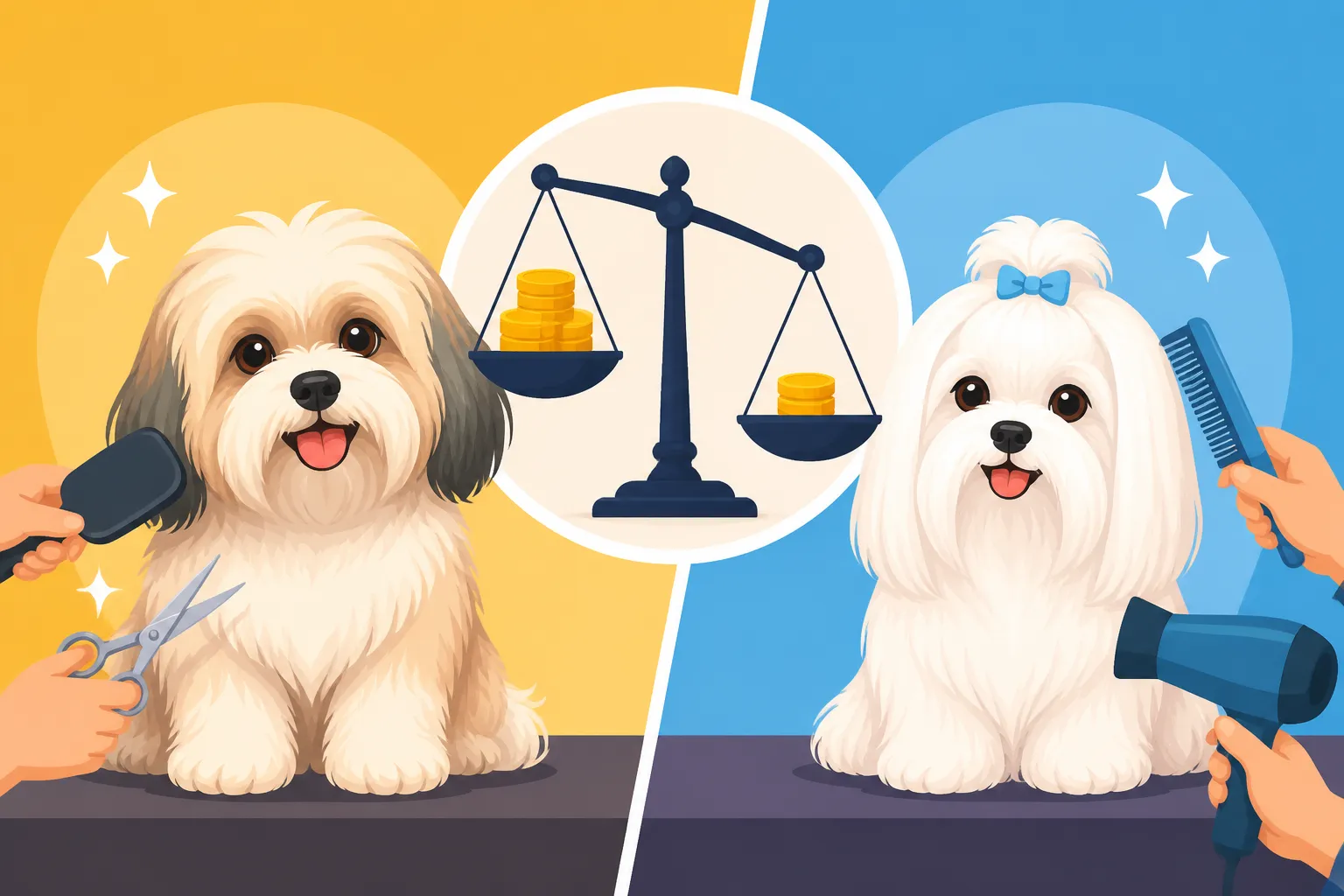
Whether Grooming a Havanese Costs More Than a Maltese
The question of whether grooming a Havanese costs more than a Maltese is a common one for prospective owners of either adorable, fluffy companion. It's easy to look at these two charming toy breeds and assume their grooming needs, and thus their costs, would be almost identical. However, while they share many similarities, there are subtle differences in their coats and typical grooming practices that can lead to variations in your monthly or yearly budget. It’s not always a straightforward answer, and understanding these nuances will help you better prepare for the financial commitment of keeping your beloved pet looking and feeling their best.
Understanding the Grooming Needs of Havanese and Maltese
When we talk about grooming costs, we're really talking about the time, effort, and specialized products needed to maintain a specific coat type. Both Havanese and Maltese boast luxurious, long, single coats – a key characteristic that sets them apart from double-coated breeds. However, the texture and density of these coats can influence how much work they require, and consequently, how much you might spend on professional grooming or home care supplies.
The Silky, Wavy Havanese Coat
The Havanese is renowned for its beautiful, flowing coat, which ideally should be soft, light, and silky, often with a slight wave. Unlike some other breeds, the Havanese has The Silky Double Coat a Havanese Grows to the Floor, though it's technically a single coat with a texture that is more akin to human hair. This coat continues to grow throughout their lives, and without proper care, it can quickly become a tangled mess. Owners often find themselves battling mats behind the ears, under the legs, and in the "armpits" where friction is common.
The matting can be quite insidious, starting small and quickly snowballing into painful tangles if left unattended. Many Havanese owners eventually opt for a shorter "puppy cut" to make daily maintenance more manageable, especially if they lead active lives or simply don't have the hours required for daily brushing. This decision alone can impact grooming costs, as a shorter clip might require more frequent professional trims to maintain its shape, but less intensive de-matting work.
The Long, Straight Maltese Coat
The Maltese, on the other hand, is famous for its striking, pure white, long, and perfectly straight coat. This coat is designed to be floor-length, much like the Havanese, but it lacks any wave or curl. Its fine, silky texture is often described as cotton-like or even hair-like, very similar to the Havanese in its non-shedding quality, which is great for those with allergies. However, this delicate texture also means it can be incredibly prone to tangles and mats, especially if it's allowed to drag on the ground or rub against furniture.
The pristine white color of the Maltese coat presents its own set of challenges and, often, additional costs. Tear staining around the eyes is a particularly prominent issue for Maltese, often requiring special cleaning solutions, dedicated wiping, and sometimes even dietary adjustments to minimize discoloration. Keeping the coat sparkling white demands diligent bathing and careful drying, which can be time-consuming for owners and add to the complexity of professional grooming sessions.
Breaking Down the Costs: Professional Grooming Services
When it comes to professional grooming, the cost isn't just about the breed; it's about the groomer's time, the condition of the coat, and the specific services requested. Both Havanese and Maltese will typically fall into a similar price bracket for basic services, given their comparable size and coat length potential. However, certain factors can shift the balance.
Standard Grooming Services and Expected Prices
A standard professional groom for either a Havanese or a Maltese usually includes a bath with high-quality shampoos and conditioners, a thorough blow-dry, brushing, a haircut (whether a full show clip or a practical puppy cut), nail trim, and ear cleaning. For a Havanese, What a full Havanese groom costs might feel substantial, but it reflects the expertise and time involved. Given their fine, dense hair, drying can take a while, and intricate scissor work is often needed to achieve the desired look.
The Maltese will demand similar attention. Its pure white coat often requires specialized whitening shampoos and conditioners to prevent discoloration. Both breeds have delicate skin under their profuse coats, making gentle handling and appropriate product selection crucial. A professional groomer understands that these small breeds need extra care and patience, which is reflected in their pricing. The real differences in cost often arise from factors beyond the standard service.
| Grooming Service | Havanese Consideration | Maltese Consideration | Potential Cost Impact |
|---|---|---|---|
| Bathing & Drying | Wavy, dense coat can take longer to dry completely, prone to mats if not dried thoroughly. | Fine, straight coat can tangle easily when wet; often requires whitening shampoos. | Similar, potentially slightly higher for specialized Maltese shampoos. |
| Haircut/Styling | Often styled in a practical "puppy cut" or longer, flowing styles. Intricate scissoring around face/feet. | Usually kept longer for show, or a "teddy bear" cut for pet owners. Focus on neatness and pristine appearance. | Similar; complexity of cut impacts time and cost. |
| Brushing/Dematting | Prone to matting, especially during coat change (8-12 months). | Fine texture mats easily, especially under harnesses or collar. | Dematting adds significant cost for both if neglected. |
| Ear/Nail Care | Drop ears need regular cleaning and hair removal to prevent infection. | Drop ears need regular cleaning and hair removal to prevent infection. | Similar, standard for both. |
| Special Treatments | Less common, but can include skin treatments if issues arise. | Frequent need for tear stain removal/prevention; anal gland expression sometimes included. | Maltese might incur more costs for tear stain products/services. |
Dealing with Matting and Coat Condition
This is where costs can really diverge or align, regardless of breed. Both Havanese and Maltese coats are notorious for matting. If you bring your Havanese to the groomer with a severely matted coat, be prepared for What a dematting charge adds on a Havanese. Dematting is incredibly time-consuming, requires specialized tools, and can be painful for the dog. Many groomers charge an hourly rate for dematting on top of the regular groom price, or, if the matting is too severe, they may refuse and insist on shaving the dog down for its welfare. The same applies to a Maltese; a matted Maltese will face similar upcharges or the "shave-down" option.
A significant coat change in Havanese around 8-12 months of age can lead to sudden and severe matting, which surprises many first-time owners. This period can see costs temporarily spike. Maltese coats, while not undergoing such a distinct "change," are consistently fine and prone to tangles, demanding daily attention. The difference, if any, often comes down to the texture of the matting. Some find the Havanese's wavier coat can sometimes create slightly more resilient mats than the Maltese's finer, straighter hair, potentially making dematting more challenging for the groomer, though this can vary wildly between individual dogs.
Location, Reputation, and Additional Services
Just like any service, the cost of grooming can vary significantly based on your geographical location and the groomer's experience and reputation. A high-end salon in a major city will naturally charge more than a smaller, independent groomer in a rural area. Specialized services, such as hand-stripping (not typically done for these breeds, but an example of extra work), creative grooming, or the use of premium, hypoallergenic products can also add to the bill.
For Maltese owners, dealing with tear stains can sometimes involve additional specialized services or products from the groomer. While Havanese can also get tear stains, it tends to be a more pronounced cosmetic issue for the white-coated Maltese. Some groomers offer specific tear stain treatments, which could be an added expense unique to maintaining the Maltese's signature bright appearance. Regular preventative care at home, using products often found on platforms like Chewy, is crucial for both breeds to mitigate these issues and reduce professional costs.
The Home Grooming Alternative: Investing in Your Own Toolkit
Many Havanese and Maltese owners, after experiencing the sticker shock of professional grooming, consider taking on some or all of the grooming tasks themselves. This can certainly save money in the long run, but it requires a significant investment in time, education, and quality tools. It's not just about buying clippers; it's about learning the techniques, understanding your dog's coat, and having the patience for the process.
Essential Tools and Their Initial Investment
Setting up a home grooming station for a Havanese or Maltese requires more than just a brush. You'll need a good quality slicker brush and metal comb to effectively line brush their coats, reaching down to the skin. Investing in What a home grooming kit costs a Havanese owner includes durable clippers with various blade sizes, sharp grooming scissors for delicate areas like the face and paws, a good force dryer (which dramatically reduces drying time and helps straighten the coat), appropriate shampoos and conditioners, ear cleaning solution, and nail clippers or a dremel.
For a Maltese, you might also want specific tear stain removers and whiteners. While these items represent an upfront cost that might seem substantial, they quickly pay for themselves when compared to recurring professional grooming fees. Platforms like Chewy offer a wide range of these products, often at competitive prices, making it easier to gather your initial supplies.
The Time and Skill Investment
Learning to groom your Havanese or Maltese properly is a skill that takes time and practice to develop. How Long Home Grooming a Havanese Takes can be a significant commitment, especially in the beginning. You'll need to learn how to bathe thoroughly, dry meticulously (improper drying is a major cause of matting), line brush effectively, and safely use clippers and scissors. Many owners watch countless online tutorials, attend workshops, or even take private lessons from professional groomers.
The learning curve can be steep, and initial attempts might not look salon-perfect. However, with dedication, most owners can achieve a perfectly acceptable pet clip. The benefit isn't just financial; it's also a wonderful bonding experience with your dog, and you'll be able to spot any skin issues or new lumps and bumps much more easily. For a Maltese, maintaining that pristine white coat at home demands even more vigilance, as any skipped step can quickly lead to staining or dinginess.
When Home Grooming Might Still Incur Professional Costs
Even the most dedicated home groomers often find themselves needing professional help occasionally. Perhaps you're struggling with a particularly stubborn mat that you can't safely remove, or you want a perfectly sculpted show clip that requires a professional's eye and steady hand. Many home groomers still take their Havanese or Maltese to a professional every few months for a "tidy-up" or a more complex cut.
Moreover, if you face a medical issue like a persistent skin problem, a professional groomer might be better equipped to handle the delicate coat and skin, using medicated shampoos or specialized techniques. Pet insurance providers like Healthy Paws, while not covering routine grooming, can certainly help offset the costs if a grooming mishap leads to a vet visit for a cut or skin irritation, or if a severe skin condition requires ongoing professional care. It's a balance between saving money and knowing when to call in the experts.
Long-Term Financial Implications and Smart Budgeting
Considering the lifespan of both breeds – Havanese typically live The Fourteen to Sixteen Years a Havanese Lives, and Maltese have a similar longevity – the cumulative cost of grooming over their lifetime can be quite substantial. Thinking about these costs from the outset helps you budget effectively and avoid surprises.
Annual Grooming Costs: A Comparative Look
On an annual basis, whether you own a Havanese or a Maltese, expect grooming to be one of your most consistent recurring expenses, second only to food and routine vet care. If you opt for professional grooming every 4-8 weeks, the costs can quickly add up. A shorter clip, like What a puppy cut costs on a Havanese, might seem more affordable per session, but if it means more frequent visits to maintain the desired look, the yearly total could be similar to a longer clip with less frequent upkeep.
The key determinant is less about the breed itself and more about the owner's commitment to daily home care. A Havanese owner who brushes diligently for 15-20 minutes every day and brings their dog in every 8 weeks for a trim might pay less annually than a Maltese owner who neglects brushing, leading to dematting charges at every 4-week appointment. Ultimately, both breeds demand a significant time investment to keep their coats healthy and tangle-free.
The Impact of Lifestyle and Coat Length Choices
Your lifestyle and preferences for your dog's appearance will significantly influence grooming costs. If you prefer a long, flowing show coat for your Havanese or Maltese, be prepared for substantial time investment in daily brushing and potentially higher professional grooming fees for the intricate care required. A long coat is beautiful, but it's a magnet for dirt, debris, and tangles.
Many owners find Whether a shorter clip cuts a Havanese's bill to be true, both in terms of professional costs and the time commitment at home. A simple, short clip reduces matting potential and makes baths and drying much quicker. This trade-off between aesthetic preference and practical maintenance is a personal decision, but it has direct financial consequences. If your Havanese loves to romp in muddy parks, a shorter coat will likely save you money on dematting and professional cleaning over time.
Smart Budgeting and Unexpected Costs
To budget effectively for grooming, factor in the frequency of professional visits you anticipate and add a buffer for unexpected issues. Consider setting aside a small amount each month specifically for grooming. For pet owners who feed fresh food options like Ollie, they often find that a healthy diet can contribute to a healthier coat, which in turn might make grooming slightly easier, though it's not a substitute for regular brushing.
It's also wise to consider pet insurance for unexpected health issues that could impact grooming. While insurance typically doesn't cover routine grooming, a severe skin allergy or a condition like sebaceous adenitis (which can affect coat quality and necessitate specialized grooming) would be covered. Having a plan with providers like Healthy Paws can give you peace of mind that you won't face exorbitant bills if your dog's coat health takes an unexpected turn due to illness or injury. Over What Sixteen Years With a Havanese Comes To, these small considerations add up to substantial peace of mind and financial savings.
Disclaimer
This article is for general informational purposes only and does not constitute professional advice. Laws, prices and regulations vary by location and change over time. Consult a qualified professional for guidance on your specific situation.