Whether a Shorter Clip Cuts a Havanese’s Bill
For many Havanese parents, the idea of their precious pup having a shorter haircut often sparks a glimmer of hope: "Will this finally cut down on those ever-increasing grooming bills?" It's a completely natural thought when you see how quickly that gorgeous, flowing Havanese coat can transform into a tangled mess, seemingly overnight. This guide is here to honestly explore that question, delving into whether opting for a shorter clip truly translates to significant savings, or if the cost-saving benefits are sometimes more perceived than real.
Understanding the Havanese Coat and Grooming Needs
Let's start by getting to grips with what makes your Havanese's coat so special—and such a commitment. It’s not just a fluffy covering; it's a complex system that demands specific care.
The Reality of a Long Havanese Coat
Your Havanese is blessed with a stunning The Silky Double Coat a Havanese Grows to the Floor. Unlike some breeds with a single layer, the Havanese boasts a double coat: a soft undercoat providing insulation and a longer, silken outer coat. This unique combination is what gives them their characteristic luxurious appearance, but it's also the primary reason for their intensive grooming requirements. That fine, silky texture is incredibly prone to matting and tangling, especially where friction occurs – think behind the ears, in the armpits, and around the harness area.
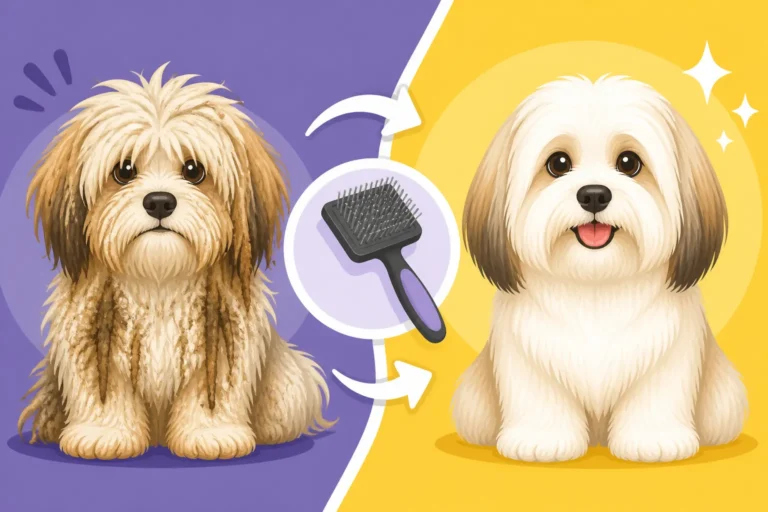
The truth is, maintaining a long Havanese coat in pristine condition is a daily job. It requires dedicated time for thorough line brushing, ensuring you get right down to the skin to prevent mats from forming. Neglecting this even for a few days can lead to knots that quickly tighten into painful mats, which not only look unsightly but can also pull on the skin, causing discomfort and potential skin infections. Many owners find that their Havanese begins to mat significantly around eight months of age, when the adult coat truly starts to come in, which can be a real surprise if they haven't experienced it before. This period is often referred to as the "coat change," and understanding Why a Havanese Mats at Eight Months and Not Before is crucial for managing their grooming needs effectively.
Why Professional Grooming is Often Necessary
Given the intricate nature of their coats, professional grooming becomes less of a luxury and more of a necessity for many Havanese owners. A skilled groomer has the right tools, knowledge, and experience to handle the unique challenges of a Havanese coat, whether it's kept long or short. They possess specialized clippers, blades, and dryers that most home groomers simply don't have access to, or the expertise to use safely and effectively.
A typical full groom for a Havanese goes far beyond just a haircut. It usually includes a thorough bath with professional-grade shampoos and conditioners, a high-velocity force dry to lift and separate the hair for easier brushing, a full brush-out to remove all tangles and dead undercoat, and then the actual clipping or scissoring to achieve the desired style. Beyond the coat, a good groomer will also take care of nail trims, ear cleaning, and often a sanitary trim, all of which are vital for your dog's health and comfort. Knowing What a Full Havanese Groom Costs can help you budget, but it’s important to recognize that these costs reflect a comprehensive service performed by a professional.
The Appeal of a Shorter Havanese Clip
It’s easy to see why so many Havanese owners eventually gravitate towards a shorter style. The sheer convenience factor, combined with the perception of lower maintenance, makes it incredibly appealing.
Common Shorter Styles: Puppy Cut and Beyond
When we talk about shorter Havanese clips, the "puppy cut" is undoubtedly the most popular choice. This style involves trimming the coat to a uniform, shorter length all over the body, typically ranging from half an inch to two inches. It gives the Havanese a perpetually youthful appearance, hence the name. Many owners find The Puppy Cut Most Havanese Owners End Up Choosing to be a practical and adorable solution. Another beloved option is the "teddy bear cut," which keeps the body a bit longer than a traditional puppy cut but emphasizes a rounded, fluffy face, making your Havanese look even more like a cuddly toy. If you're wondering Whether a Teddy Bear Cut Suits a Havanese, rest assured these styles are universally flattering and functional.
These shorter clips dramatically change the dog's appearance and feel. The long, flowing hair is replaced by a soft, plush texture that’s often easier to stroke and cuddle. For many, it's a practical choice that reduces the amount of hair that can drag on the ground, pick up debris, or become saturated with water during a rainy walk. The dog looks neat, clean, and often more robust due to the shortened, denser appearance of their coat.
Initial Perceived Savings and Practical Benefits
The immediate draw of a shorter clip is the promise of reduced grooming expenses. Owners often assume that less hair means less work for the groomer, which should naturally translate to a lower bill. While this can sometimes be true for the very first short clip if the dog's coat is already in good condition, the ongoing savings are often not as substantial as anticipated.
Beyond the potential cost savings, there are undeniable practical benefits to a shorter coat. Daily brushing routines become significantly quicker and less arduous. Baths at home are faster, and drying time is cut down considerably, which can be a huge relief, especially for those living in cooler climates or without professional force dryers. A shorter coat also means fewer tangles, less shedding (though Havanese are low-shedding to begin with), and generally a cleaner dog overall, as debris, burrs, and mud are less likely to get caught in the shorter hair. It also allows for easier inspection of the skin for any lumps, bumps, or irritations that might be hidden by a longer coat.
The Nuances of Grooming Costs: Shorter vs. Longer Coats
Here's where the reality of grooming costs for a shorter Havanese clip can sometimes diverge from expectations. It's not always as simple as less hair equals less money.
The Groomer's Perspective: Time and Skill for Any Clip
From a groomer's point of view, while there might be less hair to physically trim with a short clip, the fundamental steps and the skill required remain largely the same. Every Havanese, regardless of coat length, still needs to be thoroughly bathed, conditioned, and completely dried to a fluffy state before any clipping or scissoring can even begin. This "prep work" – the bathing, drying, and initial brush-out – takes up a significant portion of the groomer's time and effort. It's during this phase that mats are removed, dead hair is shed, and the coat is prepped for an even, smooth cut.
Think about it: whether a groomer is scissoring a long show coat or running clippers over a short "puppy cut," they are still meticulously shaping the dog, trimming delicate areas like the face and feet, and performing crucial hygiene tasks such as nail clipping and ear cleaning. The precision required for a beautiful, even short clip is no less than for a longer style. A poorly executed short clip can leave clipper marks, uneven patches, or a choppy appearance, which is why a skilled groomer's expertise is still paramount. They are not just cutting hair; they are sculpting and caring for your pet.
Maintenance Schedule: Frequency is Key, Not Just Length
One of the biggest misconceptions is that a shorter clip means you can stretch out the time between professional grooming appointments. While a shorter coat will buy you a little more time before mats become severe, it doesn't eliminate the need for regular professional care. Hair still grows, albeit from a shorter starting point. If you typically brought your Havanese in every 6-8 weeks for a long coat, you might find you still need to adhere to a similar schedule for a short clip to keep it looking tidy and to prevent the hair from growing out and developing new tangles.
In fact, some owners who opt for very short clips might even find themselves needing to visit the groomer more frequently if they want to maintain that crisp, neat look. A short, uniform length quickly loses its shape as the hair grows, leading to a scruffy appearance. So, while the effort of daily home brushing might decrease, the professional grooming frequency might not change as dramatically as hoped if aesthetics are a priority. It's less about the length and more about the consistency of maintenance, both at home and professionally.
Hidden Costs and Unexpected Realities of Shorter Clips
While a shorter clip promises simplicity, there are a few surprising ways it might not lead to the drastic cost reductions you initially envisioned.
Dematting Fees Still Lurk
Here's a hard truth many owners discover: even with a shorter coat, if home maintenance isn't consistent, mats can still form. They might not be the sprawling, floor-length pelts seen on neglected long-coated dogs, but small, tight mats can still develop in friction areas like behind the ears, under the collar, in the armpits, and around the sanitary area. These smaller mats are often tighter and harder to get out because they're closer to the skin.
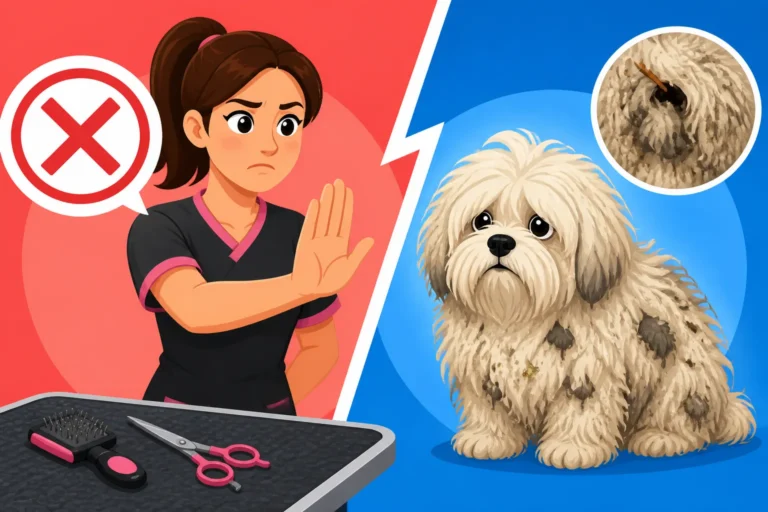
When these mats occur, your groomer still has to deal with them, and that takes extra time and effort. Groomers often charge an additional fee for dematting, as it's a tedious, time-consuming, and sometimes uncomfortable process for the dog. In severe cases, a matted coat, regardless of its overall length, might still require a complete shave-down for the dog's comfort and safety. This is why What a Dematting Charge Adds on a Havanese can be a frustrating, unexpected line item on your bill. Furthermore, some groomers may even refuse to work on a severely matted dog, as discussed in Whether a Groomer Refuses a Pelted Havanese, emphasizing the importance of regular care.
The "Just a Trim" Fallacy
Many new Havanese owners, after getting their first short clip, might think they can maintain it with a quick "tidy-up" at home or a cheaper, less comprehensive "trim" at the groomer. While you can do minor touch-ups yourself, a professional "trim" is rarely just a quick snip here and there. For a groomer to give a professional-looking trim, the dog still needs the full bath, dry, and brush-out routine to ensure the hair is clean, knot-free, and standing correctly for an even cut.
Imagine trying to cut human hair when it's dirty, tangled, and air-dried unevenly—it simply won't look good. The same applies to your Havanese. A professional groomer prioritizes the health and integrity of the coat, which means following the full process. Therefore, even if you’re just asking for a "light trim" to keep the shorter clip neat, you're still likely paying for the comprehensive service, as the preparatory steps are non-negotiable for a quality outcome.
Strategic Grooming for Cost Savings
So, if a shorter clip doesn't automatically slash your bills, what can you do to manage grooming costs without sacrificing your Havanese's well-being or appearance?
The Power of Home Maintenance
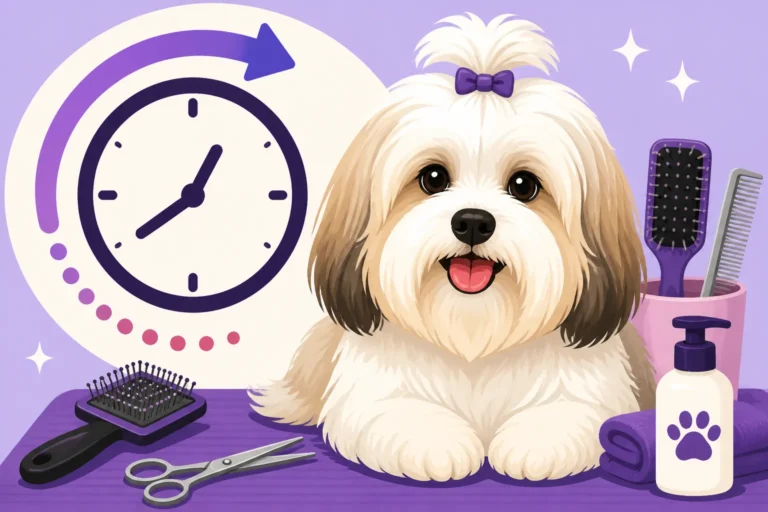
This is where the real savings are found, regardless of your Havanese's coat length. Consistent, thorough home maintenance is your best defense against high grooming bills. Daily brushing, even for just 15-20 minutes, can prevent mats from forming and extend the time between full professional grooms. Learning How Long Home Grooming a Havanese Takes and committing to it will make a huge difference. Investing in quality tools—a good slicker brush, a metal comb, and a pair of blunt-nosed shears for tricky areas—is paramount. You might consider looking at retailers like Chewy for a wide range of grooming supplies that fit your budget and needs.
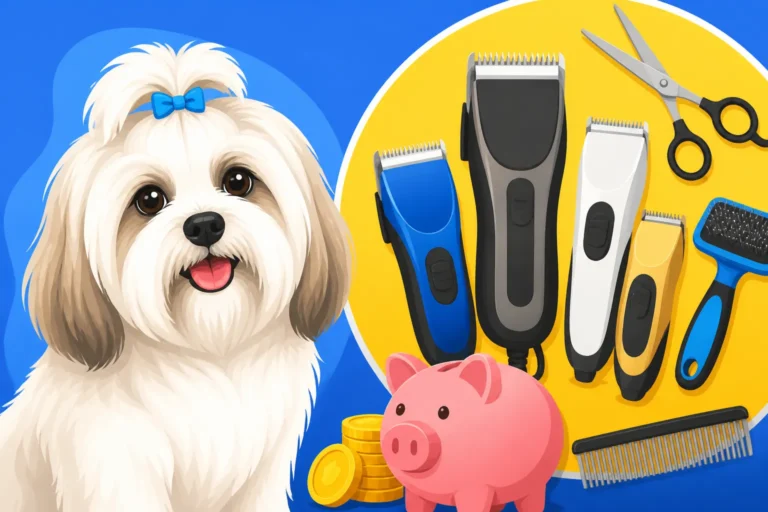
Beyond brushing, regular bathing at home (every 2-4 weeks, depending on lifestyle) with appropriate shampoo and conditioner is crucial. Always follow up with a thorough blow-dry to prevent new mats from forming as the coat dries. If you’re feeling ambitious, you can learn to do basic trims like sanitary areas and paw pads yourself, which will save you money on those specific services. While What Clippers Cost a Havanese Owner might seem like an upfront expense, it can pay for itself over time if you commit to learning basic home grooming techniques.
Here’s a quick overview of how home maintenance can impact your overall grooming costs:
| Grooming Aspect | Long Coat (Professional Only) | Short Coat (Professional Only) | Short Coat (Home Maintained) |
|---|---|---|---|
| Professional Grooming Frequency | Every 4-6 weeks | Every 6-8 weeks | Every 8-12 weeks (with touch-ups) |
| Risk of Dematting Fees | High (if not daily brushed) | Medium (if not regular brushed) | Low (if consistently brushed) |
| Daily Home Brushing | 30-60 minutes | 10-20 minutes | 5-10 minutes (maintenance) |
| Home Bathing Frequency | Less common (rely on groomer) | Occasional | Regular (every 2-4 weeks) |
| Overall Cost Trend | Highest | Moderate-High | Lowest (after initial tool investment) |
Discussing Options with Your Groomer
Communication with your groomer is key to managing expectations and costs. Don't be afraid to have an open conversation about your budget and what you're hoping to achieve. Your groomer is a professional and can offer valuable advice. For instance, you could ask about a "bath and tidy" service between full grooms. This typically includes a bath, blow-dry, brush-out, and quick trim of the face, feet, and sanitary areas without a full body clip. This can help extend the time between more expensive full grooms while keeping your Havanese looking presentable.
You can also inquire about the cost of specific, smaller services if you only need certain areas addressed. For example, knowing What a Sanitary Trim Costs on a Havanese separately might allow you to decide if you want to tackle that particular task at home or pay for a professional to handle it during a quick visit. Many groomers are willing to work with owners to find a routine that fits both the dog's needs and the owner's budget, as long as the dog is kept in good, mat-free condition.
Beyond the Bill: Other Factors to Consider
While cost is a significant factor, it's essential to remember that grooming, regardless of length, deeply impacts your Havanese's quality of life.
Comfort and Lifestyle Benefits
Beyond the monetary aspect, a shorter clip offers several undeniable benefits for your Havanese's comfort and your lifestyle. In warmer climates, a shorter coat can help your dog stay cooler and prevent overheating during playtime or walks. It’s also much easier to keep clean. Mud, leaves, burrs, and other outdoor debris are far less likely to get embedded in a short coat, which means less time spent picking out bits and pieces after every outdoor adventure.
For active Havanese who love to play in the yard or at the dog park, a shorter coat is simply more practical. It reduces the chances of tangles and mats that can form from friction during vigorous activity. Similarly, if your Havanese is prone to getting wet—whether from splashing in puddles or even just drinking water that drips from their beard—a shorter cut means less dampness lingering on their fur, reducing the chance of skin irritation and that "wet dog" smell.
Your Havanese's Overall Well-being
Ultimately, the choice of coat length should always prioritize your Havanese's health and happiness. Proper grooming, whether a long, flowing coat or a neat, short clip, is crucial for preventing a host of issues. Regular brushing and bathing help distribute natural oils, promote healthy skin, and allow you to check for any skin irritations, parasites, or lumps that might otherwise go unnoticed. This regular contact during grooming also serves as a bonding experience between you and your dog.
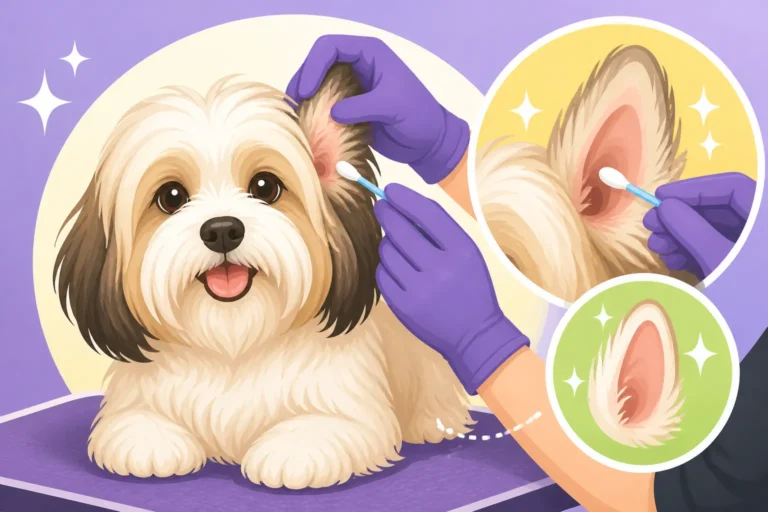
Additionally, keeping certain areas trimmed and clean is vital for their health. For instance, trimming the hair around their eyes helps prevent irritation and staining, contributing to their comfort and ability to see clearly. Regular ear cleaning and ensuring adequate airflow by trimming ear hair can significantly reduce the risk of Whether a Havanese Gets Ear Infections, which can be painful and costly to treat. A regular eye check-up is also important, as discussed in Whether a Havanese Needs a Yearly Eye Exam. Beyond grooming, ensuring your Havanese receives quality nutrition, perhaps from a brand like Ollie, can also contribute to a healthy coat from the inside out. And having pet insurance from a provider like Healthy Paws can offer peace of mind should any grooming-related issues (like skin infections from mats) require veterinary attention.
While a shorter clip might not drastically cut your professional grooming bills, it can certainly simplify your daily routine and make home maintenance more manageable. The real key to cost savings lies in your commitment to consistent home care, regardless of the chosen style. Discussing your needs and budget openly with your professional groomer, and supplementing with diligent at-home upkeep, is the best strategy to keep your Havanese looking fabulous and feeling comfortable without breaking the bank.
Disclaimer
This article is for general informational purposes only and does not constitute professional advice. Laws, prices and regulations vary by location and change over time. Consult a qualified professional for guidance on your specific situation.