What a Dematting Charge Adds on a Havanese
It’s a scenario many Havanese owners dread: you pick up your beloved fluffball from the groomer, ready to see them looking pristine, only to be hit with a hefty “dematting charge” on top of the usual grooming fee. That sinking feeling of knowing you tried your best, but the mats still got the better of you (and your wallet!), is all too real. It leaves you wondering what exactly these charges cover, how they're calculated, and, most importantly, how you can avoid them in the future. This guide is here to break down everything you need to know about dematting charges for your Havanese, offering practical advice and a big dose of understanding.
The Havanese Coat: A Beautiful, Tangled Challenge
If you’ve ever admired a Havanese’s luscious, flowing coat, you know it’s one of their most distinguishing and beautiful features. But underneath that stunning exterior lies a unique challenge that makes them particularly prone to matting. Understanding this coat is the first step in tackling those dreaded knots and the associated dematting charges.
Anatomy of a Havanese Coat and Its Matting Tendencies
Unlike many breeds, the Havanese boasts what’s known as a double coat, but it’s not the typical coarse outer layer with a dense undercoat you might imagine. Instead, it's famous for being a "silky double coat a Havanese grows to the floor". This means they have a soft, fine outer coat and an even softer, sometimes cottony, undercoat. Both layers are remarkably fine and easily catch on each other, forming tangles and then mats. Because these dogs don't have a thick, shedding undercoat like a Husky, many assume they don't mat much. Oh, how wrong that assumption can be!
The fine texture of their hair means that any friction, moisture, or even just daily movement can encourage the individual strands to weave together. A quick run through wet grass, a spirited game of tug-of-war, or even sleeping in a particular position can start the process. Once a small tangle forms, it acts like a magnet, pulling in more loose hair and becoming tighter and more difficult to remove. This is why regular and thorough grooming is non-negotiable for a Havanese, especially if you want to maintain a longer coat.
Why Mats Form and What They Actually Are
Mats aren't just simple tangles; they're dense, felt-like clumps of hair that can pull on the skin, cause pain, and even lead to serious health issues. They form when shed hair gets trapped in the surrounding live coat, then compresses and binds together. Imagine a ball of yarn that’s been stepped on repeatedly – that’s closer to a mat than a simple knot.
Several factors contribute to mat formation in Havanese:
- Shedding cycles: Even though Havanese are considered low-shedding, they still shed fine hairs. These shed hairs are the primary culprits in matting, getting caught in the existing coat and forming felted masses.
- Friction: Areas of high friction, like behind the ears, under the armpits, on the belly, and where a harness or collar sits, are prime matting spots. The rubbing action causes the hair to intertwine more quickly.
- Moisture: A damp coat, especially if not thoroughly dried and brushed afterward, is a mat-making machine. Wet hair clumps together more easily, and if left to air dry, it can set into tight mats.
- Lack of regular brushing: This is the big one. Without consistent and proper line brushing down to the skin, mats are inevitable. Many owners unknowingly brush only the top layer, leaving mats to fester underneath.
- Coat change: Many Havanese experience a "coat change" between 8 to 18 months, where their soft puppy coat transitions to the adult coat. This period is notorious for intense matting, as explained in our guide on "why a Havanese mats at eight months and not before". It’s a critical time when grooming efforts need to be doubled.
Understanding Dematting Charges from Your Groomer
So, you've taken your Havanese to the groomer, and they've informed you about mats. Now comes the conversation about the dematting charge. This isn't just an arbitrary fee; it reflects the specialized skill, time, and tools required to safely and effectively remove mats.
What Constitutes a Dematting Charge?
A dematting charge is an additional fee added to your regular grooming service when your dog arrives with mats that require significant extra time and effort to remove. It's not usually included in the standard bath and brush or full groom price because dematting is an intensive, often delicate, and sometimes uncomfortable process for the dog.
Groomers typically assess the severity and extent of the matting to determine the charge. This assessment isn't just about how many mats there are, but also their size, density, and location. A few small, loose tangles might be gently worked out as part of a regular brush-out, but widespread, tight mats will always incur an extra charge. It's important to remember that groomers are professionals who prioritize the dog's well-being and their own time. They can't simply rush through matted fur without causing pain or skin irritation.
How Groomers Calculate Dematting Costs
Dematting charges are almost universally calculated based on time. Groomers often have an hourly rate for dematting, which can range anywhere from $1 to $2 per minute, or $60 to $120 per hour, sometimes even more, depending on the salon's location and the groomer's expertise.
Here's how it generally breaks down:
- Assessment: The groomer will carefully inspect your Havanese's coat, feeling for mats close to the skin. They’ll identify the severity (mild, moderate, severe) and coverage (localized or widespread).
- Time Estimation: Based on their experience, they'll estimate how long it will take to safely work out the mats without causing undue stress or pain to your dog. A mild case might add 15-30 minutes, while a severe case could add an hour or more.
- Client Communication: A reputable groomer will always discuss the matting with you, explain the estimated time and cost, and get your permission before proceeding. They might also advise if dematting is not feasible and a shave-down is the only humane option.
- Specialized Tools and Products: Dematting often requires specific tools like dematting rakes, mat splitters, and conditioning sprays that aid in loosening the mats. These tools incur costs for the groomer, which are factored into their rates.
For instance, if your Havanese has moderate matting that takes an additional 45 minutes to carefully remove at a rate of $80/hour, you'd be looking at an extra $60 ($80 / 60 minutes * 45 minutes). This is on top of the base grooming fee, which for a Havanese can range from $70-$120 depending on the cut and location. It adds up quickly!
Factors That Influence the Dematting Price Tag
The cost isn't uniform, of course. Several variables play a significant role in how much extra you'll pay to get those mats out of your Havanese's coat.
Severity and Location of Matting
Not all mats are created equal. A small, loose mat on a Havanese's leg is far easier to remove than a pelted mat (a mat so dense and close to the skin it forms a solid sheet) covering the entire torso.
- Mild Matting: A few small, loose tangles, often behind the ears or in the armpits. These might add a minimal charge, or sometimes even be included if they only take a few minutes to brush out.
- Moderate Matting: Several larger, tighter mats in various locations. This will almost certainly incur a dematting charge, as it requires focused effort and more time.
- Severe Matting (Pelted): The worst-case scenario. When mats are so tight and extensive that they pull the skin, restrict movement, or cause irritation. In these cases, dematting is often not an option. It's inhumane and painful for the dog to try and brush out a pelted coat, so the groomer will recommend a full shave-down. While a shave-down might seem cheaper than extensive dematting, it still carries its own costs for the time involved and potential difficulty.
The location also matters. Mats on sensitive areas like the ears, tail, or private parts require extra care and often more time, which can drive up the cost. Mats on the belly are particularly tricky as they are often tight and the dog might not tolerate being on their back for long periods.
Dog's Temperament and Groomer's Time
A Havanese that wriggles, snaps, or panics during dematting will significantly increase the time it takes. A groomer's priority is the dog's safety and comfort, and they won't rush a difficult dog. This means more time spent soothing, repositioning, and working slowly, which translates directly to higher charges. Sedation might even be recommended by a vet for extremely matted and anxious dogs, adding further cost and logistical challenges.
Furthermore, a groomer's time is valuable. They have a schedule, and spending an unexpected extra hour on one matted Havanese means other appointments might be delayed, or they lose money by not being able to take another client. This is why their hourly rates for dematting reflect not just the physical effort but also the disruption to their schedule and the specialized skill needed to handle difficult situations. It's not just about brushing out hair; it's about delicate work, patience, and often, dog psychology.
Comparing Dematting to a Full Groom
Let's put this into perspective with a quick comparison.
| Service Type | Typical Havanese Cost Range (approx.) | What It Includes | Dematting Charge Likelihood |
|---|---|---|---|
| Basic Bath & Brush | $50 – $80 | Bath, blow-dry, basic brush out (no extensive mat removal), nail trim, ear cleaning. | Low, for minor tangles. |
| Full Groom (Puppy Cut) | $70 – $120 | Bath, blow-dry, full haircut (e.g., "puppy cut most Havanese owners end up choosing"), nail trim, ear cleaning. | Moderate to High, if mats interfere with clipping. |
| Full Groom (Long Coat) | $80 – $150+ | Intensive bathing, conditioning, line brushing, hand scissoring to maintain length, nail trim, ear cleaning. | High, as mats are more likely and harder to hide. |
| Dematting (Hourly Add-on) | $60 – $120 per hour | Dedicated time and specialized techniques to carefully separate and remove mats. | Always, as it's an extra service. |
| Shave Down | $70 – $150+ | Full body shave with short blade. Often necessary for severe matting. Includes bath, nail trim, ear cleaning. | Low to None (it's the alternative to dematting). |
As you can see, a dematting charge can easily add a significant percentage, or even double, the cost of a regular groom. This table highlights why proactive grooming is so vital. It’s not just about aesthetics; it's about budgeting and your dog's comfort.
The Health Consequences of Neglecting Mats
Beyond the financial hit, neglecting mats has serious implications for your Havanese's health and comfort. Groomers aren't just charging for their time; they're also dealing with potential underlying issues caused by severe matting.
Skin Irritation, Infections, and Hot Spots
Mats pull on the skin, creating constant tension and discomfort. This continuous pulling can lead to:
- Skin irritation: The skin underneath mats can become red, inflamed, and tender. It’s like having a tight ponytail pulling on your scalp all day, every day.
- Hot spots: These are acute moist dermatitis lesions that occur when the irritated skin becomes infected. Dogs often lick, chew, and scratch at the area, making it worse. Mats trap moisture against the skin, creating a perfect breeding ground for bacteria and yeast, leading to "skin trouble under a Havanese coat".
- Parasites: Fleas, ticks, and other parasites can hide deep within mats, making them incredibly difficult to detect and remove. The mats create a protected environment for these pests to thrive, leading to further skin issues and discomfort for your dog.
When a groomer shaves off a severely matted coat, it's not uncommon to uncover a multitude of these issues, necessitating a trip to the vet.
Restricting Movement and Causing Pain
Imagine trying to move with your hair glued to your body in several places. That's essentially what a severely matted Havanese experiences. Mats can become so tight they restrict the dog's natural range of motion, especially around the joints.
- Legs and joints: Mats in the armpits, behind the knees, or around the hocks can make walking, running, or even lying down painful and difficult. Your dog might develop an altered gait to compensate, putting strain on other parts of their body.
- Ears and eyes: Mats around the ears can pull them down, obstruct air flow, and lead to painful ear infections. Mats around the eyes can pull at the delicate skin, impair vision, and cause chronic irritation or conjunctivitis.
- Hygiene issues: Mats around the sanitary area can collect feces and urine, leading to severe discomfort, skin scalding, and unsanitary conditions. These mats are particularly difficult and unpleasant for groomers to remove.
The pain from mats can also affect a Havanese's overall demeanor, making them lethargic, irritable, or even aggressive when touched, further complicating grooming.
The "Pelted" Problem: When Shaving is the Only Humane Option
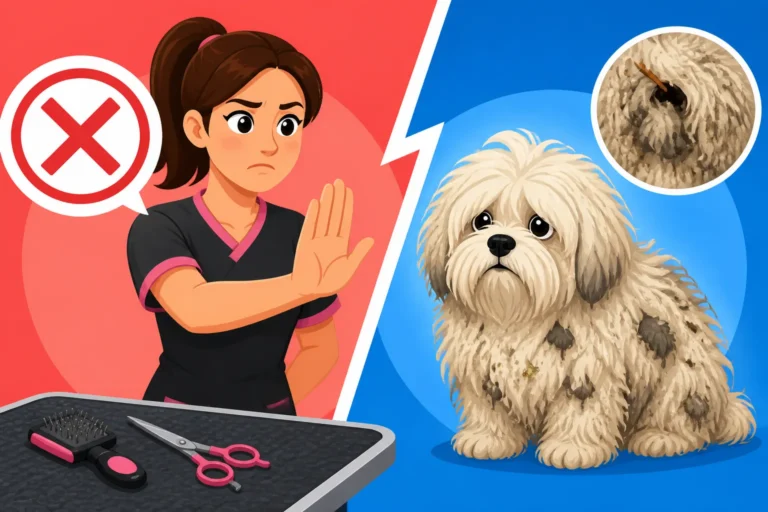
Sometimes, the matting is so severe that dematting isn't just expensive – it's inhumane. This is what groomers refer to as "pelting." A pelted coat is a solid, matted shell that covers a large portion, or even all, of the dog's body. It's akin to a second skin, trapping dirt, moisture, and parasites, and pulling constantly on the dog's actual skin.
When a Havanese is pelted, attempting to brush or comb it out would cause immense pain and could tear the skin. In such cases, the only humane course of action is to shave the entire coat off. This means using a very short blade (often a #10 blade, which cuts extremely close) to get underneath the mats. This process is still delicate and time-consuming, as the groomer has to navigate uneven skin, potential sores, and the risk of nicking the dog.
While a shave-down might initially cost less than extensive dematting, it comes with its own set of considerations:
- Skin exposure: The skin underneath a matted coat has been deprived of air and sunlight and may be pale, sensitive, or already irritated. Shaving it exposes it suddenly, making it prone to sunburn or further irritation.
- Hair regrowth: A Havanese's coat, especially after a very short shave, can sometimes grow back with a different texture or color. While usually temporary, it can be a concern for owners who cherish their dog's soft, flowing hair.
- Cooling and warmth: A shaved Havanese may feel the cold more easily and will need protection in hot sun, especially during the summer.
Ultimately, preventing the coat from ever reaching a pelted state is the kindest and most cost-effective solution for your Havanese. It’s also important to acknowledge that sometimes, despite an owner’s best efforts, mats can still develop, especially during the challenging coat change period or if the dog has an underlying skin condition.
Preventing Mats and Reducing Grooming Bills
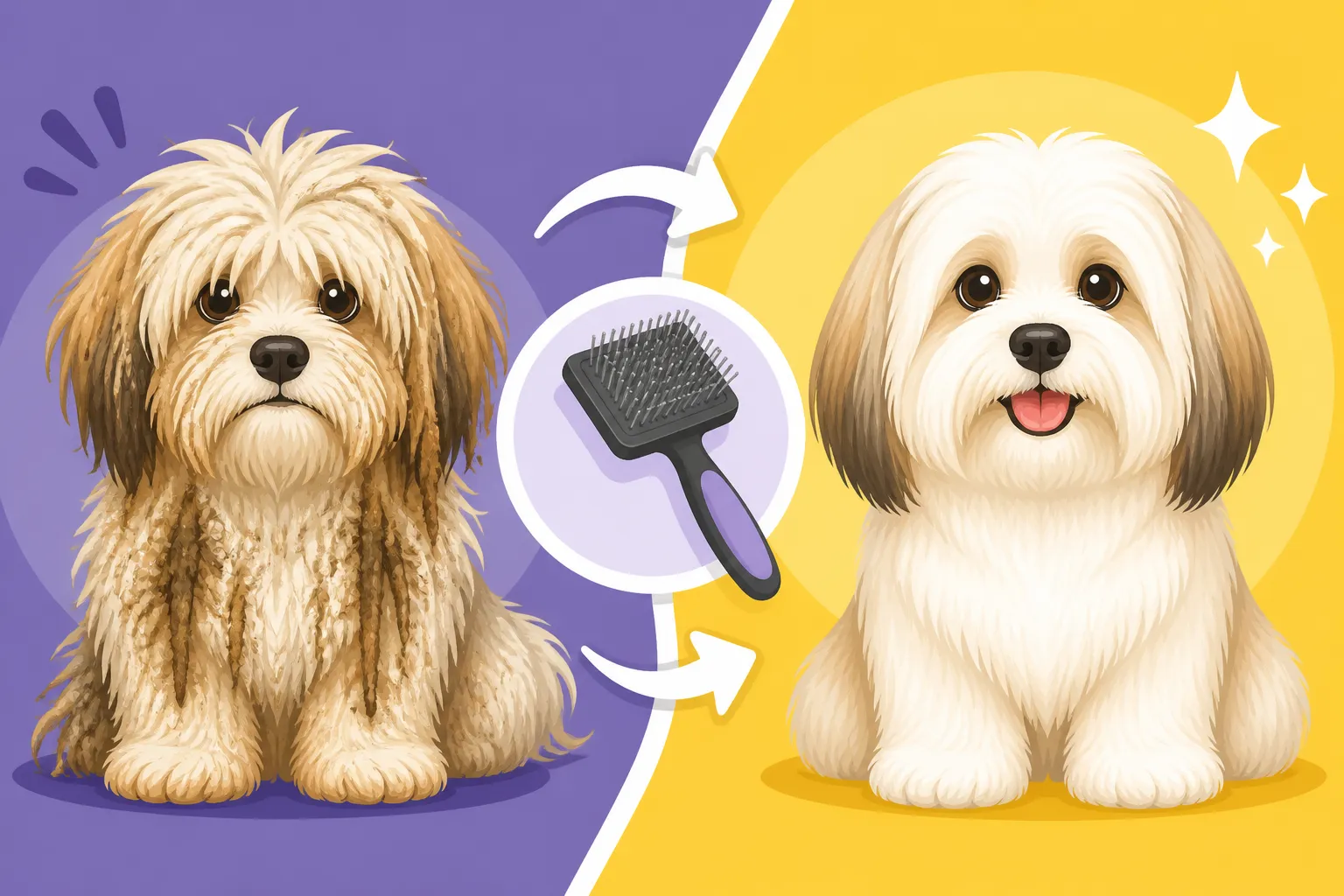
The best way to avoid dematting charges (and the discomfort for your Havanese) is through consistent, proactive coat care. It might seem like a lot of work, but establishing a routine makes it manageable and ultimately saves you money and heartache.
Establishing a Consistent Grooming Routine at Home
This is the cornerstone of mat prevention. A Havanese requires daily or at least every-other-day brushing, even if their coat is kept shorter.
- Daily Brushing: This isn't just a quick surface brush. You need to "line brush" down to the skin. This involves parting the hair in small sections and brushing from the skin out, layer by layer. Tools are crucial here. A good quality pin brush, a slicker brush, and a metal comb (especially a greyhound comb for checking for mats) are essential. Sites like Chewy offer a wide selection of grooming tools specifically for long-coated breeds. If you're wondering "how often a Havanese must be brushed", the answer is almost daily for a long coat, and every few days for a shorter one.
- Bathing and Conditioning: Regular bathing every 2-4 weeks is important, but always follow with a good quality conditioner and thorough blow-drying and brushing while the dog is still damp and then completely dry. Never let a Havanese air dry, as this is a prime cause of matting. You'll find a variety of suitable shampoos and conditioners from brands available on Chewy that are formulated for silky coats.
- Focus on Problem Areas: Pay extra attention to those high-friction zones: behind the ears, under the chin, armpits, groin, and around the tail. These areas mat fastest.
- Puppy Grooming: Start grooming your Havanese puppy early. Gentle brushing and handling their paws, ears, and mouth from a young age will make future grooming sessions much easier. This is part of the crucial early care in "the first year with a Havanese puppy".
Investing in the Right Grooming Tools and Products
Having the right equipment makes all the difference. Skimping on tools often leads to frustration and ineffective grooming.
- Quality Brushes: A pin brush with rounded tips and a good slicker brush are indispensable. A fine-toothed metal comb is essential for checking for tangles down to the skin after brushing.
- Dematting Sprays: These can help loosen minor tangles and make brushing easier. Look for leave-in conditioners or detangling sprays designed for long-coated dogs.
- Clippers (for touch-ups or specific cuts): While a professional groomer is best for full haircuts, some owners find it helpful to have a small pair of clippers for sanitary trims or trimming around the paws. Learning "what clippers cost a Havanese owner" can be a good starting point if you're considering DIY.
- Shampoo and Conditioner: Use gentle, moisturizing products specifically for dogs. Many dog-specific brands are available that cater to sensitive skin and long coats. "What shampoo costs a Havanese owner yearly" is a minor expense compared to dematting.
Professional Grooming Schedule and Communication
Even with diligent home grooming, regular professional grooming is highly recommended for Havanese. Most owners opt for a professional groom every 4-8 weeks, depending on coat length and growth rate.
- Regular Appointments: Keeping a consistent schedule with your groomer helps prevent mats from getting out of hand. Your groomer can also catch minor issues you might miss.
- Open Communication: Talk to your groomer about your dog's coat, your home grooming routine, and any areas you struggle with. They can offer personalized advice and demonstrate proper techniques. If you're aiming for a specific length or style, make sure they understand your expectations.
- Consider Shorter Cuts: Many Havanese owners choose to keep their dog in a "puppy cut" or a shorter clip, which significantly reduces the risk of matting and the time required for home grooming. While it won't eliminate the need for brushing, it certainly makes it more forgiving. "Whether a shorter clip cuts a Havanese's bill" is a definite yes, both in terms of professional fees and home effort.
- Learning to Groom Yourself: For the dedicated owner, learning to do some grooming yourself can save money and deepen your bond with your dog. Our article on "whether learning to groom a Havanese yourself pays off" explores this option in detail.
By combining a consistent home routine with regular professional maintenance and the right tools, you can largely mitigate the risk of severe matting and keep those dematting charges at bay.
When Dematting Isn't the Answer: The Shave Down Decision
Sometimes, despite all efforts, or due to unforeseen circumstances, matting becomes so severe that dematting isn't a humane option. This is when a groomer will recommend a full shave down, a decision that can be hard for owners but is often the kindest choice for the dog.
Recognizing When a Shave Down Is Necessary
As discussed earlier, a "pelted" coat is a solid mass of matted hair that covers a significant portion of the dog's body. It's not just tangled; it's a solid, unforgiving shell.
Key indicators that a shave down is likely necessary include:
- Inability to insert a comb to the skin: If you cannot easily run a fine-toothed comb through your Havanese's coat from root to tip, especially in multiple areas, it indicates significant matting close to the skin.
- Skin Tent Test: Gently pull up a small section of your dog's skin. If the coat pulls the skin taut, almost like a tent, rather than moving freely with the skin, the matting is severe.
- Restricted Movement: Your Havanese moves stiffly, has difficulty sitting or lying down comfortably, or avoids being touched in certain areas.
- Visible Irritation: Redness, sores, scabs, or a strong odor emanating from under the mats are clear signs of skin problems that require immediate attention, often after the mats are removed.
At this point, a groomer will almost certainly tell you that trying to brush it out would cause immense pain and discomfort for your Havanese. They might even refuse to demat due to ethical considerations. Our article, "whether a matted Havanese must be shaved", dives deeper into this tough decision.
The Shave Down Process and Aftercare
The shave-down process involves using electric clippers with a very short blade (often a #10 or #7F) to carefully get underneath the matted coat, as close to the skin as possible. This is a skilled process, as the groomer must be extremely careful to avoid cutting the fragile, often inflamed skin hidden beneath the mats. The skin can be paper-thin and highly sensitive, and sometimes uneven due to the pulling of the mats.
What to expect after a shave-down:
- Appearance: Your Havanese will look dramatically different! They will be very short-haired, almost naked in some areas. This can be a shock for owners, but remember, hair grows back.
- Skin sensitivity: The newly exposed skin might be pale, red, or have existing irritations. Keep an eye on it for a few days. Apply a pet-safe moisturizer if recommended by your vet or groomer.
- Protection: Your Havanese will be more susceptible to cold, so a sweater might be needed in cooler weather. In sunny conditions, they will be prone to sunburn, so consider a pet-safe sunscreen or protective clothing for outdoor adventures.
- Behavioral changes: Some dogs feel exposed or look "different" to themselves and may act a little subdued or shy for a day or two. This is usually temporary.
- New beginning: This is your chance for a fresh start! Implement a rigorous grooming schedule right away as the new coat grows in.
The Financial and Emotional Impact of a Shave Down
While a shave down usually costs less than hours of dematting, it's still a significant fee, reflecting the difficulty and time involved. More importantly, it can have an emotional toll on both the owner and the dog. Owners often feel guilt or sadness seeing their dog so shorn, and the dog might experience temporary discomfort.
However, it's crucial to remember that a shave down, in these severe cases, is an act of kindness. It frees your Havanese from constant pain, allows their skin to breathe and heal, and gives them a fresh start. It also highlights the importance of pet insurance like Healthy Paws. While pet insurance typically doesn't cover routine grooming or dematting, it can be invaluable if severe matting leads to serious skin infections requiring veterinary treatment, which can quickly add up.
Similarly, keeping an eye on your dog's overall health, including their skin and coat through good nutrition (whether it's premium kibble found on Chewy or fresh food options like Ollie), contributes to a healthier coat that is less prone to certain types of matting caused by underlying skin issues. Investing in preventative care is always more beneficial than reacting to severe problems.
Final Thoughts: Making Grooming a Positive Experience
Bringing a Havanese into your life means committing to regular grooming. It’s part of the package deal with that gorgeous, silky coat. While dematting charges can be a painful surprise, they’re ultimately a signal that the coat care routine needs adjustment.
The goal isn't just to avoid a bill; it's to ensure your Havanese lives comfortably, free from the pain and irritation that mats cause. By understanding their unique coat, establishing a consistent home grooming routine, using the right tools, and maintaining open communication with your professional groomer, you can transform grooming from a dreaded chore into a positive, bonding experience for both you and your furry companion. Your Havanese will thank you for it, with a happy wag and a tangle-free cuddle.
Disclaimer
This article is intended for informational purposes only and is not a substitute for professional veterinary advice. Always consult with a qualified veterinarian or professional groomer regarding any concerns about your Havanese's health or grooming needs. Individual results and experiences may vary.