Whether a Havanese Is Worth Insuring
The joy a Havanese brings into your home is immeasurable, but the thought of a sudden, hefty vet bill can cast a shadow over that happiness. Many Havanese owners wrestle with the decision of whether pet insurance is a truly worthwhile investment or just another recurring expense. This comprehensive guide will explore the unique health considerations of our beloved Havanese, break down what pet insurance typically offers, and help you determine if it's the right financial safety net for your furry companion and your peace of mind.
Understanding the Havanese Health Landscape
Our delightful Havanese, with their charming personalities and flowing coats, are generally robust little dogs, often living a good The Fourteen to Sixteen Years a Havanese Lives. However, like all purebreds, they do have certain predispositions to specific health conditions that can, unfortunately, lead to significant veterinary expenses down the line. It's not about being alarmist, but realistic – understanding these potential issues is key to planning financially.
Common Havanese Health Concerns and Their Costs
When you bring a Havanese into your life, you quickly learn about their endearing quirks, but it's also important to be aware of the health conditions that crop up more frequently in the breed. These aren't guarantees, of course, but possibilities that informed owners should consider.
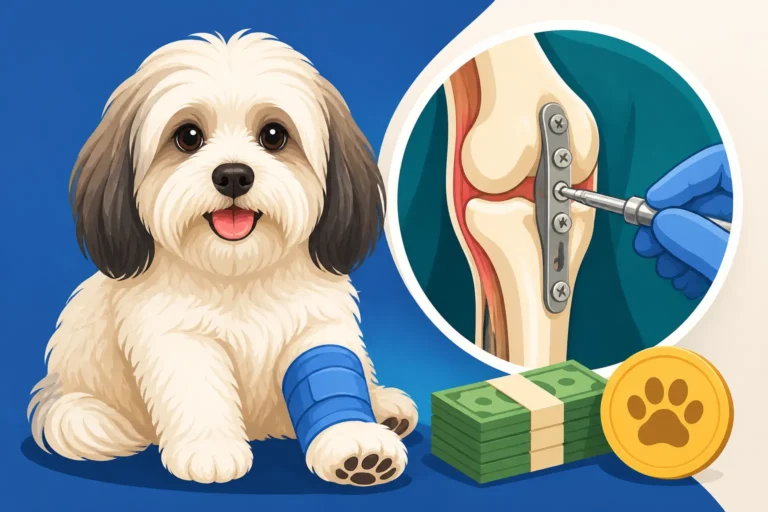
One of the most talked-about concerns for Havanese owners is patellar luxation, often referred to as "slipping kneecaps." This is where the kneecap dislocates from its groove in the thigh bone. While some cases are mild and managed with watchful waiting and joint supplements, others require surgical intervention to correct. A sudden skip in your Havanese's gait, especially after a jump or quick turn, might be the first sign. Imagine your sweet little Havanese, usually so full of bounce, suddenly hesitant to put weight on a leg. The thought alone is heartbreaking. Surgical costs for something like What Knee Surgery Costs a Havanese Owner can be substantial, easily running into thousands of dollars per affected knee, and it's not uncommon for both knees to eventually be involved. This isn't just a one-time fee; it includes diagnostics, the surgery itself, post-operative care, and often follow-up physiotherapy.
Beyond orthopedic issues, Havanese can also be prone to certain eye conditions. Things like cataracts or progressive retinal atrophy can eventually impair their vision, sometimes leading to blindness. The Eye Diseases a Havanese Inherits are a serious concern, and specialized ophthalmic vet visits, diagnostic tests, and potential surgeries can become very costly. You might notice your Havanese bumping into furniture or seeming disoriented in low light, which would prompt a vet visit that could lead to a referral to a specialist. Keeping up with What a Havanese's Eye Care Costs can be an ongoing expense.
Furthermore, as our Havanese age, heart conditions, particularly Mitral Valve Disease in an Older Havanese, can become a concern. This often manifests as a heart murmur that can progress over time. Regular cardiac check-ups, specialized diagnostics like echocardiograms, and daily medication can add up significantly, especially given that this is often a lifelong management situation. Waking up to your senior Havanese coughing more than usual, or tiring quickly on walks, is a scary moment that can lead to a cascade of expensive vet appointments.
The Financial Shock of Unexpected Vet Bills
It's easy to get caught up in the excitement of a new puppy or the comfortable routine with an older dog, pushing thoughts of illness to the back of your mind. But then, it happens: a sudden limp, a bout of unexplained vomiting, or a diagnosis that requires extensive treatment. Without a financial safety net, these situations can be incredibly stressful, forcing owners to make difficult decisions, not based on the best care for their beloved pet, but on what they can afford.
I've heard countless stories from Havanese parents who were blindsided by a several-thousand-dollar emergency bill for something entirely unexpected. One moment their little one is zooming around the living room, the next they've ingested something toxic, requiring an emergency trip to the vet, stomach pumping, and overnight observation. Or perhaps they jump off a couch and land awkwardly, leading to a fracture or a severe sprain. These aren't rare occurrences; they're unfortunate realities of pet ownership.
Even beyond emergencies, a chronic condition like allergies or hypothyroidism, while not immediately life-threatening, requires ongoing medication, special diets, and regular vet visits. These cumulative costs can quietly drain a savings account. Thinking about What a Havanese Costs a Year to Keep goes far beyond just food and treats; vet care is a huge component. This is where the true value of pet insurance often comes into play, softening the blow of those financial shocks and allowing you to focus on your Havanese's recovery rather than your wallet.
What Pet Insurance Actually Covers
Understanding pet insurance can feel like navigating a maze of jargon, deductibles, and reimbursement percentages. It's not as straightforward as human health insurance, and policies vary widely. However, grasping the basics will help you compare options and decide what truly works for your Havanese and your family.
Types of Coverage and What They Mean
Generally, pet insurance policies fall into a few main categories: accident-only, accident and illness, and comprehensive wellness plans.
- Accident-Only Plans: These are usually the most affordable and cover injuries from accidents such as broken bones, swallowed objects, snake bites, or cuts. If your Havanese slips off the couch and needs x-rays and pain medication, this type of plan would kick in. They don't cover illnesses, though, which is a significant limitation for a breed with specific health predispositions.
- Accident and Illness Plans: This is the most common and often recommended type of coverage. It covers both unexpected accidents and illnesses, including chronic conditions, infections, cancer, and hereditary conditions (as long as they aren't pre-existing). For a Havanese, this is crucial. This would cover treatment for luxating patella, heart murmurs, eye conditions, and pretty much any other ailment that develops after enrollment. Many reputable providers, such as Healthy Paws, focus on these types of comprehensive plans, offering peace of mind for both the unexpected scrape and the more serious diagnosis.
- Wellness Plans: These are often add-ons or separate plans that cover routine, preventive care. Think annual check-ups, vaccinations, parasite prevention, and sometimes even dental cleanings. While valuable, they typically operate on a reimbursement schedule for specific services up to a certain amount, rather than a percentage of a bill. These plans are designed to help budget for predictable costs, not protect against unexpected catastrophic ones. You'd still buy your regular food and treats from somewhere like Chewy, but the plan might help with the annual vet visit for vaccinations.
It's absolutely essential to read the fine print, especially regarding exclusions. Most policies will not cover pre-existing conditions – meaning any illness or injury your Havanese had or showed symptoms of before you enrolled or before the waiting period ended. This is why getting insurance when your Havanese is a young puppy, ideally before any health issues manifest, is often advised. You'll also want to look into conditions specific to Havanese; for example, asking Whether Patella Trouble Is Excluded on a Havanese Policy is a smart move.
Deductibles, Reimbursement, and Annual Limits
These three terms are the pillars of how your pet insurance policy works financially:
- Deductible: This is the amount you pay out-of-pocket before your insurance company starts reimbursing you. It can be per incident or annual. An annual deductible means once you've paid that amount in eligible vet bills within a policy year, the insurer starts reimbursing for the rest of that year's covered expenses. Per-incident deductibles mean you pay that amount for each new condition your Havanese develops. For example, if your deductible is $250 and your Havanese has an ear infection costing $150, you pay the whole bill. If the next month, they need $500 surgery for a luxating patella, you pay the first $250 of that bill, and then your reimbursement kicks in for the remaining $250 (minus your reimbursement percentage).
- Reimbursement Percentage: After you meet your deductible, this is the percentage of the remaining eligible vet bill that the insurance company will pay. Common percentages are 70%, 80%, or 90%. So, if your reimbursement is 80% and you have a $1000 bill after your deductible is met, the insurer pays $800, and you pay $200.
- Annual Limit: Most policies have a maximum amount they will pay out in a given policy year. This can range from a few thousand dollars to unlimited. While lower limits mean lower premiums, they can also leave you exposed in cases of severe illness or multiple accidents. Some Havanese owners might feel more secure with an unlimited annual payout, especially if they are concerned about costly conditions like cancer treatment or multiple orthopedic surgeries over the years.
Here's a quick overview of how these typically interact:
| Policy Component | Explanation | Impact on You |
|---|---|---|
| Deductible | Amount you pay before insurance starts contributing. | Higher deductible usually means lower monthly premiums, but more out-of-pocket initially. |
| Reimbursement % | Percentage of the bill the insurer pays after the deductible. | Higher percentage (e.g., 90%) means less out-of-pocket for you, but higher monthly premiums. |
| Annual Limit | Maximum amount the insurer will pay in one policy year. | Higher limits offer more protection for catastrophic events but increase premiums. Unlimited is an option. |
| Waiting Periods | Time before certain conditions are covered (e.g., orthopedic issues). | Important to enroll early; you pay full cost for issues arising during this period. |
| Pre-Existing | Conditions existing before coverage starts or during waiting periods. | Not covered. This is the biggest reason to get insurance when your Havanese is young and healthy. |
How Claims Work
The process is fairly standard across most providers: you pay your vet bill in full at the time of service, and then you submit a claim to your insurance company. This usually involves uploading your vet's invoice and your Havanese's medical records. The insurer reviews the claim, applies your deductible and reimbursement percentage, and then sends you a check or direct deposit. While this means you need to have the funds available upfront for the vet visit, the reimbursement helps alleviate the long-term financial strain.
Some providers like Healthy Paws are known for a relatively streamlined claims process, often processing claims quickly. While pet insurance doesn't necessarily cover premium dog food like Ollie, ensuring your Havanese gets proper nutrition is still vital for their overall health, and a good insurance policy can help cover the medical issues that even the best diet can't always prevent.
Weighing the Costs: Premiums vs. Potential Vet Bills
Deciding on pet insurance really boils down to a personal financial calculation and your comfort level with risk. You're essentially paying a monthly premium to protect against potentially much larger, unpredictable expenses.
The Cost of Pet Insurance Premiums
The monthly premium for Havanese pet insurance will vary based on several factors:
- Your Havanese's Age: Puppies are generally cheaper to insure than older dogs, as they have fewer pre-existing conditions and lower immediate health risks. Premiums will typically increase as your Havanese ages.
- Location: Veterinary costs vary significantly by region, and insurance premiums reflect that.
- Chosen Plan: Accident-only plans are cheapest, comprehensive plans are more expensive, and wellness add-ons increase the cost further.
- Deductible and Reimbursement Choices: A higher deductible and lower reimbursement percentage will result in lower monthly premiums, and vice versa.
- Breed: While Havanese are generally a healthy breed, their predisposition to certain conditions might be factored into pricing.
- Insurer: Different companies have different pricing structures and underwriting models. It's always a good idea to get quotes from multiple providers like Healthy Paws to compare.
On average, you might be looking at a range of premiums depending on these factors. While it's a consistent monthly expense, many owners view it as a small price to pay for the peace of mind it offers, especially when they consider the potentially exorbitant costs of major medical events.
The "Self-Insuring" Alternative
Some people choose to "self-insure" by setting aside a dedicated savings fund specifically for their Havanese's potential vet bills. This can be a viable strategy for those who are disciplined savers and have a healthy emergency fund already in place. The main advantages are that you control your money, and if your Havanese remains perfectly healthy, you get to keep all of it. This goes back to the advice of Setting Money Aside for a Havanese's Vet Bills.
However, self-insuring comes with significant risks:
- Sudden Catastrophe: A major accident or illness can strike before you've accumulated a sufficient amount in your savings fund. If your Havanese needs $5,000 surgery and you've only saved $1,000, you're still left with a $4,000 gap.
- Lack of Discipline: It can be hard to consistently save, and sometimes that dedicated pet fund gets dipped into for other emergencies or unexpected expenses.
- Inflation of Vet Costs: Veterinary care costs continue to rise, meaning the amount you need to save might be higher than you anticipate.
For those considering self-insuring, it's wise to aim for a substantial savings goal – perhaps $5,000 to $10,000 – to truly cover potential emergencies, especially knowing the lifespan of a Havanese can bring with it age-related concerns.
The Long-Term Perspective
When you look at the total What Sixteen Years With a Havanese Comes To, veterinary care forms a significant portion of that expense. Whether you pay monthly premiums for insurance or consistently contribute to a savings fund, you're essentially making a long-term investment in your Havanese's health and your ability to care for them.
Consider a scenario where your Havanese develops a chronic condition at age five, requiring $100 per month in medication and regular $300 check-ups for the next decade. That's thousands of dollars over their lifetime. Or imagine the unforeseen: an emergency visit for bloat, which can cost thousands, or an unexpected cancer diagnosis requiring chemotherapy. These are the moments when a comprehensive pet insurance policy can feel like a lifesaver, allowing you to say "yes" to necessary treatments without crippling financial stress.
Making the Decision: Is It Right for Your Havanese and Budget?
Ultimately, the decision to insure your Havanese is a deeply personal one, balancing financial realities with your desire to provide the best possible care. There's no single "right" answer for everyone, but by considering a few key factors, you can arrive at a decision that feels right for you.
Factors to Consider Before Buying
Before you commit to a policy, ask yourself these questions:
- Your Havanese's Current Health and Age: If you have a healthy puppy, now is the ideal time to get coverage before any pre-existing conditions arise. If you have an older Havanese with existing conditions, insurance options might be more limited or expensive, and those specific conditions won't be covered.
- Your Financial Situation and Risk Tolerance: Can you comfortably afford a $3,000 or $5,000 vet bill out of pocket if an emergency strikes tomorrow? If the answer is no, or if the thought gives you significant anxiety, insurance offers a valuable safety net. If you have a substantial emergency fund ready to go, self-insuring might be a suitable alternative.
- Breed-Specific Risks: As discussed earlier, Havanese have predispositions to certain conditions. If you're particularly concerned about The Kneecaps a Havanese Slips or The Heart Murmur an Older Havanese Develops, a policy that covers these, provided they aren't pre-existing, is a wise choice.
- Your Preferred Veterinary Care: Do you want the option of advanced diagnostics, specialist referrals, or cutting-edge treatments without worrying about the cost? Insurance makes these choices more accessible.
- Policy Details: Thoroughly compare plans from different providers. Look at deductibles, reimbursement percentages, annual limits, and any exclusions. Don't be swayed solely by the lowest premium; sometimes a slightly higher premium offers significantly better coverage.
It's important to remember that pet insurance isn't just about the money; it's about reducing stress during potentially difficult times. When your beloved Havanese is unwell, you want to be able to focus on their comfort and recovery, not on how you're going to pay for their care.
The Peace of Mind Factor
For many Havanese owners, the greatest benefit of pet insurance isn't just the financial reimbursement, but the immense peace of mind it provides. Knowing that you have a plan in place for unforeseen medical expenses can truly alleviate a significant burden. This allows you to say "yes" to tests, treatments, and specialist visits that might otherwise be out of reach, ensuring your Havanese gets the best possible chance at recovery and a long, healthy life.
Imagine your Havanese suddenly develops a mysterious illness that requires multiple diagnostic tests, specialist consultations, and ongoing medication. Without insurance, each step might be accompanied by agonizing financial decisions. With insurance, you can move forward with confidence, knowing a substantial portion of those costs will be covered. Companies like Healthy Paws, with their reputation for comprehensive accident and illness coverage, are popular for this very reason. While you still pay for your dog's regular food and toys from places like Chewy, or premium subscription food services like Ollie, the medical bills are a different beast entirely.
Ultimately, whether pet insurance is "worth it" for your Havanese depends on your individual circumstances. It's an investment in their health and your financial security, protecting you from the unexpected and allowing you to cherish every moment with your furry best friend.
Disclaimer
This article is for general informational purposes only and does not constitute professional advice. Laws, prices and regulations vary by location and change over time. Consult a qualified professional for guidance on your specific situation.