Mitral Valve Disease in an Older Havanese
It’s a heart-wrenching moment for any Havanese owner when your beloved, once sprightly companion starts showing signs of slowing down, and especially when a trip to the vet reveals concerns about their heart. Mitral Valve Disease (MVD) is a common, often scary, reality for many older small breed dogs, and our charming Havanese are no exception. This guide is here to walk you through what MVD means for your furry family member, how to spot the subtle clues, understand the diagnosis, and navigate the treatment options, offering reassurance and practical advice every step of the way.
Understanding Mitral Valve Disease in Havanese
Finding out your Havanese has a heart condition can feel like a punch to the gut. Suddenly, all those little quirks and changes you’ve noticed take on a new, more serious meaning. But understanding what Mitral Valve Disease (MVD) actually is, and why it's so prevalent in our small, fluffy friends, is the first crucial step in becoming your dog’s best advocate.
What is Mitral Valve Disease MVD?
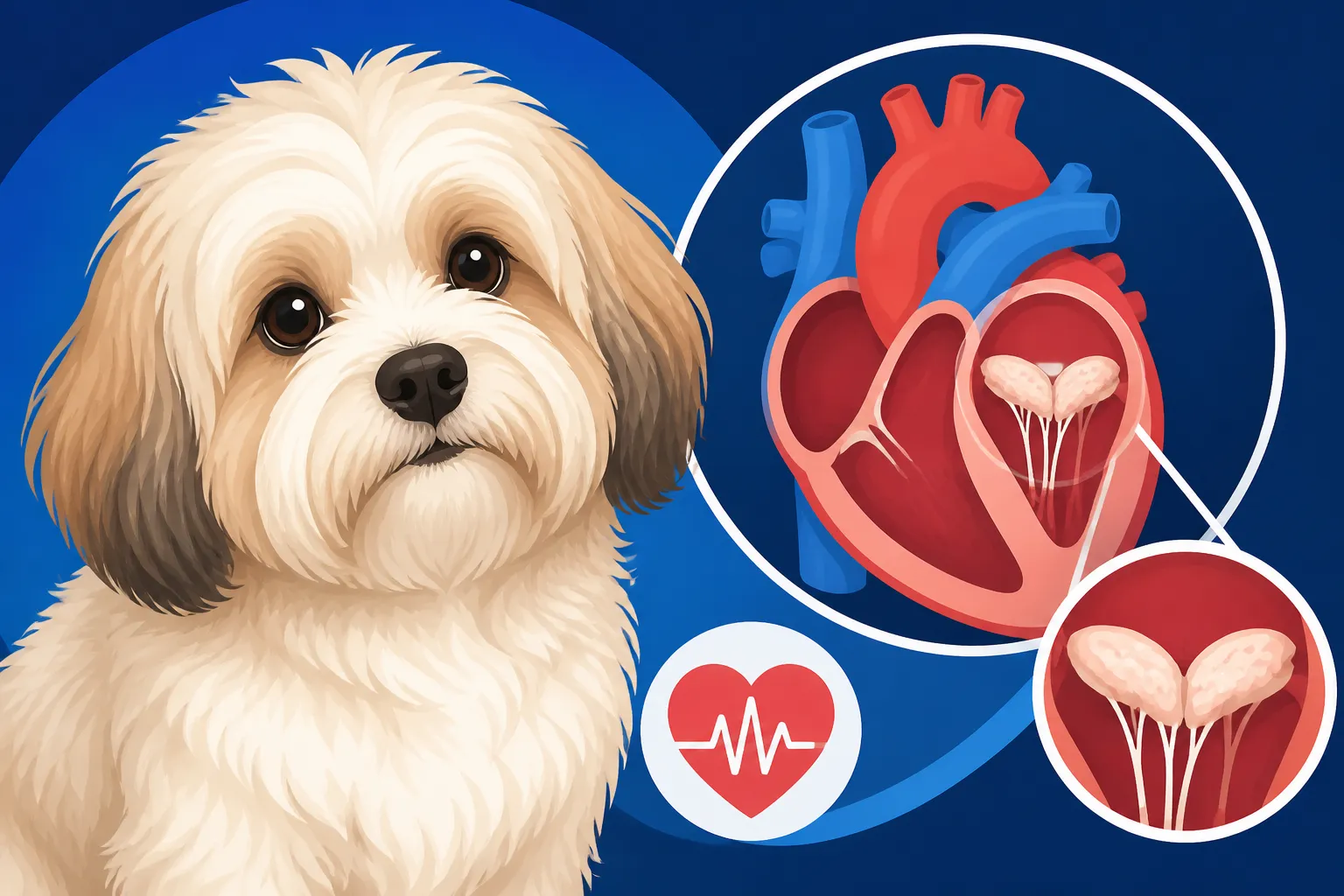
To understand MVD, let's first quickly look at how your Havanese's heart normally functions. It’s a powerful, four-chambered pump, tirelessly pushing blood throughout their body. Oxygen-rich blood from the lungs enters the left atrium, then passes through a crucial gateway: the mitral valve, into the left ventricle. From there, it's pumped out to the rest of the body. Think of the mitral valve like a perfectly engineered one-way door, designed to open wide to let blood flow forward and then snap shut tightly to prevent any backflow. This smooth, efficient operation is vital for maintaining proper blood circulation and oxygen delivery.
In a dog with Mitral Valve Disease, this finely tuned system starts to go awry. MVD is a progressive degenerative condition, meaning it gets worse over time. What happens is that the leaflets of the mitral valve, which are normally thin and flexible, begin to thicken and become irregular. Imagine that perfectly engineered door slowly becoming stiff, distorted, and lumpy around the edges. When the heart contracts, instead of closing completely, these thickened leaflets fail to seal properly. This creates a small gap, allowing a portion of the blood to leak backward, or "regurgitate," from the left ventricle back into the left atrium. This backward flow is known as mitral regurgitation.
This leakage, often heard by your vet as a "heart murmur," forces the heart to work harder to compensate. It has to pump more forcefully to deliver the same amount of blood forward, and the left atrium has to accommodate the extra blood volume. Over time, this increased workload can cause the heart muscle to enlarge and weaken, leading to more significant problems like congestive heart failure. It's a slow, insidious process, and because our Havanese are such resilient little troopers, they can often hide the early stages of this disease remarkably well.
Why Havanese are Particularly Prone
It sometimes feels unfair, doesn't it? We want our Havanese to live forever, bouncing around with endless energy, yet they, along with many other small breeds, seem to be predisposed to certain health challenges. Mitral Valve Disease is definitely one of them. While any dog can develop MVD, it's overwhelmingly common in smaller breeds, and particularly those of a certain age. Breeds like Cavaliers King Charles Spaniels, Dachshunds, Miniature Poodles, Chihuahuas, and yes, our beloved Havanese, are right at the top of the list for this condition.
The exact reasons for this breed predisposition aren't fully understood, but genetics play a significant role. There's a strong belief that certain genetic factors within these breeds lead to a degenerative process in the mitral valve tissue. It's not necessarily a defect present at birth, but rather a tendency for the valve to wear out faster or differently than in larger breeds. Think of it like a car part that's designed to last for a certain mileage, but in some models, it just wears down quicker due to a design flaw or material difference. For our Havanese, that "part" is their mitral valve.
Age is another colossal factor. MVD is primarily a disease of older dogs. While a young Havanese puppy might have a congenital heart defect, the classic MVD we're discussing here typically manifests as they enter their senior years, often starting around 7-9 years old, and becoming more prevalent as they reach 10, 12, or even beyond. This makes it particularly challenging because many of the early signs can easily be mistaken for "just getting old." That little bit less energy, the occasional cough after excitement – it’s easy to dismiss these, thinking it’s a natural part of The Age a Havanese Counts as Senior. However, recognizing their breed predisposition and age makes owners more vigilant, which is exactly what we want.
The Silent Progression: Early Stages of MVD
One of the most frustrating and often anxiety-inducing aspects of Mitral Valve Disease is its silent progression, especially in the early stages. Your Havanese might be living their best life, chasing squirrels in the backyard, demanding belly rubs, and generally acting like their wonderful, normal self, all while a heart murmur is slowly developing and progressing internally. This is why regular veterinary check-ups are so critically important, even when your dog seems perfectly fine.
In the very beginning, your Havanese will likely show absolutely no outward symptoms. The mitral valve might just be starting to thicken, and the leakage might be minimal. The only way to detect this is through your veterinarian's routine physical examination, specifically by listening to their heart with a stethoscope. A veterinarian, with their trained ear, can pick up on an abnormal sound—a "swishing" or "whooshing" noise—which is the sound of blood leaking back through the mitral valve. This is what we call a heart murmur.
Heart murmurs are typically graded on a scale of I to VI, with I being very soft and barely audible, and VI being very loud and palpable (you can feel it through the chest wall). A Grade I or II murmur might be present for years before your Havanese shows any clinical signs. It doesn't necessarily mean immediate panic, but it does mean increased vigilance and monitoring. Your vet might recommend follow-up appointments to re-evaluate the murmur's intensity over time, or suggest further diagnostics if the murmur is louder or if other subtle signs start to emerge. This early detection through a physical exam is a powerful tool, providing you with a heads-up and allowing you to be proactive rather than reactive. Knowing about a murmur early allows for better monitoring and the opportunity to intervene with medication, like pimobendan, which has been shown to delay the onset of clinical signs in dogs with advanced preclinical MVD.
Recognizing the Early Signs of Heart Trouble
It's tough when your Havanese starts to age, because every little sniffle or slow-down makes you wonder. Are they just getting old, or is something more serious going on? With Mitral Valve Disease, the early signs can be incredibly subtle and easily mistaken for normal aging. This is why being attuned to your dog’s unique habits and energy levels is so important. You are their best observer!
Subtle Changes in Behavior and Energy Levels
One of the first things you might notice, if you're truly paying attention, are shifts in your Havanese's usual routine and energy. They might not be as eager for their morning walk, or perhaps they're less enthusiastic about a game of fetch that used to send them into a frenzy of excitement. It's not a sudden collapse, but a gradual diminishment. Maybe they used to bound up the stairs and now they pause, taking their time, or even look for another route.
You might find your Havanese sleeping more deeply, or for longer periods during the day. While older dogs certainly need more rest, an excessive increase in lethargy or a reluctance to engage in activities they once loved can be a red flag. They might seem more tired after even minimal exertion, taking longer to recover their breath or settle down. For example, after a short romp in the yard, they might lie down immediately, rather than continuing to explore or solicit attention.
It’s easy to shrug these off, telling yourself, "Oh, they're just getting older, it's normal." And sometimes, it truly is. But for a Havanese with developing MVD, these subtle hints are their way of telling you their heart isn't quite keeping up. They might still wag their tail and greet you happily, but the underlying stamina isn't there. If you find yourself consistently noticing that "something isn't quite right" feeling, trust your gut. A watchful owner is often the first line of defense.
The Notorious Cough: What to Listen For
Ah, the cough. This is often one of the most recognizable and concerning symptoms that prompts owners to seek veterinary attention for MVD. But not all coughs are created equal, and it can be tricky to distinguish a cardiac cough from other types of respiratory issues. The classic heart-related cough associated with MVD in a Havanese is typically dry, hacking, and sounds a bit like they're trying to clear something from their throat. It's often described as a "goose honk" cough, although this description is more common with collapsing trachea, which can also affect small breeds. The key is its persistence and context. You can read more about this in Whether a Havanese Coughs From Its Heart.
This cough tends to be worse at certain times. Many owners report it happening more frequently at night, especially when their Havanese is lying down, or in the early morning. This is because gravity is no longer helping to drain fluid from the lungs, and fluid can build up when the dog is recumbent. Excitement or physical exertion can also trigger a coughing fit. Imagine your Havanese greeting you enthusiastically after you've been out, or getting worked up during playtime – that's when you might hear it. This type of cough occurs because the enlarged heart, or the fluid building up in the lungs due to the failing heart, puts pressure on the trachea (windpipe), irritating it and leading to the cough reflex.
It’s crucial to differentiate this from other common Havanese respiratory issues. A reverse sneeze, for instance, sounds alarming but is usually a short, snorting episode where the dog quickly inhales repeatedly, often due to irritation in the nasal passages. Kennel cough, on the other hand, is usually accompanied by other signs of illness like lethargy or nasal discharge and is typically self-limiting. If you're unsure, it's always best to capture a video of your Havanese coughing to show your vet, as it can provide invaluable information for diagnosis.
Breathing Difficulties and Restlessness
As MVD progresses and the heart's ability to pump efficiently diminishes, you might start noticing changes in your Havanese's breathing patterns. One of the most critical signs is an increased resting respiratory rate. A healthy, relaxed Havanese usually takes between 15 to 30 breaths per minute when they are sleeping or completely at rest. If you observe your dog breathing significantly faster than this, especially when they're sound asleep, it could indicate fluid accumulation in their lungs (pulmonary edema), a serious complication of heart failure.
To check this, wait until your Havanese is deeply asleep and count their breaths for 15 seconds, then multiply by four. Do this regularly, ideally at the same time each day, to establish a baseline. A consistent elevation above their normal resting rate is a definite reason to contact your vet. You might also notice more pronounced chest and abdominal movement with each breath, or shallow, rapid breaths. Sometimes, their breathing might even sound a bit wheezy or raspy.
Beyond visible breathing difficulties, MVD can also manifest as restlessness, particularly at night. Just like humans with certain heart conditions, dogs with developing heart failure can find it uncomfortable to lie down and get truly restful sleep. They might pace, frequently change positions, or seem unable to get comfortable. This restlessness can be due to a number of factors, including subtle discomfort, a buildup of fluid in the lungs making breathing harder when recumbent, or even a sense of anxiety that comes with not feeling well. Your Havanese might seek out cooler places to lie down or try to sleep with their head elevated. These behaviors, when coupled with other symptoms like a cough or reduced energy, paint a clearer picture that something serious is happening with their heart, requiring immediate veterinary attention.
Diagnosis and Staging of Mitral Valve Disease
When you first bring your Havanese to the vet with concerns about their heart, it can feel like a whirlwind of information and tests. It’s a lot to take in. But understanding the diagnostic process and how their condition is staged is key to grasping the seriousness of MVD and planning the best path forward.
The Initial Vet Visit and Physical Exam
Your journey to understanding your Havanese's heart health almost always begins with a thorough physical examination by your veterinarian. This initial visit is crucial for gathering all the clues. Your vet will listen intently to your dog's heart, searching for the tell-tale "whoosh" of a heart murmur. They'll assess its loudness, its location, and often how it changes with your dog's breathing. They will also check your Havanese's pulse, assessing its strength and regularity, and gently feel their abdomen for any signs of fluid accumulation.
During this exam, your vet will also pay close attention to your dog's respiratory rate and effort. They'll listen to their lungs for any crackling sounds, which could indicate fluid buildup. Don't be surprised if they also check your Havanese's gums for color, which can give clues about their oxygenation. This comprehensive check-up isn't just about listening to the heart; it's about evaluating the entire dog, looking for any subtle hints that their cardiovascular system isn't functioning optimally. You can learn more about murmurs in The Heart Murmur an Older Havanese Develops.
It's vital for you, as the owner, to be an honest and detailed historian. Your vet relies heavily on your observations. Have you noticed a cough? When does it happen? How often? Is your Havanese sleeping more? Are they reluctant to go for walks? Have they gained or lost weight? Every piece of information, no matter how small it seems, can help your vet piece together the puzzle and decide what further diagnostic steps are necessary. Don't hold back, because you know your Havanese best.
Advanced Diagnostics: Echocardiogram and X-rays
While a heart murmur is a strong indicator of MVD, it's just the tip of the iceberg. To truly understand the extent of the disease and to develop an effective treatment plan, your vet will likely recommend more advanced diagnostics. The two most common and important tools are an echocardiogram and chest X-rays.
An echocardiogram is essentially an ultrasound of the heart, and it's the gold standard for diagnosing and staging MVD. Think of it as a live video of your Havanese's heart in action. During this non-invasive procedure, the vet (often a veterinary cardiologist) uses sound waves to create real-time images of the heart's structure, chambers, valves, and blood flow. They can see exactly how thick the mitral valve leaflets are, whether they're closing properly, and precisely how much blood is leaking backward. The echocardiogram also allows them to measure the size of the heart chambers, assess the strength of the heart muscle contractions, and detect any signs of pulmonary hypertension (high blood pressure in the lungs). This detailed visual information is invaluable for determining the severity of the disease and guiding treatment decisions. It's often recommended when a murmur is first detected, especially in a breed like a Havanese that's predisposed to MVD. You might want to consider Whether a Havanese Needs an Echocardiogram if a murmur is picked up.
Chest X-rays (radiographs) provide a different, but equally important, perspective. While they can't show the valves themselves, X-rays are excellent for visualizing the overall size and shape of the heart and, crucially, for checking the lungs. In advanced stages of MVD, the heart can become significantly enlarged, which will be evident on an X-ray. More importantly, X-rays can detect pulmonary edema – fluid accumulation in the lungs – which is a hallmark of congestive heart failure. Seeing fluid in the lungs is a clear indicator that the heart's pumping ability is severely compromised and that your Havanese is experiencing clinical signs directly related to their heart disease. X-rays also help rule out other causes of coughing, such as lung disease or tracheal collapse. Together, the echocardiogram and X-rays provide a comprehensive picture, allowing your vet to accurately diagnose MVD and determine its stage.
Understanding the ACVIM Stages of Heart Disease
Receiving a diagnosis of heart disease can be incredibly daunting, and often your vet will refer to "stages" of the disease. These stages are based on guidelines from the American College of Veterinary Internal Medicine (ACVIM) and provide a standardized way for veterinarians to classify heart disease, understand its progression, and recommend appropriate treatments. It helps make sense of a complex condition and guides the timing of interventions.
Here’s a simplified breakdown of the ACVIM stages:
- Stage A: This stage includes dogs that are at a high risk for developing MVD but currently show no structural heart disease. For Havanese, this would include all dogs of the breed, especially as they age, simply due to their genetic predisposition. There are no murmurs or other signs, but vigilance is key.
- Stage B1: Dogs in this stage have structural heart disease (e.g., a detectable mitral murmur due to valve thickening and leakage) but show no current clinical signs of heart failure (no coughing, breathing difficulty, or exercise intolerance). The heart might not even be significantly enlarged yet. At this point, no specific cardiac medication is usually prescribed, but regular monitoring is crucial.
- Stage B2: This is where things get a bit more serious, but still preclinical. Dogs in Stage B2 have structural heart disease and a noticeable mitral murmur, and their heart has started to enlarge (as seen on X-rays or echocardiogram). However, they are still not showing any clinical signs of heart failure. This stage is particularly important because studies have shown that initiating a specific heart medication, pimobendan, at this stage can significantly delay the onset of clinical signs of congestive heart failure and prolong a dog's life.
- Stage C: Dogs in Stage C have structural heart disease, and they are showing or have previously shown clinical signs of congestive heart failure (like coughing, difficulty breathing, or exercise intolerance). This means fluid has started to accumulate in their lungs (pulmonary edema) or body. Treatment at this stage is aggressive and aims to manage the symptoms and improve quality of life. This often involves a cocktail of medications.
- Stage D: This is the most advanced stage, considered "end-stage" heart failure. Dogs in Stage D have refractory congestive heart failure, meaning their symptoms are no longer adequately controlled by conventional, maximum-dose medications. At this point, palliative care and aggressive adjustments to medication are necessary to maintain comfort.
| ACVIM Stage | Description | Clinical Signs (Owner Observes) | Heart Changes (Vet Observes/Tests) | Treatment Approach |
|---|---|---|---|---|
| A | High risk for MVD (e.g., Havanese breed) | None | No structural heart disease | No medication; focus on monitoring, healthy lifestyle |
| B1 | Structural heart disease (murmur) without enlargement | None | Mitral murmur, no significant enlargement | No medication; regular monitoring, follow-up echocardiograms |
| B2 | Structural heart disease with heart enlargement | None | Mitral murmur, significant heart enlargement (X-ray/echo) | Start pimobendan to delay heart failure onset |
| C | Structural heart disease with current or previous signs of heart failure | Coughing, difficulty breathing, exercise intolerance | Enlarged heart, pulmonary edema (fluid in lungs) | Multiple medications (diuretics, ACE inhibitors, pimobendan, etc.) to manage symptoms |
| D | End-stage refractory heart failure | Severe signs, unresponsive to standard treatment | Severe heart enlargement, persistent pulmonary edema | Aggressive palliative care, advanced medication adjustments |
Understanding these stages empowers you to have informed conversations with your veterinarian about your Havanese’s prognosis and the best course of action at each step of their journey with MVD.
Managing MVD: Treatment Options and Medications
Once your Havanese has been diagnosed and staged, the focus shifts to management. While there's no cure for MVD, there are highly effective treatments that can significantly improve your dog's quality of life and often extend it. This involves a combination of medications, dietary adjustments, and changes in their daily routine.
Medications to Support Heart Function
The cornerstone of MVD management, especially in later stages, is medication. Your veterinarian, possibly in consultation with a veterinary cardiologist, will tailor a drug regimen specifically for your Havanese based on their stage of disease and individual needs. These medications work synergistically to support heart function, reduce fluid buildup, and ease the strain on the cardiovascular system.
One of the most important medications, particularly for Stage B2 and beyond, is pimobendan (often known by the brand name Vetmedin). This drug is a positive inotrope, meaning it helps the heart muscle contract more forcefully, and also a vasodilator, meaning it helps to open up blood vessels, making it easier for the heart to pump blood. Clinical trials have shown that starting pimobendan in Stage B2 dogs can delay the onset of clinical signs of congestive heart failure by many months, effectively extending their healthy life.
Diuretics, such as furosemide (Lasix), are crucial when fluid starts to accumulate in the lungs (pulmonary edema) or other parts of the body. These "water pills" help your Havanese excrete excess fluid through increased urination, which directly alleviates breathing difficulties and discomfort. Without diuretics, the lungs can become so waterlogged that the dog struggles to breathe, leading to acute crises.
ACE inhibitors, like enalapril or benazepril, are another common class of drugs. They work by blocking a hormone system in the body that, when overactive, can cause blood vessels to constrict and encourage fluid retention, further stressing the heart. By inhibiting this system, ACE inhibitors help to relax blood vessels, reduce blood pressure, and decrease the overall workload on the heart.
Other medications might include spironolactone, a potassium-sparing diuretic that also helps to counteract some of the negative effects of long-term heart disease, or anti-arrhythmics if your Havanese develops irregular heartbeats. It's incredibly important to administer all prescribed medications exactly as directed by your vet. Missing doses or altering dosages can have serious consequences. Regular follow-up appointments and blood tests will be necessary to monitor your Havanese’s response to treatment and to check kidney function, as some heart medications can impact the kidneys. Pet insurance providers, like Healthy Paws, can be a huge help here, as managing these long-term medications can become a significant ongoing cost. The thought of paying for continuous prescriptions can be overwhelming, and having that financial buffer from a good insurance plan can truly allow you to focus on your Havanese's care without added stress.
Dietary Considerations for a Havanese with MVD
Diet plays a surprisingly important role in managing Mitral Valve Disease, particularly as the condition advances. While diet alone cannot cure MVD, it can certainly help to support heart health and manage symptoms, especially fluid retention.
The primary dietary recommendation for dogs with heart disease is a low-sodium diet. Sodium contributes to fluid retention, which is exactly what we're trying to prevent and manage in a dog with MVD. This means moving away from regular commercial dog foods, which can be surprisingly high in sodium, and certainly avoiding human foods like deli meats, cheese, table scraps, and most commercial treats. Your vet might recommend a prescription cardiac diet (often available from brands like Hill's Prescription Diet, Royal Canin Veterinary Diet, or Purina Pro Plan Veterinary Diets) that is specifically formulated with controlled sodium levels and other nutrients beneficial for heart health. If a prescription diet isn't feasible, your vet can help you find over-the-counter options with lower sodium content.
Maintaining an ideal body weight is also critical. An overweight Havanese puts additional strain on their heart, making it work even harder. If your Havanese is carrying extra pounds, your vet will discuss a safe weight loss plan. On the other hand, some dogs with advanced heart disease can become underweight due to cardiac cachexia (muscle wasting associated with chronic disease), so ensuring adequate caloric intake with nutrient-dense food is also important. It's a fine balance, and regular weight checks are essential. Maintaining a healthy weight is generally good practice for Havanese, as it helps prevent many other issues, as discussed in Keeping a Havanese From Getting Heavy.
Beyond sodium and weight, your vet might also discuss certain supplements. Omega-3 fatty acids (fish oil) are often recommended for their anti-inflammatory properties and general cardiovascular benefits. L-carnitine and CoQ10 are sometimes suggested, as they play roles in heart muscle energy metabolism, though their efficacy in MVD is still being studied. Never start your Havanese on any supplements without first discussing it thoroughly with your veterinarian, as some can interact with medications or be harmful in certain conditions.
Lifestyle Adjustments and Monitoring at Home
Living with an older Havanese with MVD means making some thoughtful adjustments to their daily life to minimize stress on their heart and maximize their comfort. These changes aren't about eliminating joy, but about adapting to their changing needs.
First, exercise moderation is key. While your Havanese still needs mental and physical stimulation, strenuous activities like long, brisk walks, intense fetch sessions, or jumping should be replaced with shorter, gentler strolls and calmer playtime. The goal is to keep them active enough to prevent muscle loss and maintain mental well-being, but without pushing their heart too hard. Pay attention to their cues: if they slow down, pant excessively, or start coughing, it’s time to rest.
Perhaps the most empowering thing you can do at home is to monitor their resting respiratory rate (RRR) daily. This simple, non-invasive measurement can provide an early warning sign of worsening heart failure. Count their breaths (one breath is an inhale and an exhale) when they are calmly sleeping or resting, ideally for 15 seconds and then multiply by four to get breaths per minute. A normal RRR for a dog at rest is typically less than 30 breaths per minute. If you notice a consistent increase above their normal baseline, or above 30, it could indicate fluid accumulating in their lungs, and you should contact your vet immediately. Keeping a log of this daily measurement can be incredibly helpful for your vet to track their progress.
Finally, strive to create a calm and low-stress environment for your Havanese. Stress can elevate heart rate and blood pressure, putting extra strain on an already compromised heart. This might mean minimizing sudden loud noises, avoiding overly exciting situations, and maintaining a predictable routine. Ensure they have comfortable, easily accessible resting spots. Think about adding ramps or steps for furniture if they enjoy being on the couch or bed, to prevent them from jumping, which can be hard on their joints and cause sudden exertion. A calm, loving home is perhaps the best medicine of all for a Havanese with a heart condition. For owners worried about the long-term cost of these necessary lifestyle changes and medications, it's worth noting that pet insurance, such as Healthy Paws, can help significantly, often covering a large portion of the costs for ongoing prescriptions and veterinary visits associated with chronic conditions. This allows you to focus on Whether Heart Medication Extends a Havanese's Life rather than the financial burden.
The Emotional Toll: Coping with a Chronic Diagnosis
Receiving a chronic diagnosis like Mitral Valve Disease for your beloved Havanese is more than just a medical event; it's an emotional roller coaster. It brings a unique set of stresses, anxieties, and grief that can be profoundly challenging for even the most resilient owner. It's okay to feel overwhelmed, sad, or even angry—these are completely normal responses.
Navigating the Grief and Anxiety
The moment you hear the words "heart disease" or "heart failure," a form of anticipatory grief often sets in. You start to mourn the future you envisioned with your Havanese, the endless years of chasing butterflies or cuddling on the couch. This feeling is intensified by the knowledge that MVD is a progressive disease, meaning it will eventually worsen. This uncertainty about the future, coupled with the daily reality of managing medication and monitoring symptoms, can lead to significant anxiety. You might find yourself constantly watching your Havanese, scrutinizing every cough, every sigh, every moment of stillness, wondering if it's "the beginning of the end."
This intense vigilance can be exhausting. It’s a heavy burden to carry, and it's essential to acknowledge these feelings rather than suppress them. Give yourself permission to feel sad, frustrated, or scared. It doesn't mean you love your Havanese any less; it means you love them deeply enough to hurt when they hurt. Talk to a trusted friend, family member, or even a professional counselor about what you're experiencing. Sharing your feelings can lighten the load and provide perspective.
Beyond the emotional toll, there's often a significant financial burden associated with managing a chronic condition like MVD. The ongoing costs of vet visits, diagnostics, and especially lifelong medications can quickly add up, creating another layer of stress. This is where a good pet insurance plan, like Healthy Paws, can be an absolute lifeline. Knowing that a substantial portion of those expensive specialist consultations, echocardiograms, and daily pills might be covered can alleviate immense financial anxiety, allowing you to prioritize your Havanese's health without constantly worrying about your bank account. It transforms the conversation from "Can I afford this life-extending treatment?" to "What's the best option for my Havanese?"
Quality of Life: When to Make Difficult Decisions
This is arguably the hardest part of any chronic illness journey with a beloved pet. When your Havanese has Mitral Valve Disease, there will come a point where treatment might no longer be able to maintain a good quality of life. This is a conversation no one wants to have, but it's a vital one to prepare for with your veterinarian.
Assessing your Havanese's quality of life requires careful observation and honest evaluation. It's about looking beyond their wagging tail (which they might still manage even when very ill) and focusing on their overall comfort, happiness, and ability to engage with life. Key indicators to consider include:
- Pain management: Are they comfortable? Are they restless or unable to find a comfortable position?
- Appetite and hydration: Are they still eating and drinking? Are they enjoying their food?
- Hygiene: Are they able to keep themselves clean, or are they having accidents due to weakness or discomfort?
- Happiness/Interest: Are they still interacting with the family, showing interest in toys, or enjoying gentle affection? Or are they withdrawn, depressed, or seem to have lost their spark?
- Mobility: Can they move around without significant distress or weakness?
- Breathing: Are they constantly struggling to breathe, even with medication?
There are several "quality of life scales" available online (such as the HHHHHMM scale by Dr. Alice Villalobos) that can help you objectively evaluate these parameters. Discuss these openly and honestly with your vet. They are your most valuable resource in making these incredibly difficult decisions. They can help you understand the signs of distress and pain, and guide you on when the balance has tipped from good days outweighing bad to vice versa. It's about preventing suffering and ensuring your Havanese's dignity and comfort above all else. This difficult topic is further explored in Knowing When an Old Havanese Has Had Enough.
Finding Support and Resources
You don't have to go through this alone. The emotional weight of caring for a chronically ill pet, especially one with a progressive disease like MVD, can be immense. Seeking out support and resources is not a sign of weakness; it's a sign of strength and self-awareness.
One of the best resources can be your own veterinary team. They are not just there to treat your Havanese; they often become a source of emotional support and guidance. Don't hesitate to ask them questions, express your fears, and rely on their expertise and compassion. They've walked this path with many owners before.
Beyond your vet, consider connecting with online forums or local support groups dedicated to pet owners dealing with chronic illness or pet loss. Platforms like Facebook host numerous groups where people share their experiences, offer advice, and provide a safe space for empathy and understanding. Knowing that others are going through similar struggles can be incredibly validating and comforting. You might find practical tips for managing medications, discover new ways to make your Havanese more comfortable, or simply find solace in shared stories.
Additionally, many communities now offer pet bereavement counseling services. These resources are available not only after a loss but also during the anticipatory grief phase that often accompanies a chronic diagnosis. A professional counselor can provide tools and strategies for coping with anxiety, sadness, and the difficult decisions ahead. Remember, the bond you share with your Havanese is profound, and grieving their illness and eventual loss is a natural and healthy process. Embracing support from various sources can help you navigate this challenging time with greater resilience and peace, ensuring you can continue to provide the best possible care for your beloved companion.
Prevention and Early Detection Strategies
While Mitral Valve Disease is largely an age-related, genetic condition in Havanese, there are proactive steps owners can take to minimize risk factors, detect the disease as early as possible, and generally promote a longer, healthier life for their furry family members. It's about being prepared and proactive, rather than waiting for symptoms to appear.
The Role of Responsible Breeding
For future Havanese owners, the journey to preventing or delaying the impact of MVD actually begins before you even bring a puppy home. Responsible breeding practices are a cornerstone of canine health. While MVD is a complex, polygenic disease not simply inherited like some single-gene disorders, good breeders prioritize overall heart health in their breeding stock.
This means that reputable Havanese breeders will screen their adult dogs for heart conditions before breeding them. While routine auscultation (listening with a stethoscope) can detect murmurs, a more thorough screening involves a cardiac exam by a board-certified veterinary cardiologist. This exam often includes an echocardiogram to assess the structure and function of the heart, ruling out any congenital defects or early signs of MVD in young adult dogs. Although MVD is usually a disease of older dogs, breeders should be cautious about breeding any dog that develops a significant murmur or MVD at an unusually young age, as this could suggest a stronger genetic predisposition.
By choosing a puppy from a breeder who openly shares the health clearances of their breeding dogs—including cardiac screenings—you are investing in a healthier future for your Havanese. These breeders are committed to improving the breed's health lineage, reducing the likelihood of passing on predispositions to debilitating conditions. Always ask about the health testing parents have undergone, which should include the recommendations for the breed. This concept of extensive health testing is covered well in The Health Tests Both Havanese Parents Should Have.
Regular Veterinary Check-ups from Puppyhood
This might sound obvious, but the importance of regular veterinary check-ups from the moment you bring your Havanese puppy home cannot be overstated. These routine visits are not just for vaccinations; they are crucial opportunities for your vet to establish a baseline of health and to detect subtle changes over time.
For a Havanese, annual veterinary exams are important, and once they reach their senior years (typically around 7-8 years old), bi-annual (twice yearly) check-ups become even more critical. During these visits, your veterinarian will perform a thorough physical exam, which always includes listening to your Havanese's heart. Catching a heart murmur, even a very faint one, during a routine check-up can be the earliest sign of MVD. If a murmur is detected, your vet can then recommend further diagnostic steps, such as an echocardiogram, to determine its cause and severity. Early detection of a murmur, even before clinical signs appear, allows you and your vet to establish a monitoring plan and, if appropriate (as in Stage B2), to start prophylactic medication that can delay the onset of heart failure.
Don't forget that even Havanese puppies should have their hearts checked. While MVD is rare in puppies, congenital heart defects can occur. Whether a Havanese Puppy Should Be Checked for a Murmur at its initial vet visits is a standard procedure and good practice. If any concerns are noted, addressing them early can sometimes prevent more serious problems down the line. Consistent veterinary care throughout your Havanese's life builds a comprehensive health record, allowing your vet to spot trends and changes that might indicate a developing condition like MVD long before it becomes clinically apparent. Many pet insurance plans, like those offered by Healthy Paws, also offer wellness plans that can help offset the cost of these routine visits and early diagnostic tests, making proactive care more accessible.
Maintaining a Healthy Lifestyle for Your Havanese
Beyond genetics and veterinary care, your daily choices as a Havanese owner profoundly impact your dog's overall health and longevity, potentially influencing the progression of MVD. A healthy lifestyle isn't just about preventing disease; it's about giving your Havanese the best possible chance at a vibrant, full life.
A balanced diet is foundational. Feed your Havanese a high-quality dog food appropriate for their life stage and activity level. Avoid overfeeding, as maintaining an ideal body weight is paramount for heart health. Obesity places unnecessary strain on the cardiovascular system, exacerbating any underlying heart conditions. If you're unsure about the best diet or portion sizes, consult your vet.
Appropriate exercise is equally important. While older Havanese with MVD need modified activity, younger and healthy Havanese benefit from regular, moderate exercise. This keeps their heart muscle strong, helps maintain a healthy weight, and provides vital mental stimulation. Daily walks, supervised playtime in a secure yard, and indoor games are all excellent ways to keep your Havanese fit without overdoing it.
Finally, don't overlook dental hygiene. It might seem unrelated to heart health, but severe dental disease (periodontal disease) can lead to bacterial infections in the mouth. These bacteria can enter the bloodstream and travel to the heart, potentially colonizing the heart valves and contributing to inflammatory processes that could theoretically worsen existing heart conditions or lead to new ones. Regular dental cleanings, brushing your Havanese's teeth, and dental chews (if vet-approved) are vital preventative measures. The issue of dental crowding in Havanese is a common one, making this even more relevant, as detailed in Dental Crowding in a Havanese Mouth. A comprehensive approach to your Havanese's health, from diet and exercise to dental care, creates the best possible foundation for them to thrive, even if MVD eventually becomes a part of their journey.
Living Fully: Maximizing Comfort and Joy
When your Havanese has been diagnosed with Mitral Valve Disease, the goal shifts from just treatment to maximizing their comfort and ensuring every day is filled with joy. It’s about adapting to their needs, celebrating their spirit, and cherishing every moment you have together.
Adapting Your Home Environment
Making thoughtful adjustments to your home environment can significantly improve your Havanese's comfort and ease of movement, especially as their heart condition progresses and their energy levels decline. These small changes can make a big difference in their daily life.
First, ensure your Havanese has easily accessible, comfortable resting spots throughout the house. Think soft, orthopedic beds that support their joints, particularly if they are spending more time resting. Place these beds in quiet, draft-free areas where they feel secure and can easily observe family activity without having to move much.
Consider their access to favorite furniture. If your Havanese loves to snuggle on the couch or sleep in bed with you, invest in ramps or steps to allow them to get up and down safely and effortlessly. Jumping off furniture, even low furniture, can be strenuous on their heart and joints. Using steps means they don't have to exert themselves or risk injury, which can be particularly important for a dog with a compromised heart. This simple change, as discussed in Whether a Havanese Should Use Steps to the Couch, can preserve their beloved routines without adding strain.
Temperature control is also important. Havanese, with their thick coats, can overheat easily, especially if their heart is working harder. Ensure your home is comfortably cool in warmer months. In colder weather, while their coat provides some insulation, an older dog with heart disease might be more sensitive to cold, so make sure they have warm blankets and avoid prolonged exposure to very low temperatures. Easy access to fresh water is also paramount; elevated bowls can sometimes be more comfortable for them to drink from without bending down too much.
Continued Bonding and Mental Stimulation
A diagnosis of MVD doesn't mean your Havanese stops being who they are. They still need and crave your affection, attention, and mental engagement. Adapting how you bond and provide stimulation is key to maintaining their quality of life.
Replace strenuous physical games with gentle play sessions. A short, slow game of "find the treat" or rolling a soft toy across the floor can still bring immense joy without overexertion. Puzzle toys, which encourage them to use their brains to get a treat, are excellent for mental enrichment and can keep them engaged when physical activity is limited. Short, low-stress training sessions, perhaps practicing familiar tricks or learning new, simple commands, can also boost their confidence and provide mental stimulation. Whether an Old Havanese Still Wants to Play is a common concern, but often with adaptations, they certainly do!
Most importantly, continue to provide plenty of quality time and affection. Your Havanese thrives on companionship. Spend time cuddling, gently grooming them, or simply sitting together. Your presence and touch provide immense comfort and reduce stress. Talk to them, reassure them, and let them know they are loved. This emotional connection is just as vital as any medication in supporting their well-being. Keeping their routine as predictable and calm as possible also contributes to their sense of security.
Understanding Prognosis and Embracing Each Day
Living with a Havanese with MVD means accepting that while it's a progressive disease, it's also often manageable for an extended period. It’s natural to worry about the future, but focusing on the present moment and making each day count is the most loving approach.
It’s crucial to have an open and honest dialogue with your veterinarian about your Havanese's prognosis. They can provide you with realistic expectations about the course of the disease, the potential side effects of medications, and what to expect as the disease progresses. While statistics can be helpful, remember that every dog is an individual. Some Havanese will live for many years after diagnosis with good quality of life, thanks to attentive care and effective medication, while others may decline more quickly.
The true strength lies in embracing each day and focusing on your Havanese's current comfort and happiness. There will be good days and perhaps more challenging days, but by closely monitoring their symptoms, adhering to their medication schedule, and providing a loving, supportive environment, you are doing everything you can. Celebrate their little victories—a wagging tail at mealtime, a gentle nudge for a pat, a peaceful nap at your feet. These moments are precious. Our Havanese are known for their longevity, often living The Fourteen to Sixteen Years a Havanese Lives, and with proper management, MVD doesn't have to cut that short dramatically. By focusing on their joy, comfort, and the incredible bond you share, you ensure that their remaining time is filled with the love and happiness they so richly deserve.
Disclaimer
This article is for general informational purposes only and does not constitute professional advice. Laws, prices and regulations vary by location and change over time. Consult a qualified professional for guidance on your specific situation.