The Kneecaps a Havanese Slips
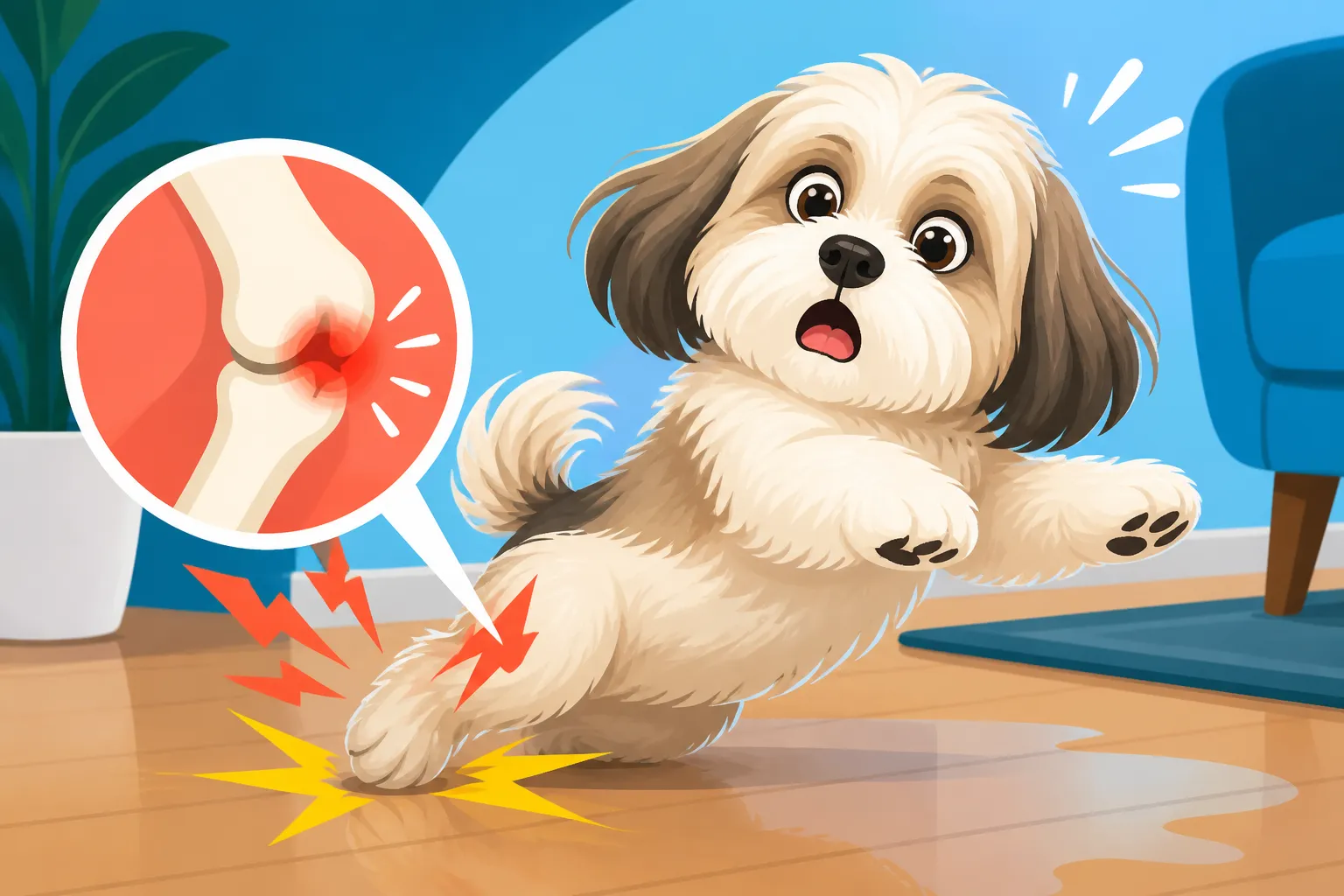
It's heartbreaking to watch your lively Havanese suddenly take an odd skip, maybe hold up a back leg for a few steps, or even let out a little yelp of discomfort. That momentary hitch in their otherwise joyful stride can send a jolt of worry through any Havanese parent, and for many, it’s the first sign of a common condition known as luxating patella, or a slipping kneecap. This comprehensive guide is here to shed light on what’s happening when those little knees decide to go rogue, how to manage it, and what you can do to help your beloved companion lead a comfortable life.
The Frustration of a Skipping Step: Understanding Luxating Patella in Havanese
You’ve probably seen it – that distinctive skip, a momentary three-legged hop, followed by a shake and a return to normal. It’s unsettling, isn’t it? For Havanese owners, this scene is often a familiar, and frustrating, introduction to the world of luxating patella. This isn't just an occasional awkward step; it's a structural issue that can range from a minor inconvenience to a significant source of pain and mobility problems if left unaddressed.
What Exactly is a Luxating Patella?
Let's break it down. "Luxating" means out of place, and "patella" is simply the medical term for kneecap. So, a luxating patella is a kneecap that slips out of its normal groove on the thigh bone (femur). Imagine a train running off its tracks – that's essentially what happens with a luxating patella. In dogs, this usually happens on the inside (medial) of the leg, but it can also slip to the outside (lateral). The kneecap is a vital part of the stifle joint (the knee), playing a crucial role in leg extension. When it pops out, it can cause pain, hinder movement, and over time, lead to more severe orthopedic issues like arthritis.
The kneecap is actually quite small, shaped like a little oval bone, and it sits within the patellar tendon, connecting the large thigh muscles to the shin bone (tibia). As your Havanese bends and straightens its knee, the patella should glide smoothly up and down a shallow groove in the femur, called the trochlear groove. When this groove isn't deep enough, or if the attachment points of the muscles and tendons are misaligned, the kneecap can easily jump out. This isn't just a random event; it's often a congenital or developmental condition, meaning it's something your Havanese might be predisposed to from birth.
Why Havanese are Prone to Slipping Kneecaps
It often feels unfair when our small breeds face such common health challenges, and luxating patella is certainly one of them. Havanese, like many other toy and small breed dogs such as Chihuahuas, Pomeranians, and Yorkshire Terriers, have a genetic predisposition to this condition. This means it's often passed down through generations, making responsible breeding practices absolutely critical. The specific anatomical differences in these smaller breeds contribute significantly to their vulnerability.
One primary reason lies in the way their hind legs develop. Often, the trochlear groove in the femur is too shallow, almost flat, offering little to no guidance for the patella. Compounding this, the bones of the leg might not align perfectly. The tibia, for instance, might be rotated inwards, pulling the patellar tendon and, subsequently, the kneecap out of alignment. Over time, the repeated "popping" and "re-seating" of the kneecap can wear away cartilage, cause inflammation, and ultimately lead to painful arthritis in the joint. It's a progressive condition that can worsen with age and activity, making early detection and management so important for their long-term comfort and mobility.
The Different Degrees of Patellar Luxation
Not all slipping kneecaps are created equal, and understanding the different grades of luxation is key to grasping the severity of your Havanese’s condition. Vets typically use a grading system from I to IV, with Grade I being the mildest and Grade IV the most severe. This system helps determine the best course of action and what kind of prognosis you can expect. It’s worth remembering that a Havanese can have different grades in each knee, so a thorough examination of both hind legs is always necessary.
- Grade I: This is the mildest form. The kneecap can be manually luxated (pushed out of place) by a vet but will spontaneously return to its normal position. Your Havanese might show an occasional skip or limp, especially after exercise, but often won't exhibit significant pain or persistent lameness. Many dogs with Grade I may not even be noticed by their owners unless the vet performs a specific manipulation during a routine check-up.
- Grade II: In Grade II luxation, the kneecap slips out of its groove more frequently, either on its own or with manual manipulation, and may stay out for a short period. It will usually return to its normal position, sometimes with a little "kick" motion from your dog, or when the leg is extended. You'll likely notice the classic "skip and kick" gait more often with a Grade II luxation. Over time, this repeated slipping can cause wear and tear on the joint.
- Grade III: This is a more serious stage where the kneecap is almost always luxated (out of place) but can be manually repositioned by a vet. However, it will slip out again almost immediately once the manual pressure is released. Dogs with Grade III luxation often have a persistent crouched or "bow-legged" stance, and a noticeable limp or abnormal gait becomes more common. The constant displacement leads to significant discomfort and progressive arthritic changes.
- Grade IV: This is the most severe form. The kneecap is permanently luxated and cannot be manually repositioned into the trochlear groove. The groove itself is often extremely shallow or non-existent, and the leg bones may be significantly deformed. Dogs with Grade IV luxation will typically have severe lameness, difficulty walking, and often walk with their knees bent and their weight shifted to their front legs. This grade almost always requires surgical intervention to improve quality of life.
Understanding these grades is crucial because it helps you and your vet make informed decisions about whether intervention, like surgery, is immediately necessary, or if conservative management is a reasonable first step. You can read more about Grading a Havanese's Luxating Patella.
Spotting the Tell-Tale Signs: Recognizing a Slipping Kneecap
It's natural to miss the early, subtle signs of a luxating patella, especially with such a playful and resilient breed as the Havanese. They're often so eager to please and engage that they'll try to hide discomfort. However, as a dedicated Havanese owner, being observant of their movements and behavior is your best tool for early detection. The sooner you notice something's amiss, the sooner you can seek veterinary help and start a management plan.
The Classic "Skip and Kick" Gait
If you've spent any time with a Havanese that has a luxating patella, you're likely familiar with this iconic movement. Your dog will be trotting along, seemingly perfectly fine, and then suddenly, they'll pick up one of their back legs, perhaps giving it a little shake or "kick" motion, hold it for a step or two, and then put it back down as if nothing happened. This is the hallmark sign, the moment the kneecap has slipped out of its groove, causing the leg to essentially "lock up" in a bent position. The "kick" is their way of trying to jolt the kneecap back into place.
This skip can be incredibly sporadic at first. It might happen only when they're particularly excited, or after a burst of running. As the condition progresses, or if it's a higher grade of luxation, you might notice this skip becoming more frequent and sometimes accompanied by a visible flinch or vocalization of pain. Pay close attention during walks, when they're playing, or even just when they're navigating around the house. The frequency and duration of these episodes can be good indicators of the severity. This particular movement is often referred to as The Skip That Means a Havanese's Knee Has Gone.
Other Subtle Clues and Changes in Movement
While the "skip and kick" is the most famous symptom, it's not the only one. Sometimes, the signs can be much more subtle, especially in the early stages. For instance, you might notice your Havanese seems a bit reluctant to jump onto the couch or bed, something they used to do without a second thought. They might hesitate before going up or down stairs, or appear a bit stiff after resting. These are all clues that their knees might be bothering them.
Look for a general change in their posture or how they carry themselves. Dogs with luxating patella might shift their weight to one side, or hold their hind legs in a slightly abnormal, bow-legged, or knock-kneed stance. They might avoid putting full weight on a particular leg, even if they aren't visibly limping. You might also observe reduced activity levels, a decreased interest in playing fetch, or a general slowing down. Any persistent or recurring lameness, even if mild, should prompt a vet visit. Some owners report a clicking sound when their dog walks, though this is less common and usually associated with more severe cases or secondary arthritis.
When to Be Concerned and Seek Veterinary Advice
If you notice any of these signs, even if they seem minor or infrequent, it's always best to consult your veterinarian. Don't wait for the condition to become severe or for your Havanese to be in obvious, constant pain. Early diagnosis can lead to more effective conservative management strategies and potentially delay or even prevent the need for surgery. It also helps manage any associated pain more promptly, improving your dog's quality of life.
During your vet visit, be prepared to describe in detail what you've observed: when the skipping happens, how often, if it's worse after certain activities, and if your dog shows any signs of pain. Even if the skipping isn't happening in the examination room, your detailed observations are invaluable. Your vet will perform a thorough physical examination, including palpating the knees and manipulating the legs to assess patellar stability. This initial assessment is crucial for confirming a diagnosis and determining the grade of luxation.
Navigating the Vet Visit: Diagnosis and Grading
The initial vet visit for a suspected luxating patella can feel a bit daunting. You’re worried about your Havanese, and you want answers and a clear path forward. Rest assured, your veterinarian is well-equipped to diagnose this condition, and their careful examination will be the cornerstone of understanding what's going on with your furry friend's knees. It’s a process that involves a hands-on assessment, and often, imaging to get a full picture.
What to Expect During a Physical Examination
When you bring your Havanese in, your vet will start with a general physical examination, observing their gait as they walk around the room. They'll be looking for that characteristic skip, any signs of lameness, or abnormal posture. Then, they’ll move to a more focused orthopedic exam. This is where they'll carefully feel your dog's kneecaps and manipulate the legs.
During this part of the exam, the vet will gently extend and flex your Havanese’s knee joint, while applying light pressure to the kneecap. They are trying to see if the patella can be manually moved out of its trochlear groove, and if so, how easily it luxates and whether it returns to its normal position on its own. They'll also check for any swelling, pain response, or crepitus (a crackling sound or sensation) within the joint, which can indicate cartilage damage or arthritis. This hands-on method is surprisingly effective for diagnosing luxating patella and assigning an initial grade. A skilled veterinarian can often tell a great deal just from this physical palpation, determining if one or Whether Both of a Havanese's Knees Go.
The Importance of X-rays and Advanced Imaging
While a physical exam can give a strong indication of luxating patella and its grade, X-rays are often recommended to provide a more complete picture of the underlying bone structure. X-rays can help confirm the diagnosis, assess the depth of the trochlear groove, and identify any angular limb deformities that might be contributing to the luxation. They also allow the vet to check for signs of arthritis, which is a common secondary complication of chronic patellar luxation.
In some cases, especially if surgery is being considered or if there are other complex orthopedic issues, your vet might recommend more advanced imaging like a CT scan. A CT scan provides a much more detailed 3D view of the bones and joints, which can be invaluable for surgical planning. While these additional diagnostics add to the cost, they are crucial for a precise diagnosis and for crafting the most effective treatment plan tailored to your Havanese’s specific needs. They help ensure that any intervention, whether conservative or surgical, is based on a full understanding of the anatomical issues at play.
Understanding Your Havanese's Patella Grade
Once the physical exam and any necessary imaging are complete, your vet will assign a grade to your Havanese’s luxating patella, typically using the I-IV scale we discussed earlier. This grade is incredibly important because it dictates the recommended course of action. A Grade I might warrant a "watch and wait" approach with conservative management, while a Grade III or IV will almost certainly lead to a discussion about surgical correction.
The vet will explain what their findings mean for your dog. For example, a Grade I might mean you focus on weight management and joint supplements. A Grade II might still lean towards conservative care, but with closer monitoring for progression. If your Havanese has a Grade III or IV, the conversation will likely shift to the benefits and considerations of surgery, as these higher grades often cause persistent lameness and pain, significantly impacting quality of life. Understanding which grade needs intervention is paramount; you might want to look into Which Patella Grade Needs Surgery in a Havanese for more details. Don't hesitate to ask questions until you fully understand the diagnosis and the rationale behind the recommended treatment plan.
Non-Surgical Paths: Managing Mild Luxating Patella
Finding out your Havanese has a luxating patella can be worrying, but it's important to remember that surgery isn't always the immediate answer, especially for lower-grade cases. Many Havanese with Grade I or even some Grade II luxations can live comfortable, happy lives with a thoughtful approach to conservative management. The goal here is to minimize discomfort, prevent progression, and support overall joint health without invasive procedures.
Weight Management and Controlled Exercise
One of the most impactful things you can do for a Havanese with a luxating patella is to ensure they maintain a lean, healthy weight. Every extra pound puts additional stress on their joints, exacerbating any existing instability in the knee. Think of it like carrying a heavy backpack all day – it makes every step harder. Your vet can help you determine the ideal weight for your Havanese and recommend a suitable diet plan. Even a slight reduction in weight can make a significant difference in their comfort level and the frequency of luxation episodes. If you're wondering Whether a Havanese Should Be Kept Slim for Its Joints, the answer is a resounding yes!
Beyond weight, careful management of exercise is crucial. While it might seem counterintuitive, avoiding all activity isn't the answer. Instead, focus on low-impact, controlled exercise that strengthens the muscles supporting the knee joint without putting undue strain on it. Short, leash-led walks on soft, even surfaces are much better than vigorous running or jumping. Swimming can be an excellent option as it builds muscle without impact. Avoid activities that involve sudden stops, starts, or twisting motions. The key is moderation and consistency, building up strength gradually to provide better stability for the kneecap.
Joint Supplements and Physical Therapy
Many Havanese owners turn to joint supplements to support their dog's knee health. Ingredients like glucosamine, chondroitin, and MSM are popular choices, known for their anti-inflammatory properties and ability to support cartilage health. Omega-3 fatty acids, often found in fish oil, can also help reduce inflammation throughout the body, including in the joints. While supplements aren't a cure, they can certainly help manage discomfort and support the long-term integrity of the joint. Always discuss any supplements with your vet to ensure they're appropriate for your Havanese and won't interact with any other medications. Whether Joint Supplements Help a Havanese is a common question, and for many, they are a valuable part of conservative care.
Physical therapy, or canine rehabilitation, is another incredibly beneficial non-surgical approach. A certified canine rehab therapist can design a personalized program to strengthen the muscles around the knee, improve range of motion, and teach you specific exercises to do at home. This might include therapeutic exercises, hydrotherapy (underwater treadmill), massage, or even laser therapy. These interventions aim to improve muscle mass and joint stability, which can effectively reduce the frequency and severity of luxation episodes, making your Havanese more comfortable day-to-day.
Environmental Adjustments to Protect Joints
Your home environment can play a big role in protecting your Havanese's knees. Start by assessing your floors. Slippery surfaces, like hardwood or tile, can make it difficult for your dog to get good traction, leading to slips and falls that can exacerbate a luxating patella. Consider placing rugs or runners in high-traffic areas to provide better grip. You can also explore options like paw grips or booties to give them extra traction. If you're worried about Whether Slippery Floors Hurt a Havanese, making these small changes can offer peace of mind.
Another critical adjustment involves managing access to furniture and stairs. Havanese love to jump up on couches and beds to be close to their people, but repeated jumping, especially off high surfaces, puts immense strain on their knees. Invest in pet ramps or steps for furniture. This allows them to safely access their favorite cuddle spots without the jarring impact of jumping. Similarly, limit stair use if possible, or carry them up and down. Think about Whether a Havanese Should Use Steps to the Couch – the answer is yes, absolutely! Small efforts to modify their environment can significantly reduce the risk of further injury or increased pain.
Considering Surgery: When It's the Best Option
For many Havanese with luxating patella, especially those with Grade III or IV, or those with lower grades experiencing significant pain or lameness that doesn't respond to conservative management, surgery becomes the most effective and often necessary solution. The thought of surgery for your little companion can be scary, but advances in veterinary orthopedic medicine mean that success rates are very high, often leading to a vast improvement in quality of life.
Different Surgical Techniques for Patellar Correction
There isn't a single "one size fits all" surgery for luxating patella; rather, a skilled veterinary orthopedic surgeon will choose the best approach based on your Havanese's specific anatomy and the nature of their luxation. The goal of all these procedures is to realign the kneecap so it stays securely in its groove.
- Trochlear Groove Deepening (Trochleoplasty): This is one of the most common techniques. As the name suggests, the surgeon deepens the trochlear groove in the femur. This can be done by removing a wedge of bone from the groove (wedge recession) or by deepening the groove through a cartilage flap technique. A deeper groove provides a more secure channel for the patella to glide in.
- Tibial Tuberosity Transposition: If the patellar tendon attaches to the tibia in a misaligned position, it can pull the kneecap out of place. In this procedure, the surgeon carefully cuts the part of the tibia where the patellar tendon attaches (the tibial tuberosity) and re-pins it to a new, correctly aligned position. This redirects the pull of the quadriceps muscle, allowing the patella to track properly.
- Lateral Imbrication: This technique involves tightening the soft tissues on the side of the knee joint opposite to where the kneecap is luxating. For medial luxation, the lateral (outside) tissues are tightened to help keep the patella centered. Sometimes, the medial (inside) soft tissues are also released to reduce tension that pulls the patella inward.
- Fascial Release: In cases where soft tissue constriction is a primary factor, the surgeon may release restrictive tissues to allow the patella more freedom to sit correctly.
Often, a combination of these techniques is used to achieve the best possible outcome. Your surgeon will explain which specific procedures are recommended for your Havanese and why.
The Surgical Process and What Recovery Entails
Before surgery, your Havanese will undergo pre-operative blood tests and a thorough physical exam to ensure they are healthy enough for anesthesia. The surgery itself is performed under general anesthesia, and your Havanese will typically stay at the veterinary hospital for 1-3 days for initial pain management and monitoring. Post-operative care is critical for a successful recovery.
The recovery period is typically several weeks long and requires strict adherence to your vet's instructions. This usually involves:
- Pain Management: Your Havanese will be sent home with pain medication, and sometimes anti-inflammatory drugs, to keep them comfortable.
- Rest and Restricted Activity: This is perhaps the most important part of recovery. Your dog will need strict cage rest or confinement to a small area for several weeks, with only short, supervised leash walks for potty breaks. Absolutely no jumping, running, or rough play. This prevents damage to the healing tissues and bones. You might want to consider Whether Jumping Off the Bed Hurts a Havanese as part of pre- and post-op care.
- Physical Therapy: Many vets recommend or refer to a canine rehabilitation specialist for post-operative physical therapy. This helps regain muscle strength, range of motion, and proper gait. Exercises start very gently and gradually increase in intensity over weeks or months.
- Follow-up Appointments: Regular check-ups with your vet will be necessary to monitor healing, remove sutures (if applicable), and assess progress. X-rays may be taken to confirm proper healing.
The full recovery can take anywhere from 8 to 12 weeks, sometimes longer, depending on the severity of the original luxation and the specific surgical techniques used. Patience and diligence during this period are paramount for the best long-term results.
Potential Complications and Long-Term Outcomes
While luxating patella surgery has a very high success rate – often exceeding 90-95% – it's important to be aware that, like any surgical procedure, there are potential complications. These can include infection, implant failure (if pins or wires were used), re-luxation of the patella, or nerve damage. Thankfully, serious complications are rare, especially when performed by an experienced orthopedic surgeon.
In the long term, most Havanese recover extremely well from surgery and regain excellent use of their leg, often without any noticeable lameness. Many owners ask Whether Knee Surgery Fixes a Havanese for Good. While surgery significantly improves the stability of the knee, it doesn't entirely eliminate the risk of arthritis development later in life, especially if significant cartilage damage was present before surgery. Therefore, ongoing joint support, weight management, and controlled exercise remain important throughout your Havanese's life. Regular vet check-ups will help monitor their joint health and address any signs of arthritis promptly, ensuring their continued comfort.
Living with Luxating Patella: Long-Term Care and Quality of Life
Whether your Havanese manages their luxating patella conservatively or undergoes surgery, the condition often requires ongoing attention and care throughout their life. It's not usually a "fix it and forget it" situation. Your goal as an owner is to ensure your Havanese maintains the best possible quality of life, minimizing pain and maximizing their mobility and happiness. This means a commitment to consistent management and a keen eye for any changes.
Ongoing Monitoring and Pain Management
Even after successful surgery or if managing a mild case non-surgically, regular monitoring of your Havanese's gait and comfort level is essential. Keep an eye out for any return of the skip, new lameness, stiffness, or reluctance to engage in activities they once enjoyed. These can be signs of worsening luxation or the onset of arthritis. Regular veterinary check-ups are important for your vet to assess the joint and address any developing issues.
For pain management, especially as they age, many Havanese will benefit from a multi-modal approach. This might include continued use of joint supplements, as discussed earlier. For more persistent pain, your vet might prescribe non-steroidal anti-inflammatory drugs (NSAIDs) or other pain relievers. These medications can significantly improve their comfort and mobility, allowing them to remain active. Acupuncture, therapeutic laser, and other complementary therapies can also be explored as part of a holistic pain management strategy, offering additional relief for conditions like Arthritis in a Havanese at Twelve.
Maintaining an Active Yet Safe Lifestyle
It's tempting to overly protect a Havanese with knee issues, but complete inactivity can actually be detrimental, leading to muscle loss and weight gain, which further stresses the joints. The key is balance: maintaining an active lifestyle within safe parameters. Continue with those controlled, leash-led walks on appropriate surfaces. Short, frequent walks are often better than one long, strenuous outing.
Encourage gentle play that doesn't involve high-impact movements. Puzzle toys and interactive games that stimulate their minds are excellent ways to keep them engaged without physical strain. Consider activities like canine massage or passive range of motion exercises at home, as guided by a physical therapist or vet, to maintain flexibility and muscle tone. The aim is to strengthen the muscles that support the knee, ensuring they have the best possible stability without risking injury. A well-managed Havanese can still enjoy a very full and active life.
The Emotional Toll on Owners and Dogs
Caring for a dog with a chronic condition like luxating patella can take an emotional toll on both the owner and the dog. Owners often feel guilty, worried, or frustrated when they see their beloved pet struggling. It's important to acknowledge these feelings and remember that you are doing everything you can to provide the best care. Your Havanese also senses your emotions, so staying positive and consistent in their care is beneficial for them.
Dogs, especially Havanese, are incredibly resilient, but persistent pain or limited mobility can affect their mood and energy levels. They might become a bit more withdrawn or less enthusiastic about their usual activities. Providing them with comfortable resting spots, gentle attention, and opportunities for mental stimulation can help keep their spirits high. Celebrate their good days and be patient and understanding on their tougher ones. The bond you share with your Havanese is a powerful part of their healing and well-being, and your unwavering support makes a world of difference.
Proactive Measures: Breeding and Prevention
While we can't completely eliminate the risk of luxating patella in a breed like the Havanese, which has a genetic predisposition, there are certainly steps we can take, especially at the breeding stage, to significantly reduce its prevalence. For prospective puppy owners, being informed and choosing a responsible breeder is paramount in starting with the healthiest possible foundation for your furry family member.
The Role of Responsible Breeding and Health Screening
Responsible breeders are the first line of defense against inherited conditions like luxating patella. They are committed to improving the health of the breed, not just producing puppies for profit. A responsible Havanese breeder will meticulously health test their breeding stock before ever considering a litter. For luxating patella, this involves having a veterinarian perform a specific orthopedic examination to check for patellar stability, usually after the dog is one year old. The results of this examination can then be submitted to organizations like the Orthopedic Foundation for Animals (OFA) for certification.
The OFA issues certifications for patellar luxation, grading the knees as "normal," "luxating Grade 1," "luxating Grade 2," or "luxating Grade 3." Responsible breeders will only breed dogs with "normal" patella certifications. Breeding dogs with any degree of luxation, even a mild one, increases the likelihood of passing the predisposition to their offspring. By prioritizing health screenings and transparency, these breeders play a crucial role in reducing the incidence of painful and costly conditions for future Havanese generations. Looking at The Health Tests Both Havanese Parents Should Have is a must for any serious buyer.
Choosing a Havanese Puppy: Questions to Ask Breeders
When you’re looking for a Havanese puppy, don't be shy about asking your breeder tough questions about health. A good breeder will welcome your inquiries and be transparent about their breeding practices and the health history of their dogs. Here's what you should specifically ask regarding luxating patella:
- "Can I see the OFA certifications for both parents for patellar luxation?" This is non-negotiable. Breeders should have official documentation, not just tell you the parents are "fine." You should specifically look for "OFA Normal" results for both the sire and the dam.
- "What is the history of luxating patella in your breeding lines?" Even with health testing, some genetic predispositions can run in families. A reputable breeder will be honest about any instances of luxating patella in previous generations or litters and explain how they manage this in their program.
- "What other health clearances do you perform?" Beyond patellas, good breeders will also screen for other Havanese health concerns like eye diseases, congenital deafness, and cardiac issues. This holistic approach ensures you’re getting a puppy from parents with a comprehensive health history. You can find more information about how this helps breeders show transparency in Whether a Havanese Breeder Should Show CHIC Numbers.
- "What are the terms of your health guarantee for genetic conditions?" A responsible breeder will offer a health guarantee, often for a specified period (e.g., 1-2 years), covering genetic health issues like severe luxating patella that require surgery. Understand what this guarantee entails before you commit.
Early Intervention and Puppy Care
Even with the most responsible breeding, there’s no 100% guarantee that a Havanese won't develop a luxating patella. However, good early care can help minimize risks and severity. When your Havanese is a puppy, ensure they are fed a high-quality, balanced diet appropriate for their growth stage, preventing them from growing too quickly or becoming overweight. These factors can sometimes exacerbate genetic predispositions.
Monitor your puppy’s activity levels and gait. While puppies are naturally clumsy, persistent limping or frequent skipping warrant a vet visit. Teach your puppy to use ramps or steps for furniture from a young age to protect their developing joints. Avoid excessive jumping or rough play that could put undue stress on their knees during their crucial growth period. The foundation you lay in puppyhood for their overall health and joint care can make a significant difference in their long-term well-being.
The Cost Factor: Financial Considerations and Pet Insurance
No one likes to think about their beloved Havanese needing expensive medical care, but luxating patella, especially if it requires surgery, can come with a significant price tag. Being prepared for these potential costs is an important part of responsible pet ownership. Understanding the financial implications, and exploring options like pet insurance, can help alleviate some of the stress when faced with these decisions.
Estimating the Costs of Diagnosis and Treatment
The cost of dealing with a luxating patella in your Havanese can vary widely depending on the severity of the condition, whether one or both knees are affected, the diagnostic procedures chosen, and the specific treatment plan.
- Initial Vet Visit & Diagnosis: A comprehensive orthopedic exam might range from $50-$150. If X-rays are recommended, add another $150-$400, depending on the number of views and if sedation is required.
- Conservative Management: If your Havanese has a mild case and avoids surgery, ongoing costs might include:
- Joint supplements: $20-$60 per month.
- Prescription pain medication (if needed): $30-$100 per month.
- Physical therapy sessions: $50-$150 per session, often requiring multiple sessions.
- Environmental aids (ramps, rugs): $50-$300 one-time.
- Surgery: This is where costs can really climb. Patellar luxation surgery typically ranges from $1,500 to $4,000 per knee, but can sometimes be even higher in complex cases or in certain geographic areas (e.g., major metropolitan cities). This cost usually includes anesthesia, the surgical procedure itself, post-operative medications, and initial follow-up visits. If both knees need surgery, the costs can double, though sometimes surgeons offer a slight discount for doing both simultaneously if appropriate for the dog. When considering What Knee Surgery Costs a Havanese Owner, it’s clear that this is a significant financial commitment.
- Post-Surgical Rehabilitation: Physical therapy after surgery is often highly recommended and can add another $500-$2,000 or more, depending on the number of sessions and the type of therapy.
These costs can quickly add up, creating a substantial financial burden for owners who are unprepared.
How Pet Insurance Can Make a Difference
This is where pet insurance can be a real game-changer. Given the genetic predisposition of Havanese to conditions like luxating patella, investing in a good pet insurance policy when your dog is young and healthy can provide invaluable peace of mind. Policies typically cover a significant percentage (often 70-90%) of eligible veterinary expenses once your deductible is met.
However, it's crucial to understand that pet insurance generally does not cover pre-existing conditions. This means if your Havanese is diagnosed with luxating patella before you enroll in a policy, or during the waiting period, that specific condition (and often the other knee, if bilateral) will likely be excluded from coverage. This is why getting insurance early, ideally when they are a puppy, is so important. Companies like Healthy Paws are popular choices among pet owners for their comprehensive coverage, and they can significantly reduce out-of-pocket expenses for unexpected accidents and illnesses, including future orthopedic issues that aren't pre-existing. Understanding Whether Patella Trouble Is Excluded on a Havanese Policy is a critical part of choosing the right insurance.
Planning for Unexpected Veterinary Expenses
Even with pet insurance, there will always be deductibles, co-pays, and potentially some treatments not fully covered. If pet insurance isn't an option, or as a supplement to it, having an emergency fund specifically for your Havanese's health care is a wise decision. Consider setting aside a certain amount each month into a dedicated savings account. This way, if an unexpected vet bill arises, you're not scrambling to find the funds. You can find more information on Setting Money Aside for a Havanese's Vet Bills.
Another option is exploring payment plans offered by some veterinary clinics or third-party financing options like CareCredit. These plans allow you to pay for expensive treatments in installments, often interest-free for an introductory period. Ultimately, being financially prepared for the potential costs associated with conditions like luxating patella allows you to make treatment decisions based on what’s best for your Havanese, rather than being limited by financial constraints. Healthy Paws, for example, reimburses you quickly, helping manage the cash flow during stressful times.
| Patellar Luxation Grade | Symptoms Usually Observed | Recommended Treatment | Average Cost Range (USD) |
|---|---|---|---|
| Grade I | Occasional skip, no pain | Conservative (weight, supplements) | $20-60/month (supplements) |
| Grade II | Frequent skips, some pain | Conservative, consider surgery | $20-150/month, Surgery: $1,500-$4,000 |
| Grade III | Often luxated, noticeable limp | Surgery highly recommended | Surgery: $1,500-$4,000 |
| Grade IV | Permanently luxated, severe lameness | Surgery essential for mobility | Surgery: $1,500-$4,000+ |
Disclaimer
The information provided in this guide is for general informational purposes only and is not intended as a substitute for professional veterinary advice. Always consult with a qualified veterinarian for any health concerns or before making any decisions related to your Havanese's medical care.