Whether a Havanese Needs a Car Seat
Taking your beloved Havanese along for a car ride is wonderful, but the worry of their safety in a moving vehicle is very real. An unrestrained pup isn't just a distraction; they're incredibly vulnerable in the event of a sudden stop or accident. This guide explores why securing your Havanese in a car seat or other suitable restraint isn't just a good idea, but essential for their well-being and your peace of mind on every journey.
The Undeniable Need for Car Safety for Your Havanese
It’s tempting to just let your little Havanese ride on your lap or roam freely in the car, especially when they look up at you with those sweet, trusting eyes. However, this seemingly innocent practice can turn dangerous in a split second. A sudden brake, a sharp turn, or even a minor fender bender can send your small companion flying, causing severe injury to them or even to you. Beyond the immediate physical risks, an unrestrained dog can also be a significant distraction to the driver, leading to accidents that might otherwise be avoided.
Understanding the Risks of Unrestrained Travel
Imagine driving down the highway, and suddenly, a deer jumps out. Your immediate reaction is to slam on the brakes. If your Havanese is on your lap, they could be crushed by the airbag or thrown into the dashboard. If they’re loose in the back seat, they become a projectile, hitting windows or seats with force. Even less dramatic events, like swerving to avoid a pothole, can cause them to fall and injure themselves. Small dogs, with their delicate bones and relatively light weight, are particularly susceptible to these kinds of impact injuries. The heartache of such an incident is something no pet parent ever wants to face.
Beyond physical injury, an unrestrained dog can create dangerous distractions. A Havanese that suddenly decides to try and "help" you drive by nudging your arm, licking your face, or trying to get into the front footwell can instantly divert your attention from the road. This isn't just a minor annoyance; it’s a serious safety hazard for everyone in the vehicle and other drivers on the road. Many states have even started to introduce laws that specifically address distracted driving due to pets, recognizing this as a growing issue.
The Legal and Financial Implications
While specific laws vary greatly by region, some places now have regulations requiring pets to be restrained in vehicles, similar to child safety seat laws. Failing to comply could result in fines, and in the event of an accident, an insurance company might even question liability or coverage if an unrestrained pet contributed to the incident or caused additional damage. It’s always best to check your local laws to ensure you’re compliant, but more importantly, to ensure your Havanese is as safe as possible.
Consider too the financial burden of an injury. Emergency vet visits for trauma, fractures, or internal injuries can quickly escalate into thousands of dollars. While pet insurance providers like Healthy Paws can help alleviate some of that financial stress, prevention is always the best approach. Investing in a proper car restraint upfront is a small price to pay for your Havanese's safety and your peace of mind.
Exploring Different Car Restraint Options for Your Havanese
When it comes to securing your Havanese in the car, you have several excellent options, each with its own benefits. The key is to choose one that fits your dog’s size and temperament, as well as your vehicle and travel habits. There isn't a one-size-fits-all solution, so understanding the pros and cons of each is crucial.
Dedicated Car Seats and Booster Seats
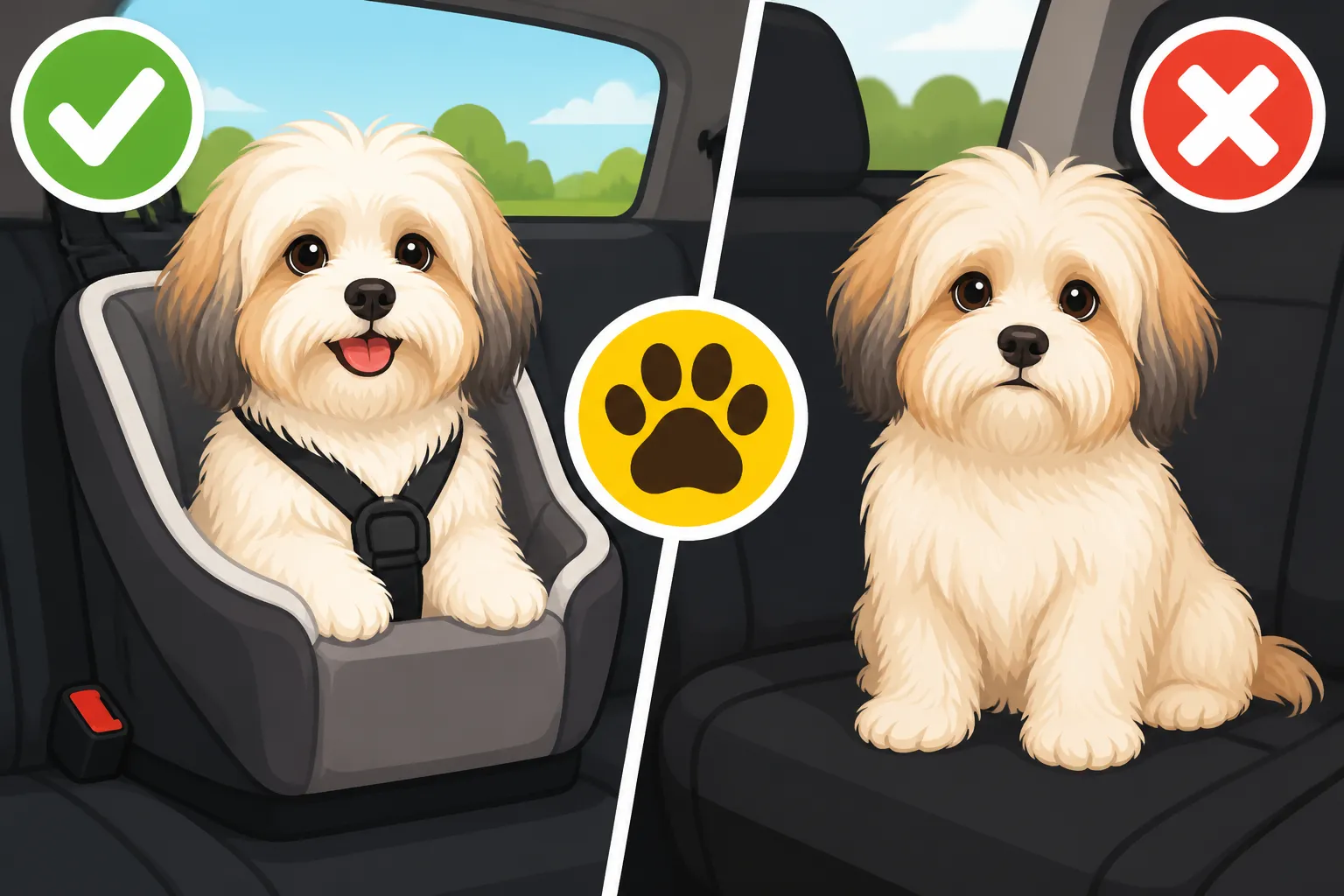
These are often the first thing people think of when discussing car safety for small dogs. Havanese car seats are typically designed to elevate your dog, allowing them to see out the window, which can reduce anxiety for some pups. They usually feature straps that secure the seat to your car's own seatbelt system, and an internal tether that clips to your Havanese's harness.
Elevated Booster Seats: These are fantastic for Havanese who love to look out the window. They sit high, often with a sturdy frame, and are secured by the car's seatbelt. Your dog wears a harness, and a short leash built into the booster seat clips to the harness, keeping them safely contained within the elevated area. This prevents them from moving around too much, but still gives them a sense of being part of the journey. Many Havanese, being naturally curious, absolutely thrive in these.
Standard Car Seats: These sit directly on the car seat but provide a cozy, contained space. They are still secured by the car's seatbelt and typically have an internal tether. While they don't offer the same elevated view, they provide a secure den-like environment, which can be comforting for dogs who prefer to curl up and sleep during rides. Some models even have soft, removable covers for easy cleaning, which is a big plus for dealing with muddy paws or car sickness.
Travel Crates and Carriers
For many Havanese owners, a travel crate or carrier is the go-to for car safety. Crates offer excellent containment and can provide a familiar, secure space that mimics their home crate, if they are already crate-trained. They are especially useful for longer journeys or for dogs who feel more secure in an enclosed space.
Hard-Sided Crates: These are generally the safest option for impact protection, provided they are properly secured in the vehicle. Look for crash-tested crates, which have been designed to withstand forces in an accident. They should be sized appropriately – large enough for your Havanese to stand up, turn around, and lie down comfortably, but not so large that they can be jostled around inside. Hard-sided crates should ideally be placed in the back seat or cargo area (if you have an SUV) and secured with seatbelts or cargo straps to prevent them from sliding or tipping. Whether a Havanese Settles in a Carrier can depend heavily on positive early experiences.
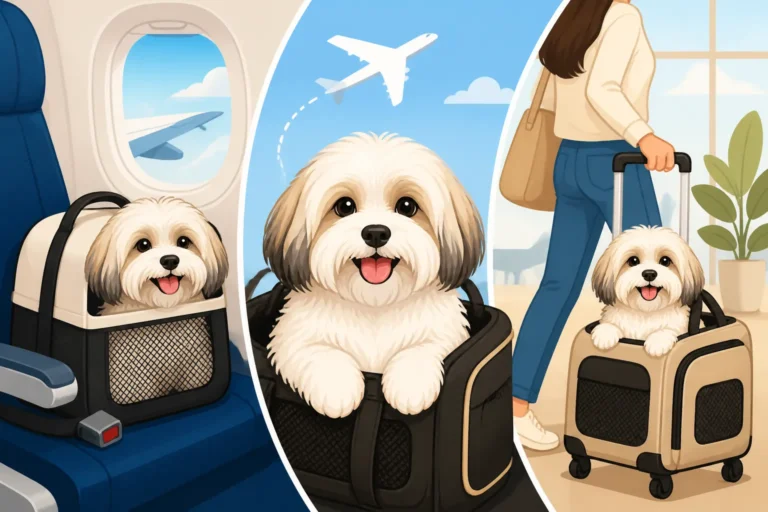
Soft-Sided Carriers: While more portable and comfortable for your Havanese during transport, soft-sided carriers offer less impact protection in a collision. They are generally better for short trips or for use on an airplane as a carry-on. If using one in the car, it's still crucial to secure it with a seatbelt. Make sure it’s one made for travel, with good ventilation and a sturdy, escape-proof zipper. Websites like Chewy offer a wide variety of both hard and soft carriers suitable for Havanese.
Safety Harnesses
A safety harness is another popular option, particularly for Havanese who might feel claustrophobic in a crate or car seat. These harnesses are specifically designed for car travel, differing from standard walking harnesses.
Crash-Tested Safety Harnesses: This is the critical distinction. A regular walking harness is not designed to absorb impact or prevent injury in an accident. A crash-tested car safety harness, however, has undergone rigorous testing (often similar to child safety seat tests) to ensure it can protect your dog during a collision. These harnesses are typically worn by your Havanese and then attach directly to the car's seatbelt system, either by threading the seatbelt through loops on the harness or by clipping to the seatbelt buckle. They distribute impact forces across your dog's chest and back, minimizing strain on their neck. Remember, never use a collar for car restraint, as a sudden stop could cause severe neck or tracheal injury. Whether a Havanese Should Wear a Harness is important to consider for both car safety and general walks.
Choosing the Right Car Seat or Restraint for Your Havanese
Selecting the perfect car restraint involves more than just picking the cutest one. You need to consider your Havanese’s size and personality, your vehicle’s layout, and the type of travel you typically do. Taking the time to evaluate these factors will lead to a choice that prioritizes safety and comfort.
Size and Weight Considerations
Havanese are a toy breed, typically weighing between 7 to 13 pounds. This small stature means they need a restraint designed for their specific size. A car seat or crate that's too large won't provide adequate containment or protection, allowing them to be jostled excessively. Conversely, something too small will be uncomfortable and could cause them stress.
When choosing a car seat, look for models specifically labeled for small dogs, often with weight limits clearly stated. For crates, ensure your Havanese can stand up, turn around, and lie down naturally without excessive extra space. A common mistake is getting a crate that’s too big, thinking it offers more room, but in a collision, the extra space allows for more momentum before impact, increasing injury risk.
| Restraint Type | Pros | Cons | Best For |
|---|---|---|---|
| Elevated Car Seat | Gives dog a view, reduces anxiety, secured to car. | Less crash-tested options, dog is somewhat exposed. | Curious Havanese who love seeing out, short to medium trips. |
| Standard Car Seat | Secure, cozy, internal tether, secured to car. | No elevated view, less crash-tested options. | Havanese who prefer a den, want to curl up, short to medium trips. |
| Hard-Sided Crate | Excellent impact protection (especially crash-tested), familiar den. | Takes up more space, can be bulky, less visibility for dog. | Long trips, dogs needing secure enclosure, highest safety priority. |
| Soft-Sided Carrier | Portable, lightweight, comfortable for transport. | Minimal crash protection, best for non-impact scenarios. | Short trips, air travel (as carry-on), easily moved. |
| Crash-Tested Harness | Allows dog to lie/sit naturally, flexible, distributes impact. | Dog is still exposed, needs proper fit, can be chewed if anxious. | Havanese who don't like confinement, active dogs, shorter trips. |
Behavioral Traits and Travel Habits
Does your Havanese get anxious in the car? Do they love to look out the window, or do they prefer to hide under a blanket? Their personality will heavily influence which restraint works best.
- Window Enthusiasts: For the Havanese who lives for window-gazing, an elevated car seat is often a fantastic choice. It satisfies their curiosity and helps them feel engaged in the journey, potentially reducing boredom or anxiety that might come from being unable to see.
- Anxious Travelers: If your Havanese gets nervous, a cozy, dark, familiar crate might be more comforting. Cover the crate with a blanket to create a den-like atmosphere. You can also place a favorite blanket or toy inside to make it more inviting. Traveling With a Havanese can be stressful for some, so comfort is key.
- Crate Trained Pups: If your Havanese is already happily crate trained at home, extending that positive association to a car crate is a natural fit. They'll see it as their safe space, even on the road.
- Active or Destructive Chewers: Some Havanese get bored or anxious and try to chew their way out. In these cases, a sturdy hard-sided crate is usually the safest bet. A soft carrier or even a car seat with fabric straps might not stand up to determined chewing. You can also explore options from Chewy that are known for durability.
Vehicle Compatibility and Installation
Before you buy, make sure the restraint will fit properly and can be securely installed in your vehicle.
- Car Seats: Check how the car seat attaches. Does it use the vehicle's seatbelt system? Does it require latch points? Ensure your car has the necessary hooks or belt paths. Also, consider the size of the car seat itself – will it comfortably fit in the back seat without being too cramped or blocking access?
- Crates: Measure your car's back seat or cargo area carefully. A crate that's too wide or too tall might not fit, or it might obstruct your view. If you have an SUV, make sure the crate can be secured to the cargo tie-downs. For sedans, a properly secured crate on the back seat is vital. What a Carrier for a Havanese Costs can vary greatly depending on size and features, so research is important.
Always follow the manufacturer's instructions for installation precisely. A poorly installed restraint, even a high-quality one, offers little protection.
Making Car Travel a Positive Experience for Your Havanese
Once you've chosen the right car restraint, the next step is to introduce it to your Havanese in a way that builds positive associations. Forcing them into an unfamiliar or scary device will only make car travel more stressful for everyone. With patience and positive reinforcement, your Havanese can learn to love their car seat and enjoy every adventure.
Gradual Introduction and Positive Reinforcement
Start by introducing the car seat or crate at home, in a low-stress environment. Place it in a living area and let your Havanese explore it on their own terms. Put their favorite blanket, a few treats, or a familiar toy inside. Encourage them with praise and gentle encouragement when they investigate or step into it.
- Treats and Praise: When they voluntarily go near or into the restraint, reward them immediately with high-value treats and enthusiastic praise. This creates a positive association: "Good things happen when I'm near/in this thing!"
- Short Sessions: Keep initial sessions very short, just a few minutes, gradually increasing the duration as your Havanese becomes more comfortable.
- Familiarity: Leave the restraint out for a few days so it becomes a normal part of their environment. You can even feed them their meals in or near it.
After they're comfortable with the restraint in the house, move it to the car, but don't turn the engine on yet. Repeat the positive reinforcement steps. Let them get in and out, give treats, and praise. This helps them associate the car (and the restraint) with good feelings, not just scary movement.
Short Trips and Desensitization
Once your Havanese is comfortable in the stationary car with the restraint, it’s time for very short trips.
- Engine On, No Movement: Start by just turning the engine on for a few minutes while they are safely secured. Reward calmness. Then turn it off and let them out.
- Driveway Rolls: Next, back out of the driveway and pull back in. Gradually extend this to a short trip around the block.
- Exciting Destinations: Make the destination something positive – a quick trip to the park, a visit to a friend's house, or even just a short walk somewhere new. This reinforces that car rides lead to fun things, not just vet visits (though those are important too!).
- Keep it Calm: Avoid loud music, sudden stops, or fast acceleration during these initial trips. The goal is to make the experience as smooth and stress-free as possible.
- Motion Sickness: Some Havanese are prone to motion sickness. Watch for signs like drooling, lip-licking, yawning, or restlessness. If you suspect motion sickness, talk to your vet. They might recommend anti-nausea medication or offer other tips. Keeping the car cool and well-ventilated can also help.
Remember that consistency is key. Every car ride, no matter how short, should involve the proper restraint. This establishes a routine and teaches your Havanese that car travel means being safely secured. It's a small effort that pays huge dividends in their safety and your peace of mind.
Disclaimer
This article is for general informational purposes only and does not constitute professional advice. Laws, prices and regulations vary by location and change over time. Consult a qualified professional for guidance on your specific situation.