Whether a Havanese Should Wear a Harness
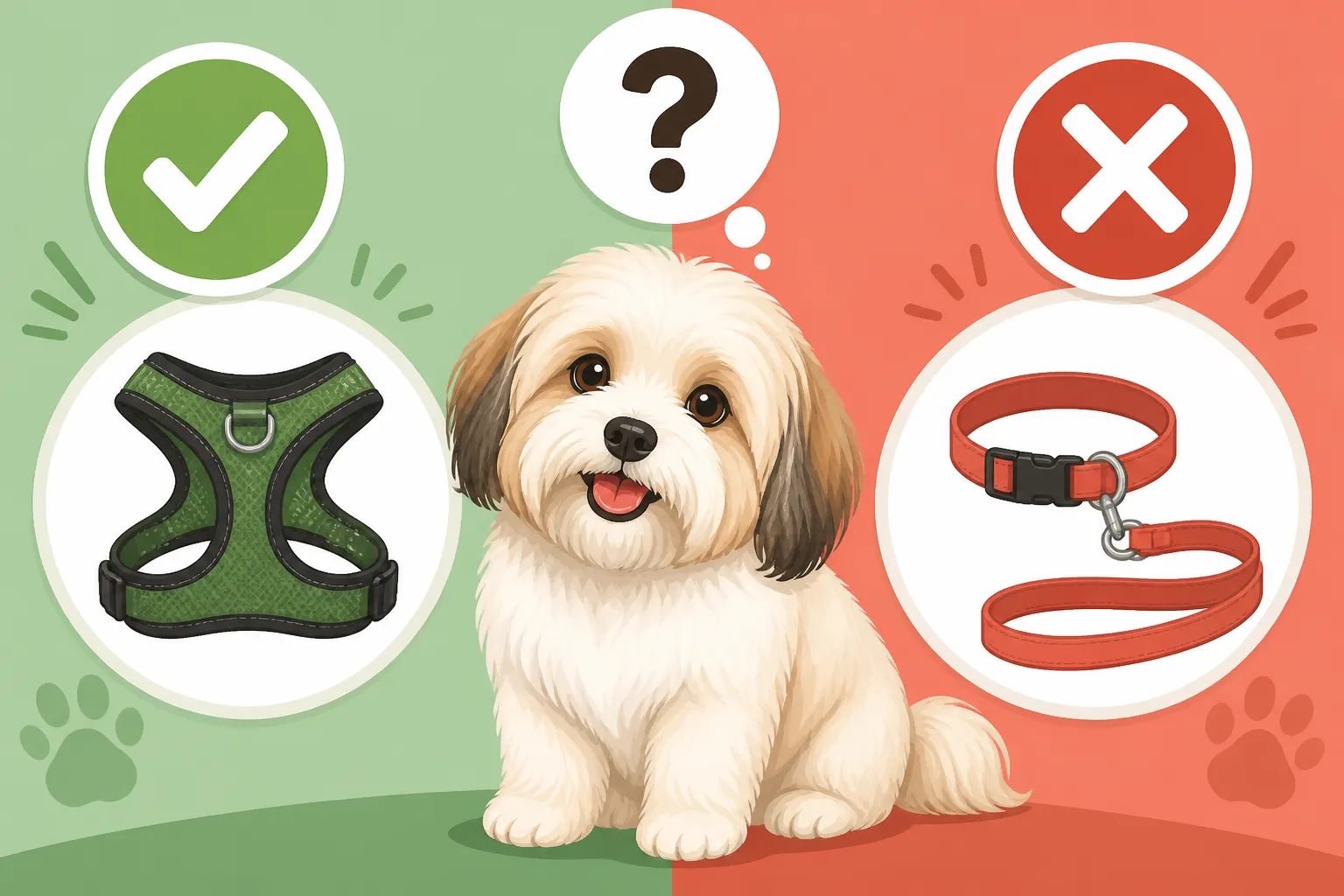
It’s a common worry for Havanese parents: that delicate little neck, so seemingly fragile, especially when your sweet pup is enthusiastically pulling on the leash during a walk. You’ve probably heard whispers or even outright warnings about collars and how they might pose a risk for smaller breeds. This guide dives deep into why many Havanese owners opt for harnesses, what to look for, and how to make the best choice for your beloved companion.
Understanding the Havanese Neck and Tracheal Concerns
Anyone who has spent time with a Havanese knows they are full of life, often a little dynamo despite their small stature. But this vivaciousness, combined with their anatomical makeup, can sometimes lead to concerns, particularly around their throat and neck area. Unlike larger breeds with more robust necks, toy breeds like the Havanese can be more susceptible to certain issues, making the choice of walking gear a critical one.
Why Small Breeds are Vulnerable
The Havanese, with its fine bone structure and compact size, simply isn't built to withstand sudden jerks or sustained pressure around the neck. Think about it: a collar, especially a narrow one, concentrates any pulling force into a very small area. If your Havanese gets excited by a squirrel, lunges at another dog, or simply decides to put the brakes on a walk, that force goes directly onto their trachea, larynx, and cervical spine. It’s not just about comfort; it’s about potential injury.
One of the most concerning conditions for toy breeds is Whether a Havanese Gets a Collapsing Trachea. This is a progressive disease where the cartilage rings that keep the windpipe open weaken and flatten, making it difficult for the dog to breathe. While not all Havanese will develop this, any repeated trauma or pressure to the neck area can exacerbate an existing predisposition or even contribute to its onset. Imagine trying to breathe through a flattened straw – that's what a collapsed trachea can feel like for your dog. Even without a full collapse, irritation can lead to a persistent cough, especially after exercise or excitement, which many owners might initially dismiss as just a "quirk."
Recognizing Signs of Neck Strain
How do you know if your Havanese is experiencing discomfort or strain from their collar? It’s not always obvious, especially with their long, flowing coats that can hide a lot. Keep an eye out for these subtle, and sometimes not-so-subtle, indicators:
- Frequent Coughing or Gagging: This is a big red flag, particularly if it happens during or after walks. It might sound like a honking goose.
- Difficulty Breathing: Shortness of breath, wheezing, or unusually noisy breathing can indicate tracheal irritation.
- Reluctance to Walk: If your typically eager Havanese is dragging their feet or trying to avoid the leash, it could be a sign of discomfort.
- Paw Swiping at the Neck: Your dog might repeatedly try to scratch or rub their neck area.
- Changes in Bark: A hoarse bark or a sudden inability to bark might point to damage to the larynx or vocal cords.
- Excessive Licking or Chewing at Paws: Sometimes discomfort in one area can manifest as stress behaviors in others. While not directly related to neck strain, it's worth noting changes in behavior.
It’s truly disheartening to think that something as simple as a walk could be causing our furry friends pain. This is why being observant and understanding the risks associated with traditional collars on small breeds is so important.
The Clear Advantages of a Harness for Your Havanese
Given the delicate nature of a Havanese's neck, choosing a harness often becomes the preferred, and frankly, safer, option for many owners. It’s not just about avoiding potential harm; it's about promoting comfort and control during those daily strolls, vet visits, and adventures.
Protecting the Trachea and Neck
The primary and most significant benefit of a harness is that it completely removes pressure from your Havanese’s neck and throat. Instead, the force is distributed across their chest, shoulders, and back, which are much stronger and less vulnerable areas. This is especially crucial for preventing or managing conditions like Whether a Havanese Gets a Collapsing Trachea. When your Havanese pulls, jumps, or makes sudden moves, the harness absorbs that impact safely.
For instance, imagine you're walking your Havanese, and a sudden loud noise startles them, causing them to lunge forward. With a collar, that lunge could result in a sharp yank on their throat, potentially damaging their trachea or even causing whiplash. With a well-fitted harness, that same sudden movement is cushioned and spread across their chest, protecting their vital structures. This peace of mind is invaluable, especially if your Havanese is particularly excitable or prone to pulling.
Enhanced Control and Safety
Beyond protecting their delicate anatomy, harnesses offer superior control, which is a huge bonus when you're out and about. Havanese are small, quick, and can be quite agile. A determined Havanese can sometimes slip out of a collar, especially if they back away from pressure or if the collar isn't perfectly snug. Losing your beloved Havanese, even for a moment, can be terrifying, particularly in an urban environment with traffic or in an unfamiliar park.
A properly fitted harness, especially one with multiple adjustable straps, is far more difficult for a dog to escape. It provides a more secure connection to your dog, allowing you to guide them safely without choking or stressing them. This improved control is also beneficial during training. If your Havanese is learning Whether a Havanese Can Do Scent Work or just basic leash manners, a harness allows for gentle guidance rather than sharp corrections that can hurt their neck. It’s about communication, not constriction. This added security can also be a comfort when considering things like pet insurance from providers like Healthy Paws, knowing you're proactively mitigating injury risks that might lead to vet visits.
Comfort for All Activities
Havanese dogs are adaptable and enjoy a variety of activities, from a leisurely walk around the block to accompanying you on errands. A well-designed harness is comfortable enough for extended wear, making it suitable for all their daily needs. Unlike a collar that can rub or irritate the sensitive skin on their neck if they pull, a harness distributes pressure evenly, preventing chafing or discomfort.
Consider a Havanese accompanying you on a longer outing, perhaps to a local cafe or a pet-friendly store. They might be on the leash for a longer period than a typical walk. A comfortable harness ensures they remain relaxed and happy, rather than constantly fussing with an irritating collar. For an older Havanese, or one with joint issues like those addressed in The Kneecaps a Havanese Slips, comfort during walks is paramount. A harness won't add any unnecessary strain or discomfort that could aggravate existing health conditions. It's an investment in their daily well-being and longevity.
Potential Downsides and Considerations with Harnesses
While harnesses offer significant advantages for Havanese, it's not a one-size-fits-all solution, and there are some important considerations to keep in mind. Understanding these potential drawbacks can help you choose the best harness and ensure your Havanese's comfort and safety.
Chafing and Coat Damage
One of the most common concerns for Havanese owners, especially those with dogs boasting that gorgeous, flowing coat, is the potential for chafing or matting. A harness, by its very nature, covers a larger surface area than a collar. If the harness isn't fitted correctly, or if the material isn't breathable and smooth, it can rub against your Havanese's delicate skin, causing irritation, bald spots, or even sores.
Furthermore, the constant friction from straps can lead to tangles and mats in their The Silky Double Coat a Havanese Grows to the Floor. This is particularly true in areas like the armpits, chest, and behind the ears where the harness often sits. To mitigate this, regular grooming is essential, focusing on brushing out areas under the harness daily. Look for harnesses made from soft, well-padded materials and ensure there's enough room for movement without excessive rubbing. Brands like Ruffwear and Kurgo often offer designs with careful padding and durable, yet gentle, fabrics that can help minimize these issues.
Improper Fit and Escape Risk
A poorly fitted harness can be just as problematic as a collar, if not more so. If it's too loose, your Havanese could easily wriggle out, turning that "secure" harness into a dangerous escape artist. This is particularly concerning given how quickly a Havanese can dart away, potentially into harm's way. Conversely, a harness that's too tight will cause discomfort, restrict movement, and lead to chafing, defeating the very purpose of choosing a harness.
Measuring your Havanese accurately before purchasing a harness is absolutely crucial. You'll need their girth (around the widest part of their rib cage, behind the front legs) and sometimes their neck circumference, depending on the harness style. Always follow the manufacturer's sizing guide. When fitting, ensure you can comfortably slide two fingers under all straps. Keep an eye on your Havanese's demeanor; if they're acting uncomfortable, itching, or trying to chew at the harness, it might be a sign of an improper fit. It's a bit like buying shoes for yourself – a good fit makes all the difference for comfort and function.
Initial Resistance and Training
Some Havanese, especially those not introduced to a harness early on, might initially resist wearing one. It’s a new sensation, and they might find it restrictive or simply strange. They might freeze, refuse to move, or try to chew it off. This isn't uncommon and doesn't mean a harness is a bad choice; it just means a little patience and positive reinforcement training will be needed.
Start by introducing the harness in a calm, positive way. Let them sniff it, reward them with treats. Then, gently put it on for short periods, indoors, followed by immediate praise and high-value treats. Take it off before they get uncomfortable. Gradually increase the time they wear it and then introduce short walks around the house or yard. Never force it, and always associate the harness with good things. This gradual process will help them accept it as a normal and comfortable part of their routine. This gentle approach ties in with positive training techniques often discussed when teaching your Havanese to lie still for grooming – it's all about making new experiences positive.
Choosing the Right Harness for Your Havanese
Selecting the perfect harness for your Havanese isn't just about picking a pretty color; it’s about finding a style and fit that maximizes comfort and safety while minimizing potential issues. With so many options on the market, it can feel a little overwhelming, but breaking it down can help.
Different Harness Types and Their Features
Harnesses come in various designs, each with its own benefits. Understanding these can help you narrow down your choices:
- Step-In Harnesses: These are popular for small dogs because they are easy to put on. Your Havanese simply "steps into" two leg holes, and then the harness clips over their back. They are generally lightweight and don't require going over the head, which some dogs dislike. However, some step-in designs might not offer as much chest coverage, and a determined escape artist could potentially wriggle out if not snugly fitted.
- Vest Harnesses: These are often made of soft, breathable mesh fabric, covering a larger portion of the chest and back. They distribute pressure exceptionally well and are usually very comfortable. Because they cover more area, they can be great for dogs prone to chafing from narrower straps. However, they can sometimes be warmer in hot weather, and for Havanese with very thick coats, they might cause more matting if not carefully managed.
- H-Harnesses (Standard Back-Clip): These harnesses have straps that form an 'H' shape over the back and chest, with a leash attachment point on the back. They offer good pressure distribution and are generally secure. They are a common and reliable choice.
- Front-Clip Harnesses: These harnesses have the leash attachment point on the dog's chest. They are designed to discourage pulling; when your dog pulls, they are gently redirected to the side, rather than pulling straight forward. This can be excellent for Havanese that are strong pullers, but you need to ensure the front clip doesn't interfere with their gait or cause chafing on their delicate front legs if not properly designed and fitted.
Consider your Havanese’s unique personality. If they’re a puller, a front-clip might be a godsend. If they’re sensitive to things going over their head, a step-in or vest style could be better.
Measuring for the Perfect Fit
I cannot stress this enough: measure, measure, measure! A harness is only as good as its fit. Here’s how to do it correctly:
- Chest Girth: This is the most crucial measurement. Use a soft tape measure and wrap it around the widest part of your Havanese’s rib cage, just behind their front legs. Make sure it's snug but not tight.
- Neck Circumference: While not always required for all harness types (like some step-ins), it's good to have. Measure around the base of their neck where a collar would typically sit.
- Weight: While not a measurement, your Havanese's weight is often a factor in harness sizing charts. This is especially true for small breeds, as manufacturers often provide weight ranges.
Always compare these measurements to the specific manufacturer’s sizing chart, as sizes can vary wildly between brands. If your Havanese is between sizes, it's often better to size up, especially if it's an adjustable harness, to avoid anything being too constricting. Remember, you should be able to comfortably slip two fingers under all straps once the harness is on and adjusted.
Material and Design Considerations
The material and overall design of the harness play a huge role in your Havanese's comfort and the harness's durability.
- Material: Look for soft, breathable fabrics like padded mesh, neoprene, or smooth nylon webbing with soft edges. Avoid stiff or rough materials that could irritate their skin or snag their coat. Some harnesses, like those from popular brands such as Puppia or Gooby, are known for their soft, vest-like designs.
- Padding: Extra padding in areas where the harness makes contact with the body, especially around the chest and armpits, can prevent chafing.
- Adjustability: The more adjustable points a harness has (neck, chest, girth), the better you can customize the fit to your Havanese’s unique shape.
- Hardware: Check for sturdy, lightweight buckles and D-rings. Plastic buckles should be robust, and metal hardware should be rust-resistant.
- Visibility: For evening walks, reflective stitching or material is a great safety feature, particularly as How Much Exercise a Havanese Needs often includes outdoor strolls.
- Easy to Clean: Havanese love to get into things, so a harness that’s easy to wipe down or machine wash is a definite plus.
Investing a little time and perhaps a bit more money into a good quality, well-fitting harness is an investment in your Havanese's long-term health and comfort. It's a small change that can make a huge difference in their daily life and enjoyment of walks. Just like you'd get the best care and perhaps even consider a robust pet insurance plan from Healthy Paws for significant health events, choosing the right daily gear is part of preventative care.
Transitioning Your Havanese to a Harness
Introducing a harness to your Havanese, especially if they're used to a collar or are a bit wary of new things, requires patience and a positive approach. It’s a process, not a one-time event, but the payoff in comfort and safety is well worth the effort.
Making the Introduction Positive
The key to a successful harness transition is to make it a fun, rewarding experience. Never force the harness onto your Havanese, and certainly don't use it as a form of punishment.
- Start Slow and Scent Familiarization: Before even attempting to put it on, let your Havanese sniff the harness. Place it on the floor and toss a few high-value treats around it. Let them associate the harness with good things. You can even rub it on their bedding or your clothes to get your scent on it, making it less foreign.
- Short, Sweet Sessions: Begin by simply draping the harness over their back for a few seconds, immediately followed by praise and a treat. If it’s a step-in harness, guide their paws through the loops (without clipping) and reward. The goal is positive association, not perfect compliance right away.
- Gradual Increase in Time: Once they're comfortable with the harness being draped or partially on, try clipping it for a few seconds. Again, heaps of praise and treats, then take it off. Gradually increase the duration. Do this several times a day for a few days, always ending on a positive note before they show signs of discomfort.
- Indoor Practice Walks: Once they tolerate wearing the harness, attach the leash and take a short "walk" inside your home. Distract them with toys or treats if they try to chew or scratch at it. Keep it brief and fun.
- Outdoor Adventures Begin: When they're comfortable indoors, venture outside for short walks in a familiar, low-distraction environment. Continue with praise and treats for good behavior. The first few times, they might walk a little awkwardly; that's normal as they adjust to the feel of it.
If your Havanese shows significant resistance, take a step back and make the sessions even shorter and more rewarding. For particularly sensitive Havanese, this might remind you of the patience needed when you are teaching a Havanese to lie still for grooming. It's all about building trust and positive associations.
Addressing Common Harness Issues
Even with the right introduction, you might encounter a few hiccups.
- Chewing/Scratching: If your Havanese is constantly trying to chew or scratch at the harness, it could be a sign it’s uncomfortable (poor fit, rough material) or they simply haven't fully accepted it yet. Re-check the fit and go back to shorter, more positive training sessions. You can also offer a chew toy as a distraction when they’re wearing it.
- "Frozen" Dog Syndrome: Some dogs freeze or refuse to move when a harness is first put on. This is usually a sign of feeling uncomfortable or restricted. Ensure the fit is correct – not too tight, not impeding their natural gait. Then, use high-value treats to lure them forward a few steps, praising and rewarding every tiny bit of movement.
- Matted Coat: As mentioned earlier, this is a real concern for Havanese. To prevent it, choose a harness with smooth, soft materials. Take the harness off when your dog isn’t actively walking or supervised (e.g., at home, sleeping). Brush the areas under the harness daily, paying special attention to the chest and armpits. If your Havanese's coat is particularly long or prone to matting, a professional groomer might suggest a slightly shorter trim in those areas to reduce friction.
By being observant, patient, and consistent, you can help your Havanese not only accept but genuinely enjoy their harness, making every walk a safer and more pleasant experience for both of you.
Harness Safety and Maintenance for Your Havanese
Choosing the right harness and successfully introducing it to your Havanese is a great start, but ongoing safety and maintenance are just as important. Think of it like regular check-ups for yourself or your car; consistent care ensures optimal performance and prevents problems down the road.
Regular Checks for Wear and Tear
Harnesses, just like any other piece of pet equipment, will experience wear and tear over time. It’s crucial to inspect your Havanese’s harness regularly, ideally before every walk, to ensure it’s still in top condition.
- Stitching: Check for loose threads, frayed edges, or broken seams, especially at stress points like where the D-ring attaches or where straps connect. Weak stitching can compromise the integrity of the harness, making it less secure.
- Buckles and Clasps: Ensure plastic buckles aren’t cracked, chipped, or showing signs of weakening. Metal clasps should snap firmly shut and not be bent or rusty. A faulty buckle could easily give way, allowing your Havanese to escape.
- Straps: Look for any signs of stretching, thinning, or chewing damage on the webbing. Adjustable straps should still hold their position securely without slipping.
- Fabric/Padding: Check for tears, holes, or excessive thinning in padded areas. Damaged fabric can lead to chafing or simply reduce the comfort the harness provides.
If you spot any significant damage, it's time to replace the harness. A compromise in any of these areas could mean a compromise in your Havanese’s safety. It's a small investment to prevent a potentially dangerous situation.
Cleaning and Hygiene
Your Havanese’s harness can get surprisingly dirty, accumulating dirt, oils from their coat, sweat, and even bacteria. Regular cleaning is important not just for aesthetics but also for hygiene and preventing skin irritations.
- Frequency: How often you clean it depends on how often it's used and how dirty your Havanese gets. For daily use, a quick wipe-down might be sufficient, with a deeper wash every week or two.
- Method: Most nylon or mesh harnesses can be hand-washed with mild soap and warm water. For tougher grime, some might be machine washable on a gentle cycle, but always check the manufacturer's care instructions first. Avoid harsh detergents or bleach, which can damage the material or irritate your dog's skin.
- Drying: Always air dry the harness completely. Machine drying can shrink or damage the materials and hardware. Ensure it's bone dry before putting it back on your Havanese to prevent mildew or skin issues.
A clean harness is a comfortable harness, helping to keep your Havanese’s skin and coat healthy. This kind of preventative care aligns with generally keeping your Havanese well, from feeding them appropriately to ensuring their The Fourteen to Sixteen Years a Havanese Lives are filled with comfort and good health.
When to Consult Your Vet
While choosing a harness might seem like a simple gear decision, there are times when involving your veterinarian is a good idea.
- Persistent Coughing or Gagging: If your Havanese continues to cough or gag during or after walks, even with a harness, it’s vital to get them checked out. This could indicate an underlying issue like a more severe The Heart Murmur an Older Havanese Develops or a tracheal problem that needs medical attention.
- Skin Irritation or Sores: Any persistent redness, bald spots, or sores under the harness warrant a vet visit. It could be a simple chafing issue that needs a different harness style, or it could be a skin infection that requires treatment.
- Reluctance to Wear a Harness: If, despite your best efforts at positive reinforcement, your Havanese remains deeply uncomfortable or resistant to wearing any harness, your vet can rule out any pain or underlying health issues that might be contributing to their discomfort. They can also offer advice on behavioral modification.
- Post-Injury Concerns: If your Havanese has had a neck or back injury in the past, or if you suspect an injury, always consult your vet before using any walking device. They can advise on the safest option.
Just as you'd ensure your Havanese gets its Whether a Havanese Needs a Yearly Eye Exam and general check-ups, consulting your vet about gear that affects their daily movement and health is part of responsible pet ownership. Utilizing pet insurance, such as a plan from Healthy Paws, can help manage unexpected vet bills, but proactive care and preventing injuries is always the best approach.
Final Thoughts on Harnesses for Your Havanese
Ultimately, the decision of whether your Havanese should wear a harness usually leans heavily towards "yes" for most informed owners. The anatomical realities of their delicate neck and trachea simply make a harness a safer and more comfortable choice over a traditional collar for leash walking. It's about proactive care, ensuring that every walk, every outing, is a joyous and risk-free experience for your furry family member.
By taking the time to understand the different types of harnesses, accurately measure your Havanese, choose high-quality materials, and introduce the harness positively, you're setting your pup up for success. And remember, consistent checks for fit and wear, along with regular cleaning, will keep that harness doing its job effectively for years to come. Your Havanese deserves to explore the world comfortably and safely, and a well-chosen harness is an essential part of that journey.
Disclaimer
This article is intended for informational purposes only and does not constitute veterinary advice. Always consult with a qualified veterinarian regarding your Havanese's specific health concerns, medical conditions, and appropriate care.