Whether a Havanese Fights a Brush
Oh, the battle of the brush! It’s a scene many Havanese owners know all too well: you pull out the grooming tools, and suddenly your sweet, cuddly companion transforms into a wriggling, nipping, dramatic little escape artist. It's incredibly frustrating, and often heartbreaking, when something as essential as brushing becomes a dreaded daily chore. This guide is here to walk you through why your Havanese might be fighting the brush and, more importantly, how you can turn grooming into a calm, even enjoyable, bonding experience for both of you.
Understanding the Havanese Grooming Challenge
Before we can tackle the "fight," it's crucial to understand why a Havanese might resist brushing in the first place. It's rarely out of malice; more often, it stems from discomfort, fear, or simply a lack of proper introduction.
Why Some Havanese Resist Brushing
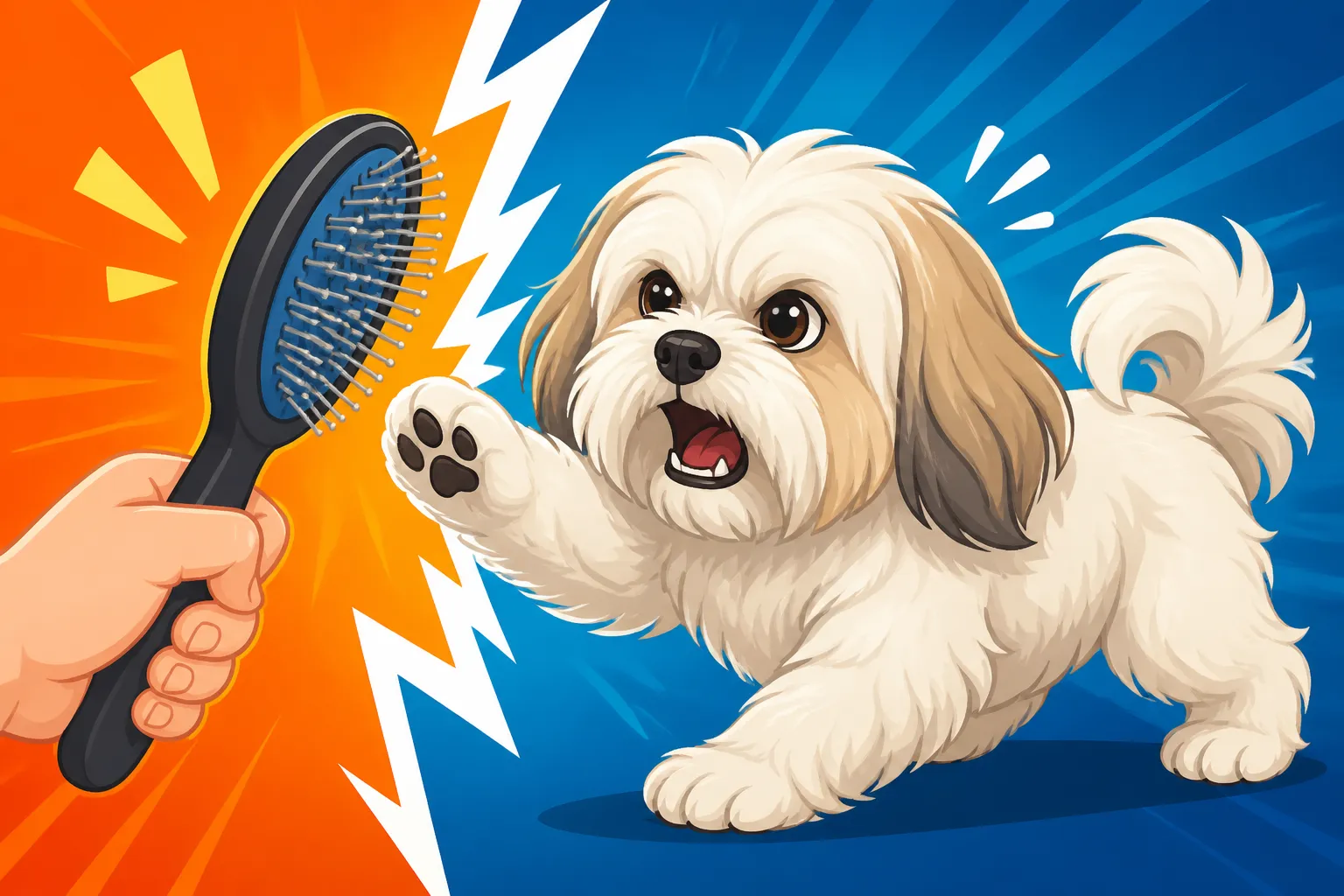
One of the most common reasons a Havanese might fight the brush is pain or discomfort. Their luxurious coats, while beautiful, are prone to matting, especially in high-friction areas like behind the ears, under the armpits, and on their bellies. If you accidentally pull on a mat, even gently, it can be a surprisingly painful experience for your pup. Imagine getting a knot yanked out of your own hair – it’s not pleasant! A few painful encounters can quickly teach a Havanese to associate the brush with discomfort, leading to avoidance or resistance. They might develop a deep-seated fear, flinching away or even nipping when the brush comes near.
Another factor could be a past negative experience, perhaps at a professional groomer or during an anxious moment at home. If grooming was ever rushed, forced, or done without adequate positive reinforcement, your Havanese might remember that unpleasantness. Some puppies naturally go through a "nippy" phase, where everything goes into their mouth, including your fingers and the brush. Without proper guidance, this playful nipping can escalate into genuine resistance. Lastly, some Havanese simply have more sensitive skin than others, making them more prone to discomfort even with light brushing, especially if their skin is dry or irritated. It’s also worth considering if they are just feeling playful and don't understand that grooming isn't a game of tug-of-war.
The Havanese Coat: A Double-Edged Sword
The Havanese boasts a stunning The Silky Double Coat a Havanese Grows to the Floor, which is part of their charm. This double coat consists of a soft, downy undercoat and a longer, silkier outercoat. It's designed to protect them from the elements and give them that distinctive, flowing appearance. However, this beautiful coat is also a magnet for tangles and mats. Unlike breeds with single coats, the Havanese's double coat needs diligent, regular attention to prevent the undercoat from tangling with the outercoat.
If not brushed regularly and thoroughly, these mats can quickly become dense, pulling at the skin and causing significant discomfort, sometimes even skin infections. They can restrict movement, create hot spots, and generally make life miserable for your pup. Regular brushing isn't just about aesthetics; it's a vital part of your Havanese's health and comfort. If your Havanese is fighting the brush, the coat itself might be the root of the problem – it might already be uncomfortable, making brushing an ordeal. Understanding this unique coat type is the first step in appreciating why consistent, gentle grooming is non-negotiable and why making it a positive experience is so crucial.
Early Training and Positive Reinforcement
The key to a Havanese that tolerates, or even enjoys, grooming lies in early, positive training. It’s about building trust and creating good associations from the very beginning.
Starting Early: The Puppy Foundation
The best time to introduce grooming is when your Havanese is a tiny puppy, ideally as soon as they come home. Their world is full of new experiences, and if brushing is introduced gently and positively from day one, it simply becomes another normal part of their routine. Start with very short sessions – literally a minute or two – just a few strokes with a soft brush, followed by lavish praise and a tiny, delicious treat. The goal isn't to get them perfectly brushed right away, but to create a positive association with the tools and the process.
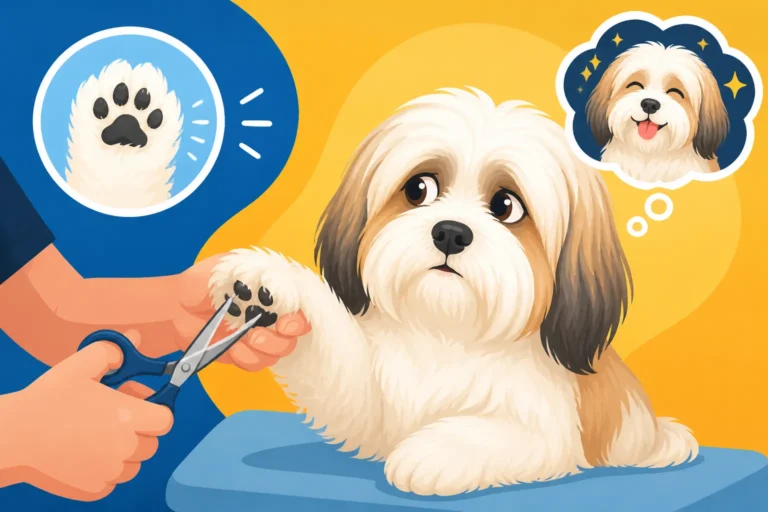
Think of it like teaching a child to read; you don't expect them to tackle Shakespeare on day one. Similarly, with a Havanese puppy, you're building a foundation of acceptance and trust. Gently touch their paws, ears, and tail, the areas that tend to be most sensitive. Use a puppy brush or even just your fingers at first. The more exposure they have to these sensations in a calm, rewarding context, the less likely they are to develop resistance later on. Consistent, brief, and positive exposure is far more effective than infrequent, long, and potentially frustrating sessions. For more detailed tips on this crucial stage, you can refer to Getting a Havanese Used to Brushing as a Puppy.
Making Grooming a Fun Game
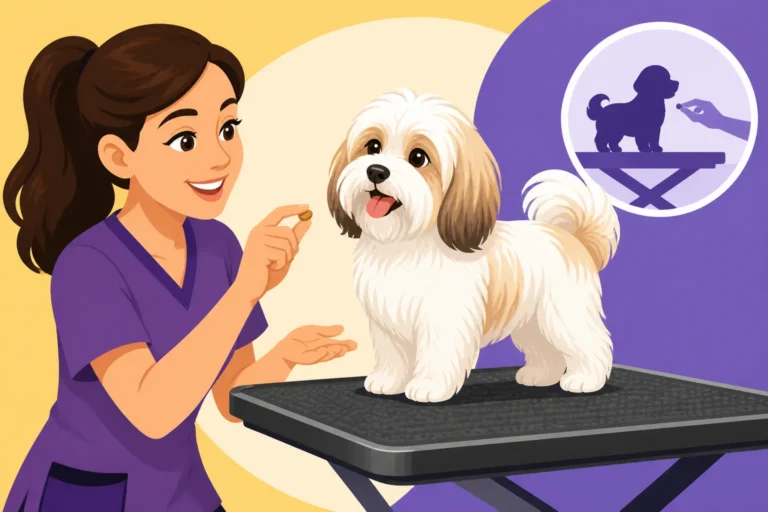
Transforming grooming from a chore into a game is a powerful strategy. Havanese are intelligent and eager to please, especially when there's a reward involved. High-value treats are your best friend here – think tiny bits of cooked chicken, cheese, or specialized training treats that your pup absolutely loves. Present the brush, offer a treat. Brush once, treat. Gradually increase the duration and intensity of brushing, always pairing it with positive reinforcement.
You can also use verbal praise in a happy, encouraging tone, and even integrate short bursts of play. For example, brush for a minute, then throw a favorite toy for a quick fetch, then back to brushing. This helps break up the session and keeps their attention. Some owners find that distraction works wonders. While you brush, have another family member offer a long-lasting chew or a puzzle toy smeared with peanut butter. The idea is to make the experience so pleasant and rewarding that your Havanese actually looks forward to grooming time, associating the brush with good things rather than discomfort or boredom. Don't underestimate What a Havanese Will Work For – tapping into their motivations is key!
The Importance of a Calm Environment
The environment in which you groom your Havanese plays a significant role in their cooperation. A chaotic, noisy, or distracting setting can make an already hesitant dog even more anxious. Choose a quiet, well-lit area where you and your Havanese can focus without interruptions. This might be a specific grooming table, a bathroom counter (with safety precautions, of course), or even a designated spot on the floor where you can comfortably sit with your dog.
Before you even pick up the brush, take a moment to ensure you are calm yourself. Dogs are incredibly adept at picking up on our emotions. If you're stressed, rushed, or frustrated, your Havanese will sense it and become more agitated. Speak in a soothing, reassuring voice throughout the session. Consider playing calming music or using an aromatherapy diffuser with dog-safe essential oils (like lavender) to create a more serene atmosphere. Consistency in location and routine also helps; your Havanese will learn to anticipate what's coming and be more prepared to settle in. A consistent, peaceful routine transforms grooming from a surprising event into a predictable, calm ritual.
Essential Tools and Techniques for a Cooperative Havanese
Having the right tools and knowing how to use them effectively can make all the difference in your Havanese's grooming experience. You wouldn't use a hammer to drive a screw, and the same principle applies to grooming brushes.
Choosing the Right Brushes and Combs
The Havanese coat demands specific tools to maintain its beauty without causing discomfort. Investing in high-quality grooming tools is not an extravagance; it's a necessity that will save you time, frustration, and potential vet bills for mat removal.
| Tool Type | Primary Use | Havanese Suitability |
|---|---|---|
| Slicker Brush | Removing loose undercoat, detangling surface mats | Essential. Small, soft slicker brushes are perfect for gently working through tangles without scratching delicate skin. |
| Pin Brush | Gliding through the coat, finishing, fluffing | Good for general brushing of longer coats, but won't effectively remove mats or reach the undercoat as deeply as a slicker. |
| Steel Comb | Checking for mats, line brushing, facial hair | Absolutely crucial. A good quality steel comb with both fine and wide teeth is indispensable for finding hidden mats and ensuring thoroughness. |
| Dematting Rake | Breaking up dense mats | Use with extreme caution. Can easily cut skin if not used correctly. Best reserved for experienced groomers or very minor, loose tangles. |
| Grooming Scissors | Trimming around paws, face, sanitary areas | Essential for neatness. Ensure they are blunt-nosed for safety around eyes and sensitive areas. |
For most Havanese, a combination of a quality slicker brush and a sturdy steel comb will be your primary arsenal. The slicker brush, with its fine, wire pins, is excellent for tackling the undercoat and preventing mats from forming. Choose one with coated tips or very flexible pins to be gentle on their skin. A pin brush can be lovely for general brushing and fluffing a clean coat, but it won't get down to the skin to prevent matting like a slicker will. The steel comb, with both wide and narrow teeth, is your ultimate mat-detector. It allows you to check your work after brushing and meticulously work through any small tangles you find. Remember, you can often find a wide array of options, including trusted brands, on platforms like Amazon. Choosing the right tool based on Which Brush Suits a Havanese is paramount.
Mastering the Line Brushing Method
Many owners struggle because they simply brush the top layer of their Havanese's coat, leaving the undercoat to tangle and mat underneath. This is where "line brushing" becomes your secret weapon. This technique ensures you get right down to the skin, preventing those nasty hidden mats.
Here’s how to do it:
- Section the Coat: Start with your Havanese lying down or standing comfortably on a grooming table. Use a clip or your hand to section off a small strip of hair, about an inch wide, at the bottom of their leg or side. Hold the rest of the coat up and out of the way.
- Brush from the Skin Out: With your slicker brush, brush downwards on the exposed section of hair, starting from the skin and working your way out to the ends. You're essentially creating a "line" as you brush.
- Work in Sections: Once that first strip is completely free of tangles, drop another inch of hair from the clipped-up section and repeat the process, brushing from the skin out. You'll progressively move up the leg, side, or body, working in these small "lines" until that entire area is brushed.
- Comb Through: After you've brushed a section with the slicker, take your steel comb and run it through the same section. If the comb glides smoothly from root to tip, you've done a great job! If it snags, go back with the slicker brush until the comb passes through easily.
This method sounds tedious, but it's incredibly effective and ensures no mats are missed. It's thorough, methodical, and once mastered, it significantly reduces the chances of your Havanese developing painful matting. It also allows you to be very gentle and controlled, which helps build trust with a sensitive dog. For a deeper dive into this essential technique, check out Whether Line Brushing Reaches a Havanese's Skin.
Dealing with Mats and Tangled Areas
Even with the best intentions and regular brushing, a Havanese can still develop mats, especially during coat change or after an adventurous romp. The key to tackling mats without a fight is patience and gentleness.
Never try to yank or rip a mat out; this will be incredibly painful and only reinforce your Havanese's resistance to grooming. Instead, arm yourself with a good detangling spray (again, Amazon has many excellent options specifically formulated for dogs). Liberally spray the mat, working it into the hair with your fingers. Allow the spray to sit for a minute or two to help loosen the tangles. Then, using just the very tips of your slicker brush or the wide teeth of your steel comb, gently tease apart the mat from the outside edge inwards. Work slowly, strand by strand, applying minimal pressure. If the mat is very tight, you can carefully use your fingers to split it into smaller sections before brushing.
It’s important to know your limits. If a mat is too dense, too close to the skin, or your Havanese is showing signs of extreme pain or aggression, stop immediately. Sometimes, trying to remove a severe mat at home can cause more harm than good, both physically and psychologically. In these cases, a professional groomer is your best friend. They have specialized tools and techniques, like careful shaving or using a dematting tool, that can remove mats with the least amount of discomfort for your dog. For more tips on products, read Whether Detangling Spray Helps a Havanese.
Addressing Specific Behavioral Challenges
Some Havanese present particular challenges during grooming that go beyond simple reluctance. Knowing how to specifically address nipping, fear, or anxiety can transform your approach.
The Havanese Who Bites or Nips the Brush
It's one thing for a Havanese to try and squirm away, but nipping or biting the brush – or even you – is a more serious concern. Often, this behavior starts as puppy mouthing or a playful attempt to "catch" the moving brush, but if not redirected, it can become a real problem.
If your Havanese is nipping, the first step is to ensure it's not due to pain from mats or overly harsh brushing. Rule out discomfort before assuming it's purely behavioral. If pain isn't the issue, then redirection and consistent training are key. Have a favorite chew toy nearby. As soon as you see your Havanese orienting towards the brush with their mouth, immediately offer the chew toy. When they take the toy, praise them enthusiastically and continue brushing a different part of their body. This teaches them that their mouth belongs on the toy, not the brush. You can also teach a "leave it" command, which is invaluable for so many aspects of a dog's life, including grooming. With consistent practice, they'll learn that ignoring the brush earns them rewards. Avoid pulling the brush away too quickly or yelping, as this can inadvertently reinforce the behavior by making it seem like a fun game. Patience and consistency are paramount here.
Overcoming Fear and Anxiety
A Havanese that is genuinely fearful or anxious about grooming will often tremble, hide, try to escape, or even vocalize their distress. This goes beyond simple resistance and requires a more gentle, gradual approach called desensitization and counter-conditioning.
- Desensitization: This involves gradually exposing your Havanese to the feared stimulus (the brush, grooming table, dryer noise) at a level where they don't react negatively. Start by simply having the brush visible in the room, then in your hand, then touching them for a split second, all while they remain calm.
- Counter-conditioning: This pairs the feared stimulus with something positive, changing their emotional response. Every time they see the brush (or hear the clippers from a distance), give them a high-value treat. The goal is for them to eventually associate the brush not with fear, but with delicious rewards.
These steps need to be incredibly slow and incremental. If your Havanese shows any signs of fear, you've gone too fast, and you need to backtrack. Short sessions (a minute or two, multiple times a day) are more effective than one long, stressful one. If fear and anxiety are severe, or if you're feeling overwhelmed, don't hesitate to seek guidance from a certified professional dog trainer. Resources like BAXTER & Bella offer online training programs that can guide you through desensitization and counter-conditioning protocols specific to grooming challenges, providing structured support that can be a real game-changer. They can also help you understand how to approach training a Havanese in general, as discussed in Whether a Havanese Needs a Professional Trainer.
When to Seek Professional Help or a Groomer
There are times when despite your best efforts, grooming your Havanese at home becomes a struggle, or even impossible. It’s important to recognize when to call in the professionals.
One clear sign is severe matting. If your Havanese has a coat that is heavily matted, especially close to the skin, attempting to remove these mats yourself can be excruciating for your dog. Professional groomers have specialized clippers and techniques to safely and efficiently remove matted coats, often requiring a full shave-down. While it might be a shock to see your fluffy Havanese suddenly shorn, it's often the kindest solution for their comfort and health. Another red flag is aggression. If your Havanese is consistently biting, growling, or snapping during grooming, it could indicate underlying pain, extreme fear, or a behavioral issue that needs expert intervention. A professional groomer might be able to handle them safely, or they might advise working with a veterinary behaviorist to address the root cause of the aggression.
Sometimes, it's simply a matter of time and skill. Life gets busy, and maintaining a Havanese coat can be incredibly demanding. If you find yourself consistently falling behind, leading to mats and stress for both of you, a regular professional grooming schedule might be the best option. A good groomer can keep your Havanese comfortable and tidy, and if you find one who uses positive reinforcement, they can even help reinforce positive associations with grooming. Be aware, however, that a groomer might have to make difficult choices if a dog is too difficult or aggressive, as explored in Whether a Groomer Refuses a Difficult Havanese. It’s about ensuring your Havanese lives a healthy, happy, and tangle-free life, regardless of who holds the brush.
Long-Term Strategies for a Happy Grooming Routine
Building a positive grooming relationship with your Havanese isn't a one-time fix; it's an ongoing commitment. Implementing long-term strategies ensures continued cooperation and a well-maintained coat.
Consistency and Routine
The single most important factor in maintaining a well-groomed and cooperative Havanese is consistency. Daily, or at least every-other-day, brushing sessions, even if they are short, are far more effective than marathon sessions once a week. Frequent, brief sessions prevent small tangles from escalating into major mats, making the entire process quicker and more comfortable for your dog. Think of it like brushing your own teeth – a little bit every day makes a huge difference.
Establish a predictable grooming routine. This could be every morning after breakfast, or every evening before bed. Dogs thrive on routine, and knowing what to expect can significantly reduce anxiety. Keep the tools in the same place, use the same grooming spot, and follow the same sequence of steps each time. For example, always start with a belly brush, then a leg, then the back. This predictability helps your Havanese relax and become more accepting of the process. Remember, even if your Havanese has a short "puppy cut," regular brushing is still essential to remove loose hair, stimulate the skin, and reinforce the positive habit. Consistent brushing also often takes less time than you might think, and once you get into the swing of it, you might be surprised by How Long Home Grooming a Havanese Takes.
Maintaining a Manageable Coat
While the full, flowing coat of a Havanese is undeniably beautiful, it is also the most challenging to maintain. For many pet owners, especially those with busy lifestyles, opting for a shorter, more manageable clip can be a game-changer. The "puppy cut" is incredibly popular for Havanese, which involves clipping the coat to a uniform length of an inch or two all over. This significantly reduces matting potential and makes home grooming much quicker and easier.
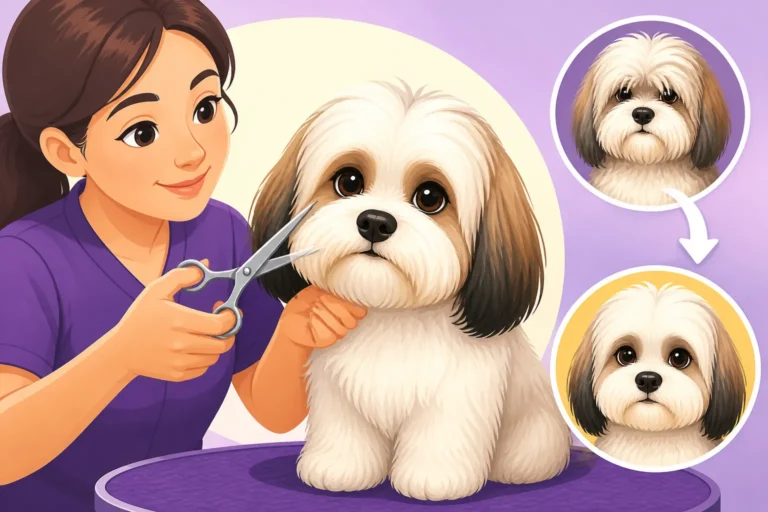
Discuss different clipping options with your professional groomer. They can help you find a style that suits your Havanese's coat type, your lifestyle, and your comfort level with at-home maintenance. Even with a shorter cut, regular brushing is still necessary to prevent mats, especially as the hair grows out, but it will be a much less intensive undertaking. It’s about finding that sweet spot between the breed's natural beauty and practical, everyday care that keeps both you and your Havanese happy and comfortable. You might find that The Puppy Cut Most Havanese Owners End Up Choosing is the perfect solution for your family.
Health Checks During Grooming
Grooming time offers a fantastic opportunity to perform regular health checks on your Havanese. As you brush and comb through their coat, you're running your hands over every inch of their body, which means you're perfectly positioned to spot any changes or anomalies.
Take the time to examine their skin for any redness, rashes, dry patches, or bumps. Skin Trouble Under a Havanese Coat can often be hidden beneath their dense fur, so feeling for anything unusual is important. Check their ears for cleanliness, odor, or redness, which could indicate an infection. Look at their eyes for any discharge or irritation. Inspect their paws for cracked pads, overgrown nails, or foreign objects lodged between their toes. You can also feel along their body for any unusual lumps or bumps; for more information on what to look for, see Lumps Worth Checking on a Havanese. Early detection of many health issues can lead to faster treatment and better outcomes. By integrating these simple health checks into your grooming routine, you're not just maintaining their coat; you're actively contributing to their overall well-being. It adds another layer of purpose to grooming, transforming it into a holistic care ritual.
Disclaimer
This article is for general informational purposes only and does not constitute professional advice. Laws, prices and regulations vary by location and change over time. Consult a qualified professional for guidance on your specific situation.