Whether a Havanese Learns to Use a Pad
The journey of housetraining a Havanese can feel like an endless loop of anticipation and tiny puddles, especially when the weather isn't cooperating or you live in an apartment without immediate yard access. Many Havanese owners find themselves wondering if there’s a viable indoor solution to this persistent challenge. This guide will explore whether a Havanese can indeed learn to reliably use a potty pad, walking you through the realities, benefits, and potential drawbacks, and offering practical steps to make it work for your fluffy companion.
Understanding Your Havanese's Instincts and Potty Training Challenges
Bringing a Havanese into your home is a joy, but it also means navigating their unique quirks, especially when it comes to housetraining. While these charming little dogs are incredibly smart, they can present some specific challenges that make owners consider alternatives like potty pads.
Why Havanese Can Be Tricky to Housetrain
Let's be real: housetraining a Havanese isn't always a walk in the park. One major factor is their size. With tiny bladders, they simply can't hold it for as long as a larger dog can. This means more frequent trips outside, and if you miss a cue, an accident is practically guaranteed. It's not that they're being stubborn; it's pure physiology. A Havanese puppy, for instance, might need to go out every hour or two, which can feel relentless.
Beyond bladder size, Havanese are often described as having a preference for cleanliness. If their designated potty spot outside is wet, muddy, or covered in snow, they might actively resist going there. This aversion to inclement weather is a common complaint among Havanese owners. Imagine trying to convince your little Cuban charmer to step into a chilly downpour when there's a perfectly dry, warm rug inside! This isn't unique to them, of course, but their delicate coats and small stature make them particularly susceptible to disliking unpleasant outdoor conditions. You might have already experienced this firsthand when your Havanese looks at you with wide, reproachful eyes from the doorway, silently pleading for a different solution. For more on this specific issue, you might want to check out Whether a Havanese Refuses to Go Out in Rain.
The Appeal of Potty Pads for Owners
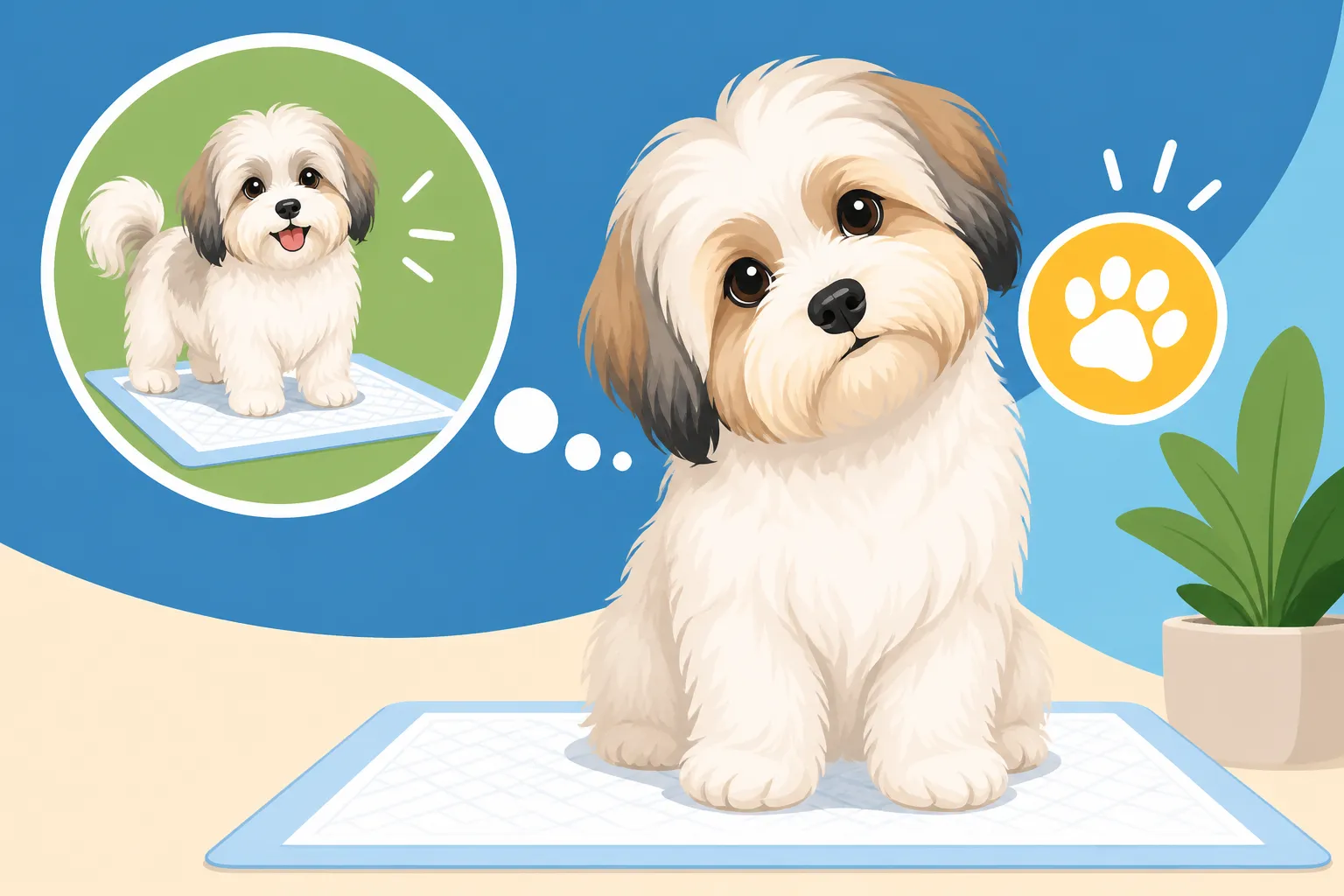
Given these challenges, it’s no wonder many Havanese owners look to potty pads as a potential savior. The idea of having a designated indoor spot for your dog to relieve themselves offers a significant appeal, especially for those living in apartments, high-rise buildings, or areas with extreme weather. The sheer convenience of not having to rush outside every time your Havanese wakes up, eats, or finishes playing is a huge draw. It removes the stress of trying to find shoes, grab a leash, and get downstairs in time, particularly during those frantic puppy moments.
For some, it's also a safety issue. Living in an urban environment might mean navigating busy streets or shared common areas where you're not entirely comfortable letting your tiny pup do their business. Potty pads provide a secure, controlled environment, reducing exposure to potential hazards, other animals, or even parasites. They offer a sense of predictability and ease that can be incredibly tempting when facing the constant demands of housetraining.
The Pros and Cons of Teaching a Havanese to Use Potty Pads
Before you dive headfirst into potty pad training, it's important to weigh the good with the not-so-good. While pads offer some clear advantages, they also come with potential drawbacks that every Havanese owner should consider.
The Advantages of Indoor Potty Training
For many Havanese households, indoor potty training with pads is a game-changer. The most obvious benefit is accessibility. If you work long hours or have mobility challenges, ensuring your Havanese can relieve themselves when nature calls, without waiting for you, is invaluable. It drastically reduces the likelihood of accidents on your carpets or furniture, preserving your sanity and your home's cleanliness.
Think about consistency, too. With pads, your Havanese always has access to their "bathroom," regardless of the weather outside. No more shivering in the rain or battling icy winds just to get your dog to go. This consistency can actually make the initial learning phase smoother for some dogs, as the routine is less dependent on external factors. For apartment dwellers, especially those on higher floors, pads eliminate the stressful scramble to an outdoor spot multiple times a day. Your Havanese can wake up, stretch, and head straight to their pad, giving you a few extra minutes to make coffee before the morning rush. It's about meeting your Havanese's needs on their schedule, not just yours.
Another benefit is safety. For tiny Havanese puppies who haven't completed their vaccinations, potty pads offer a sterile environment away from potential diseases or parasites found in public outdoor areas. It allows them to learn appropriate potty habits without putting their health at risk. Furthermore, for older Havanese or those with medical conditions that affect bladder control, pads can provide dignity and comfort, ensuring they can relieve themselves quickly and easily without distress.
The Potential Downsides and Pitfalls
Now, let's talk about the less glamorous side. The biggest pitfall many owners encounter is the potential for confusion. If your Havanese learns to go both inside on a pad and outside, they might not fully grasp the concept that outside is the ultimate goal. This can lead to your dog thinking it's okay to relieve themselves inside, so long as it's on a "pad-like" surface, like a bath mat, a throw rug, or even a pile of laundry. This is often referred to as "surface preference" and can be a tough habit to break. You want your Havanese to understand where to go, not just what to go on.
Then there's the smell. Even with diligent cleaning, a designated indoor potty area can eventually develop a faint odor, especially if multiple accidents occur or the pad isn't changed frequently enough. This is a common concern for many owners, even with the best enzymatic cleaners. It's a trade-off: convenience for potential odor. While many modern pads are designed to be highly absorbent and odor-neutralizing, they aren't foolproof, and you'll still need to be very on top of changing them.
Finally, consider the long-term impact. If your Havanese relies solely on pads, they might become hesitant or even fearful of going potty outdoors. This can complicate travel, visits to friends' houses, or even just regular walks in the park. It can become a crutch rather than a temporary solution. While it's absolutely possible to transition a pad-trained dog to outdoor-only, it often requires a second phase of training that can be just as challenging, if not more so, than the initial housetraining. For more insight into general indoor pad suitability, read Whether Indoor Pads Suit a Havanese.
Here's a quick overview of the pros and cons:
| Feature | Pros of Potty Pad Training for Havanese | Cons of Potty Pad Training for Havanese |
|---|---|---|
| Convenience | Always accessible, reduces outdoor trips, good for busy owners. | Requires diligent changing and cleaning to avoid odor. |
| Weather Independence | No exposure to rain, snow, or extreme temperatures. | Can make outdoor potty breaks difficult to establish later. |
| Safety | Protects unvaccinated puppies, avoids outdoor hazards. | Potential for confusion about "inside vs. outside" potty spots. |
| Consistency | Routine is less dependent on external factors. | May lead to accidents on non-pad surfaces (rugs, towels). |
| Long-term Habit | Good for senior dogs or those with health issues. | Can make fully housetraining outdoors a secondary, harder task. |
| Odor Control | Many pads are absorbent, but diligent changes are necessary. | Persistent odor can develop in the designated area over time. |
Step-by-Step Guide to Potty Pad Training Your Havanese
If you’ve decided that potty pad training is the right path for your Havanese, the good news is that these clever little dogs can certainly learn the ropes. Consistency, patience, and a clear strategy are your best friends here.
Gathering Your Supplies and Setting Up the Area
First things first, let's get you equipped. You'll need a good supply of potty pads. There are many options out there, from standard disposable pads to reusable, washable ones. Some owners prefer the traditional blue-backed disposable pads, while others opt for the more eco-friendly washable versions. You can find a wide variety of these on platforms like Amazon, often in bulk, which is helpful because you'll go through a lot, especially in the beginning. Consider buying a larger pack to ensure you don't run out during crucial training periods.
Next, you'll need to choose a designated potty area. This should be a consistent, easily accessible spot, ideally somewhere out of the main traffic flow but not so hidden that your Havanese forgets it's there. A corner of the kitchen, a laundry room, or even a specific spot in a spare bathroom works well. Make sure it's away from their food, water, and sleeping areas, as dogs instinctively prefer to keep their "bedroom" clean. If you're containing your puppy, perhaps in an exercise pen or a gated-off section of a room, place the pad within that area. A crate, for instance, can be excellent for helping a Havanese puppy learn to hold it overnight, then immediately going to the pad upon release. See Whether a Havanese Should Be Crate Trained for Toileting for more on this.
Finally, invest in an enzymatic cleaner. Accidents will happen, and a good enzymatic cleaner is crucial for breaking down the odor-causing molecules, preventing your Havanese from being drawn back to the same spot by residual smells. Standard household cleaners won't cut it. You might also consider puppy gates to help manage your Havanese's access to the rest of the house during the initial training phase, ensuring they only have unsupervised access to areas where a pad is readily available.
Introducing the Pad and Encouraging Use
Once your setup is ready, the real training begins. The key here is proactive supervision and frequent trips to the pad. Take your Havanese to the pad first thing in the morning, after every meal, after naps, after playtime, and before bedtime. Essentially, any time your Havanese wakes up, eats, drinks, or plays, it’s a good idea to bring them to the pad.
When you take them to the pad, use a consistent verbal cue like "potty" or "go pee." Stand patiently on or near the pad with them. Avoid playing or distracting them; this is a business trip. The moment your Havanese even starts to relieve themselves on the pad, offer immediate, enthusiastic praise and a high-value treat. Timing is everything here – the praise needs to happen while they are performing the desired action or immediately after, not a minute later when they're sniffing around elsewhere.
If your Havanese wanders off the pad or attempts to go elsewhere, gently but firmly redirect them back. If they have an accident off the pad, do not scold them or rub their nose in it. This only teaches them to fear you and hide their accidents. Instead, calmly clean up the mess with your enzymatic cleaner and commit to more vigilant supervision. Remember, the goal is to make using the pad the most rewarding choice. Online resources and puppy training programs, like those offered by BAXTER & Bella, often provide excellent structured guidance on these initial steps, with video demonstrations and coaching that can be incredibly helpful for owners.
Dealing with Accidents and Reinforcing Success
Accidents are part of the learning process, especially with a Havanese puppy. It’s crucial not to get discouraged. Every accident is a learning opportunity for you to refine your timing and supervision. If you catch your Havanese in the act of having an accident off the pad, quickly but calmly interrupt them (a gentle clap or "oops!") and immediately scoop them up and take them to the pad. If they finish on the pad, lavish them with praise and treats. If they don't, just clean the mess and try again later.
The secret to success lies in repetition and positive reinforcement. Always reward successful eliminations on the pad generously. This could be a tiny piece of cooked chicken, a favorite squeaky toy, or effusive verbal praise. Make it a celebration! Your Havanese wants to please you, and if going on the pad results in happy cheers and delicious treats, they’ll quickly connect the dots.
Consistency also means setting up a predictable schedule. Even with pads, a routine helps immensely. Feed your Havanese at the same times each day, and take them to the pad shortly after. Take them out of their crate (if you’re using one) straight to the pad. This predictability helps their body learn when to expect to relieve itself. Remember that How Long a Havanese Puppy Takes to Be Clean can vary wildly, so manage your expectations and don't rush the process.
Transitioning from Pads or Troubleshooting Common Issues
Once your Havanese is consistently using the potty pads, you might decide to stick with it, or you might want to transition them to outdoor-only potty breaks. Either way, you might encounter a few bumps in the road.
When Pads Become a Crutch: Transitioning Outdoors
If your ultimate goal is for your Havanese to go outside, but you started with pads for convenience or necessity, you'll need a deliberate transition plan. The biggest hurdle is often breaking the habit of indoor elimination. Start by gradually moving the pad closer and closer to the door your Havanese will use to go outside. Move it a few inches each day, making the association between the pad and the exit stronger.
Once the pad is right by the door, start placing it just outside the door. You can even try placing a used, slightly soiled pad outside to leverage the scent and encourage your Havanese to go in that specific outdoor spot. Continue to use your verbal cue ("potty," "go pee") and reward heavily for success outdoors. Gradually reduce the size of the pad, or replace it with a patch of real grass or a designated outdoor potty area that mimics the pad's surface. Some people even use artificial grass patches initially before transitioning to natural grass.
This transition takes patience. Some Havanese will pick it up quickly, while others might be confused by the sudden change in environment or surface. Be prepared for a few accidents during this phase, and treat them just like any other accident: clean thoroughly and go back to basics with supervision and redirection. The key is to make outdoor potty breaks even more rewarding than indoor ones.
Common Potty Pad Training Problems and Solutions
Even with the best intentions, you might run into some common issues during potty pad training.
1. Missing the Pad: Your Havanese goes near the pad, but not entirely on it. This often means the pad is too small for them, or they’re not fully understanding the target. Try using a larger pad, or create a "potty zone" with multiple pads laid out side-by-side to increase the target area. Sometimes, placing the pad in a tray designed for puppy pads can help define the boundary. Revisit your supervision; are you catching them before they start to wander off the pad?
2. Chewing or Playing with Pads: If your Havanese treats the pad like a toy, they might be bored, or the pad material itself is too enticing. Ensure the pad is secured, perhaps with a pad holder or weighted down at the corners. If boredom is the issue, increase their mental and physical exercise. A tired Havanese is less likely to engage in destructive behaviors. You might also need to choose a different brand of pad with less crinkly or appealing texture. Distract them with an appropriate chew toy when they're in the potty area, but not when they are on the pad about to go potty.
3. Refusing to Use the Pad: This can be frustrating, especially if they were using it before. First, ensure the pad is clean. Havanese, as we discussed, are particular about cleanliness. If the pad is soiled, they might avoid it. Secondly, consider if the location is still ideal. Has something changed in the environment that might make them uncomfortable there? Is it too close to a noisy appliance or a high-traffic area? If they are consistently having accidents away from the pad, it might mean they haven't fully grasped the concept, and you need to go back to intense supervision, crating, and rewarding every successful potty on the pad. Sometimes, consulting with an online puppy training program, such as those from BAXTER & Bella, can give you fresh ideas and personalized advice for these specific challenges. Remember, for those interested in training guidance, resources like BAXTER & Bella offer comprehensive support, including specific modules on potty training that can be highly beneficial.
4. Regression: Your Havanese was doing great, and now suddenly they’re having accidents everywhere. This is often due to a change in routine, a new stressor, or an underlying medical issue. Have you been less vigilant with supervision? Has there been a new pet, a move, or a change in your schedule? Rule out medical causes by visiting your vet, especially if the regression is sudden and severe, or if you notice changes in their urination frequency or behavior. If it’s behavioral, go back to basics, as if you have a brand new puppy, with constant supervision, frequent trips to the pad, and generous rewards for success. Whether a Havanese Has Accidents When Excited is also a common factor, so be mindful of overexcitement, especially in young pups.
Ultimately, Havanese are intelligent and eager to please, making them capable of learning to use potty pads effectively. It takes dedication and understanding their specific needs, but with the right approach, you can provide a reliable indoor solution for your beloved companion.
Disclaimer
This article is for general informational purposes only and does not constitute professional advice. Laws, prices and regulations vary by location and change over time. Consult a qualified professional for guidance on your specific situation.