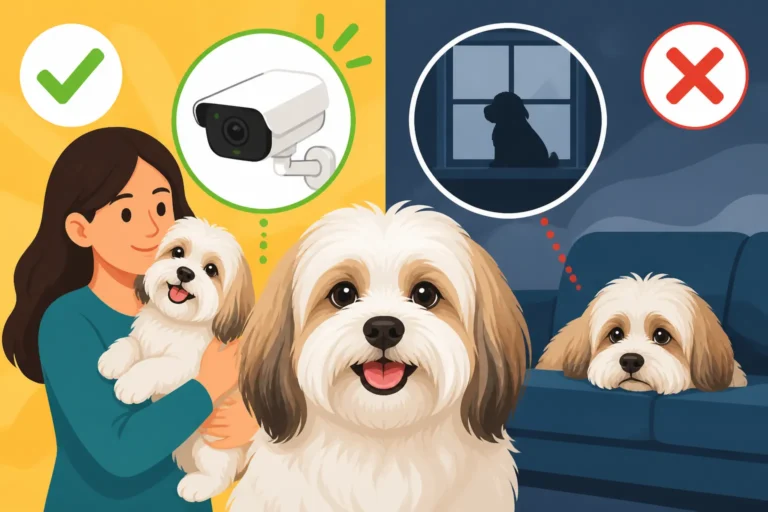
Whether a Havanese Regresses After Moving House
Moving house is a huge undertaking for us humans, a whirlwind of packing, logistics, and often, emotional upheaval. But for our beloved Havanese companions, who thrive on routine and familiarity, it can be an incredibly disorienting and stressful experience, often leading to temporary setbacks in their otherwise well-behaved lives. This guide is here to walk you through why your Havanese might regress after a move and, more importantly, how you can lovingly help them navigate this big change and get back to their happy, confident selves.
Why Moving House Can Be So Disruptive for a Havanese
Think about it from your Havanese's perspective. Their entire world, as they know it, suddenly shifts. The smells, sounds, and familiar sights that made up their secure territory are gone, replaced by something entirely new and often, quite overwhelming. It's no wonder they can feel a bit lost at sea.
The Comfort of Routine and Familiarity
Havanese dogs, like many breeds, are creatures of habit. They thrive on knowing what to expect, when to expect it, and where their comfort zones lie. Their day revolves around a predictable rhythm: morning potty break, breakfast, playtime in a familiar yard, a nap on that specific spot on the couch, dinner, and then bedtime in their crate or bed. This routine isn't just about scheduling; it's about security. Every sniff, every sound, every texture in their old home contributed to their sense of safety and understanding of their world. When you move, all that familiar sensory input vanishes.
Imagine waking up one day and your bedroom isn't where it used to be, the familiar scent of your home is replaced by a thousand new, strange odors, and the comforting creak of the floorboards is gone. Your Havanese experiences this on a much more intense level, relying heavily on their senses to orient themselves. The sudden absence of their usual cues can trigger anxiety, making them feel vulnerable and unsure. This disruption of their comfort zone is a primary reason why even the most well-adjusted Havanese might show signs of stress or behavioral regression.
Sensory Overload in a New Environment
A new home isn't just different; it's a cacophony of new information for your Havanese. Every surface, every room, every corner holds new smells from previous occupants, construction materials, or simply the scent of "not home." There might be unfamiliar sounds from new neighbors, different street traffic, or even the hum of a new appliance. Visually, the layout is different, the windows offer new views, and the light hits differently. For a Havanese, with their keen senses, this can be incredibly overwhelming.
They're trying to process all this new data at once, constantly on alert, trying to figure out if this new place is safe, where their resources are, and what the new rules might be. This constant state of heightened awareness is exhausting and can lead to stress-related behaviors. What might seem like a small detail to us – a slightly different flooring texture, a new kind of bird song outside – can be a significant source of sensory information that your Havanese is working overtime to interpret. This overload prevents them from relaxing and settling in easily.
The Ripple Effect of Your Own Stress
Let's be honest, moving is stressful for us. There's packing, unpacking, coordinating movers, changing addresses, and dealing with all the inevitable hiccups. Our Havanese are incredibly tuned into our emotions. They pick up on our stress levels, our hurried movements, our distracted attention, and our overall emotional state. If you're feeling anxious, overwhelmed, or even just utterly exhausted, your Havanese will sense it.
They don't understand why you're stressed, but they know you are, and that can translate into them feeling insecure. They might interpret your elevated stress as a sign that something is wrong or dangerous, which compounds their own feelings of unease about the new environment. Your calm demeanor, even amidst the chaos, can be a huge comfort to them. Conversely, your own anxiety can inadvertently escalate theirs, making it harder for them to adjust. They look to you as their primary source of security and information, so if you're not projecting calm, they're likely to follow suit.
Common Ways a Havanese Might Regress After a Move
It's completely normal for a Havanese to exhibit some temporary behavioral changes after a move. These aren't signs they've forgotten their training or are purposely being naughty; they're simply coping mechanisms for stress and insecurity. Understanding these common regressions can help you respond with patience and empathy.
Housetraining Setbacks
This is perhaps one of the most common and frustrating regressions. Your once perfectly housetrained Havanese might suddenly start having accidents indoors, sometimes in places they never would have before. This isn't usually spite; it's often a combination of factors. First, their old "potty spot" is gone. They might not immediately understand where the new designated area is, especially if the yard is different or they're suddenly in an apartment with no private outdoor space. Second, stress can physiologically affect their bladder and bowel control, much like it does in humans. They might feel too anxious to go outside alone, or they might simply be so overwhelmed that they forget their training in the moment.
It could also be a way of marking their new territory, trying to make the unfamiliar smell more like "theirs." Whatever the reason, patience is key. You'll need to go back to basics, treating your Havanese like a young puppy again, with frequent supervised trips outside, positive reinforcement for success, and thorough cleaning of any accidents to remove lingering odors. Remember, consistency in Housetraining a Havanese in a Cold Climate or any climate is crucial.
Increased Anxiety and Clinginess
Many Havanese are prone to being "velcro dogs" by nature, loving to be close to their human companions. After a move, this can become even more pronounced, bordering on separation anxiety if not managed carefully. You might find your Havanese shadowing you even more than usual, crying or barking if you leave the room, or becoming destructive if left alone for even short periods. This heightened clinginess is a clear sign of insecurity. They're looking to you for reassurance in an unfamiliar world.
They might also display other anxiety-related behaviors like excessive licking, panting, trembling, or being jumpier than usual at unexpected sounds. Their familiar den, their crate, which used to be a safe haven, might suddenly feel less secure in a new spot. If you're seeing signs of severe separation anxiety, such as excessive barking or destructive chewing when you leave, it's something to address proactively. The Havanese That Cannot Be Left Alone touches on this, and resources like BAXTER & Bella offer online training programs that can help you rebuild confidence in your dog, even after a stressful event like a move.
Changes in Appetite or Sleep Patterns
Stress can manifest physically, and your Havanese might show changes in their eating or sleeping habits. Some Havanese might become picky eaters or lose their appetite entirely in the new environment. The stress hormones can upset their stomach, making them feel nauseous, or the new surroundings might simply be too distracting for them to settle down and eat. On the other hand, some dogs might eat more as a coping mechanism, though this is less common with Havanese.
Sleep patterns can also be disrupted. Your Havanese might have trouble settling down at night, pacing, whining, or waking up more frequently. The unfamiliar sounds and smells can keep them on high alert, preventing deep sleep. They might also choose to sleep in unusual spots, trying to find a place that feels secure. It’s important to monitor these changes closely. If your Havanese goes more than a day or two without eating, or if their sleep deprivation seems severe, a vet visit is warranted to rule out any underlying health issues, as described in The First Year With a Havanese Puppy. A consistent schedule, including feeding and bedtime, will be key to helping them re-establish normalcy.
Practical Steps to Help Your Havanese Adjust and Prevent Regression
While some regression is normal, you don't have to just wait it out. There are many proactive steps you can take to make the transition smoother for your Havanese and help them feel secure in their new home.
Creating a Safe and Familiar Space
Even before the move, think about how to make the new place feel like home for your Havanese. Pack their favorite bed, blankets, toys, and food bowls last, and unpack them first. Set up their crate or designated sleeping area in a quiet, low-traffic spot that will be their sanctuary. If possible, bring over some items from the old house that carry familiar scents – a blanket you've used, an old t-shirt, or their unwashed bed. These familiar smells can be incredibly comforting.
When you arrive at the new house, set up their 'base camp' immediately. This should be a small, secure area – perhaps a pen or a single room – with their bed, water, and toys. This prevents them from being overwhelmed by the entire house at once. You can use a calming diffuser or a synthetic pheromone collar to help reduce anxiety in the initial days. Many such products are readily available on Amazon. Gradually introduce them to other parts of the house over the coming days, always supervising and making it a positive experience with treats and praise.
Re-establishing Routine and Boundaries
Consistency is your Havanese's best friend during a move. As quickly as possible, re-establish their daily routine for feeding, potty breaks, walks, and playtime. Even if the new routine is slightly different from the old one, stick to it rigorously. This predictability helps them understand what to expect and reduces anxiety. Potty breaks should be taken frequently, just like with a puppy, to prevent accidents and reinforce the new designated outdoor area. Always go out with them initially, praising and treating them lavishly when they go in the right spot.
If you previously had specific boundaries, like no dogs on the furniture or staying out of certain rooms, reinforce these gently but consistently from day one. It helps them understand the new rules of their new castle. If you used a crate, continue to use it as a safe space, making it cozy and inviting. If they are showing signs of increased clinginess or separation distress, begin practicing short, positive separations. Start with just stepping out of the room for a minute, then two, gradually increasing the time, always returning cheerfully and calmly. This re-establishes trust and independence.
| Helping Your Havanese Adjust to a New Home |
|---|
| Action |
| Familiar Objects First |
| Designated Safe Space |
| Strict Routine |
| Supervised Exploration |
| Positive Reinforcement |
| Calm Demeanor |
| Mental Stimulation |
| Practice Short Separations |
Managing Your Own Stress and Projecting Calm
This is easier said than done, I know, but it’s vital. Your Havanese is a little emotional sponge. If you're stressed, they're stressed. Try your best to project an air of calm and confidence, even if you're internally panicking about where that box of kitchen utensils went. Speak to your Havanese in a soothing voice, offer gentle reassurance, and make time for cuddles and play sessions. Even short bursts of focused attention can make a huge difference in their emotional well-being.
Try to avoid excessive coddling for fearful behaviors, as this can sometimes inadvertently reinforce the idea that there is something to be scared of. Instead, acknowledge their fear calmly, then redirect them to a positive activity. For example, if they're cowering, don't pick them up and hold them while fussing. Instead, calmly encourage them to go to their safe space, or engage them in a favorite game. Once they're settled, you can offer affection. Your steady, reliable presence is the greatest gift you can give your Havanese during this transitional period. Remember that Whether an Undersocialized Havanese Recovers highlights the importance of consistent, positive reinforcement in building confidence.
When to Seek Professional Help
While temporary regression is common after a move, there are times when it's appropriate to seek professional guidance. Trust your gut as a Havanese parent; you know your dog best.
Persistent or Severe Behavioral Changes
If your Havanese's behavioral regressions aren't showing signs of improvement after a few weeks, or if they are severe from the outset, it's time to consider professional help. This might include:
- Continuous housetraining accidents despite consistent efforts to re-train.
- Destructive behaviors like chewing furniture, door frames, or their own bed, especially when left alone, which might indicate severe separation anxiety. What an Anxious Havanese Chews covers this.
- Aggression towards family members or other pets, which is unusual for a Havanese.
- Excessive vocalization (barking, whining, howling) that is unrelenting and disturbing to the household or neighbors. The Barking a Havanese Does at Every Sound is a good resource to review.
- Refusal to eat or drink for prolonged periods, leading to weight loss or lethargy.
- Self-mutilation, such as excessive licking that creates bald spots or sores.
A certified professional dog trainer or a veterinary behaviorist can assess the situation, identify the root cause of the persistent behaviors, and develop a tailored plan to help your Havanese. They can offer strategies, exercises, and sometimes even recommend calming aids or medication if anxiety is profound. Early intervention is often key to preventing these issues from becoming ingrained. Online training programs like those from BAXTER & Bella can also provide structured support and guidance, often allowing you to work through issues at your own pace from the comfort of your home.
Health Concerns vs. Behavioral Issues
Sometimes, what looks like a behavioral regression can actually be a sign of an underlying health issue. A sudden increase in accidents might point to a urinary tract infection or other bladder issues, rather than just stress. A change in appetite or energy levels could indicate an upset stomach or something more serious.
It's always a good idea to consult your veterinarian if your Havanese displays any of the following alongside behavioral changes:
- Vomiting or diarrhea
- Significant weight loss or gain
- Changes in thirst or urination frequency
- Lethargy or unusual fatigue
- Limping or difficulty moving
- Any other physical symptoms that concern you
Your vet can perform a thorough examination and any necessary diagnostic tests to rule out medical causes for the changes you're observing. Once physical health is confirmed, you can then focus more confidently on behavioral solutions. A comprehensive health check, as discussed in The Health Tests Both Havanese Parents Should Have, is important from puppyhood through adulthood to catch issues early. Remember, our little Havanese can't tell us what's wrong, so it's up to us to be diligent and seek expert advice when needed.
Disclaimer
This article is for general informational purposes only and does not constitute professional advice. Laws, prices and regulations vary by location and change over time. Consult a qualified professional for guidance on your specific situation.