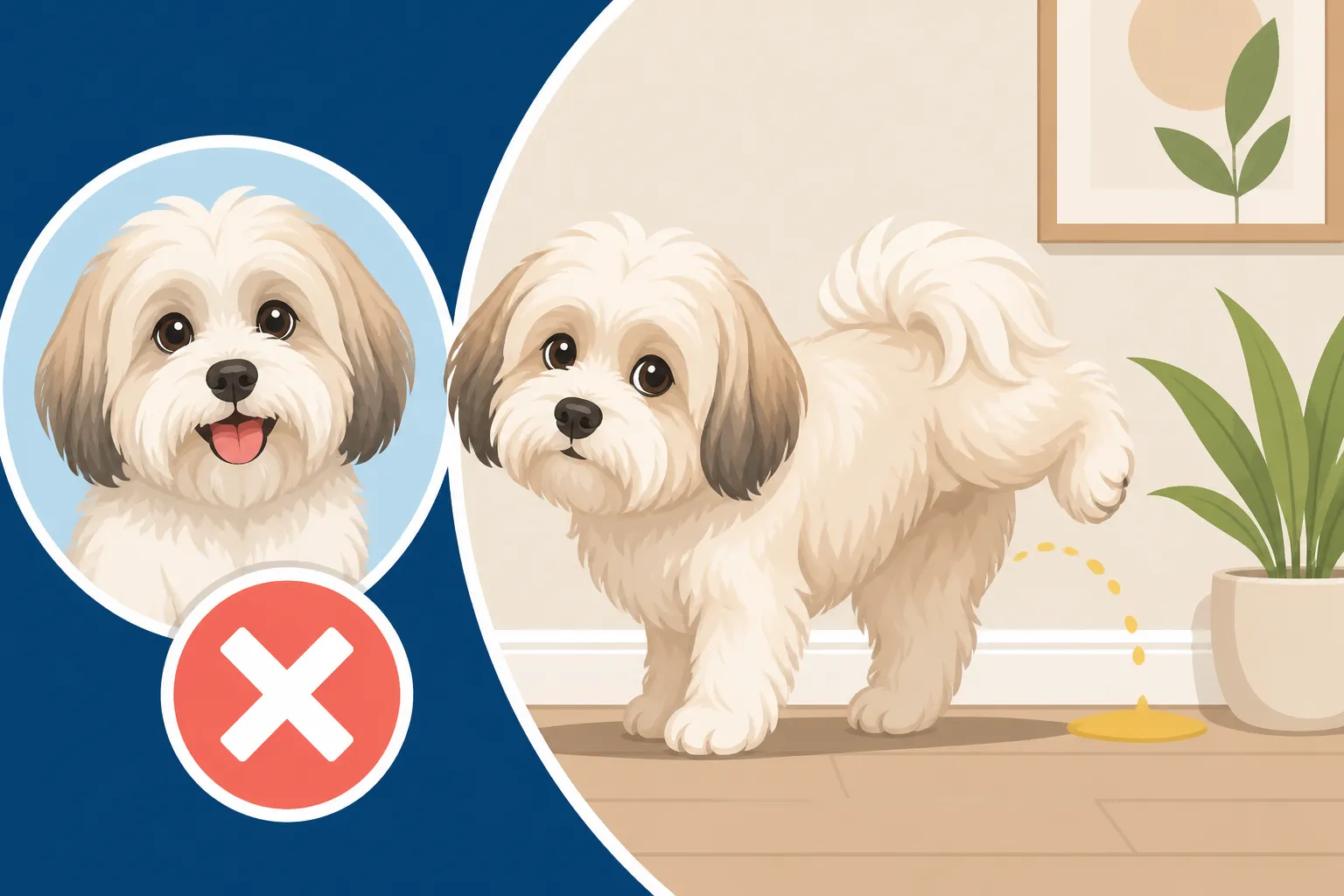
Whether an Intact Male Havanese Marks Indoors
One of the most disheartening things for any Havanese owner, especially those with an intact male, is walking into the living room and finding that familiar, tell-tale wet spot. The worry of an intact male Havanese marking indoors is incredibly common, and it can feel like a personal affront, making you question your housetraining efforts. This guide is here to shed light on why it happens, what you can do about it, and how to navigate life with your beloved, sometimes cheeky, intact male Havanese.
Understanding Why Male Dogs Mark Their Territory
It's easy to feel frustrated when your perfectly housetrained Havanese suddenly decides your favorite rug is the perfect spot for a little "message." But understanding the underlying reasons for marking, especially in intact males, can help shift your perspective from anger to empathy and proactive problem-solving. It’s not usually about defiance; it's deeply rooted in canine communication.
The Instinctual Drive to Mark
Dogs, by nature, are creatures of scent. Their world is largely perceived through their noses, and scent marking is a fundamental way they communicate with each other. When a dog urinates, particularly in small, strategic squirts, they are leaving behind a complex chemical message that tells other dogs about their presence, their sex, their reproductive status, and even their mood. It's like their personal social media post, broadcast to any canine passerby.
For an intact male Havanese, this instinct is often heightened. They are constantly aware of other dogs in the vicinity, both directly and indirectly through scent. Marking is a way for them to stake their claim, to assert their presence, and to advertise their availability. Outdoors, this is perfectly normal behavior, but when that instinct translates indoors, it becomes a significant household challenge that demands our attention.
Hormonal Influence in Intact Males
The presence of testosterone plays a significant role in the intensity and frequency of marking behavior in male dogs. These hormones drive a stronger instinct to compete for mates and territory, even if your Havanese is the only dog in the house. This isn't to say that all intact males will mark indoors, or that neutered males never will, but the hormonal push in an intact dog is undeniable.
Think of it like this: an intact male Havanese is receiving constant biological cues that compel him to broadcast his presence. Every new smell brought in on your shoes, every unfamiliar sound outside, or even the scent of another dog passing by your window can trigger this deeply ingrained desire to communicate. It's a powerful force, and it often requires a structured approach from us to redirect it appropriately.
Beyond the 'Why': What Triggers Indoor Marking?
While hormones are a major factor, indoor marking isn't always just about being an intact male. Several environmental and emotional triggers can exacerbate the behavior. For example, a new pet in the home, even another small one, can cause an intact Havanese to feel the need to re-establish his territory. The arrival of a new baby or even new furniture can upset his sense of security.
Furthermore, anxiety or stress can lead to marking. If your Havanese feels insecure, perhaps due to changes in routine or perceived threats (like a noisy neighbor or frequent visitors), he might mark as a self-soothing mechanism or an attempt to make his environment feel more "his." Even a small change, like moving his bed, can be enough to unsettle a sensitive Havanese. Understanding these triggers is crucial for effective intervention.
How to Manage and Prevent Indoor Marking
Dealing with indoor marking requires patience, consistency, and sometimes a multi-faceted approach. It's rarely a quick fix, but with dedication, you can significantly reduce or even eliminate the behavior. The key is to address both the underlying instincts and any environmental triggers.
Consistent Housetraining is Key Even for Adults
Even if your Havanese was perfectly housetrained as a puppy, adult marking is a different beast and often requires a return to basics. This means establishing a very strict potty schedule, taking him out frequently, and heavily rewarding him for eliminating outdoors. Treat him like a brand new puppy again. Take him out first thing in the morning, after every meal, after waking from naps, and before bed. Praise him lavishly when he goes outside, making it the most positive experience possible.
Limit his unsupervised access to areas where he has marked before. If you can't actively supervise him, he should be crated or confined to a smaller, dog-proofed area. Consistency is your most powerful tool here. Any lapse in supervision or schedule can undo weeks of progress. For more guidance on establishing good habits, you might find valuable insights in The Weeks a Havanese Puppy Takes to Be Clean or How Long a Havanese Puppy Holds It Overnight.
The Role of Supervision and Confinement
Vigilant supervision is paramount to preventing indoor marking. When your intact male Havanese is loose in the house, he should be within your sight at all times. If you notice him sniffing excessively, circling, or showing any pre-potty signs, immediately interrupt him with a cheerful "Let's go outside!" and take him out. Don't scold him for sniffing; simply redirect.
When you can't actively watch him, intelligent confinement is your friend. A dog crate, appropriately sized, or a playpen can be invaluable. The idea is that dogs are naturally clean creatures and are reluctant to soil their sleeping area. This forces him to "hold it" until he's taken outside. Consider a product like a sturdy wire crate available on Amazon, which allows for good ventilation and visibility. This strategy is also covered in Whether a Havanese Should Be Crate Trained for Toileting.
Cleaning Up Accidents Effectively
One of the biggest mistakes owners make is not cleaning up accidents thoroughly enough. Dogs are drawn back to areas where they can smell their own previous elimination, even if it's just a faint odor that we can't detect. Standard household cleaners often don't break down the enzymes in urine, leaving behind residual scent.
You need an enzymatic cleaner designed specifically for pet messes. Spray the area generously, let it soak as directed, and then blot it up. Do not scrub, as this can spread the odor. Brands like Nature's Miracle or Rocco & Roxie are widely available and effective. Using these properly is crucial to breaking the cycle of marking in a particular spot. Without eliminating the scent, you're essentially leaving a "message board" up for your Havanese to revisit.
When Neutering Enters the Conversation
For many owners struggling with indoor marking in an intact male, neutering often comes up as a potential solution. It's a significant decision, and it's important to understand what it can and cannot achieve.
The Impact of Neutering on Marking Behavior
Neutering removes the primary source of testosterone, which, as we discussed, fuels much of the marking instinct. For many male dogs, this dramatically reduces or even eliminates indoor marking behavior. Studies show that a significant percentage of male dogs who mark indoors stop or reduce the behavior after neutering, especially if it's done earlier in life before the behavior becomes deeply ingrained.
However, it's not a guaranteed fix. If the marking behavior has become a learned habit over a long period, or if it's primarily triggered by anxiety or other non-hormonal factors, neutering alone might not be enough. The longer a dog has been marking, the more likely it is that the behavior has become habit, requiring continued behavioral intervention even after neutering. This topic is explored further in Whether Neutering Stops a Havanese Marking.
Weighing the Pros and Cons
The decision to neuter should be made in consultation with your veterinarian, considering your Havanese's individual health, age, and behavior.
Pros of Neutering (related to marking and beyond):
- Reduced Marking: Often, a significant decrease in indoor marking.
- Reduced Roaming: Less desire to escape and roam in search of mates.
- Reduced Aggression: Can decrease certain types of male-on-male aggression.
- Health Benefits: Eliminates the risk of testicular cancer and reduces the risk of some prostate issues.
Cons of Neutering:
- Surgical Risks: Any surgery carries some risk of complications.
- Potential Weight Gain: Metabolism can slow, requiring careful diet management.
- Coat Changes: Some dogs experience changes in coat texture, though less common in Havanese.
- Behavioral Impact: While often positive, some behaviors might not change or could even be subtly affected in unexpected ways.
| Factor | Intact Male Havanese | Neutered Male Havanese |
|---|---|---|
| Marking Drive | High, hormonally driven | Significantly reduced, but not always eliminated |
| Roam Instinct | Stronger desire to seek out females | Greatly reduced |
| Aggression | Potentially higher for certain types of aggression | Reduced for certain types, but not a guarantee for all |
| Testicular Cancer | Risk present | Eliminated |
| Prostate Issues | Higher risk for some conditions | Reduced risk for some conditions |
| Metabolism | Typically faster | Can slow down, requiring careful feeding to prevent weight gain |
| Coat Changes | Unlikely | Possible, but not common for Havanese |
Ultimately, it's a personal decision that needs to be right for your family and your Havanese.
Other Behavioral Changes Post-Neutering
Beyond marking, you might notice other changes in your Havanese after neutering. Many owners report a calmer demeanor, less obsessiveness about female dogs in heat, and a reduced tendency to challenge other male dogs. However, don't expect a complete personality overhaul. His core temperament will remain the same.
It's also important to remember that neutering won't fix behavioral issues rooted in fear, poor socialization, or lack of training. For example, if your Havanese marks out of anxiety when left alone, neutering might not fully address the underlying separation anxiety. In such cases, professional training and behavior modification, possibly guided by a certified behaviorist or through resources like BAXTER & Bella's online puppy training program, would be essential in addition to, or instead of, neutering.
Living with an Intact Havanese: Practical Tips
If you decide to keep your Havanese intact, or if marking persists after neutering, there are still many practical strategies you can employ to manage the behavior and maintain a clean home.
Belly Bands: A Practical Solution
Belly bands are essentially wraps that fit around your male dog's waist, covering his private parts. They are lined with an absorbent pad (or you can use a feminine hygiene pad inside for extra protection) and act as a barrier to catch any urine if he marks indoors. They are a fantastic management tool, not a training solution, but they can save your furniture and your sanity.
Initially, your Havanese might try to remove the belly band, but most dogs quickly adapt to wearing them. Make sure it's snug but not too tight. Use them during times of higher risk, like when guests are over, when you're visiting someone else's home, or during periods of unsupervised indoor time. You can find a wide variety of comfortable and washable belly bands on Amazon. While they don't stop the urge to mark, they prevent the mess, giving you time to interrupt and redirect.
Environmental Management and Routine
Creating an environment that minimizes triggers for marking is key. Ensure your Havanese has a consistent routine for feeding, playtime, and potty breaks. Predictability can reduce anxiety. Limit access to areas where he has marked, especially when unsupervised. If he always marks in one specific spot, consider temporarily blocking access to that area or placing something large over it that he can't lift, like a piece of furniture or a large pet bed.
When you bring new things into the house – furniture, groceries, even guests – be extra vigilant. New smells can be powerful motivators for marking. If your Havanese tends to mark on vertical surfaces, make sure they are cleaned regularly with enzymatic cleaner. What a Havanese Needs Every Day discusses the importance of routine for overall well-being, which directly impacts behavior.
Seeking Professional Guidance
Sometimes, despite all your best efforts, indoor marking can persist and become deeply ingrained. This is especially true if anxiety or a strong territorial drive is at play. In these situations, seeking help from a professional dog trainer or a veterinary behaviorist can be incredibly beneficial. They can assess your specific situation, identify subtle triggers you might be missing, and develop a tailored behavior modification plan.
A professional might suggest specific training exercises, environmental changes, or even medication if anxiety is a significant factor. Don't hesitate to reach out for help; you're not alone in dealing with this common issue. Many trainers offer virtual consultations, which can be a convenient way to get expert advice without leaving your home. A good example of comprehensive training guidance can be found through online puppy programs like the one offered by BAXTER & Bella, which provides ongoing support and resources that can be adapted for adult dogs with specific behavioral challenges.
Disclaimer
This article is for general informational purposes only and does not constitute professional advice. Laws, prices and regulations vary by location and change over time. Consult a qualified professional for guidance on your specific situation.