Whether a Havanese Hates Getting Its Feet Wet
Oh, the drama! If your sweet Havanese acts like a rain shower is a personal insult or refuses to step a single paw into a damp patch of grass, you are absolutely not alone. Many Havanese owners wrestle with this very specific and often comical aversion to wet feet. This guide is here to shed some light on why your fluffy companion might be giving puddles the side-eye and, more importantly, to offer practical, empathetic strategies to help them feel more comfortable, whether it's navigating a dewy morning lawn or enduring a much-needed bath.
Why the Drama? Unpacking Your Havanese's Aversion to Wet Feet
It might seem baffling why a dog, especially one so often playful, would balk at something as innocuous as a wet paw. But for our Havanese, this isn't just a quirky preference; it can stem from several very real and understandable reasons, from sensory sensitivity to learned behaviors.
The Sensory Experience of Damp Paws
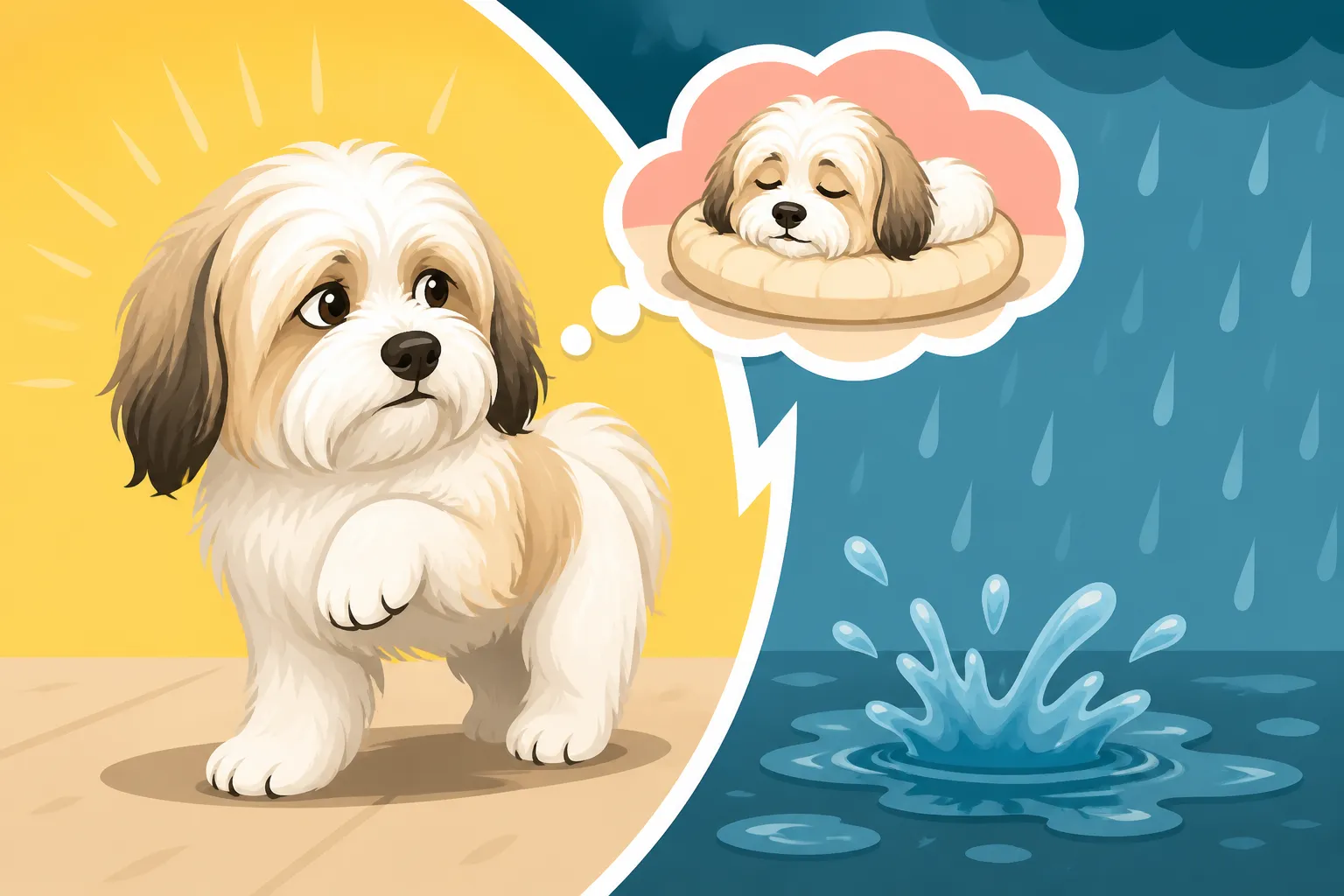
Imagine stepping barefoot onto something cold, squishy, and unfamiliar. While we might shrug it off, a Havanese experiences the world primarily through their paws, nose, and mouth. Their paw pads, while tough, are also highly sensitive. Water, especially cold water, changes the texture and temperature of their environment in a way that can feel very strange or even unpleasant.
Think about how their long, silky hair often grows between their paw pads. When this hair gets wet, it can clump, wick moisture, and stay damp for a long time, leading to an uncomfortable, cold, and heavy feeling between their toes. This isn't just annoying; it can feel genuinely bothersome. Some Havanese also have very fine, delicate hair that can quickly become matted when wet, especially if they then walk on it. The weight and clinginess of wet fur can be quite off-putting, leading them to lift their paws or shake them vigorously, trying to rid themselves of the sensation. It’s not just water they're reacting to, but the feeling of wet hair clinging to their sensitive paws. For a deeper dive into their delicate paw care, you might want to read Whether a Havanese's Paw Hair Needs Trimming.
Learned Aversions and Past Experiences
Sometimes, a Havanese's dislike of wet feet isn't purely sensory; it can be a learned behavior based on past experiences. Maybe they stepped in something truly unpleasant like mud with sharp pebbles, or perhaps a loud noise startled them the last time they were out in the rain. Dogs are incredibly good at associating experiences, and if "wet paws" has ever been paired with something negative, they'll remember it.
Even something as simple as a rushed bath where their feet were roughly handled or not dried thoroughly enough can create an aversion. If every rainy walk meant being pulled quickly through puddles, or if grooming sessions involved a loud, unfamiliar dryer aimed right at their sensitive paws, they could easily develop a strong negative association. This isn't them being stubborn; it's them trying to avoid what their brain tells them is an unpleasant or even threatening situation.
Breed-Specific Traits and Comfort
The Havanese is a toy breed, originally bred for companionship and life indoors. They weren't developed to be outdoor working dogs slogging through fields in all weather. This history might contribute to a preference for clean, dry, and comfortable conditions. Their luxurious double coat, while beautiful, can also become waterlogged and heavy, making a rainy walk feel like dragging a soaking blanket.
Furthermore, some Havanese are simply more sensitive than others. Just like people, some dogs are more particular about certain sensations. This inherent sensitivity, combined with their dense coat and the learned associations, can make for a dog who genuinely hates getting their feet wet. It’s not about defiance; it’s about their comfort and perception of the world around them. Understanding this can help us approach the problem with more patience and empathy.
Navigating Rainy Days and Damp Terrain
So, you understand why they might hate it. Now, what do you do when nature calls, and it's pouring rain outside? Or when the morning dew turns your backyard into a tiny, terrifying swamp for your little land shark? There are several practical approaches to minimize their discomfort and get them to do their business without turning it into a battle of wills.
Practical Paw Protection: Boots and Waxes
One of the most direct ways to combat wet paw aversion is to physically protect their feet. Dog boots can be a game-changer for many Havanese. They provide a barrier against water, mud, and even cold, keeping those sensitive pads dry and warm. The key is finding boots that fit well—not too tight, not too loose—and introducing them gradually. Start by letting your Havanese wear them for short periods indoors, rewarding heavily with treats and praise. Think of it as a fun new game, not a chore. You can find a good variety of options on platforms like Amazon, from lightweight silicone covers to more durable fabric boots.
Paw wax is another excellent, though less absolute, option. Products like Musher's Secret or similar paw balms create a protective barrier on their paw pads, helping to repel water and prevent ice balls from forming between their toes in winter. While it won't keep the fur entirely dry, it can significantly reduce the feeling of cold, wet pads and make the sensation less intense. This can be a good stepping stone if boots are too much, too soon.
| Paw Protection Method | Pros | Cons | Ideal Use Case |
|---|---|---|---|
| Dog Boots | Keeps paws completely dry; protects from debris and extreme temps. | Can be tricky to fit; some dogs resist wearing them; can slip off. | Heavy rain, snow, icy conditions, rough terrain. |
| Paw Wax/Balm | Easy to apply; less intrusive; provides some water resistance and conditioning. | Doesn't keep fur entirely dry; needs reapplication; not for deep puddles. | Light rain, dewy grass, minor snow, general conditioning. |
| Quick Trips | Minimizes exposure to wetness. | Doesn't solve the underlying aversion; owner gets wet. | Urgent potty breaks, short bursts of light rain. |
Creating a "Safe" Outdoor Potty Area
If your Havanese truly hates the rain and refuses to go out, sometimes you need to create a designated "dry" potty spot. This could be a covered patio, a small section under an awning, or even a pop-up canopy set up in a corner of your yard. The idea is to give them a space where they can relieve themselves without feeling completely exposed to the elements or having their paws doused.
For persistent refusals, you might need to reconsider your approach to housetraining in challenging weather. Take them out on a leash to their designated spot, stay with them, and be patient. Don't scold them for not going quickly; instead, praise them enthusiastically the moment they do their business, even if it's just a tiny pee. Consistency and positive reinforcement are key here. This might also be where skills learned in a program like BAXTER & Bella's online training can help, teaching "go potty" on cue, which can be invaluable when the weather is less than ideal. If you're struggling with housetraining in tricky conditions, you might find some good advice in Housetraining a Havanese in a Cold Climate.
The Post-Walk Drying Routine
No matter how much you try to avoid it, sometimes wet paws are inevitable. Having a quick and comfortable drying routine in place can make a world of difference. As soon as you come inside, gently but thoroughly dry their paws. Keep a soft, absorbent towel right by the door for this purpose. Many Havanese will tolerate this much better if it's a calm, positive experience.
Pay special attention to the hair between their paw pads, as this is where moisture tends to linger and can lead to matting or skin irritation. A small, dedicated paw dryer (often available on Amazon) can also be useful, but introduce it slowly to avoid startling them with the noise. Some dogs prefer a quick blot and then a few minutes on a cozy mat by a warm air vent. The goal is to get them dry and comfortable as quickly as possible, reinforcing that wet feet are a temporary, manageable inconvenience, not a prolonged torment. This swift action can help prevent discomfort and potential skin issues under that beautiful coat, as discussed in Skin Trouble Under a Havanese Coat.
Making Bath Time a Splash, Not a Struggle
While navigating wet outdoor conditions is one challenge, bath time presents another. This is a full-body wetting experience, and for a Havanese who despises damp paws, it can be a source of significant anxiety. Turning bath time into a positive, or at least tolerable, experience requires patience, consistency, and the right approach.
Gradual Introduction and Positive Reinforcement
Never force your Havanese into a bath. This will only create a stronger negative association. Instead, introduce the bath environment gradually and positively. Start with just sitting them in the dry tub or on the bath mat with treats and praise. Let them explore the space. Then, introduce a tiny bit of lukewarm water, perhaps just enough to cover their paw pads, again, with treats. You're building positive associations with the place and the sensation of water.
Use a non-slip mat in the tub to make them feel secure. The fear of slipping can add to their anxiety. Keep your voice calm and reassuring. Offer their favorite high-value treats throughout the process. The goal is to make them associate the tub and water with good things. If they have a toy they love, let them bring it into the tub. Slow and steady wins the race when it comes to desensitizing them to something they fear. For general grooming desensitization, Getting a Havanese Used to Brushing as a Puppy offers excellent foundational tips.
The Right Tools and Techniques
Having the right grooming tools can significantly impact your Havanese's bath time experience. Use a gentle, pH-balanced dog shampoo that won't irritate their skin or eyes. A hand-held shower sprayer can be much less intimidating than pouring water over their head and makes rinsing easier and more controlled. Always use lukewarm water, never too hot or too cold.
When washing their feet, do so gently. Support their body, so they feel secure. For drying, a super-absorbent microfiber towel followed by a low-heat, quiet dog-specific force dryer (many reliable options are on Amazon) is ideal. The key here is to dry them thoroughly but without causing undue stress. The force dryer helps push water out of their dense coat quickly, reducing the overall drying time and the prolonged sensation of wetness. Remember, their long coat can hold a lot of water, so thorough drying is essential to prevent matting and chills. For more general advice on bathing, check out How Often a Havanese Should Be Bathed.
Post-Bath Comfort and Reward
The moments immediately following the bath are crucial. Once they are thoroughly dry and brushed out (to prevent those dreaded mats!), give them a special treat, a favorite chew toy, or engage in a short, fun play session. This reinforces the idea that the unpleasant part is over and good things follow. Make sure they are warm and comfortable.
The entire experience, from the moment they enter the bathroom to the final brush stroke, should be as calm and positive as possible. Avoid rushing or showing your own frustration, as dogs are very adept at picking up on our emotions. With consistent, gentle effort, you can transform bath time from a dreaded ordeal into a manageable routine, and even a time for bonding. This dedication to positive experiences extends beyond bath time, influencing their overall well-being and willingness to cooperate in other areas, such as detailed in Whether a Havanese Fights a Brush.
Long-Term Strategies for Water Confidence
Building water confidence in your Havanese is a marathon, not a sprint. It involves consistent positive reinforcement, patience, and sometimes a little creative thinking to reframe their perception of water and wetness.
Play-Based Desensitization
Instead of directly exposing them to full-on wet conditions, try incorporating water into play in a very low-stakes way. On a warm day, put a very shallow dish of water outside and drop some floating toys or treats in it. Let them investigate at their own pace. Don't force them to touch the water; just let curiosity lead them.
Another idea is to use a damp washcloth to wipe down a small section of their fur, then immediately reward and praise. Gradually increase the area you wipe. You're teaching them that a little wetness is not scary and leads to good things. This is a form of counter-conditioning, changing their emotional response to the trigger (water). Remember the importance of play and positive reinforcement for Havanese; they often respond incredibly well to it, as noted in Whether a Havanese Learns to Fetch.
Training and Trust Building
A solid foundation of obedience and trust can make a huge difference in how your Havanese responds to uncomfortable situations. If they trust you to guide them and know that following your cues leads to good outcomes, they're more likely to cooperate when it comes to things they dislike. Work on basic commands in a variety of environments.
Consider enrolling in an online puppy training program or consulting with a professional trainer. Platforms like BAXTER & Bella offer comprehensive online programs that focus on positive reinforcement and building a strong relationship between dog and owner. They can provide structured guidance on desensitization techniques that can be applied to specific fears like water aversion, offering tools to gradually expose your Havanese to new sensations in a positive, controlled manner. A well-trained Havanese is a confident Havanese, and confidence can go a long way in overcoming fears. You might also find general training tips helpful in The Circus Dog Brain Inside a Havanese.
Patience and Persistence
The most important strategy of all is boundless patience. Your Havanese didn't develop this aversion overnight, and they won't overcome it instantly either. There will be setbacks. There will be days they flat-out refuse. Don't get discouraged. Celebrate small victories, like them stepping one paw into a damp spot without a full meltdown.
Avoid scolding or punishing them for their reluctance. This only reinforces their fear and damages your bond. Instead, keep sessions short, positive, and end on a good note whenever possible. If they show clear signs of stress or fear (e.g., trembling, tail tucked, trying to escape), take a step back and try an easier version of the exercise. Consistency, empathy, and a gentle approach will eventually yield results, making rainy days and bath times far less stressful for both of you. This consistent, positive approach is foundational to raising a happy, well-adjusted Havanese, a topic explored further in The First Year With a Havanese Puppy.
Disclaimer
This article is for general informational purposes only and does not constitute professional advice. Laws, prices and regulations vary by location and change over time. Consult a qualified professional for guidance on your specific situation.