Whether a Havanese’s Paw Hair Needs Trimming
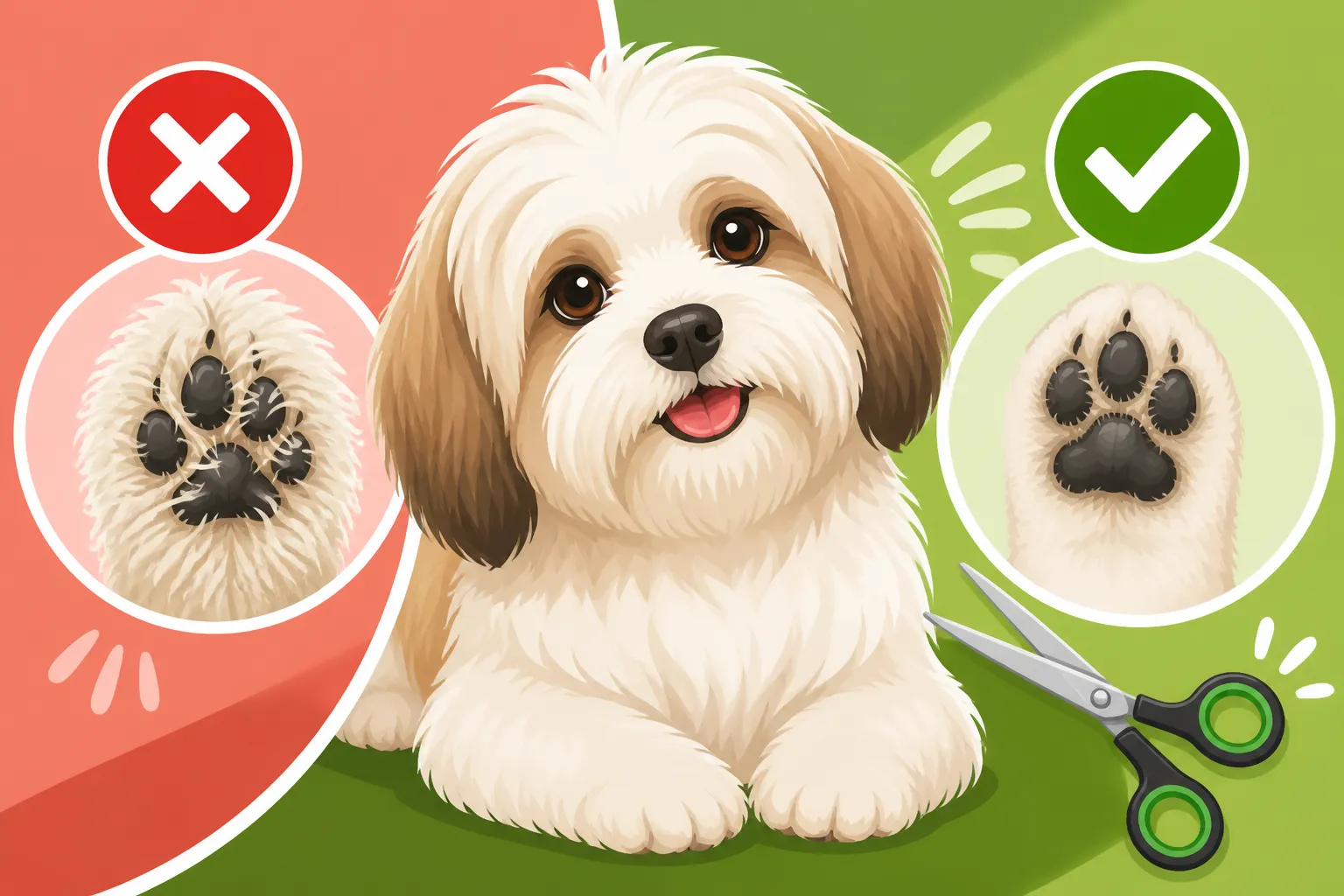
One of the most common frustrations Havanese owners face isn't just dealing with that luxurious, often mat-prone coat on their dog's body, but the often-overlooked hair that grows between their little paw pads. This seemingly small detail can lead to real discomfort, painful matting, and even slippery mishaps for your beloved companion. This comprehensive guide will walk you through why keeping that paw hair trimmed is so vital, how you can tackle it safely at home, and when it’s best to call in a professional.
Why Paw Hair Trimming is More Than Just Aesthetics for Your Havanese
It's easy to think of paw hair trimming as just another cosmetic chore, something you do to make your Havanese look tidier. But for these wonderful little dogs, the hair that grows between their pads can have a significant impact on their comfort, safety, and overall health. Owners often don't realize the extent of the issues until their Havanese is slipping and sliding or constantly licking their paws.
The Practical Side of Keeping Paws Neat
Imagine trying to walk across a polished floor wearing socks, but those socks are constantly shifting and collecting pebbles. That's a bit like what it can be for your Havanese when the hair between their paw pads gets too long. It reduces their natural traction, turning your kitchen tiles or hardwood floors into a miniature ice rink. This isn't just a funny quirk; consistent slipping can put undue strain on their joints, especially their hips and knees, which are areas Havanese can already be prone to issues like patellar luxation. Preventing those slips means protecting their tiny legs from potential injury. If you've ever watched your Havanese struggle on a smooth surface, you know the look of trepidation they can get. Whether a Havanese Slips on Hard Floors delves into this further.
Beyond traction, long paw hair can also be a magnet for outdoor debris. Think about all the things your Havanese walks through: grass, dirt, small twigs, burrs, even bits of sidewalk grime. This hair acts like a tiny broom, sweeping up everything in its path and holding onto it. When these foreign objects get lodged deep between the pads, they can cause irritation, tiny cuts, or even embed themselves, leading to pain and potential infection. It’s a constant battle, especially for those of us with adventurous Havanese who love exploring the yard or sniffing every patch of grass on a walk.
Health and Hygiene Benefits
The health implications of untrimmed paw hair go beyond just debris. The dense hair between the pads creates a warm, moist environment, especially after a walk in damp grass, a bath, or even just from sweat. This humid haven is the perfect breeding ground for bacteria and yeast. You might start to notice your Havanese licking or chewing at their paws excessively, or a reddish-brown staining on the fur, which can be a tell-tale sign of yeast overgrowth. The smell can also be a dead giveaway – often described as a "Frito" or "corn chip" scent. Nobody wants their sweet Havanese to have stinky, itchy feet! Whether a Havanese Gets Yeast in Its Ears explains more about yeast infections, which can affect paws too.
Furthermore, long paw hair is highly susceptible to matting. Just like the rest of their The Silky Double Coat a Havanese Grows to the Floor, the fine hair on their feet can tangle quickly. These mats, especially those tight against the skin between the pads, can be incredibly painful. They pull on the skin with every step, making walking uncomfortable and even leading to raw spots or skin infections if left unchecked. A small mat can grow into a painful pelt if not addressed promptly, sometimes even requiring a vet visit to safely remove. Consistent, gentle trimming is a preventative measure that saves your Havanese a lot of unnecessary discomfort.
How to Safely Trim Your Havanese's Paw Hair at Home
Taking on the task of trimming your Havanese’s paw hair yourself can feel a bit daunting at first, especially with those wiggling little toes! But with the right tools, a calm approach, and a bit of practice, it's definitely something you can master. The key is to make it a positive experience for your dog from a young age, associating paw handling with praise and treats.
Gathering Your Tools
Before you start, make sure you have everything you need laid out. This isn't a task you want to pause mid-way through because you're searching for scissors.
- Small, Blunt-Nose Scissors: These are your best friend for paw trimming. The blunt tips significantly reduce the risk of accidentally poking or cutting your Havanese’s delicate paw pads. Look for ones specifically designed for pet grooming.
- Small, Quiet Clippers (Optional but Recommended): For owners who prefer not to use scissors or have a particularly sensitive Havanese, a small, cordless clipper can be a great investment. Choose one designed for delicate areas, as these are often quieter and vibrate less, making the experience less stressful for your dog. Brands like Wahl or Andis offer good options, and you can often find a variety of choices on Chewy or Amazon.
- Fine-Tooth Comb: This is essential for brushing out the hair between the pads to see what you're working with and to remove any loose fur before trimming.
- Styptic Powder: This is an absolute must-have in your grooming kit. Accidents can happen, and if you accidentally nick a quick while trimming nails, or catch a bit of skin, styptic powder will quickly stop the bleeding. It’s better to have it and not need it, than need it and not have it!
- High-Value Treats: Your Havanese will appreciate rewards for their cooperation. Think small, delicious treats they absolutely love. Maybe some freeze-dried chicken or a tiny bit of their favorite fresh food from Ollie.
- Good Lighting: Clear visibility is paramount to avoid accidents.
Having a dedicated What a Home Grooming Kit Costs a Havanese Owner will make all your at-home grooming tasks much smoother.
Step-by-Step Trimming Guide
Ready to get started? Here's a safe, step-by-step approach to trimming your Havanese's paw hair:
- Find a Calm Environment: Choose a quiet spot where both you and your Havanese can be relaxed. A non-slip surface, like a bath mat on a table or even just the floor, can help your dog feel more secure.
- Handle Paws Gently: Begin by gently massaging and handling each paw. Praise your Havanese and offer treats to build a positive association. If they're resistant, take breaks and try again later. This is a marathon, not a sprint, especially when first introducing this.
- Brush Out the Hair: Using your fine-tooth comb, carefully brush the hair upwards and outwards from between the paw pads. This helps you see how much hair needs to be removed and separates any mats.
- Trim with Caution (Scissors):
- Hold the paw firmly but gently, ensuring your Havanese feels secure.
- Push the paw pads apart slightly to expose the hair that extends beyond the pads.
- Using your blunt-nose scissors, trim only the hair that is clearly protruding past the pads. Always hold the scissors parallel to the paw pad, never pointing them directly into the pad.
- Work slowly and take very small snips. Think of it like giving a tiny haircut, not a major chop.
- Repeat for each paw, paying attention to the hair between the individual toes as well as the main pad.
- Trim with Caution (Clippers):
- If using clippers, use a small blade (e.g., a #10 or #15 blade) and gently glide it against the direction of hair growth.
- Stretch the paw pads slightly to get into crevices.
- Again, go slowly and use short strokes, making sure not to press too hard against the skin.
- Always ensure the clipper blade is cool; friction can heat them up quickly.
- Check for Snags and Mats: After trimming, run your fingers through the paw hair to feel for any remaining snags or small mats. If you find any, carefully work them out or trim them with extreme care.
- Reward and Praise: Once you're done, lavish your Havanese with praise and extra treats. End the session on a positive note, no matter how long or short it was.
Remember, the goal is not to shave the paw pads bare, but to trim the excess hair so it's level with the pads, allowing for better traction and preventing debris collection.
What to Avoid When Trimming Paw Hair
When trimming your Havanese's paw hair, there are a few critical mistakes to steer clear of to ensure their safety and comfort:
- Rushing the Process: Never try to trim paws when you're in a hurry or feeling stressed. Your tension will transfer to your Havanese, making them squirm and increasing the risk of an accident. Take your time, and if your dog is getting antsy, take a break.
- Using Pointy Scissors: Kitchen or craft scissors are a big no-no. Their sharp tips are far too dangerous for such a delicate area. Always use blunt-nose grooming shears.
- Cutting Too Close to the Skin: You want to trim the hair even with the pads, not below them. Cutting too short can lead to skin irritation, ingrown hairs, or even cause your Havanese to slip more if there's no protective hair.
- Forcing Your Havanese: If your Havanese is truly stressed or fighting you, don't force it. You risk injuring them or creating a lifelong aversion to paw handling. Sometimes, a short, positive session is better than a long, traumatic one.
- Neglecting Nail Trims: While this guide focuses on hair, don't forget How Often a Havanese's Nails Need Cutting. Overgrown nails can cause just as many problems for paw health and gait as overgrown paw hair. Many groomers recommend doing both at the same time.
When to Call a Professional Groomer for Paw Maintenance
While at-home paw maintenance is a wonderful skill to develop, there are definitely times when enlisting the help of a professional groomer is the smartest, safest, and kindest option for your Havanese. Don't feel like a failure if you need to; groomers are trained experts!
Recognizing When You Need Help
It's important to be honest with yourself about your comfort level and your Havanese's tolerance. Here are some signs it might be time to book a professional groomer:
- Severe Matting: If the hair between your Havanese's pads has become a solid, painful mat, it's often best left to a professional. They have specialized tools and techniques to safely remove these without injuring the delicate skin underneath. Trying to cut out severe mats at home can easily lead to accidental cuts.
- Fear or Aggression: Some Havanese simply do not tolerate having their paws handled, no matter how gently you try. If your dog is consistently struggling, growling, snapping, or showing extreme fear, a professional groomer is equipped to handle these behaviors with patience and expertise, often with an extra set of hands.
- Lack of Confidence: If you're nervous about using scissors or clippers near your dog's sensitive pads, that nervousness can transfer to your Havanese. It’s perfectly okay to admit you're not comfortable and seek professional help. Better safe than sorry!
- Physical Limitations: If you have arthritis, shaky hands, or other physical limitations that make precise grooming difficult, a professional groomer ensures the job gets done safely and effectively.
- Time Constraints: Life gets busy! If you simply don't have the consistent time to dedicate to regular paw maintenance, scheduling professional grooms will keep your Havanese comfortable and healthy. Remember, How Long Home Grooming a Havanese Takes can vary greatly depending on your dog's coat and temperament.
The Benefits of Professional Paw Trims
Bringing your Havanese to a professional groomer for their paw trims offers several distinct advantages. For one, groomers have specialized tools and years of experience. They know how to handle even the most reluctant Havanese and can quickly and efficiently trim the paw hair without causing stress or injury. They also have professional-grade clippers that are often more effective and safer than home versions.
A professional groomer will not only trim the hair between the pads but will also inspect the entire paw for any abnormalities. They often spot early signs of issues you might miss, like ingrown nails, skin irritations, small cuts, foreign objects, or early signs of yeast or bacterial infections. This proactive approach can catch problems before they become serious. They can also provide a full groom, which often includes a thorough bath, blow-dry, and brushing of the entire coat, ensuring your Havanese looks and feels their best. Consider that What a Full Havanese Groom Costs often includes this level of detail. They can also tackle other necessary tasks like Whether a Havanese's Sanitary Area Needs Trimming as part of a complete grooming package.
Beyond Trimming: Comprehensive Paw Care for Your Havanese
Trimming the hair between your Havanese’s paw pads is just one piece of the puzzle when it comes to keeping their feet healthy and happy. A holistic approach to paw care will ensure your little companion has comfortable feet for all their adventures, whether it's zooming around the living room or taking a leisurely stroll in the park.
Protecting Paws from the Elements
Our Havanese's paws are their connection to the world, and they face a lot of challenges from different environments. Hot pavement in summer can cause painful burns. Imagine walking barefoot on asphalt on a scorching day – that's what your Havanese experiences. Conversely, in winter, snow, ice, and especially de-icing chemicals or road salt can be incredibly harsh on their delicate paw pads. Whether Road Salt Hurts a Havanese's Pads is a real concern and can lead to cracking and irritation.
To protect their paws, consider using paw balms or waxes. Products like Musher's Secret or natural paw balms can create a protective barrier against extreme temperatures and irritating substances. Apply them before walks, especially in harsh conditions. For severe weather, dog booties are an option, though getting a Havanese to tolerate them can sometimes be a humorous challenge! Always wipe your Havanese's paws clean with a damp cloth after walks, especially in winter, to remove any salt or chemicals. This simple act can prevent a lot of irritation and future problems.
Recognizing Paw Problems Early
Being observant about your Havanese’s paws is crucial. They can't tell you directly if something hurts, so you need to look for the signs. Regularly (ideally daily or every other day, especially after walks) check their paw pads and between their toes.
Here’s a quick checklist for what to look for:
| Symptom / Observation | Potential Issue | Action |
|---|---|---|
| Excessive licking or chewing | Irritation, allergies, pain, yeast | Inspect for redness, swelling, foreign objects. Consult vet if persistent. |
| Redness or swelling | Infection, injury, allergic reaction | Clean gently, apply cold compress. Vet visit if severe or worsening. |
| Limping or reluctance to walk | Injury, foreign object, joint pain | Carefully inspect pads and between toes. Check for tenderness. Vet visit if cause isn't obvious. |
| Unusual odor (e.g., "Frito") | Yeast or bacterial infection | Thorough cleaning and drying. Consider medicated paw wipes. Vet if persistent. |
| Cuts, scrapes, or abrasions | Injury from sharp objects | Clean with mild antiseptic, keep dry. Monitor closely for infection. Vet for deep wounds. |
| Dry, cracked, or peeling pads | Dehydration, environmental exposure, injury | Apply paw balm or moisturizer. Ensure good hydration. Vet if severe or bleeding. |
| Matted hair between pads | Neglected grooming | Gently comb out if minor, carefully trim. Seek professional help if severe. |
| Discolored nails or nail beds | Fungal infection, injury | Vet visit for diagnosis and treatment. |
Don't ignore subtle changes. Your Havanese might try to hide discomfort, so a regular, gentle inspection is a fundamental part of their care routine. Early detection of any of these issues can prevent minor problems from escalating into painful and costly veterinary visits. By combining regular paw hair trimming with diligent observation and protective measures, you'll be giving your Havanese the gift of comfortable, healthy feet throughout their happy, long life.
Disclaimer
This article is for general informational purposes only and does not constitute professional advice. Laws, prices and regulations vary by location and change over time. Consult a qualified professional for guidance on your specific situation.