Whether a Havanese Settles After Exercise
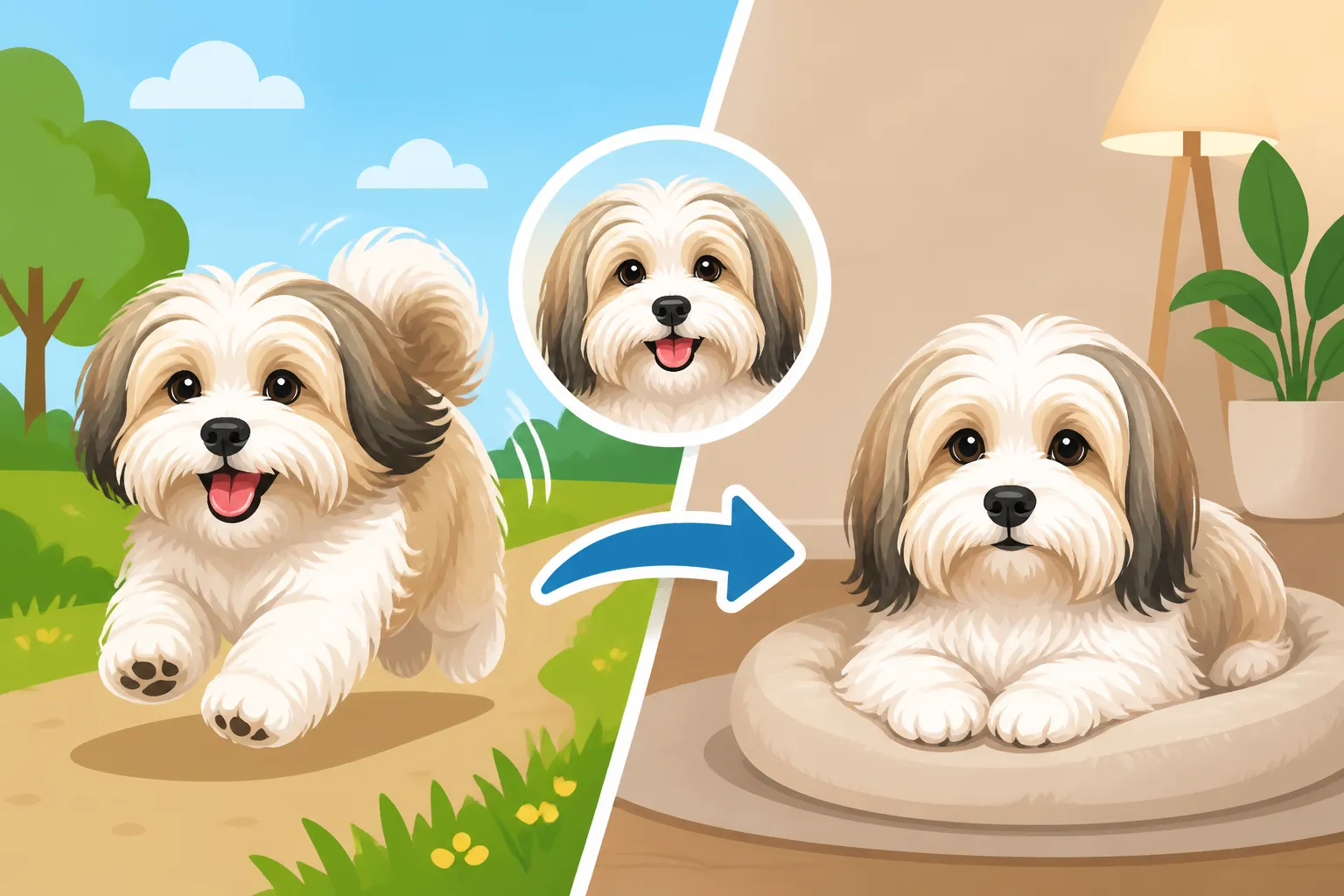
It's a common thought for us Havanese owners: after a good romp or a brisk walk, shouldn't our little fluffballs be ready for a nap? You've given them some exercise, watched them burn off energy, and now you're hoping for a peaceful, settled dog curled up beside you. But sometimes, it feels like the exercise just wound them up more, leading to a second wave of zoomies or an inability to truly relax. This guide is all about understanding why your Havanese might not settle immediately after activity and how you can help them achieve that coveted post-play calm.
Understanding the Havanese Energy Profile
Havanese, with their charming personalities and spirited nature, often defy their small size when it comes to energy. They aren't typically a breed that needs hours upon hours of hardcore physical exertion, but they certainly aren't couch potatoes either. Their energy is often expressed in short bursts of intense play, followed by periods of cuddly contentment. The trick is to understand their natural rhythm and how exercise fits into it.
The "Velcro Dog" Nature and Activity Levels
One of the most endearing, and sometimes demanding, traits of a Havanese is their "Velcro dog" tendency. They thrive on companionship and want to be involved in whatever you're doing. This means their activity levels are often intertwined with yours. If you're bustling around the house, they're likely to be trotting at your heels, even if it's not a structured exercise session. This constant, low-level activity can actually contribute to them feeling more "on" throughout the day, rather than truly settling.
Think about it: they're always ready for the next adventure, whether it's a trip to the kitchen or a chase game in the living room. This inherent readiness, coupled with their intelligence, means they're constantly observing, processing, and often trying to anticipate your next move. This mental engagement, while delightful, can also keep their minds quite active. It's not just about physical exertion for a Havanese; it's about their overall mental state. If their minds aren't winding down, their bodies might struggle to follow suit, even if they've had a decent walk. Understanding How Much Exercise a Havanese Needs is the first step, but it's equally important to consider the quality and type of that exercise.
Typical Havanese Energy Bursts and Downtime
Havanese are known for their playful "puppy-like" demeanor well into adulthood. They often have distinct energy bursts – those sudden explosions of running, spinning, and toy-tossing that seem to come out of nowhere. These "zoomies" are a completely normal way for dogs to release pent-up energy, and they can happen at any time, including after what you might consider sufficient exercise.
It's crucial to distinguish between a Havanese being genuinely under-exercised and simply having one of these energy bursts. If your Havanese is constantly seeking play, nipping, or pacing, it might be a sign they need more activity or mental stimulation throughout the day. However, if they have a good run and then thirty minutes later are tearing around the house, it could just be a typical Havanese expressing joy and releasing a bit more steam. The ideal is for these bursts to be followed by a period where they can comfortably relax, settling down for a nap or a quiet chew. If you notice your Havanese struggling to relax indoors, it might be worth exploring Whether a Havanese Is Calm Indoors.
The Role of Exercise in Havanese Settling
Exercise is absolutely vital for a Havanese's physical and mental well-being, but it's not a magic bullet for instant calm. The type, intensity, and timing of the exercise all play a significant role in whether your Havanese settles down afterward or seems to get more revved up.
How Different Types of Exercise Impact Behavior
Not all exercise is created equal when it comes to promoting a settled state.
- Structured Walks: A leash walk around the neighborhood is great for physical activity, sniffing, and socialisation. However, if it's a highly stimulating walk with lots of new sights, sounds, and other dogs, it can actually leave your Havanese mentally hyped rather than calm. A Havanese that is constantly on alert, reacting to every squirrel or passing jogger, might come home physically tired but mentally restless.
- Off-Leash Play (in a safe area): This is where Havanese often shine! A good, energetic run in a secure backyard or a dog park (if your Havanese enjoys them) allows them to sprint, chase, and engage their natural instincts. This kind of intense, self-directed play can be very effective in tiring them out both physically and mentally. Just be mindful of overstimulation in busy dog parks.
- Fetch and Interactive Games: These are fantastic for Havanese. Not only do they provide physical exercise, but the interaction with you adds a layer of mental engagement. For instance, playing fetch with a favorite toy from a brand like KONG or Chuckit! can be incredibly satisfying. The act of retrieving and bringing the toy back requires focus and energy.
- Training Sessions: Don't underestimate the power of mental exercise! Just 10-15 minutes of focused training can be as tiring, if not more so, than a long walk for a Havanese. Learning new tricks, practicing obedience cues, or engaging in puzzle toys stimulates their The Circus Dog Brain Inside a Havanese and can lead to a deeper, more satisfied form of tiredness. Many online programs, such as those from BAXTER & Bella, emphasize mental engagement as a core part of their training philosophy, which can be invaluable for Havanese owners.
A good mix of these types of exercise is often the most effective. Too much of one kind, especially highly stimulating types, without adequate wind-down, can be counterproductive.
Finding the Right Balance of Activity
The key to a settled Havanese often lies in finding their individual "sweet spot" for exercise. This isn't a one-size-fits-all formula, as every dog is unique.
Too Little Exercise: If your Havanese isn't getting enough physical and mental activity, they will undoubtedly have pent-up energy that manifests as restlessness, destructive chewing, excessive barking, or an inability to settle at all. They might pace, demand attention constantly, or even seem hyperactive. This is often the first thing owners troubleshoot, and for good reason.
Too Much Exercise/Over-Stimulation: This is where it gets tricky. Sometimes, owners think more exercise is always better. However, over-exercising a Havanese, especially with high-intensity or highly stimulating activities, can lead to an "overtired" state. Instead of calmly crashing, an overtired Havanese might become even more wired, irritable, prone to snapping, or unable to relax. They might have difficulty sleeping, seem anxious, or engage in more zoomies as their body tries to process the adrenaline and cortisol. It’s like a toddler who gets past their bedtime and suddenly has a second wind of uncontrollable energy.
The ideal is a balance: enough activity to satisfy their physical and mental needs without pushing them into an overtired state. This might mean two shorter, engaging walks a day combined with a training session, or one long walk with some focused playtime. Observe your Havanese closely: do they seem genuinely content after their activity, or do they still seem antsy? Do they quickly settle into a nap, or do they wander around looking for more to do?
Strategies for Encouraging Post-Exercise Calmness
Once your Havanese has had their dose of appropriate exercise, there are several things you can do to help them transition into a calm, settled state rather than getting a second wind.
Creating a Wind-Down Routine
Just like children, dogs benefit immensely from routines, especially when transitioning from high energy to low energy.
- The Decompression Walk: Instead of ending a vigorous walk by immediately going inside, consider a "decompression walk" for the last 5-10 minutes. This involves allowing your Havanese to sniff freely on a long leash in a quiet, safe area. Sniffing is incredibly calming and mentally engaging for dogs, helping them process information and wind down. It's not about covering distance; it's about sensory exploration. You can find longer leashes and harnesses suitable for this type of walk easily on platforms like Amazon.
- Quiet Time Immediately After: When you come inside, avoid immediate boisterous play or too much excited interaction. Let your Havanese get a drink of water, then guide them to their designated quiet space – perhaps their crate with a comfy bed, or a favorite dog bed in a peaceful corner of the room.
- Calming Chews or Lick Mats: Offering a long-lasting, appropriate chew (like a bully stick or a Himalayan dog chew) or a lick mat smeared with peanut butter or yogurt can be incredibly effective. Licking and chewing are natural calming behaviors for dogs. The repetitive motion releases endorphins, helping them relax. This is a great way to occupy them for 15-30 minutes as they physically and mentally wind down.
- Gentle Petting and Massage: Some Havanese respond very well to gentle, calm petting or a light massage after exercise. Stroking their fur slowly and rhythmically can help lower their heart rate and encourage relaxation. Pay attention to their cues; if they lean into your touch and close their eyes, you're on the right track. If they get squirmy or try to initiate play, they might not be ready for this yet.
Consistency is key here. If your Havanese learns that after activity comes this quiet wind-down period, they will start to anticipate it and respond more readily.
Mental Stimulation for a Settled Havanese
Physical exercise is just one piece of the puzzle. Havanese are intelligent dogs, and their minds need to be worked too. Mental stimulation can be just as tiring, if not more so, than physical exercise, and it often leads to a more profound, settled calm.
- Puzzle Toys: These are fantastic for Havanese. Toys that require them to figure out how to get treats (like KONG Wobblers or snuffle mats) engage their problem-solving skills and provide focused, quiet activity. Many of these can be purchased online from retailers like Amazon. This is a great way to channel their Whether a Havanese Enjoys Puzzle Toys energy into productive thought, leaving them mentally satisfied and ready for rest.
- "Find It" Games: Hide treats around the house and encourage your Havanese to use their nose to find them. This is a low-impact, mentally engaging game that tires them out without over-exciting them. Start easy and gradually make it more challenging.
- Short Training Sessions: As mentioned earlier, even a 5-10 minute training session can be mentally exhausting in a good way. Practice a few known cues, teach a new trick, or work on impulse control. The focus and concentration required can really help settle their minds. Positive reinforcement techniques, often taught in online puppy courses like those offered by BAXTER & Bella, are excellent for this.
- Enrichment Feeders: Instead of just putting their meal in a bowl, use a slow feeder bowl or a puzzle feeder. This makes mealtime a mental exercise, slowing them down and engaging their brain to get their food.
By incorporating mental challenges, you're not just tiring out their bodies; you're satisfying their clever Havanese brains, which is essential for true calmness.
When a Havanese Doesn't Settle Easily
Despite your best efforts, sometimes a Havanese just seems to struggle with settling down. This can be frustrating, making you wonder if you're doing something wrong. It's important to remember that every dog is an individual, and some simply have higher baseline energy or specific behavioral quirks that need addressing.
Addressing Over-Tiredness and Zoomies
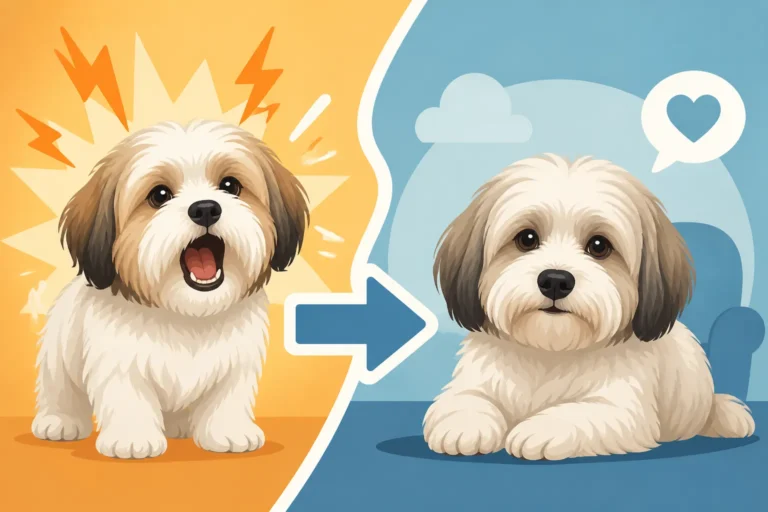
If your Havanese consistently gets a burst of frantic energy or seems more hyper after exercise, it might be a sign of over-tiredness rather than under-exercise. Just like an overstimulated toddler who gets a "second wind" instead of falling asleep, a Havanese can get past the point of being able to settle if they've had too much stimulation or physical exertion.
- Recognize the Signs: Look for signs like frantic running, nipping, difficulty responding to cues, excessive panting (beyond normal post-exercise cool-down), or an inability to lie still even when tired. These aren't signs of a dog enjoying more play; they're signs of a dog who needs to decompress.
- Adjust Exercise: If you suspect over-tiredness, try reducing the intensity or duration of your exercise sessions, or making them less stimulating. Swap a busy dog park visit for a quiet sniffy walk, or a high-energy fetch game for a puzzle toy session. The goal is quality over sheer quantity.
- Enforce Downtime: Even if they seem wired, gently guide them to their quiet space with a calming chew. Sometimes, they need you to help them settle, as they're too revved up to do it themselves. This might mean a short period in their crate if they are crate-trained, where they can't constantly seek stimulation.
It's a balance. You want to provide enough exercise to meet their needs, but not so much that you push them into an overtired, agitated state.
The Importance of Consistency and Training
Like any good habit, learning to settle takes time and consistent effort.
- Build the "Off Switch": Train a "settle" or "place" cue. This involves teaching your Havanese to go to a specific mat or bed and lie down calmly. Start with short durations and gradually increase the time they can remain settled. Reward generously for calm behavior. This gives them a clear signal for what you want them to do after activity.
- Manage Excitement: Havanese are often very responsive to their owners' energy. If you come home from a walk and are excited, talking in a high-pitched voice and encouraging play, your Havanese will mirror that energy. Try to keep your voice calm and your movements slow when you want them to wind down.
- Consider Professional Help: If you're consistently struggling with your Havanese's inability to settle, or if you suspect underlying anxiety or behavioral issues, don't hesitate to consult with a certified professional dog trainer or a veterinary behaviorist. They can offer tailored strategies and identify any deeper causes for restlessness. Online training platforms, like BAXTER & Bella, also offer virtual coaching that can be incredibly helpful for troubleshooting specific behavioral challenges.
Ultimately, helping your Havanese settle after exercise is about creating a predictable environment, understanding their unique energy needs, and providing a blend of physical and mental enrichment that leads to a truly contented, calm companion. It might take some trial and error, but with patience and consistency, you can help your sweet Havanese find their peaceful downtime.
Disclaimer
This article is for general informational purposes only and does not constitute professional advice. Laws, prices and regulations vary by location and change over time. Consult a qualified professional for guidance on your specific situation.