Whether a Havanese Works for Food or Praise
Havanese training motivation relies on food rewards for learning new behaviors and human praise for social connection and approval.

Havanese training motivation relies on food rewards for learning new behaviors and human praise for social connection and approval.

Clicker training for a Havanese uses positive reinforcement and clear communication to teach foundational behaviors and tricks.
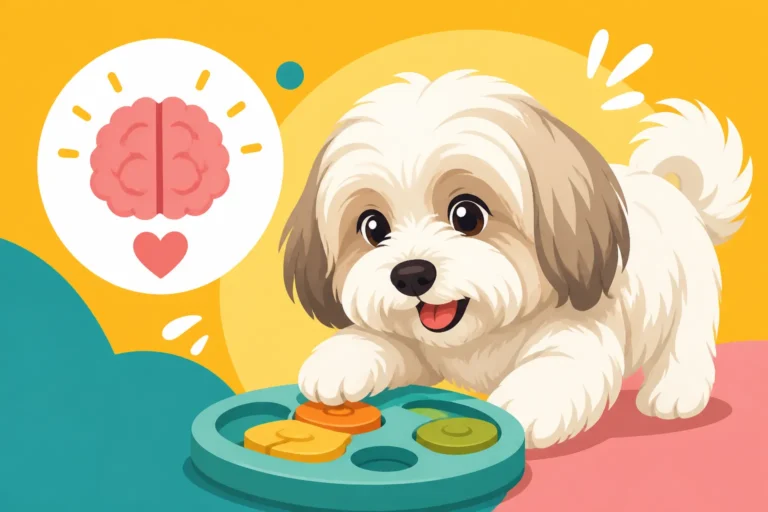
Havanese puzzle toys provide mental stimulation to prevent destructive chewing and excessive barking caused by canine boredom.

Havanese dogs can learn to play fetch through positive reinforcement and patience, proving this toy breed enjoys interactive games.

Havanese walking on hind legs places unnatural stress on small knee joints and the spine, risking potential injury from bipedalism.

Havanese showmanship and natural theatricality explain why these companion dogs perform playful antics to seek human attention and praise.

Canine associative and procedural memory explains whether a Havanese remembers trained tricks after months without practice.

Havanese intelligence, Cuban aristocracy history, and an eagerness to please explain why this breed learns new tricks so quickly.

Havanese intelligence spans instinctive, adaptive, and working categories, explaining how this toy breed learns commands and routines quickly.

The historical reality of Havanese dogs shows they were clever entertainers and parlor trick performers rather than formal circus acts.