Whether a Havanese Shows Off for an Audience
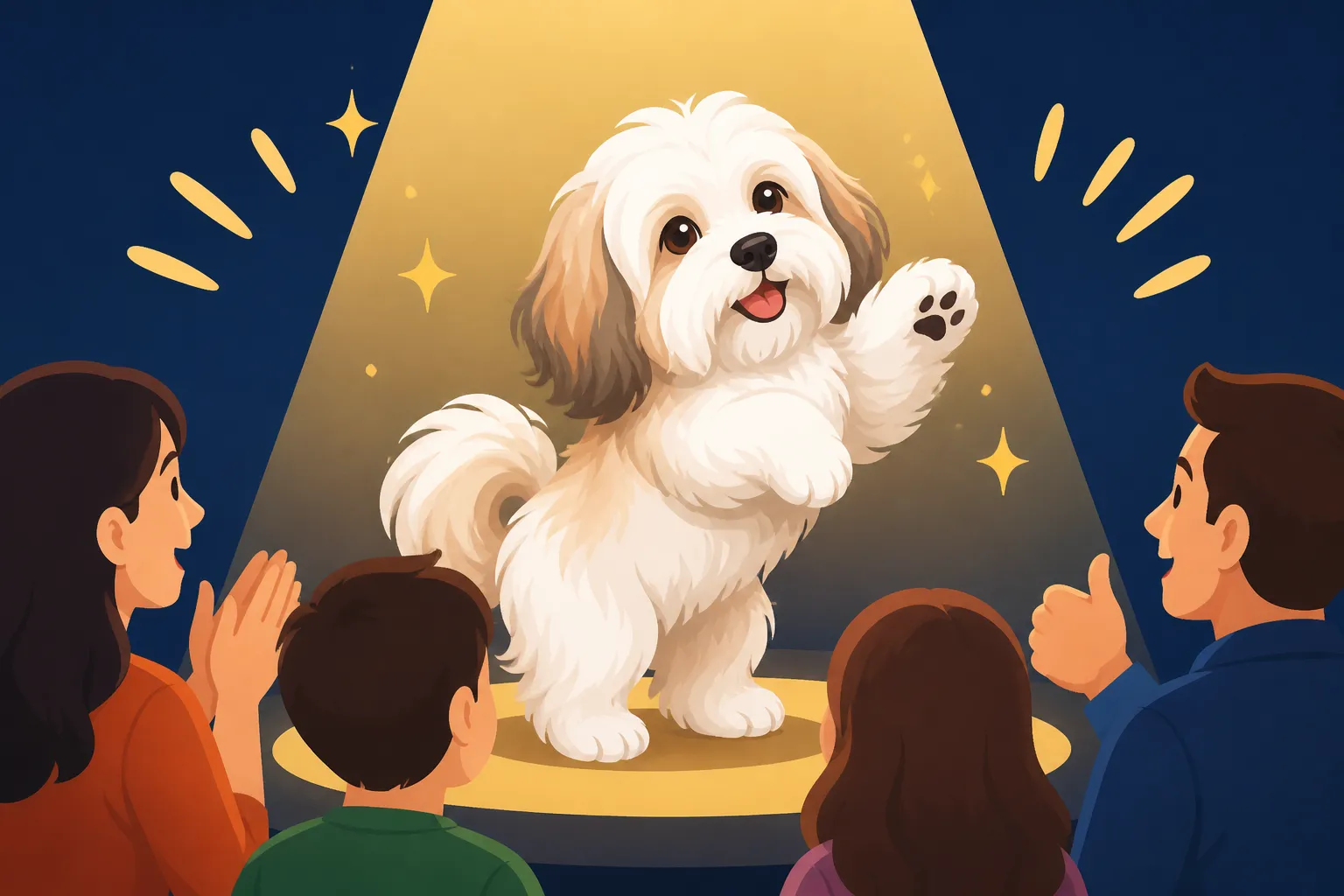
It’s a common and rather endearing observation among Havanese owners: sometimes, it feels like your little fluffball is performing just for you, or for any guests who happen to be around. If you’ve ever wondered if your Havanese truly enjoys being the center of attention and 'showing off' their charming antics, you’re not alone. This guide delves into the Havanese's natural inclination towards performance and how their personality makes them such delightful, albeit sometimes theatrical, companions.
The Innate Performer: Why Havanese Love an Audience
Havanese, with their lively personalities and historical roots as companion dogs for Cuban aristocracy, genuinely seem to relish being the focal point of human affection and amusement. They were bred to entertain and bond closely with their families, a trait that translates beautifully into their modern-day love of "performing." It's not about ego for them; it's about connection, positive reinforcement, and that pure joy of engaging with their favorite people.
A History of Charisma and Companionship
Think about the origins of the Havanese. They weren't bred for hunting, herding, or guarding. Their entire purpose was to be a cheerful, engaging, and beloved companion. They often accompanied ladies of the court, amusing them with their playful antics and intelligent responses. This deep-seated desire to interact and please is a huge part of their charm. When your Havanese is doing a funny little dance, chasing their tail with exaggerated zeal, or proudly presenting a toy, they're often seeking that delightful reaction from you – a laugh, a compliment, a gentle pet. It's a feedback loop: they do something charming, you react positively, and they learn that this interaction is rewarding. This is why you'll often hear about The Circus Dog Brain Inside a Havanese; it's not a joke, but a nod to their inherent theatricality.
The Motivation Behind the Merriment
What truly motivates a Havanese to put on a show? Primarily, it boils down to a few key factors:
- Attention: This is paramount for most Havanese. They thrive on being noticed and included. A quick glance, a smile, or a verbal acknowledgment can be enough to spur them on.
- Praise and Affection: A hearty "Good dog!" or a gentle scratch behind the ears is gold to a Havanese. They respond incredibly well to positive reinforcement, viewing your happy response as a huge reward.
- Treats: Let's be honest, food plays a role! Many Havanese are highly food-motivated, making treats an excellent incentive for learning new tricks and repeating impressive behaviors.
- Play: For many Havanese, the act of "showing off" is simply an invitation to play. They might bounce, pounce, or bring a toy, all designed to initiate an interactive game with you.
- Enrichment: Performing tricks or engaging in clever antics can also be a form of mental and physical enrichment for them. It gives them a "job" to do and challenges their intelligent minds. You might find that Whether a Havanese Enjoys Puzzle Toys ties into this need for mental engagement.
It’s truly a wonderful thing to witness. Your Havanese isn't just a pet; they're a little entertainer, finely tuned to the nuances of your reactions.
Harnessing the Showmanship: Encouraging Positive Performance
Since Havanese are natural performers, it's easy to guide this inclination into positive and structured interactions. Training becomes less of a chore and more of a collaborative art form. You can certainly encourage this show-off tendency in beneficial ways, especially through trick training and social engagement.
Teaching Tricks and Cues
Havanese are famously quick learners, often surprising owners with how rapidly they pick up new commands and tricks. This makes them ideal candidates for teaching a repertoire of crowd-pleasing behaviors. Whether it's a simple "shake a paw" or something more elaborate like "play dead," their eagerness to please shines through. You can start with basic commands and gradually build up to more complex sequences. Consistency is key, along with using high-value treats and enthusiastic praise. Online programs, such as those offered by BAXTER & Bella, can provide structured lessons that make trick training accessible and fun for both you and your Havanese. They provide step-by-step guidance, helping you tap into that inherent "circus dog" brain. Teaching a Havanese Tricks It Will Perform All Day is a great resource if you want to dive deeper into this.
Here’s a simple comparison of training approaches that leverage a Havanese's performance drive:
| Training Approach | Description | Benefits for Havanese Performance |
|---|---|---|
| Lure and Reward | Using a treat to guide the dog into position, then rewarding when the desired action is performed. | Clear communication, builds positive associations, effective for new tricks. |
| Clicker Training | Marking the exact moment of desired behavior with a clicker, followed by a reward. | Precise communication, encourages dog to "offer" behaviors, builds confidence and creativity. |
| Shaping | Rewarding successive approximations of a desired behavior, gradually working towards the full trick. | Great for complex tricks, leverages the Havanese's problem-solving skills, highly engaging. |
| Verbal Cue + Hand Signal | Pairing a spoken command with a visual hand signal, allowing for diverse performance cues. | Versatile for different environments, useful for later stages when performing for an audience. |
Remember, short, frequent training sessions are much more effective than long, drawn-out ones. Your Havanese has a fantastic attention span for learning, but they also appreciate variety and keeping things fresh. How Fast a Havanese Learns a New Trick will tell you more about their impressive cognitive abilities.
Managing Over-Excitement and Attention-Seeking
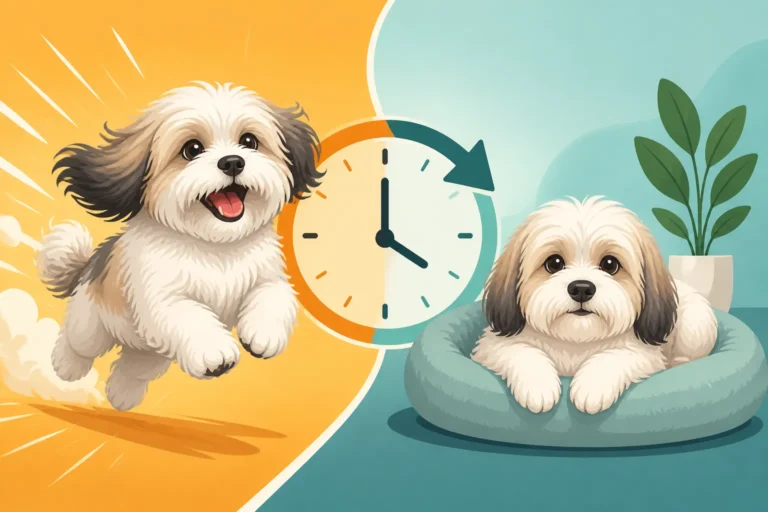
While a Havanese's love for the limelight is generally charming, sometimes it can veer into excessive attention-seeking or over-excitement, especially when new guests arrive. They might jump, bark excessively, or try to monopolize all attention. The key here is to teach them appropriate ways to greet and interact.
- "Place" Command: Train your Havanese to go to a designated "place" (like their bed or mat) when guests arrive. Reward them for staying there calmly, even if it's just for a few seconds initially.
- "Quiet" Command: If barking becomes an issue, teach a "quiet" cue. Reward them for ceasing to bark on command. This takes patience but is incredibly valuable.
- Structured Greetings: Encourage guests to only give attention once your Havanese is calm and all four paws are on the floor. Turning away when jumping occurs helps teach them that calm behavior gets the reward.
- Alternative Engagement: Provide engaging toys, like a Kong filled with peanut butter, or a favorite chew toy that can redirect their energy when you need them to be a bit less "on stage." Many excellent options for these can be found on Amazon, giving your Havanese something constructive to do.
It’s all about balance – celebrating their showmanship while also guiding them towards polite manners.
The Audience That Ignites the Spark
Who exactly is the "audience" that brings out the inner star in a Havanese? The truth is, it can be anyone who offers them positive attention, but some audiences might elicit a more enthusiastic response than others.
Family Members: The Primary Adorers
For most Havanese, their primary family members are their biggest fans. You are the ones they spend the most time with, the ones who provide their care, comfort, and love. They learn your cues, your routines, and what makes you laugh. Therefore, it's often for you that they truly let their personalities shine. Whether it's a dramatic stretch after waking up, a mischievous gleam in their eye before a playful ambush, or proudly bringing you their favorite squeaky toy, these performances are deeply personal and rooted in the strong bond you share. This is the dog that will follow you into every room, as discussed in Why a Havanese Follows You Into Every Room, always eager to be part of your world.
Guests and New Faces: The Novelty Factor
When new people enter the home, a Havanese often senses the novelty and the potential for new sources of attention and admiration. They might initially be a bit reserved, assessing the situation, but once they deem a guest friendly, the show can begin! They might trot out their best tricks, engage in enthusiastic zoomies around the living room, or even try to sit on a new lap for maximum cuddles. This isn't just about seeking attention; it's also a form of social engagement and an expression of their friendly nature. They want to make a good impression and welcome new friends into their circle. This is particularly true if your Havanese is well-socialized and generally comfortable with strangers.
Children and Other Pets: Unexpected Spectators
Children, with their boundless energy and often exaggerated reactions, can be a particularly captivating audience for a Havanese. A child's squeal of delight or a burst of laughter can be an incredibly rewarding response, encouraging the Havanese to amp up their antics. Of course, it's vital to ensure that interactions between A Havanese in a House With Children are always supervised to ensure safety and positive experiences for both child and dog.
Even other pets can be an "audience" of sorts. A Havanese might try to instigate play with a cat or another dog, using playful bows, barks, or chases. While it's a different dynamic than performing for humans, it still involves engaging others and seeking a response.
Encouraging a Confident, Charismatic Havanese
A Havanese that "shows off" isn't necessarily a spoiled or demanding dog; often, it's a confident, well-adjusted Havanese who feels secure enough in their environment and relationships to express their joyful personality. Cultivating this confidence is key to fostering their charming showmanship.
Positive Reinforcement and Secure Attachment
The foundation of a charismatic Havanese lies in positive reinforcement and a secure attachment to their humans. When a Havanese feels loved, safe, and understood, they are more likely to express themselves freely and joyfully. This means consistently rewarding good behavior, providing clear boundaries, and offering plenty of affection and quality time. A dog that trusts its owner is a dog that feels comfortable enough to be its authentic, playful self. Regular training, which should always be positive and reward-based, further builds this bond and confidence. Whether Clicker Training Suits a Havanese is an example of a technique that greatly enhances positive reinforcement.
Think about it: a Havanese who knows that their silly antics or impressive tricks will be met with a smile and perhaps a tasty treat will be more inclined to offer them up. It creates a cycle of positive interaction and mutual enjoyment.
Providing Mental and Physical Outlets
A Havanese with pent-up energy or a bored mind is less likely to be a charming performer and more likely to be a destructive or anxious one. Providing adequate mental and physical stimulation is crucial. This doesn't mean hours of intense exercise; Havanese are relatively low-key in their exercise needs, as explored in How Much Exercise a Havanese Needs. Instead, it means daily walks, interactive play sessions, and plenty of opportunities for mental engagement through training and puzzle toys.
When a Havanese has had their needs met, they are often more content and willing to engage in delightful "performance" behaviors rather than attention-seeking nuisances. A well-exercised and mentally stimulated Havanese is a happy Havanese, and a happy Havanese is often a playful, show-off Havanese. Even small daily rituals, like a game of fetch (and yes, Whether a Havanese Learns to Fetch is a common question, and many do!) or a session learning new tricks, contribute to their overall well-being and their desire to engage with you.
Environmental Enrichment and Social Opportunities
Beyond direct interaction, the environment plays a role. A stimulating home environment with safe toys, comfortable resting spots, and access to windows for "window watching" can prevent boredom. Socialization is also incredibly important. Exposing your Havanese to a variety of people, sounds, and experiences from a young age helps them develop into confident, outgoing individuals who are comfortable interacting with a wider "audience." Puppy classes, for instance, are not just about learning commands but also about crucial early socialization. This prepares them to be charismatic and adaptable, ready to charm any new person they meet.
Ultimately, a Havanese showing off for an audience isn't a sign of naughtiness, but a testament to their delightful personalities, intelligence, and deep desire for connection with their human companions. Embrace it, enjoy it, and nurture that inner star!
Disclaimer
This article is for general informational purposes only and does not constitute professional advice. Laws, prices and regulations vary by location and change over time. Consult a qualified professional for guidance on your specific situation.