How the Goodales Found Havanese in America
Dorothy and Bert Goodale located scattered Havanese dogs in America after the 1959 Cuban Revolution, saving the rare breed.
Is this the right one for you?
Origins and temperament, size and coat, what living with one is actually like, and how it compares to the breeds people weigh against it.

Dorothy and Bert Goodale located scattered Havanese dogs in America after the 1959 Cuban Revolution, saving the rare breed.
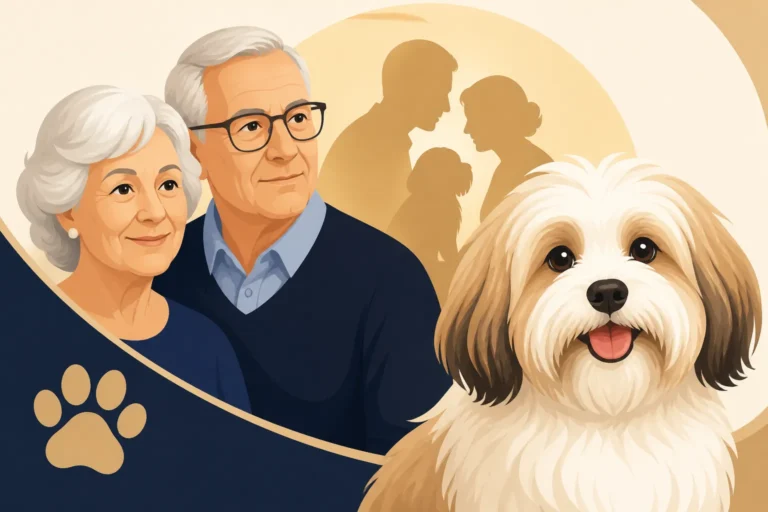
Dorothy and Burt Goodale rescued the Havanese dog breed from extinction following the political upheaval of the 1959 Cuban Revolution.

The survival of Havanese dogs in Cuba after the 1959 revolution, amid severe economic hardship and the exodus of affluent families.

The Cuban Revolution forced families fleeing into exile to make agonizing choices regarding their cherished Havanese pets.

The Cuban Havanese dog breed survived the 1959 revolution when fleeing families brought surviving pets abroad.
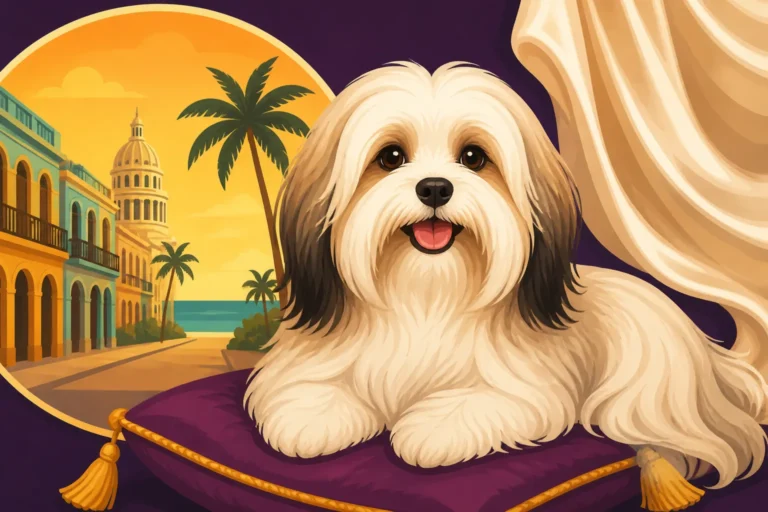
The history of the Havanese dog breed explains why early Cuban ancestors and the Blanquito de la Habana were called Havana Silk Dogs.

Spanish merchants brought ancestral Bichon dogs to Cuba where wealthy colonists kept them as elite colonial pets.

Poodle influence in Cuba transformed the ancient Blanquito into the modern Havanese breed through historical breeding changes.
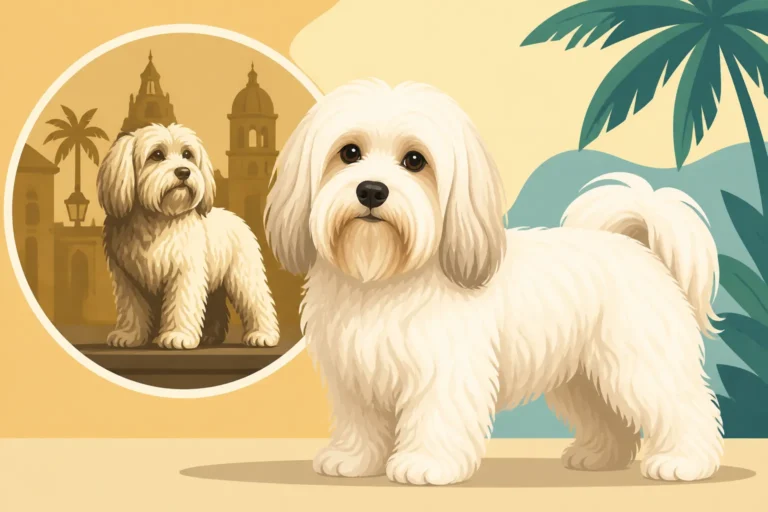
The physical appearance, coat, color, and size of the Blanquito de la Habana, the foundational Havanese ancestor.
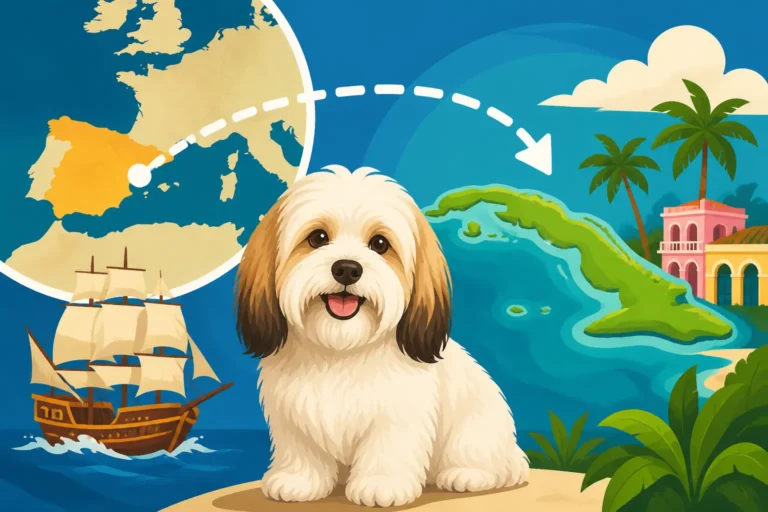
Mediterranean port cities are the ancient origin where small, white Bichon type dogs began their long historical journey.