Whether a Neutered Havanese Gains Weight
Neutered Havanese weight gain stems from lower metabolism and reduced energy levels, requiring owners to adjust calorie intake.
The daily stuff, done right.
Feeding amounts by life stage, coat and skin routines, dental and nail care, exercise needs, and what changes as they age.
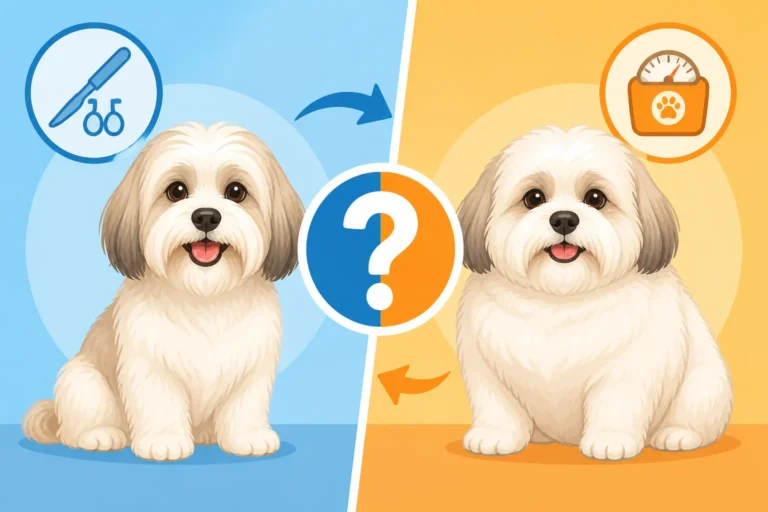
Neutered Havanese weight gain stems from lower metabolism and reduced energy levels, requiring owners to adjust calorie intake.
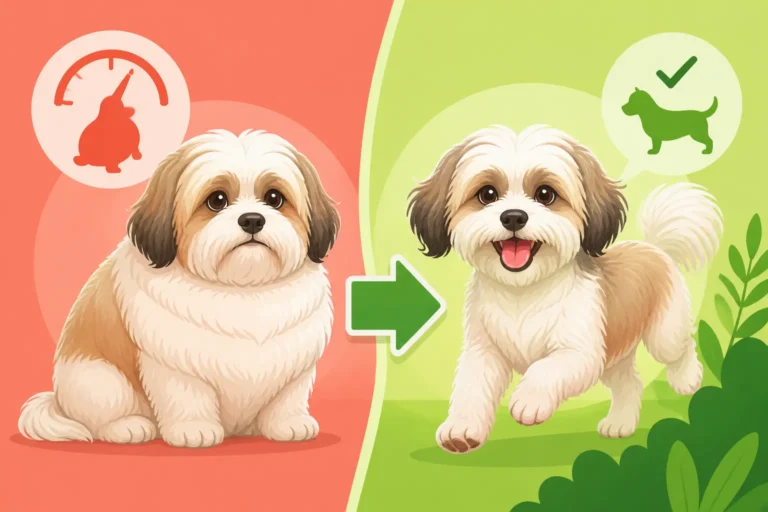
Havanese weight loss methods include checking ribs, recognizing behavior changes, and adjusting diet to improve health.
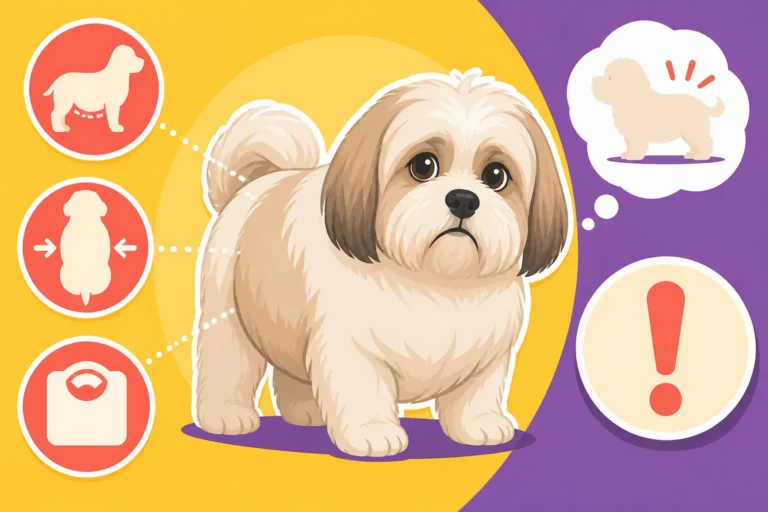
Havanese weight signs include a missing waistline and hidden ribs under a thick coat, detected through rib checks and visual cues.

Havanese training treats explained through safe sizing, soft textures, palatability factors, and calorie management strategies.
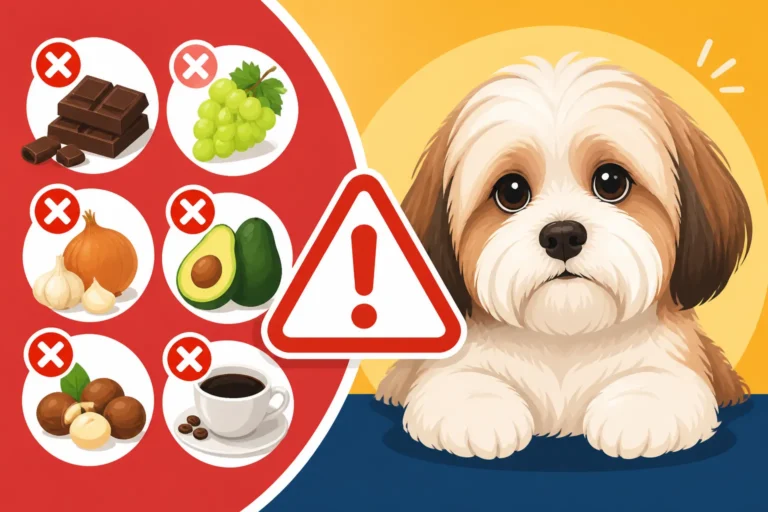
Common foods toxic to Havanese dogs include chocolate, caffeine, grapes, raisins, and xylitol, which cause severe health issues.

Diet changes and Havanese tear staining depend on porphyrins, blocked tear ducts, and yeast or bacterial growth.

Fish oil supplements and proper grooming techniques help Havanese owners maintain a healthy, flowing double coat without mats.

Grain-free dog food for a Havanese replaces grains like corn and wheat with potatoes, peas, lentils, or tapioca.

Fresh food for a twelve pound Havanese involves weighing protein, fat, and carbohydrate ratios to manage dental and weight needs.

Raw feeding for a Havanese explains the BARF and Prey Model diets, covering specific risks, organs, and bones.