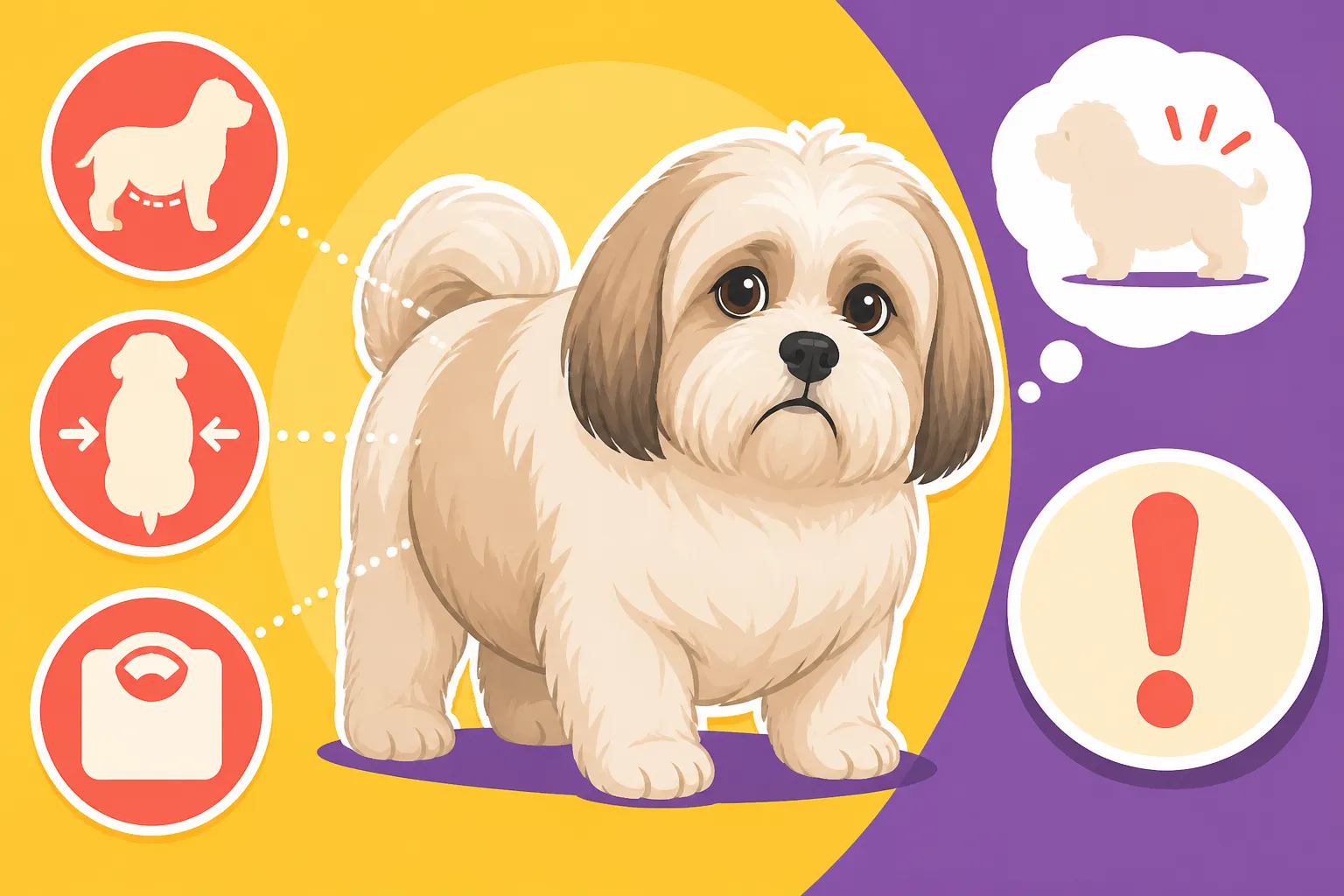
Signs a Havanese Is Carrying Too Much Weight
It’s an all too common scenario: you look at your adorable Havanese, with their fluffy coat and sweet disposition, and you just see love. They’re cuddly, maybe a little lazy after a good meal, and those extra pounds? Well, sometimes it’s easy to dismiss them as just "fluff" or "big boned." But beneath that gorgeous Havanese coat, your beloved companion might be carrying more weight than is healthy, silently impacting their quality of life and longevity. This guide is here to help you recognize the subtle—and not so subtle—signs that your Havanese is carrying too much weight, offering clear indicators so you can take proactive steps to ensure they live their happiest, healthiest life.
The Subtle Changes That Signal Weight Creep
One of the biggest challenges with Havanese, and frankly, many long-haired breeds, is that their luxurious coats can act like a wonderful camouflage for weight gain. You might not notice the gradual thickening of their body until it’s quite advanced, simply because all that lovely fur hides the truth. This is why it’s so crucial to know what to look for and, more importantly, what to feel for, beyond just looking at their general outline.
The Rib Test and Why It Matters
The "rib test" is one of the most fundamental ways to assess your Havanese’s body condition, and it's something every Havanese owner should get comfortable doing regularly. Don’t just look; get your hands on them! With your Havanese standing comfortably, run your palms along their sides, feeling for their ribs. You should be able to feel each rib individually, much like feeling the knuckles on your hand, but without having to press hard. There should be a slight layer of fat over them, a gentle cushion, but nothing that obscures them completely.
If you have to really dig to feel those ribs, or if it feels more like a thick, smooth blanket under your hands, that’s a pretty strong indicator that your Havanese is carrying too much body fat. Many owners initially assume their dog is just "fluffy," especially with the Havanese’s thick double coat. It’s easy to confuse a heavy coat with a heavy body, but a quick tactile check will tell you the real story. This simple act can be a real eye-opener, helping you distinguish between a healthy amount of cushioning and excessive fat.
It's also worth noting that consistency in your rib checks is key. Doing it once every few months might not reveal the slow, insidious creep of weight gain. Make it a part of your regular grooming routine, maybe once a week when you’re brushing them. This way, you'll become attuned to what their healthy rib cage feels like, and you'll quickly spot any changes that might indicate they're starting to put on a few extra pounds before it becomes a significant problem.
Looking for That Waistline (Or Lack Thereof)
Another critical visual (and tactile) cue for assessing your Havanese’s weight is their waistline and abdominal tuck. From above, when looking down at your Havanese, you should ideally see a gentle narrowing of their body behind the rib cage, forming a distinct "waist." Think of it like a subtle hourglass figure, rather than a straight, rectangular block. When you view them from the side, their abdomen should gently tuck up behind their rib cage, not sag down or be level with their chest.
Again, the Havanese’s abundant coat can make this assessment tricky visually. You might have to gently part the fur or even give them a bath to get a clearer picture. If your Havanese looks more like a furry cylinder from above, or if their belly sags or hangs low when viewed from the side, that’s a clear sign of excess weight. This absence of a discernible waistline is a red flag that their body is storing more fat than it needs to, even if they look perfectly proportioned to your loving eyes.
This "fluffy rectangle" appearance, as I like to call it, often goes unnoticed because we're so used to seeing our Havanese with their full, flowing coats. When a Havanese gains weight, that beautiful coat fills out even more, creating the illusion of a bigger, but still proportionate, dog. Getting a good feel of their contours, rather than just relying on what you see, helps you get past the "fluff" and accurately gauge their true body shape. If you're ever unsure, a quick chat with your vet or groomer during a routine visit can provide invaluable perspective.
Behavioral Shifts and Mobility Issues
Beyond the physical appearance, one of the most telling signs that your Havanese might be carrying too much weight often manifests in changes in their behavior and how they move. These are often the first things owners notice, even if they haven't quite connected the dots to weight gain yet. It’s easy to dismiss these changes as "getting older" or "just being lazy," but they can actually be critical indicators of an underlying issue.
Less Zest for Play and Walks
If your Havanese, who once bounded with enthusiasm at the mention of a walk or playtime, now seems more reluctant, or tires easily, it's time to consider their weight. Extra pounds are like carrying a heavy backpack all day, every day – it makes every movement more effortful. You might notice them lagging behind on walks, panting more quickly than before, or choosing to nap rather than engage in a game of fetch. This reduced stamina isn't just a sign of aging; it's often a direct consequence of their body struggling under additional weight.
Think about it: every step, every jump, every playful wiggle requires more energy when there's excess weight involved. This can lead to a vicious cycle where less activity leads to more weight gain, which then further reduces their desire to be active. I’ve heard many owners say, "My Havanese used to love chasing squirrels in the park, but now he just watches them with a sigh." While it's tempting to attribute this to a shift in personality, it’s more likely a physical limitation brought on by those sneaky extra pounds. They want to play, but their body makes it harder.
It’s crucial to observe their energy levels not just during structured activities like walks, but also during their everyday movements around the house. Do they still leap onto the couch with ease, or do they hesitate, perhaps needing a little boost? Do they still race you to the door, or do they mosey along? These small, everyday observations can cumulatively point to a significant decline in their overall vigor, often stemming from the burden of excess weight.
Labored Breathing and Heat Intolerance
Excess weight places a significant strain on your Havanese's cardiovascular and respiratory systems. Their heart has to work harder to pump blood through a larger body mass, and their lungs have less room to expand when there's extra fat surrounding them. This can lead to noticeable changes in their breathing, even during minimal exertion. You might hear them panting heavily after a short walk up the driveway, or struggling to catch their breath after a quick romp in the yard.
Additionally, overweight dogs are much more prone to overheating, especially Havanese with their thick coats. That extra layer of fat acts like an insulator, making it harder for them to regulate their body temperature. What might be a perfectly comfortable walk on a mild day for a healthy Havanese can become a stressful, even dangerous, ordeal for an overweight one. They might seek out cool spots more frequently, or just seem generally uncomfortable when temperatures rise. This isn't just about feeling warm; it's a sign their body is struggling to cope.
This struggle with temperature regulation isn't just about comfort; it's a serious health concern. Dogs can't sweat efficiently like humans, relying heavily on panting to cool down. When an overweight Havanese is panting excessively after minor activity or in slightly warm weather, it's their body sending a clear distress signal. Owners often worry about their Havanese in the summer, and keeping a healthy weight is one of the best defenses against heat-related issues.
Difficulty With Grooming and Self-Maintenance
A less obvious, but equally important, sign of weight gain in a Havanese can be observed during grooming and their own attempts at self-maintenance. As they gain weight, their body can become less flexible, making it difficult for them to reach certain areas for licking, scratching, or cleaning. You might start noticing more mats or tangles in their armpits, groin area, or around their tail base—places they would typically groom themselves but can no longer reach comfortably.
Furthermore, an overweight Havanese might struggle to sit up straight, or to get into comfortable positions for sleeping or lounging. They might have difficulty performing routine tasks like cleaning themselves after going to the bathroom, leading to hygiene issues. If you notice your Havanese struggling to contort themselves to scratch an itch or maintain their coat, it’s a good indication that their body shape and flexibility have been compromised by extra pounds.
This struggle with self-grooming isn't just an aesthetic problem; it can lead to actual health issues. Matted fur can pull on the skin, causing pain and even skin infections. Areas that remain damp due to lack of air circulation or self-cleaning can become breeding grounds for bacteria and yeast. So, if you're finding more mats in unusual spots, or if your Havanese seems less fastidious about their personal hygiene, consider that weight might be playing a role in their reduced flexibility.
Health Implications You Might Overlook
The long-term effects of carrying too much weight are far more serious than just a lack of energy or a less defined waistline. For a small breed like the Havanese, even a few extra pounds can dramatically increase their risk of developing or exacerbating significant health conditions, some of which can severely impact their lifespan and quality of life. It’s easy to dismiss these risks, but it's vital to be aware of them.
Increased Risk for Joint Problems
Havanese are already predisposed to certain joint issues, such as The Kneecaps a Havanese Slips, also known as luxating patellas. When a Havanese carries excess weight, it puts an enormous amount of additional strain on these delicate joints, accelerating degeneration and increasing the severity of existing conditions. Imagine the tiny joints in their legs having to bear an extra 10-20% of their body weight every single day, with every step and jump. It’s a recipe for early onset arthritis and increased pain. You can read more about Arthritis in a Havanese at Twelve.
Beyond luxating patellas, obesity can also contribute to other orthopedic problems. While not as common as in larger breeds, an overweight Havanese can still experience issues that mimic or are exacerbated by conditions like Whether a Havanese Gets Hip Dysplasia. The added stress on their skeletal structure can lead to inflammation, cartilage damage, and chronic pain, turning a once agile and playful dog into one that is visibly uncomfortable and limited in movement.
Preventing these joint issues is far easier and less painful for your dog than treating them after they've developed. Maintaining an ideal weight is perhaps the single most effective thing you can do to protect your Havanese's joints throughout their life, reducing the wear and tear that can lead to debilitating conditions and potentially costly surgeries down the line.
Impact on Heart Health and Diabetes Risk
Just like in humans, excess body fat in Havanese can significantly impact their cardiovascular system. It can exacerbate existing heart conditions, such as The Heart Murmur an Older Havanese Develops, by forcing the heart to work harder to circulate blood throughout a larger body mass. Over time, this increased workload can lead to the development of heart disease or accelerate its progression, potentially leading to more serious conditions like Whether a Havanese Gets Heart Failure.
Furthermore, obesity is a significant risk factor for canine diabetes. When a dog carries too much fat, their body's cells can become resistant to insulin, leading to elevated blood sugar levels. If left unmanaged, this can develop into full-blown diabetes, requiring lifelong management with insulin injections and dietary changes. It's a serious and costly condition that can often be prevented or managed simply by maintaining a healthy weight.
The good news is that weight loss can often dramatically improve heart health and even reverse some early signs of insulin resistance. It's a powerful tool in protecting your Havanese from these life-threatening diseases, emphasizing that their ideal weight isn't just about looking good, but about ensuring their internal organs can function optimally for as long as possible.
Skin Issues Hidden Beneath the Coat
The dense, beautiful coat of a Havanese can hide more than just extra rolls of fat; it can also conceal underlying skin problems exacerbated by obesity. When a Havanese gains weight, they often develop rolls or folds of skin, particularly in the groin, armpits, and neck areas. These folds create warm, moist environments where air circulation is limited, making them prime breeding grounds for bacteria, yeast, and other skin infections. You can read more about general Skin Trouble Under a Havanese Coat.
These hidden hot spots can become incredibly itchy and painful for your dog. They might lead to persistent scratching, licking, and chewing, which further irritate the skin and can result in raw, inflamed patches known as Whether a Havanese Gets Hot Spots Under Its Coat. Because these areas are often tucked away under layers of fur and fat, owners may not discover them until they become quite severe or until a strong odor develops.
Regular grooming helps, but true prevention comes from addressing the root cause: the excess weight. By helping your Havanese achieve a healthy body condition, you reduce these skin folds, improve air circulation, and make it easier for them to groom themselves, significantly lowering the risk of uncomfortable and recurring skin infections.
Taking Action: What to Do When You Spot the Signs
Realizing your Havanese is carrying extra weight can feel a bit daunting, but the good news is that you're now armed with knowledge, and there are concrete steps you can take to help them get back on track. This isn't about drastic changes overnight, but rather a thoughtful, gradual approach to a healthier lifestyle for your beloved companion.
Honest Assessment and Vet Consultation
The very first and most crucial step is an honest assessment of your Havanese’s body condition, followed by a visit to your veterinarian. While you can feel for ribs and look for a waistline, your vet can provide an objective, professional evaluation using a standardized body condition scoring system. They can tell you exactly where your Havanese falls on the scale and what their ideal weight range should be. This isn't a judgment; it's a partnership to improve your dog's health.
Your vet can also rule out any underlying medical conditions that might contribute to weight gain, although in most cases, it comes down to diet and exercise. They can help you calculate a target weight and recommend a safe and effective weight loss plan tailored specifically for your Havanese. They might suggest specific dietary changes, discuss appropriate exercise levels, and advise on any supplements that could support joint health during the weight loss journey. This consultation is key to ensuring you approach weight management safely and effectively. It's about getting objective advice for Keeping a Havanese From Getting Heavy.
Don't be shy about discussing your concerns with your vet. Many owners feel a bit guilty or embarrassed when their dog is overweight, but vets are there to help, not to criticize. Think of them as your guide on this journey. They can offer practical tips, monitor your Havanese's progress, and adjust the plan as needed, ensuring your dog loses weight at a healthy pace without sacrificing essential nutrients.
Dietary Adjustments and Portion Control
Once you have a vet-approved plan, the next step is often the most impactful: adjusting your Havanese’s diet and meticulously controlling their portions. This is where many owners unintentionally go wrong, often overfeeding slightly without realizing it. Even a few extra kibbles or treats each day can add up significantly for a small breed like a Havanese. The general recommendation for How Much a Havanese Should Eat might need adjustment if they are currently overweight.
Switching to a "weight management" or "light" formula dog food designed for small breeds can be very beneficial. These foods are typically lower in calories and fat, but still provide all the essential nutrients your Havanese needs. Brands like Chewy offer a wide selection of these specialized foods, often with detailed nutritional information to help you choose. Alternatively, some owners explore fresh food diets, with services like Ollie providing pre-portioned, human-grade meals that can be easier to control for caloric intake.
The key is strict portion control. Use a measuring cup every single time you feed your Havanese, rather than just "eyeballing" it. Cut back significantly on treats, or switch to low-calorie options like small pieces of carrot or green bean. Remember, those tiny bits of cheese or leftover human food add up quickly! Even seemingly insignificant snacks contribute to their daily caloric intake, especially for a dog that needs Whether a Havanese Needs Small Breed Food designed for their specific metabolic needs.
Incorporating More Appropriate Exercise
While diet is paramount, increasing your Havanese's activity level is the other critical component of healthy weight loss. For an overweight Havanese, this needs to be a gradual and gentle process to avoid putting too much strain on their joints and cardiovascular system. Start with shorter, more frequent walks, and slowly increase the duration and intensity as their stamina improves. The goal isn't to turn them into an athlete overnight, but to consistently increase their daily movement. You can learn more about How Much Exercise a Havanese Needs.
Consider low-impact activities like gentle strolls around the neighborhood, or supervised indoor play sessions that encourage movement without harsh impacts. Think about engaging them with interactive toys – Amazon or your local pet store often have puzzle toys that dispense treats slowly, encouraging mental and physical activity. If they're showing improvement and your vet approves, you might even consider exploring activities like swimming, which is excellent for joints.
The aim is to make exercise enjoyable and sustainable. If your Havanese previously loved going on longer adventures, even Whether a Havanese Can Hike, you can slowly build them back up to that. Consistency is more important than intensity in the beginning. Small, regular bursts of activity throughout the day are often more effective than one long, strenuous session, especially as they're just starting their weight loss journey. Celebrate every little increase in their energy and willingness to move – it’s a sign their body is feeling better!
Body Condition Score Guide for Havanese
Understanding your Havanese's body condition is crucial for their health. Here's a simplified guide, but always consult your vet for a professional assessment.
| Body Condition Score | Appearance (Visual Cues) | Feel (Rib & Waist Test) | Energy & Behavior |
|---|---|---|---|
| Too Thin (1-2) | Ribs, spine, pelvic bones visible. | Ribs very easily felt, no fat. | High energy, possibly restless. |
| Ideal (3-5) | Ribs, spine, pelvic bones not visible but easily felt. Clear waist. | Ribs easily felt with slight fat covering. Definite waistline. | Active, playful, good stamina. |
| Overweight (6-7) | Ribs, spine, pelvic bones difficult to feel. No visible waist. | Ribs felt with difficulty, thick fat layer. No waist or slight bulge. | Less active, tires easily, some panting. |
| Obese (8-9) | Ribs, spine, pelvic bones not palpable. Obvious fat deposits. | Ribs cannot be felt under heavy fat layer. Bulging waist. | Very lethargic, heavy panting, struggles with movement. |
This table provides a quick reference, but remember, the "feel" test under their coat is often more accurate than visual inspection alone, especially for our fluffy Havanese friends.
Disclaimer
This article is for general informational purposes only and does not constitute professional advice. Laws, prices and regulations vary by location and change over time. Consult a qualified professional for guidance on your specific situation.