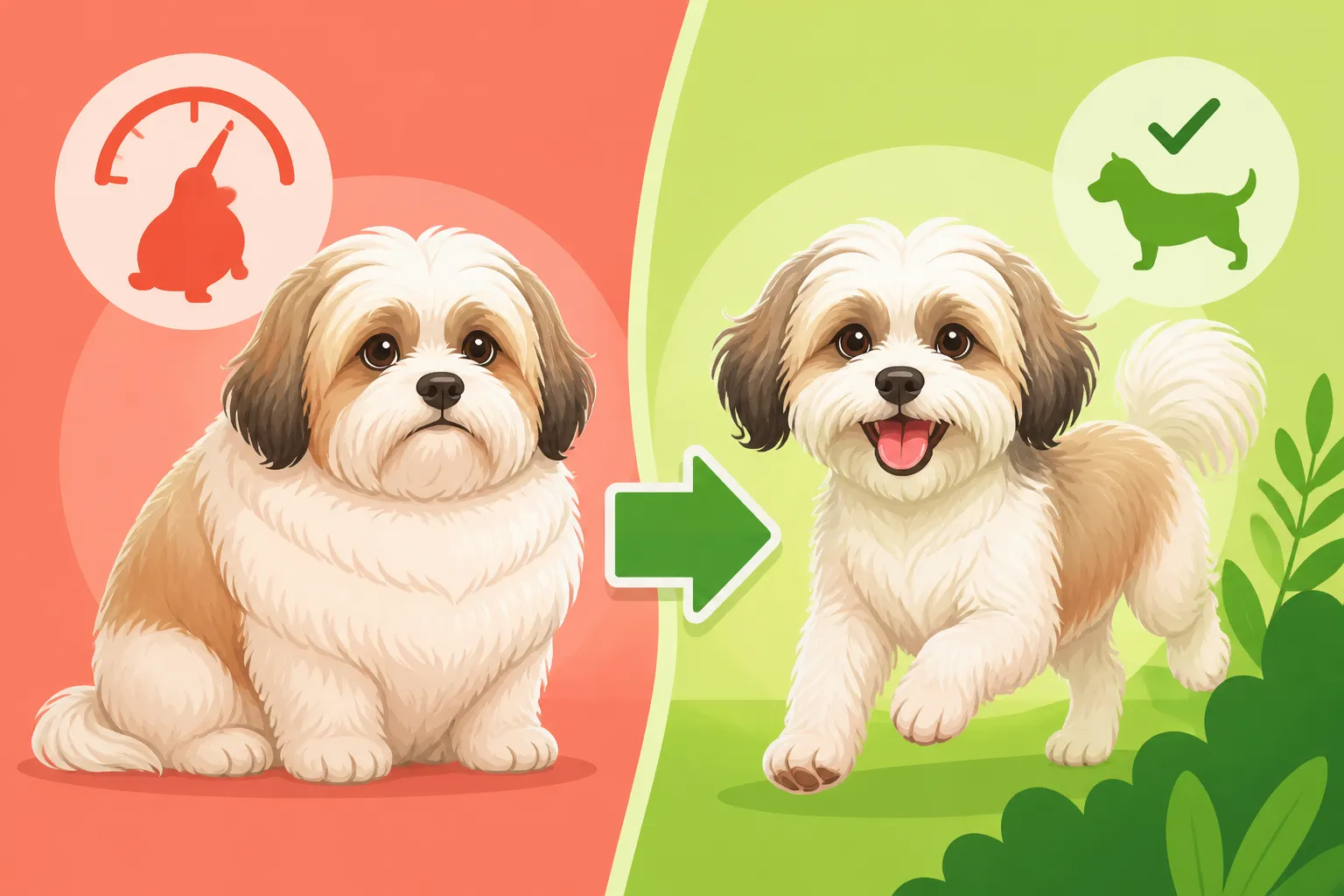
Getting Weight Off a Havanese
It’s a common struggle we Havanese parents face: one day your fluffy little cloud of joy seems a bit rounder than usual, and suddenly you realize that extra treat here, that little bit of table scrap there, has added up. It's so easy for these adorable, small dogs to carry a few too many pounds, especially when their long, luxurious coats can hide a multitude of sins! But those extra pounds aren't just a cosmetic issue; they can seriously impact your Havanese's health and happiness. This comprehensive guide will walk you through how to recognize if your Havanese is overweight, understand why it might be happening, and most importantly, provide a practical, empathetic approach to helping your beloved companion shed those unnecessary pounds for a healthier, happier life.
Recognizing the Signs Your Havanese is Overweight
It can be tough to tell if your Havanese is packing on a few extra pounds, especially with their beautiful, flowing coat. They’re designed to be a fluffy breed, after all! But there are definite visual and behavioral cues that can alert you to a developing weight issue, and catching it early makes all the difference.
The Visual Cues: What to Look For
Forget about just looking at them from afar – you need to get hands-on. Your Havanese's coat can be a master of disguise, making a plump body appear perfectly normal. A healthy Havanese should have a noticeable waist and an "abdominal tuck" – meaning their belly should go slightly upwards from their rib cage to their hips, not hang down. When you look down at your Havanese from above, you should see a gentle hourglass shape, not a straight line from their ribs to their tail. If they look more like a furry sausage, it's a good sign they’re carrying too much weight.
The most reliable way to check is by feeling their ribs. Gently run your hands along their sides, just behind their front legs. You should be able to feel their ribs easily, almost like touching the knuckles on your hand, without having to press hard. If you have to push through a layer of fat to feel them, or if you can't feel them at all, your Havanese is likely overweight. Similarly, you should be able to feel their hip bones with minimal pressure. If they’re hidden under a cushion of fat, that’s another red flag. Don't forget their spine and the base of their tail either; these bony prominences should also be palpable without much effort.
Behavioral Changes That Signal Weight Gain
Beyond the physical appearance, an overweight Havanese often exhibits changes in their behavior and energy levels. You might notice your once-energetic companion is now a bit more reluctant to play, or gets tired much faster during walks. A healthy Havanese loves to engage and explore, but extra weight makes every movement more work. Think about how you feel after a big meal or when you've gained a few pounds – lethargy often sets in.
They might struggle with activities they once did with ease. Jumping onto the couch or bed, something Havanese often do with surprising agility despite their size, might become a struggle, or they might even stop attempting it altogether. You could also observe them panting more heavily after minimal exertion, or seeming less interested in their usual games of fetch or chase around the house. These aren't just signs of getting older; they can be direct indicators that their body is working harder than it should because of excess weight. If you've noticed your Havanese is slowing down, consider their weight as a potential contributing factor before dismissing it as just "age."
Why Your Havanese Might Be Packing on Pounds
It's easy to fall into the trap of thinking a little bit extra won't hurt, especially with such small, charming dogs who excel at begging. Understanding the common reasons behind weight gain can help you identify where adjustments need to be made.
Common Culprits: Diet and Treats
The most frequent culprit behind a Havanese gaining weight is quite simply, too many calories coming in. It’s not always about giving them huge meals; for a small breed, even a few extra kibble pieces, a couple of tiny training treats, or a bite of your dinner can make a significant difference. Havanese typically weigh less than 16 pounds as adults, so their caloric needs are much lower than larger breeds. What might be a negligible snack for a Golden Retriever could be a substantial percentage of your Havanese’s daily intake.
"Free-feeding," where food is left out all day for them to graze, can also lead to weight gain because it removes portion control. Even if the food itself is good quality, unlimited access means they’ll likely consume more than they actually need. And let’s be honest, those irresistible puppy-dog eyes often win when we’re eating. Sharing human food, even in small quantities, often introduces high-fat, high-sodium, and high-sugar items that are incredibly detrimental to their waistline and overall health. Be mindful of how much your Havanese How Much a Havanese Should Eat and remember that every little bit adds up.
Lifestyle Factors and Reduced Activity
Beyond diet, a sedentary lifestyle plays a huge role. Havanese are adaptable and can be content with indoor living, but they still need regular exercise to maintain a healthy weight and mental well-being. If their daily walks have become shorter, or if you’ve been too busy for consistent play sessions, those unburned calories turn into stored fat. This can be especially true for apartment dwellers who rely solely on walks for exercise, and if those walks become infrequent or short, the weight can creep on.
Environmental factors like cold or rainy weather can also lead to reduced activity. It's tough to get motivated for a walk when it's pouring rain or freezing outside, and your Havanese might refuse to go out in unpleasant conditions. As Havanese age, their metabolism naturally slows down, and they might become less inclined to run and play as vigorously as they did in their youth, making them prone to weight gain even if their diet hasn't changed. This is also compounded if they're developing joint pain, which makes any movement uncomfortable. Whether a Havanese Should Be Kept Slim for Its Joints is crucial for their long-term health, especially as they get older.
Underlying Health Conditions
Sometimes, weight gain isn’t just about diet and exercise; it can be a red flag for an underlying medical condition. Certain health issues can cause a Havanese to gain weight or make it extremely difficult for them to lose it, even with careful dieting. Hypothyroidism, a condition where the thyroid gland doesn't produce enough hormones, is a common culprit. A slower metabolism is a key symptom, leading to weight gain, lethargy, and changes in coat quality. If you've noticed Signs a Havanese's Thyroid Has Failed, a vet visit is in order.
Another condition is Cushing's Disease, which involves an overproduction of cortisol. This can lead to increased appetite, a pot-bellied appearance, and muscle weakness, all contributing to weight gain. If you suspect Whether a Havanese Gets Cushing's, your vet will need to perform specific tests. Additionally, certain medications, like steroids, can cause increased appetite and fluid retention, leading to weight gain. If your Havanese is on any long-term medication, discuss potential side effects with your veterinarian. It’s always important to rule out medical causes before embarking on a strict weight loss regimen.
Crafting a Safe and Effective Weight Loss Plan
Once you've identified that your Havanese needs to shed some pounds, the next step is to create a sensible plan. This isn't about crash dieting or extreme exercise; it's about making sustainable, healthy changes that will benefit them for years to come.
Dietary Adjustments: What and How Much to Feed
The cornerstone of any weight loss plan is managing caloric intake. The first, and often hardest, step is to strictly measure their food. Eyeballing portions is a common mistake that can easily lead to overfeeding. Use a kitchen scale or a precise measuring cup to ensure accuracy. Your veterinarian can help you determine the ideal target weight for your Havanese and calculate the appropriate daily caloric intake for gradual, healthy weight loss, usually aiming for 1-2% of their body weight loss per week.
Many Havanese owners find success switching to a "weight management" or "light" formula dog food. These foods are specifically designed to be lower in calories and fat, often with increased fiber to help your dog feel full. You can find a wide variety of excellent options on platforms like Chewy, which makes comparing ingredients and calorie counts quite easy. Some owners prefer to explore fresh food options, which can offer precise control over ingredients. Brands like Ollie provide tailored meal plans that can be adjusted for weight loss goals, often using whole, recognizable ingredients. Remember, Whether a Havanese Needs Small Breed Kibble is also important; smaller kibble sizes are often more suitable for their mouths and digestion. Gradually transition to any new food over several days to avoid digestive upset.
Here's a sample table showing how small differences in food intake can matter for a Havanese on a weight loss journey. Remember, these are hypothetical examples. Always consult your vet for precise recommendations tailored to your dog's individual needs and health.
| Current Weight (lbs) | Target Weight (lbs) | Current Daily Calorie Estimate | Recommended Weight Loss Calories | Sample Reduction (kcal/day) | Example Food (kcal/cup) | Cups per day (Current) | Cups per day (Reduced) |
|---|---|---|---|---|---|---|---|
| 14 | 12 | 350 | 280 | 70 | 350 | 1.0 | 0.8 |
| 16 | 13 | 400 | 320 | 80 | 350 | 1.1 | 0.9 |
| 10 | 8 | 250 | 200 | 50 | 350 | 0.7 | 0.57 |
Boosting Activity Levels Without Overdoing It
Just like with diet, increasing exercise needs to be a gradual process. Don't suddenly take your previously sedentary Havanese on a marathon hike! Start slow and build up their endurance. Daily walks are fantastic. Aim for at least two shorter walks (15-20 minutes each) per day, gradually increasing the duration and pace as your Havanese gets fitter. A brisk walk around the block is often more beneficial than a slow sniff-fest in the yard, although mental stimulation is important too. For an adult Havanese, How Far a Havanese Should Walk Daily will vary based on their fitness, but consistency is key.
If joint issues are a concern, focus on low-impact activities. Gentle leash walks on soft surfaces, or even swimming if your Havanese enjoys it, can be great options. Indoor play sessions with toys can also contribute to their daily activity, especially on bad weather days. Think about games of fetch down a hallway or teaching them new tricks that involve movement. Don’t forget that Whether a Havanese Needs More Than One Walk often makes a big difference to their overall activity levels and metabolism throughout the day. The goal is to make exercise enjoyable and a regular part of their routine, not a chore.
The Importance of Regular Vet Check-ups
Embarking on a weight loss journey with your Havanese should always start and continue with your veterinarian's guidance. Before making any significant changes to their diet or exercise routine, a full check-up is crucial. This will help rule out any underlying health conditions, like those discussed earlier, that might be contributing to their weight gain. Your vet can also assess their current health, discuss any pre-existing conditions (like joint issues) that might affect exercise, and help you set realistic and safe weight loss goals.
Once a plan is in place, regular follow-up visits are vital for monitoring progress. Your vet can weigh your Havanese accurately, assess their body condition score, and make adjustments to the diet or exercise plan as needed. They can also perform necessary blood work, such as Whether a Havanese Needs a Yearly Blood Panel, to ensure all systems are functioning properly and that the weight loss is healthy and not indicative of another issue. These check-ups provide accountability and expert support, ensuring your Havanese loses weight safely and effectively.
Practical Tips for Sustained Weight Management
Getting the weight off is one thing, but keeping it off requires ongoing commitment and smart strategies. It’s about building healthy habits that last a lifetime for your Havanese.
Smart Snacking and Treat Alternatives
One of the biggest challenges for Havanese owners is resisting those adorable, pleading eyes when it comes to treats. But treats don't have to be high-calorie bombs. Many fresh vegetables make excellent, low-calorie alternatives. Small pieces of carrot, green beans, cucumber, or apple (seeds removed) can be fantastic, healthy snacks that offer satisfying crunch without the extra calories. Always check which human foods are safe for dogs before offering them.
You can also use a portion of their daily kibble as treats for training or rewards. This ensures they're still getting their allocated calories but spread throughout the day in a more enriching way. Puzzle toys, readily available on sites like Amazon, are also brilliant for slow-feeding and making mealtime last longer. Instead of gobbling down a meal in minutes, they have to work for their food, burning a few calories and engaging their brains. Treats That Suit a Havanese in Training should be small, soft, and low in calories to be effective without adding bulk.
Keeping Tabs on Progress and Staying Motivated
Weight loss is a journey, not a sprint. It’s essential to monitor your Havanese’s progress regularly, but not obsessively. Weekly or bi-weekly weigh-ins at home (if you have an accurate scale) or at your vet’s office can help you track their journey. Keep a log to celebrate small victories – even a quarter-pound loss is significant for a Havanese! Remember that progress might not always be linear; there might be plateaus, which are normal. Don't get discouraged, just stick to the plan.
Consistency is truly the most important factor. Make healthy choices a routine, not a temporary fix. Involve the whole family in the weight management plan so everyone is on the same page regarding feeding, treats, and exercise. Seeing your Havanese gain more energy, move more freely, and generally seem happier is often the best motivation to keep up the good work. Their improved quality of life is the greatest reward.
Managing an Older Havanese's Weight
Older Havanese face unique challenges when it comes to weight. As they enter their senior years, their metabolism naturally slows down, and they might become less active due to age-related issues like arthritis or reduced stamina. This makes them particularly prone to weight gain, and conversely, makes weight loss more challenging. Arthritis in a Havanese at Twelve is a common concern that can limit their mobility and make exercise painful.
For senior Havanese, focusing on highly digestible, nutrient-dense senior dog foods with fewer calories is often beneficial. These foods are formulated to meet the needs of an aging body while supporting weight control. Exercise plans might need to be modified to be lower impact and shorter in duration, but consistent. Gentle, slow walks, swimming, or even passive physical therapy might be more appropriate than vigorous play. Joint supplements, often found on Chewy or Amazon, can also help make movement more comfortable. And remember, Feeding an Old Havanese That Has Slowed down requires careful consideration of their changing energy needs. Regular vet check-ups become even more critical for seniors to monitor their overall health and make necessary adjustments to their weight management plan.
Disclaimer
This article is for general informational purposes only and does not constitute professional advice. Laws, prices and regulations vary by location and change over time. Consult a qualified professional for guidance on your specific situation.