Whether a Havanese Guards Its Food
Havanese food guarding involves instinctive behaviors like freezing, growling, or lunging over meals due to survival anxieties.
Work with the temperament you have.
House-training and crate work, recall, leash manners, separation anxiety, and the behaviors this breed is wired for.
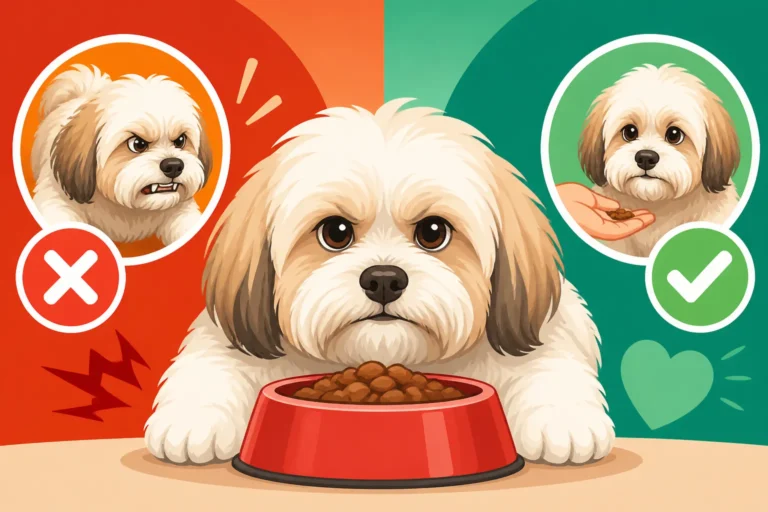
Havanese food guarding involves instinctive behaviors like freezing, growling, or lunging over meals due to survival anxieties.

Havanese lap guarding is a natural canine resource guarding instinct driven by insecurity, anxiety, and strong breed attachment.
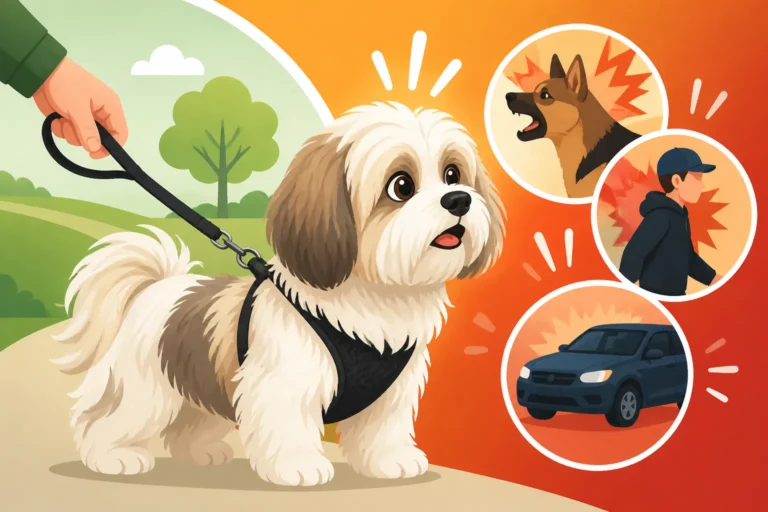
Havanese leash reactivity triggers, body language signs, and practical steps to help owners manage barking and lunging on walks.

Havanese growling at larger dogs stems from fear, self-preservation, and resource guarding, rather than inherent aggression or pure meanness.
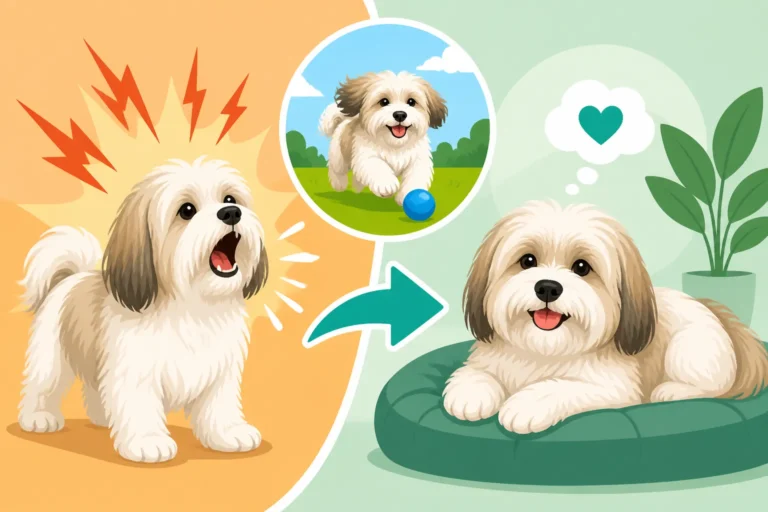
Increasing physical activity and mental stimulation reduces nuisance barking by draining a Havanese dog’s pent-up energy.
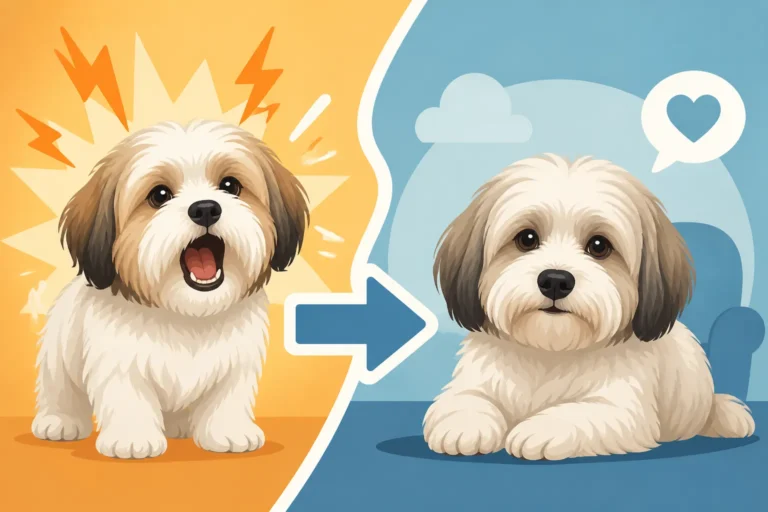
Aging Havanese dogs and their barking habits explained, examining breed genetics, learned behaviors, and management insights.
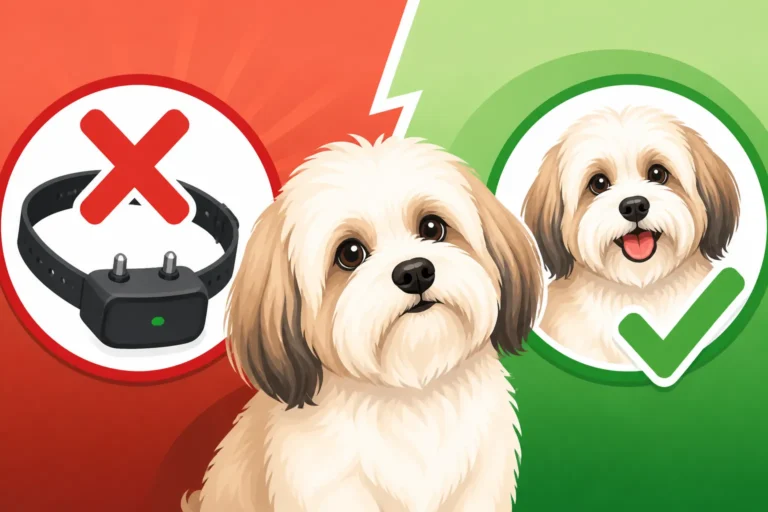
Bark collars and sensitive Havanese dogs, plus compassionate methods to manage excessive barking caused by separation anxiety.
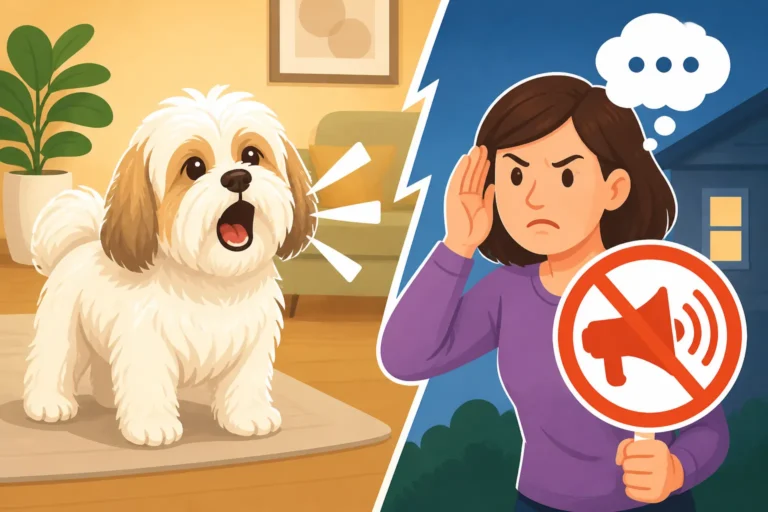
Havanese barking triggers, apartment noise complaints, and practical training strategies help owners maintain peace and quiet at home.

Havanese barking when left alone stems from loneliness, separation anxiety, or environmental triggers, requiring specific management strategies.

Havanese barking at delivery drivers stems from Cuban watchdog instincts and sudden doorbell sounds triggering protective responses.