The First Year With a Havanese Puppy
The first year with a Havanese puppy involves managing arrival days, setting routines, and handling housetraining consistently.
Work with the temperament you have.
House-training and crate work, recall, leash manners, separation anxiety, and the behaviors this breed is wired for.

The first year with a Havanese puppy involves managing arrival days, setting routines, and handling housetraining consistently.

Havanese mental stimulation needs include complex tricks and structured engagement to prevent barking, chewing, and clinginess.

A delicate seven pound Havanese needs early socialization and careful daily supervision to safely live with children.
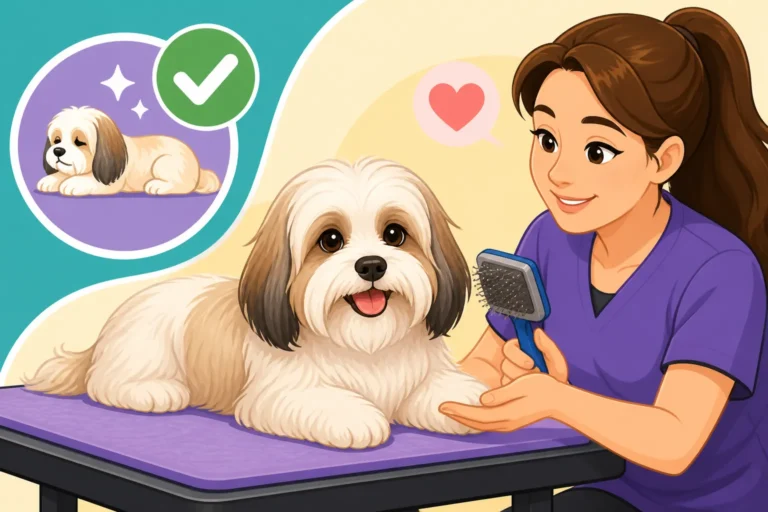
Havanese grooming resistance stems from delicate skin, sensitive paws, and past negative experiences with tools during early socialization.

Housetraining a Havanese in cold weather presents unique challenges for owners managing freezing temperatures and puppy sensitivities.
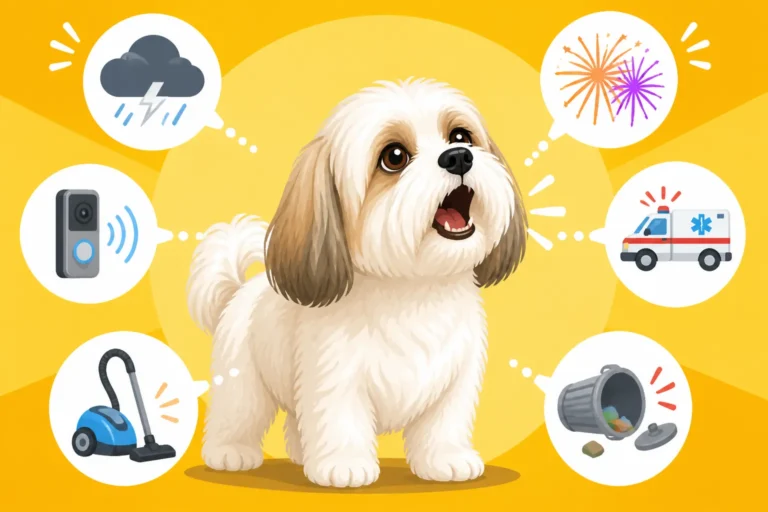
Havanese barking behavior explained through breed history, vocal triggers, and management strategies to reduce excessive noise.

Separation anxiety in Havanese dogs stems from their innate breeding history, showing distinct signs and requiring empathetic coping strategies.

Havanese shadow behavior stems from historical breeding for companionship and innate social pack instincts that drive connection.
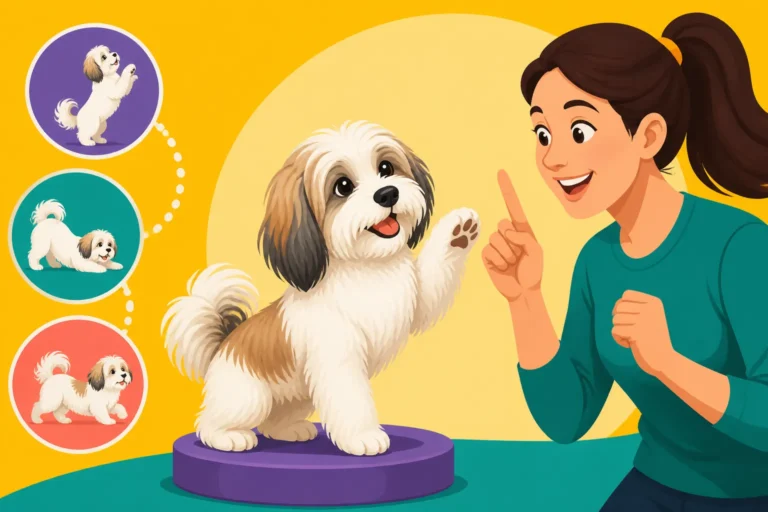
Havanese trick training channels boundless dog energy into mental enrichment and fun performances that entertain everyone all day.

Havanese intelligence and circus dog origins explain why this breed needs mental stimulation to prevent mischievous behavior.