Whether a Havanese Needs a Coat in Winter
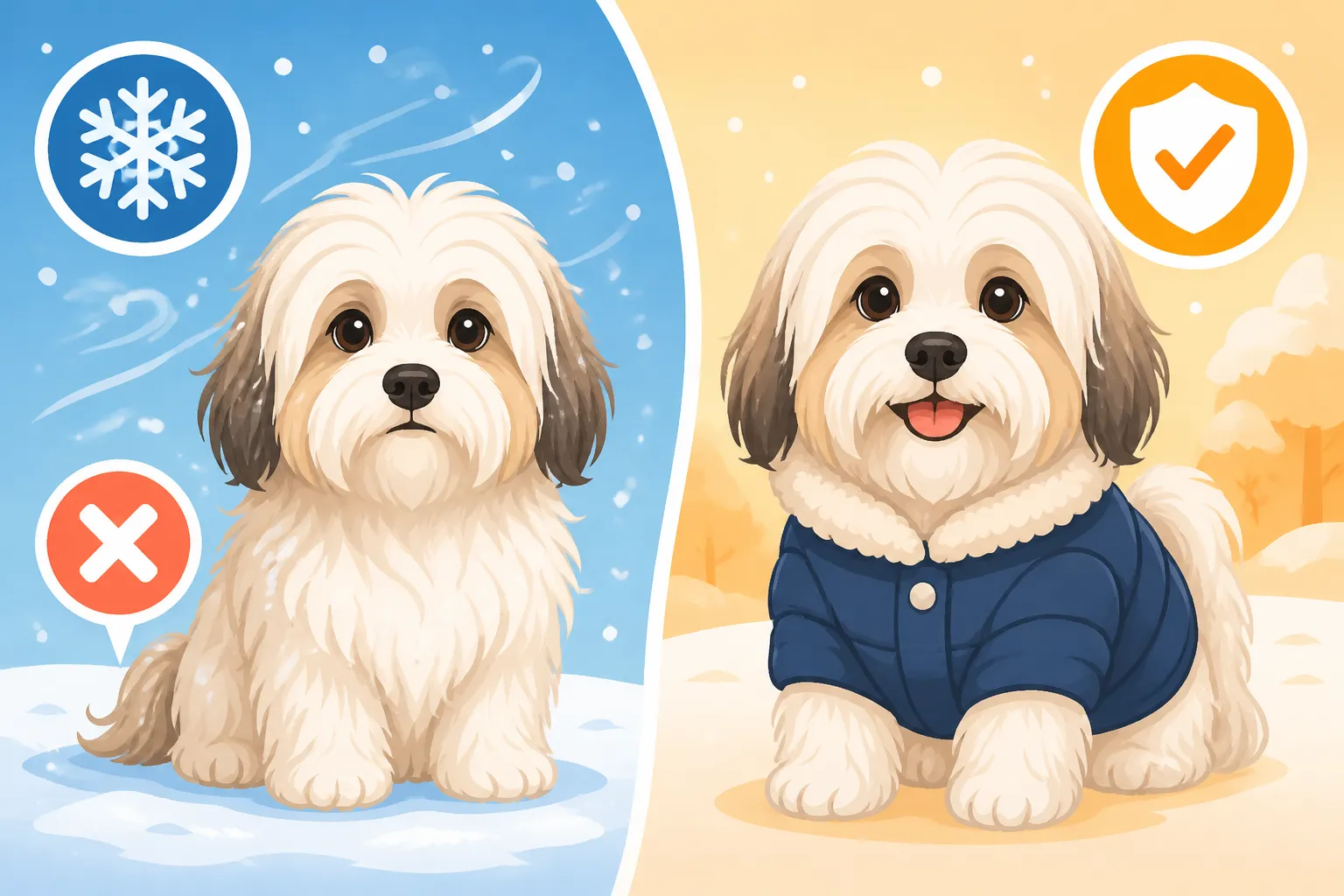
The crisp air of winter often brings with it a familiar dilemma for Havanese parents: does my sweet, fluffy companion actually need a coat or sweater when we head outside? It’s a completely valid question, especially when you see their luxurious, often floor-length coats, but the truth is, a Havanese’s natural insulation isn't always enough to keep them comfortable and safe when the temperatures really drop. This guide will walk you through understanding your Havanese's unique needs in colder weather, helping you decide when a little extra warmth is a must-have for your beloved Cuban charm.
Understanding the Havanese Coat for Cold Weather
It’s easy to look at a Havanese with their beautiful, flowing locks and assume they’re perfectly equipped for anything Mother Nature throws their way, especially when it comes to cold. After all, isn’t all that hair supposed to keep them warm? While their coat is certainly magnificent and serves a purpose, its effectiveness in truly cold or wet winter conditions can be a bit more nuanced than we might initially think.
The Double Coat and Its Purpose
Many people don't realize that the Havanese actually sports a double coat, even if it feels incredibly silky to the touch. This means they have a softer, downy undercoat beneath their longer, coarser outer guard hairs. In theory, this double layer is designed to provide insulation, trapping a layer of warm air close to the body and protecting them from the elements. This is why you might hear people describe them as having a coat that protects them from both heat and cold. When kept in its natural, long state, the coat does offer a significant amount of protection, acting like a built-in blanket. It’s quite remarkable how effective it can be in moderate cold, provided it’s kept clean and tangle-free. A matted coat, however, loses much of its insulating power, much like a matted wool sweater.
However, we often forget that the Havanese originated from warmer climes. While their coat adapted to provide some protection, it wasn't bred for Arctic blasts or deep snow. The key is to think of it more as a moderate climate insulator rather than a full-on winter survival suit. For those who keep their Havanese in a long show coat, you’ll notice that it does quite well in a light chill, but a truly biting wind or prolonged exposure to freezing temperatures will still cut through that lovely hair. It’s also worth remembering that the coat is hair, not fur, and doesn't offer the same density or oiliness that some northern breeds possess for extreme weather. For more on their unique coat, check out The Silky Double Coat a Havanese Grows to the Floor.
How a Clipped Coat Changes Things
Now, let's be realistic: most Havanese owners opt for a shorter, more manageable "puppy cut" or similar clip. It's often easier to care for, reduces matting, and keeps them looking adorable. But here's the rub: when you clip that beautiful double coat short, you're essentially stripping away a significant portion of their natural insulation. Imagine wearing a lightweight jacket in winter instead of a heavy-duty parka; that's essentially what we're doing to our Havanese.
A Havanese with a short puppy cut simply doesn't have the same protection against the cold as one with a full, natural coat. The undercoat, which provides that crucial trapped air layer, is significantly reduced, and the protective outer guard hairs are gone. This means that a Havanese with a short clip will almost certainly feel the cold much more intensely and much sooner than a Havanese with a longer coat. It's not a criticism of the clip, as What a Puppy Cut Costs on a Havanese shows it's a popular choice for very practical reasons, but it's a crucial factor in whether they need a winter coat. If your Havanese is sporting a short style, assume they'll need extra help staying warm outdoors in winter.
The "Tropical Dog" Misconception
It's a common misconception that because Havanese originated in Cuba, a tropical island, they have no tolerance for cold whatsoever. While it's true they're not naturally equipped for Siberian winters, their history isn't quite so black and white. These dogs were bred as companions, often living indoors with families, and while Cuba is warm, it's not uniformly scorching year-round, and nights can certainly get cooler, especially in higher elevations or during certain seasons. Their double coat, as discussed, provides some natural thermoregulation, helping them adapt to moderate fluctuations.
However, this doesn't mean they can withstand sustained cold temperatures, especially if they're not actively moving or if there's wind and dampness involved. The "tropical dog" label often leads owners to underestimate their Havanese's ability to cope with anything less than balmy weather, or conversely, to overestimate their natural coat's ability to protect them in genuine winter conditions. The reality is somewhere in the middle: they're not built for extreme cold, but they also aren't entirely fragile. The key is paying attention to the specific conditions and your individual dog's reaction.
Factors Determining the Need for a Winter Coat
Deciding if your Havanese needs a winter coat isn't a one-size-fits-all answer. It's a combination of objective environmental factors and your individual dog's physiology and behavior. Understanding these elements will help you make the best decision for your furry friend.
Temperature and Wind Chill Considerations
The most obvious factor is, of course, the actual air temperature. As a general rule of thumb, when temperatures drop below freezing (32°F or 0°C), most small dogs, including Havanese, will benefit from some extra protection. However, temperature isn't the only player here. Wind chill can make a moderately cold day feel absolutely frigid, penetrating even a full Havanese coat. A breezy 40°F (4°C) day can feel colder and be more dangerous than a still 30°F (-1°C) day.
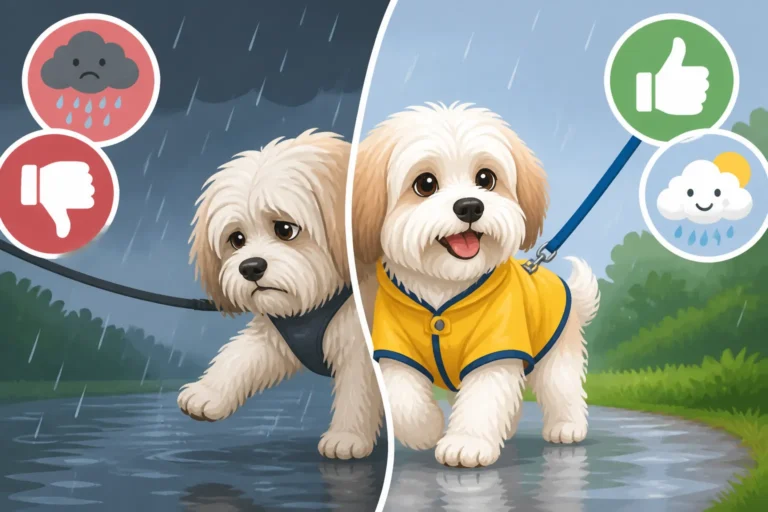
Consider precipitation too. Rain, sleet, or snow can quickly soak a Havanese's coat, stripping away its insulating properties and leading to hypothermia much faster. A wet coat cannot keep your dog warm. Even if your Havanese has a long, beautiful coat, if it's wet, it's essentially useless for warmth. This is especially true for longer coated dogs who might pick up more moisture from the ground or falling snow. Think about how you feel when your clothes get wet in the cold; your Havanese feels similarly exposed. This is where a waterproof or water-resistant coat becomes invaluable.
Individual Havanese Sensitivity to Cold
Just like people, individual Havanese dogs have varying tolerances for cold. You might have one Havanese who bounds through fresh snow with glee, seemingly unfazed, while another shivers at the mere sight of a frosty morning. Age plays a significant role here; puppies and senior Havanese generally have a lower tolerance for cold. Puppies haven't fully developed their thermoregulation, and senior dogs, especially those over The Age a Havanese Counts as Senior, might have thinning coats, less muscle mass, or underlying health conditions like arthritis that make them more susceptible to the cold.
Body condition also matters. A very lean Havanese with less body fat will feel the cold more acutely than one with a healthy, lean covering of fat. Whether a Havanese Should Be Kept Slim for Its Joints is important for overall health, but extreme leanness can reduce their natural insulation. Health issues, such as hypothyroidism or heart conditions, can also impact a dog's ability to regulate its body temperature, making a winter coat a medical necessity rather than just a comfort item. Always consult your vet if you have concerns about an underlying health issue affecting your Havanese's cold tolerance.
Activity Levels and Time Spent Outdoors
The duration and intensity of outdoor activity directly impact how long your Havanese can stay warm. A quick dash outside for a potty break is different from a leisurely stroll around the block or a longer play session at the park. If your Havanese is actively running and playing, their body generates more heat, which can help them stay warm for a bit longer. However, if they are simply standing or walking at a slow pace, they will get cold much faster.
Consider a typical winter walk. Your Havanese might start off energized, but as the walk progresses, their internal heat production might not keep up with the heat loss to the environment, especially if they're not running. For longer outings, even a seemingly active Havanese can get chilled. If you plan to be outside for more than 15-20 minutes in cold weather, or if your Havanese is prone to stopping to sniff extensively rather than moving constantly, a coat is a wise choice. It provides that consistent warmth that their body might not be able to maintain on its own, especially for the typical How Far a Havanese Should Walk Daily.
Recognizing Signs Your Havanese is Cold
Our Havanese can't tell us in words that they're feeling chilly, but they certainly communicate their discomfort through a variety of physical and behavioral cues. Learning to read these signals is essential for any responsible Havanese owner, especially during the colder months. Ignoring these signs can lead to more serious health issues like hypothermia.
Physical Cues of Cold Stress
The most obvious physical sign your Havanese is cold is shivering. This is an involuntary muscle contraction designed to generate heat, and if you see your dog shivering, it’s a clear indication they are not warm enough. This can happen even if they appear to be tolerating the cold well otherwise. Pay close attention to subtle tremors, not just full-body shakes. Another tell-tale sign is hunching their back or tucking their tail tightly between their legs. This posture is an attempt to minimize their exposed surface area and conserve body heat. They might also pull their paws up, trying to keep them off the cold ground, or even lift one paw at a time in a "dancing" motion.
Their ears, nose, and paw pads might also feel cold to the touch. While a slightly cool nose is normal, if these areas feel icy, it’s a red flag. In extreme cold, you might even notice their gums or tongue turning pale or bluish, which is a medical emergency indicating severe hypothermia or frostbite and requires immediate veterinary attention. Their energy levels might also drop dramatically, becoming lethargic or slow. If you’re ever wondering Whether a Havanese Feels the Cold, these physical signs are your best indicators.
Behavioral Changes in Cold Weather
Beyond the physical, your Havanese might exhibit behavioral changes when they're cold. They might become reluctant to go outside at all, digging in their heels or trying to turn back towards the door as soon as they step out. Once outside, they might move slowly, pause frequently, or try to find sheltered spots, like huddling against your legs or trying to walk close to buildings to avoid the wind. They might whine or bark more than usual, signaling their discomfort.
Another common behavior is seeking warmth. They might burrow under blankets or cling to warm laps more than usual once back inside. If your Havanese is usually a joyful explorer on walks but suddenly seems miserable and wants to rush back indoors, the cold is likely the culprit. Don't mistake their reluctance for stubbornness; they're genuinely uncomfortable. Understanding these signs helps you act proactively, perhaps by shortening the walk or ensuring they have a proper Whether a Havanese Needs a Sweater to keep them cozy. Ignoring these cues can lead to them developing an aversion to going outside entirely during winter, making potty breaks a miserable affair for everyone.
Choosing the Right Winter Apparel for Your Havanese
Once you've determined that your Havanese does indeed need some extra warmth, the next step is finding the right gear. With so many options out there, it can feel a bit overwhelming, but focusing on a few key features will help you make an informed decision that prioritizes your dog's comfort and protection.
Materials and Insulation for Warmth
When selecting a winter coat or sweater, the material is paramount. Look for insulated options that truly trap heat. Fleece is a popular choice for sweaters because it's soft, warm, and dries relatively quickly if it gets damp. For coats, consider options with a fleece lining or synthetic insulation, similar to what you'd find in human winter jackets. Polyester fill or similar materials provide excellent warmth without excessive bulk. Wool blends can also be very warm, but they might be harder to clean and can sometimes be itchy for sensitive skin.
If you live in an area with rain, sleet, or heavy snow, a waterproof or water-resistant outer shell is crucial. This will prevent the coat from soaking through and losing its insulating power. Many coats designed for winter will feature a water-repellent exterior, often made from nylon or a similar synthetic fabric. Remember, the goal is to keep them both warm and dry. Brands available on sites like Chewy and Amazon often carry a wide range of materials and insulation levels, so you can compare options easily.
Fit and Comfort are Key
A coat or sweater is only effective if your Havanese is comfortable wearing it. An ill-fitting garment can restrict movement, chafe their skin, or even pose a safety hazard. Always measure your Havanese carefully before purchasing. Key measurements include:
- Neck Girth: Around the widest part of their neck where a collar would sit.
- Chest Girth: Around the broadest part of their rib cage, right behind their front legs. This is often the most critical measurement.
- Back Length: From the base of their neck (where their collar sits) to the base of their tail.
The coat should allow for a full range of motion, especially in the shoulders and legs, without being too loose that it slips or twists. It should cover their torso adequately, ideally extending down their back to their tail for maximum warmth. Avoid anything that feels too tight around the neck or chest, as it can be uncomfortable or even restrict breathing. For those with long coats, ensure the coat doesn't bunch up or pull their hair excessively. A good fit means they'll barely notice they're wearing it, which is the ultimate goal.
| Apparel Type | Best For | Key Features to Look For | Pros | Cons |
|---|---|---|---|---|
| Sweater | Mild to moderate cold, indoor warmth | Soft, breathable fabrics (fleece, wool blends) | Comfortable, easy to put on, good for layering | Not waterproof, less protection from wind, can get snagged |
| Light Coat | Cool to cold temperatures, light rain/snow | Water-resistant outer shell, light insulation (fleece lining) | Versatile, offers some wind and moisture protection | May not be warm enough for extreme cold, limited coverage |
| Winter Parka | Freezing temperatures, heavy snow/wind | Waterproof/windproof outer, thick insulation, belly coverage | Maximum warmth and protection, often covers more of the body | Can be bulky, more restrictive, potentially more expensive |
| Bodysuit | Extreme cold, deep snow, full coverage | Full-body coverage, insulated, water-resistant, paw openings | Protects entire body, prevents snow clumping on legs | Can be tricky to put on, some dogs dislike full coverage |
Practical Features for Winter Walks
Beyond warmth and fit, consider practical features that enhance usability during winter walks. A leash hole or harness compatibility is a must. Many coats have a built-in opening at the back for attaching a leash to a harness worn underneath. Some even have D-rings directly on the coat for leash attachment, though for safety, attaching directly to a well-fitting harness is often preferred, especially for a small dog like a Havanese.
Reflective strips or bright colors are incredibly important for visibility, especially if you walk your Havanese in low light conditions common during winter. Safety first! For breeds with longer hair, like Havanese, look for coats that minimize rubbing or matting around the armpits and chest. Some coats have adjustable straps, which can help achieve a snug yet comfortable fit and prevent drafts. Finally, consider ease of cleaning. Winter walks can be messy, so a machine-washable coat is a huge bonus. You want something you can easily maintain without hassle, making sure your Havanese is always ready for their next adventure, whether it's a brisk walk or just What a Havanese Needs Every Day.
Beyond the Coat: Other Winter Care Tips
While a good winter coat is an excellent first line of defense against the cold, keeping your Havanese safe and comfortable in winter involves a holistic approach. There are several other considerations that will help ensure your furry friend thrives, even when the thermometer dips.
Protecting Paws from Ice and Salt
Your Havanese's paws are particularly vulnerable in winter. Ice can accumulate between their paw pads, causing discomfort and even frostbite. More insidious is the rock salt and chemical de-icers used on sidewalks and roads. These substances can cause painful chemical burns, crack their delicate paw pads, and if ingested when they lick their paws, can lead to digestive upset or even toxicity. This is precisely why Whether Road Salt Hurts a Havanese's Pads is a critical concern.
To protect their paws, consider using dog booties. While some Havanese might initially resist wearing them, consistent positive reinforcement can help them adapt. Look for booties that are comfortable, provide good traction, and stay on securely. Brands like Ruffwear or Pawz offer different styles that might suit your Havanese's stride. If booties aren't an option, or for quick trips outside, you can apply a paw balm or wax, like Musher's Secret, before going out. This creates a protective barrier. Crucially, always wipe down your Havanese's paws thoroughly with a warm, damp cloth when you come back inside to remove any salt or chemicals. You might also want to keep the hair between their paw pads trimmed short to prevent ice and snow from clumping there, similar to Whether a Havanese's Paw Hair Needs Trimming.
Indoor Warming Strategies
Even indoors, winter can bring cooler temperatures, especially if you live in an older home or keep your thermostat a bit lower to save energy. Your Havanese needs cozy, warm spots to retreat to. Provide soft, warm bedding, perhaps an orthopedic bed that keeps them off cold floors, or even a self-warming pet bed. Many Havanese love to burrow, so a bed with a cave-like design or plenty of soft blankets for them to nest in will be highly appreciated.
If your Havanese spends a lot of time near drafty windows or doors, consider placing their bed in a warmer, more sheltered area. Ensure they have access to their favorite snuggle spots on couches or chairs, ideally with a blanket they can knead into. While Whether a Havanese Should Use Steps to the Couch is important for joint health, it's also about providing them comfort. If you notice your Havanese constantly seeking out sunny spots or trying to squeeze into tight spaces, it might be a sign they're feeling a bit chilly inside and could benefit from a warmer bed or a small blanket just for them.
Nutritional Support for Winter Months
In general, a healthy Havanese on a balanced diet will do well year-round. However, if your Havanese is particularly active outdoors in the cold, they might burn more calories to maintain their body temperature. In such cases, a slight increase in their food intake might be beneficial, but always discuss this with your vet to avoid overfeeding and unhealthy weight gain. How Much a Havanese Should Eat is typically based on their ideal body weight and activity level, so any changes should be carefully monitored.
Ensure they always have access to fresh, unfrozen water, both indoors and out. Dehydration can be a problem even in cold weather. Some owners consider adding a high-quality fish oil supplement for coat health, which can indirectly contribute to better insulation. Brands like Ollie often offer nutritious, fresh food options that can contribute to overall health and a robust immune system, which is crucial during colder months when illnesses might be more prevalent. A strong immune system and healthy coat are important defenses against the elements. A well-nourished Havanese is a more resilient Havanese, better equipped to handle the stresses of winter weather.
Disclaimer
This article is for general informational purposes only and does not constitute professional advice. Laws, prices and regulations vary by location and change over time. Consult a qualified professional for guidance on your specific situation.