The Havanese That Cannot Be Left Alone
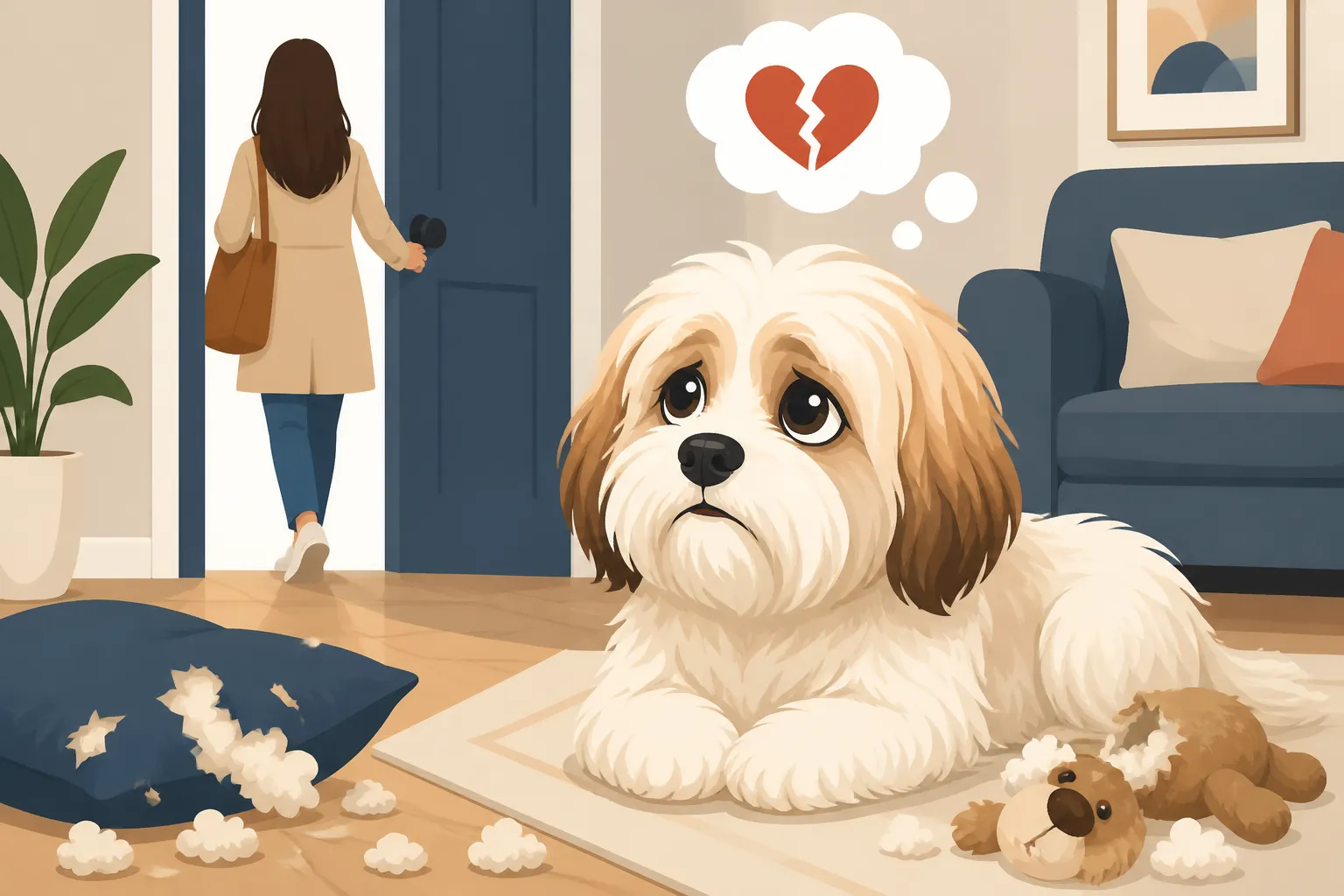
It’s a scenario many Havanese owners know all too well: the anxiety that bubbles up as you gather your keys, knowing the moment you walk out the door, your sweet, fluffy companion might transform into a distressed, barking, or destructive bundle of nerves. This isn't just a minor inconvenience; it's a heartbreaking reality that can profoundly impact both your life and your dog's well-being. This comprehensive guide is here to shed light on why Havanese, with their deeply ingrained need for companionship, often struggle with being left alone, how to recognize the signs of distress, and practical, empathetic strategies to help your beloved Havanese cope and thrive when you're not by their side.
The Havanese's Innate Need for Constant Company
The Havanese breed, often called the "Velcro dog," wasn't just bred to be pretty; they were specifically developed to be constant companions. Their history as lapdogs and family pets for the Cuban aristocracy means they have generations of selective breeding reinforcing their desire for human connection. This isn't a flaw in their personality; it's quite literally who they are meant to be.
A History of Closeness and Devotion
Imagine a time when these little dogs were primarily kept indoors, rarely left alone, always accompanying their owners from room to room, even traveling with them. This legacy of continuous human interaction has shaped the Havanese temperament. They thrive on being part of the action, whether it's snuggling on the couch during movie night or following you to the bathroom. Their entire world revolves around their people, and this makes them incredibly loving and affectionate companions.
When we bring a Havanese into our modern lives, where leaving home for work, errands, or social engagements is a necessity, we often inadvertently create a conflict with their inherent nature. It's not that your Havanese is being "naughty" when they protest your departure; they are simply acting on thousands of years of instinct that tells them their primary role is to be with you. Understanding this fundamental aspect of their breed can help us approach their separation distress with greater empathy and patience. It's about recognizing that their clinginess isn't a choice, but a deeply wired characteristic, making them susceptible to genuine emotional struggles when solitary.
Why They Earned the "Velcro Dog" Nickname
The term "Velcro dog" isn't just a cute descriptor; it's a testament to the Havanese's unwavering desire to be physically close to their human family members. They literally want to be attached to you, moving from your lap to your feet, always within touching distance. This profound attachment, while endearing, is precisely why they struggle when that connection is abruptly severed.
This intense bonding can lead to more than just a little sadness when you leave. For a Havanese, your departure can feel like an abandonment, triggering a primal fear of being alone and vulnerable. This isn't an exaggeration; for a dog whose entire existence is built around companionship, isolation can be a truly terrifying experience. It's crucial to acknowledge this depth of feeling to effectively address their anxiety, rather than dismissing it as simple misbehavior. You can find more insights into their natural inclinations in The Household a Havanese Was Bred For.
Identifying the Signs of Separation Distress
Sometimes, the signs of separation distress are incredibly obvious – a barking frenzy that alerts the entire neighborhood, or coming home to a chewed-up couch. But other times, a Havanese might show more subtle signs that are easily missed or misunderstood as general puppy antics or bad habits. Recognizing these indicators is the first crucial step in helping your furry friend.
The Obvious Red Flags of Anxiety
When your Havanese is truly struggling with being left alone, they'll often make it abundantly clear. The most common and distressing signs include persistent barking, howling, or whining that can start the moment you leave and continue until your return. This isn't just a few barks at the mail carrier; it’s an incessant, high-pitched vocalization born of panic.
Beyond vocalizations, you might discover destructive chewing, often targeting doors, window sills, furniture, or personal items that smell like you. This isn't malicious; it's a coping mechanism to release pent-up anxiety. Potty accidents indoors, even from a fully housetrained Havanese, can also indicate stress, not a lapse in training. These are all clear indicators of a dog experiencing genuine emotional distress. For a deeper dive into specific behaviors, check out Signs a Havanese Has Separation Anxiety.
Subtle Cues You Might Be Missing
While some signs are loud and clear, others are far more subtle and might require a keen eye and understanding of your Havanese's normal behavior. Does your Havanese start panting excessively, even when it's not hot or after exercise, as you begin your departure routine (grabbing keys, putting on shoes)? Do they drool excessively, leaving wet spots where they’ve been resting? Are they pacing or trembling when you’re getting ready to go?
Other subtle cues include a loss of appetite when left alone – they might ignore their favorite puzzle toy or a special treat. Some Havanese will engage in repetitive behaviors like licking their paws or tail excessively, leading to skin irritations. They might also become withdrawn or depressed after you leave, only to "perk up" intensely when you return. These subtle shifts in behavior before, during, and after your absence are just as important as the more dramatic displays, signaling an underlying struggle that needs attention.
| Symptom Category | Obvious Signs | Subtle Signs |
|---|---|---|
| Vocalization | Constant barking, howling, whining | Low whimpering, quiet distress sounds only audible on camera |
| Destructive Behavior | Chewing on furniture, doors, personal items | Gnawing at paws, persistent licking of blankets, mild scratching |
| Elimination | Urinating/defecating indoors (housetrained dogs) | Frequent urination immediately after your return, loose stools |
| Physical Manifestations | Trembling, excessive panting, drooling | Restlessness, pacing, hiding, yawning, lip-licking |
| Appetite/Engagement | Refusal to eat treats or interact with toys | Slow eating, lack of interest in high-value chews |
Understanding the Causes of Isolation Anxiety
Separation anxiety isn't always a straightforward "fear of being alone." It's a complex behavioral issue that can stem from various factors, often a combination of them. Pinpointing the root causes for your individual Havanese is vital for developing an effective management plan.
Traumatic Experiences and Changes in Routine
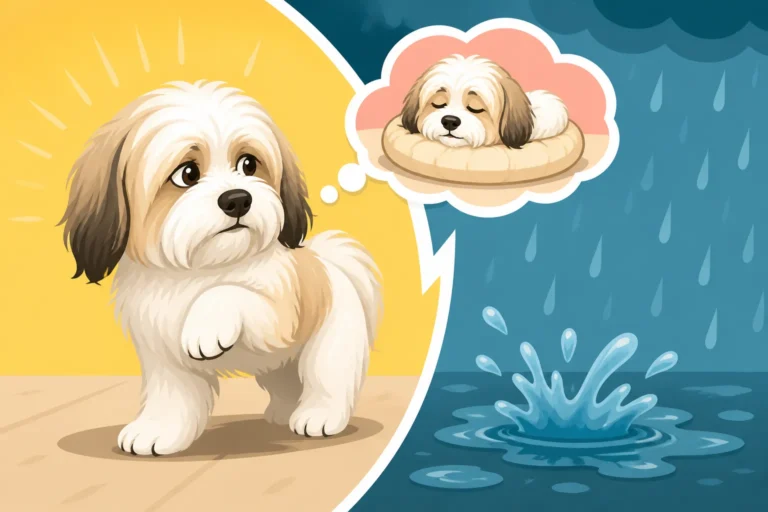
Sometimes, separation anxiety can be triggered by a specific event or a series of stressful changes. Perhaps your Havanese experienced a traumatic event while left alone, like a loud thunderstorm, a fire alarm going off, or an unfamiliar person entering the home. If they were already on edge, such an experience could cement their fear of being solitary.
Significant life changes can also contribute. A move to a new house, the loss of another pet or a family member, a change in your work schedule leading to longer alone times, or even an extended stay at a boarding facility can all be unsettling for a sensitive Havanese. These disruptions can break down their sense of security and predictability, making them more vulnerable to developing separation-related distress. It’s not about them being difficult; it's about their world being suddenly turned upside down, and they're simply reacting to the loss of stability.
The Impact of Breed Tendencies and Early Life Experiences
As we discussed, the Havanese's genetic predisposition for companionship plays a huge role. They are bred to be utterly devoted, and this can mean they bond extremely intensely with their primary caregivers. This intense bond, while wonderful, can make separation incredibly difficult for them. You can delve into how much alone time is generally tolerated in How Many Hours a Havanese Can Be Left Alone.
Beyond genetics, early life experiences are critical. Puppies who were prematurely separated from their mothers and littermates, or those who didn't receive adequate socialization during their crucial developmental window, might be more prone to anxiety later on. Similarly, Havanese puppies who were never taught to tolerate short periods of alone time from a young age might develop an expectation of constant company. If every time you left the room, they were scooped up or given immediate attention, they learn that being alone is a cue for panic and subsequent reunion. This reinforces the idea that your absence is something to be feared, not just tolerated.
Setting Up for Success: Prevention and Early Training
The best way to tackle separation anxiety is to prevent it from ever taking root. For Havanese puppies, establishing healthy habits and positive associations with alone time from day one is paramount. Even with older dogs, a proactive approach to routine and environmental setup can make a significant difference.
Desensitization to Departure Cues
Many Havanese start to get anxious the moment they pick up on your "departure cues"—things like grabbing keys, putting on shoes, or picking up your bag. To desensitize them, start performing these actions randomly throughout the day without actually leaving. Pick up your keys, jingle them, then put them back down and sit on the couch. Put on your coat, then go make a cup of coffee. Repeat this many times a day, so these actions lose their predictive power of your departure.
The goal is to break the association between these cues and your leaving. Over time, your Havanese will learn that the jingle of keys doesn't always mean you're abandoning them, reducing their pre-departure anxiety. This systematic approach helps chip away at the dread they feel before you even step out the door. It's about making the entire departure process as mundane and unexciting as possible.
Creating a Safe and Positive "Alone Zone"
Every Havanese, especially one prone to anxiety, needs a designated safe space where they feel secure when you're not there. This might be a cozy crate, a small section of a room blocked off with baby gates, or even a specific dog bed in a quiet corner. The key is that this area should be introduced positively, never as punishment. Fill it with soft bedding, a comfortable blanket, and high-value, long-lasting chew toys or puzzle feeders. Consider using a crate if your Havanese responds well to it, as outlined in Whether Crate Training Suits a Havanese.
Make this "alone zone" a place where good things happen, even when you're home. Feed meals there, offer special treats only in that spot, and encourage them to relax there when you're present. When you do leave, ensure the space is comfortable, at a pleasant temperature, and free from potential hazards. Leaving on a radio tuned to classical music or an audiobook can also provide background noise that might be comforting. Products like calming diffusers that release dog-appeasing pheromones can also be helpful for some dogs, creating an atmosphere of tranquility.
Strategies for Managing Mild to Moderate Separation Issues
If your Havanese is already showing signs of separation distress, don't despair! There are many proactive steps you can take to gradually help them build confidence and comfort with being alone. Consistency and patience are your biggest allies here.
Gradual Departures and Building Tolerance
The cornerstone of managing separation anxiety is a process called "graduated departures" or "desensitization." This means starting with incredibly short absences and slowly increasing the duration as your Havanese shows comfort. Begin by simply stepping out of sight for a few seconds – just long enough for them to notice you're gone, but not long enough to panic. Come back, praise calmly if they were quiet, and repeat. Do this many times a day.
As they become comfortable with seconds, move to a minute, then two, then five, and so on. The crucial part is to return before they start to show anxiety. If you come back to barking or destruction, you've gone too far, too fast. Reset to a shorter duration. This teaches them that you always come back, and that your absences are manageable. Always keep arrivals and departures low-key; no big emotional goodbyes or excited greetings, as this only heightens the drama around your comings and goings. An online training program, such as the one offered by BAXTER & Bella, can provide structured lessons and support for implementing these graduated departures effectively, guiding you through the process step-by-step.
Enriching Alone Time: Toys and Environment
When you do leave your Havanese, make sure their alone time is as enriching and distracting as possible. This means providing mentally stimulating toys that can keep them occupied and happy. Frozen Kongs stuffed with peanut butter or wet dog food, puzzle feeders that dispense treats, or chew toys made from durable materials are excellent choices. The key is to offer these only when you leave, making alone time associated with special, high-value rewards.
Consider rotating toys to keep things fresh and exciting. A dog camera can be invaluable here, allowing you to observe their behavior when you're gone. If you see them engaging with the toys and settling, you know you're on the right track. If they ignore everything and just pace or cry, it indicates the anxiety is still too high. What an Anxious Havanese Chews offers more ideas on appropriate outlets for chewing. Many such enrichment toys and cameras can be found readily on Amazon, offering a wide variety to suit your Havanese's preferences.
Calming Aids and Background Noise
For some Havanese, a little extra help can go a long way in creating a more tranquil environment. Calming aids, such as pheromone diffusers or collars, can release synthetic versions of natural appeasing pheromones that are thought to have a soothing effect. Herbal supplements formulated for anxiety, sometimes containing ingredients like L-theanine or chamomile, can also be considered after discussing with your vet.
Background noise is another powerful tool. Leaving on a radio tuned to talk radio, classical music, or even a television channel can mask outside sounds that might trigger barking or alarm. Studies have shown that some dogs respond positively to classical music, while others find talk radio more comforting, as if someone is still in the house. Experiment to see what helps your Havanese relax. You might find more tips on this in Whether Leaving the Radio On Helps a Havanese.
When Professional Help Becomes Essential
There are times when despite your best efforts, your Havanese's separation anxiety feels overwhelming, or their behaviors escalate beyond what you can manage on your own. This is not a failure on your part; it's a signal that specialized guidance is needed.
Consulting Your Veterinarian
The very first step when dealing with severe separation anxiety is always a trip to your veterinarian. It’s crucial to rule out any underlying medical conditions that might be contributing to or exacerbating the anxiety. Conditions like pain, cognitive dysfunction in older dogs, or even certain endocrine issues can manifest as behavioral changes that mimic separation anxiety.
Your vet can also discuss pharmaceutical interventions. While medication isn't a magic bullet and should always be used in conjunction with behavior modification, it can be incredibly helpful in reducing your Havanese's overall anxiety levels, allowing them to be more receptive to training. They can help your dog relax enough to learn new coping mechanisms, rather than being constantly in a state of panic. Never self-medicate your dog with human drugs or unprescribed supplements; always seek professional veterinary advice.
Seeking a Certified Professional Dog Trainer or Behaviorist
Once medical causes are ruled out or managed, the next step is often to consult with a professional. This isn't just any dog trainer; you need someone experienced in dealing specifically with separation anxiety. Look for certified professional dog trainers (CPDT-KA) or, for more severe cases, a certified veterinary behaviorist (DACVB) or a Certified Applied Animal Behaviorist (CAAB). These professionals have the knowledge and experience to assess the nuances of your Havanese's anxiety and develop a tailored, humane behavior modification plan.
They can guide you through advanced desensitization and counter-conditioning protocols, often using techniques that are difficult to implement effectively without expert oversight. They might also help identify subtle triggers you've missed and introduce new strategies. Recognizing when your Havanese needs professional intervention is an act of love, ensuring they get the best possible chance at overcoming their distress. You might be wondering, Whether a Havanese Needs a Professional Trainer, and for severe anxiety, the answer is often a resounding yes.
Lifestyle Adjustments for the Havanese Who Hates Being Alone
Sometimes, managing separation anxiety means looking beyond just the training sessions and considering broader lifestyle changes that can reduce stress and enhance your Havanese's overall well-being. These adjustments can complement your training efforts and create a more secure environment for your sensitive companion.
Maximizing Quality Time and Physical Activity
It might seem counterintuitive when trying to teach independence, but ensuring your Havanese gets plenty of high-quality interaction and appropriate physical and mental exercise when you are home is vital. A well-exercised and mentally stimulated Havanese is a more relaxed Havanese. This doesn't mean hours of intense running, but consistent walks, playtime, and engaging in simple training exercises.
Think about activities that tire them out both physically and mentally, such as short training sessions teaching new tricks, playing fetch in the yard, or going for a sniff-rich walk where they can explore scents. A tired dog is generally a less anxious dog, and one who has had their needs met is more likely to settle when left alone. This quality time strengthens your bond in a positive way, rather than one rooted in dependency and anxiety. You can learn more about their daily needs in What a Havanese Needs Every Day.
Providing Mental Stimulation and Enrichment
Beyond physical exercise, mental stimulation is crucial for a Havanese. These are intelligent little dogs who love to learn and solve problems. Providing opportunities for them to use their brains can help reduce boredom and anxiety. Puzzle toys, snuffle mats, or even hiding treats around the house for them to find can be incredibly engaging.
When you're home, engage them in interactive play that requires thought, not just chasing. Teach them new commands or tricks. This mental workout can be just as tiring as a long walk and helps build their confidence and problem-solving skills. By channeling their energy into positive mental tasks, you reduce the likelihood of them channeling it into destructive anxious behaviors when left alone.
Living Happily with a "Velcro" Havanese
Having a Havanese with separation anxiety can feel incredibly limiting, but it doesn't mean you can't have a fulfilling life together. It means adapting, understanding, and prioritizing their emotional needs. Many owners learn to navigate this challenge successfully, creating happy homes for their devoted companions.
Adjusting Your Routine and Expectations
Accepting that your Havanese might always have a strong preference for company is the first step. This doesn't mean you can never leave them, but it might mean adjusting your expectations about how long they can comfortably be alone. If possible, arrange for shorter absences, or consider hiring a dog walker or friend to check in on them during longer days. Doggy daycare can also be a fantastic option for some Havanese, offering socialization and supervision.
It’s about finding a balance that works for both of you. You might need to adjust your social life, but the joy and companionship your Havanese brings can easily outweigh these compromises. Remember, this isn't about giving in to their anxiety; it's about setting them up for success and managing a very real emotional challenge. Some people even consider Whether a Second Dog Settles a Havanese, but this should be approached with caution and professional guidance, as it can sometimes make things worse.
Celebrating Small Victories and Building Confidence
Dealing with separation anxiety is a journey, not a sprint. There will be good days and bad days. Celebrate every small victory – a longer stretch of silence caught on camera, a toy actually played with, a less frantic greeting upon your return. These little successes build upon each other and reinforce positive associations for your Havanese.
Focus on building their overall confidence and independence in other areas of their life too. Encourage them to explore new environments, meet new people and dogs (safely and positively), and master new skills. A confident dog is generally less anxious. Your patience, love, and consistency are the most powerful tools you have to help your Havanese feel secure, knowing that even when you're gone, you will always come back, and they are safe and loved.
Disclaimer
This article is for general informational purposes only and does not constitute professional advice. Laws, prices and regulations vary by location and change over time. Consult a qualified professional for guidance on your specific situation.