Whether Rain Mats a Havanese
Oh, the joy of a Havanese! These little bundles of fluff bring so much happiness, but let's be real, their magnificent coats can sometimes feel like a full-time job. One of the biggest frustrations Havanese owners face, especially those of us living in areas with unpredictable weather, is the constant battle against mats, and nothing seems to accelerate the matting process quite like a sudden downpour. This guide is all about tackling that exact problem: whether rain truly causes a Havanese to mat more, and what we can realistically do about it to keep our beloved companions comfortable and tangle-free.
The Anatomy of a Havanese Coat and Why It's Prone to Matting
Before we dive into the specifics of rain, it’s really helpful to understand why a Havanese coat behaves the way it does. It's not just a pretty face; it's a marvel of nature, designed for the Cuban climate it originated from, but it comes with its own unique challenges.
Understanding the Double Coat and Its Texture
Your Havanese sports what's known as a double coat, which is truly something to behold. There's a soft, silky outer coat that can grow quite long, often reaching the floor if left untrimmed. Beneath that beautiful top layer lies a softer, denser undercoat. Unlike breeds with coarse guard hairs that might repel water more effectively, the Havanese outer coat is fine and tends to be quite soft. The combination of these two textures, especially as they grow, is the perfect recipe for tangles. When you consider The Silky Double Coat a Havanese Grows to the Floor, you start to appreciate just how much "fabric" there is to manage. The individual strands love to intertwine, and any external factor that encourages this – like moisture or friction – will quickly lead to a mat.
The Role of Friction and Moisture in Mat Formation
Mats don't just magically appear; they're usually the result of friction causing loose or shed hairs to get caught up with healthy ones, then tightening into dense knots. Think about your own hair on a windy day, or after sleeping without braiding it. Now imagine that on a dog with significantly more hair, and an undercoat determined to shed and cling. Moisture is friction's best friend when it comes to matting. When the coat gets wet, the individual hairs swell slightly and become more pliable. As they dry, they shrink back, but if they're intertwined, that shrinkage tightens the knots. Furthermore, a wet coat offers more resistance to movement, meaning every shake, every roll, every rub against furniture can create friction that leads to tangles. This is why even just humidity can sometimes feel like a matting trigger, let alone a full soaking.
The "Cottony Stage" and Increased Vulnerability
If you've owned a Havanese from puppyhood, you're probably intimately familiar with the "cottony stage." This refers to the period, typically between 8 and 18 months, when a Havanese puppy's soft, easy-to-manage puppy coat begins to transition into its adult coat. This stage is notorious for being a matting nightmare. The shedding puppy hair gets caught in the emerging adult hair, creating a very dense, cotton-like texture that seems to mat just by looking at it. During this time, the coat is particularly vulnerable to moisture and friction. A puppy bounding through wet grass or getting caught in a light drizzle can emerge looking like a walking felt factory. This isn't just a challenge for new owners; even experienced Havanese parents find themselves brushing more frequently, sometimes several times a day, just to keep up. When a Havanese Puppy Coat Changes is a crucial period where vigilance is key.
How Rain Directly Contributes to Havanese Matting
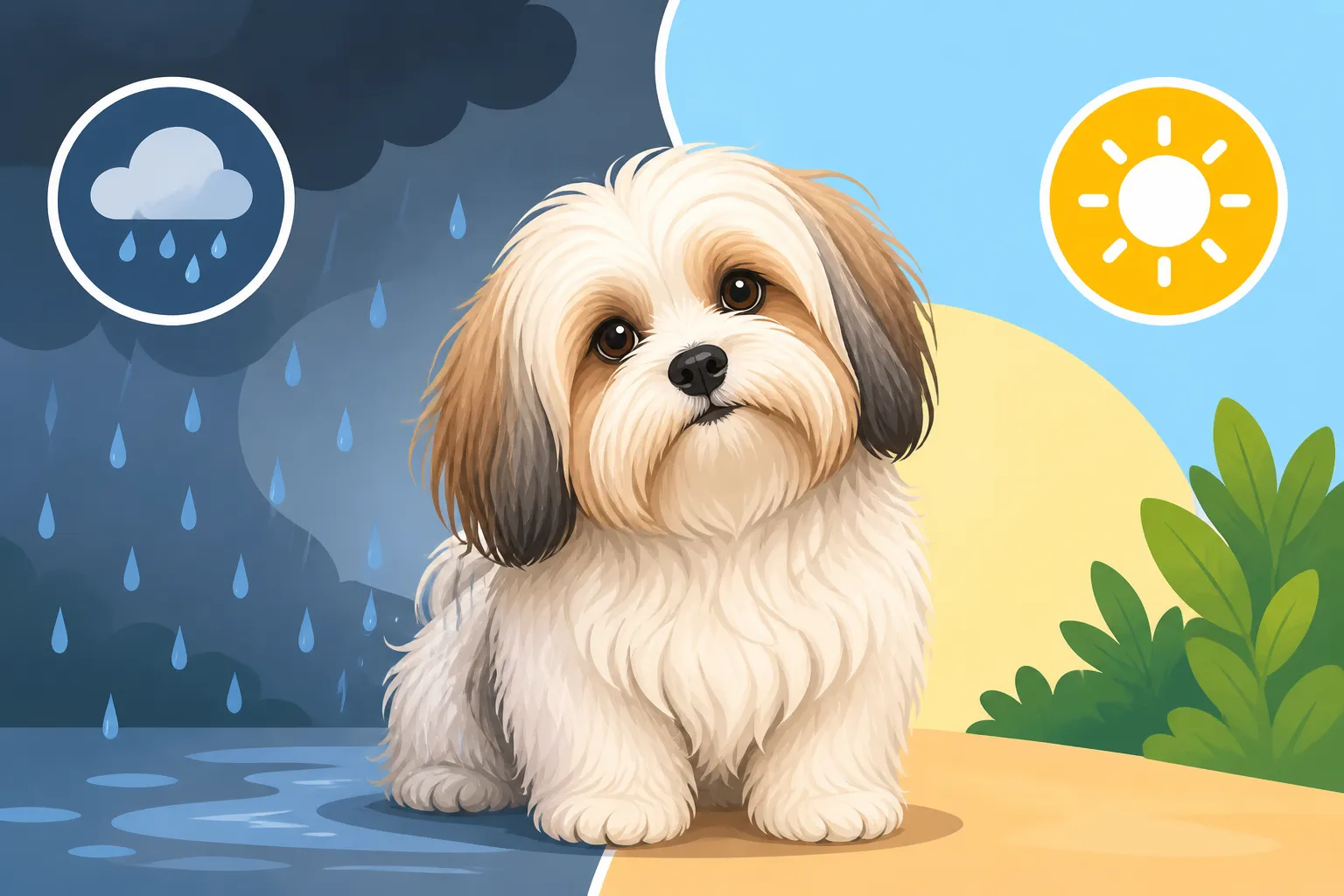
So, yes, the answer to "Whether Rain Mats a Havanese" is a resounding yes! Rain is one of the most common and frustrating culprits behind those stubborn tangles, and it's not just the water itself.
Water as a Catalyst for Knotting
Imagine a wet sponge versus a dry one. The dry one holds its shape, but the wet one is more pliable and, if you squeeze it, the fibers interlock. The same principle applies to your Havanese's coat. When those silky strands get thoroughly soaked, they clump together. As your dog moves, shakes, and generally goes about their business, these wet, clumped hairs rub against each other, creating prime conditions for tangles. The finer the hair, and the denser the undercoat, the faster this knotting can occur. It's like a chain reaction: water clumps the hair, movement twists the clumps, and then as it dries, those twists become tight, unforgiving mats. This is especially true in areas of high friction, like behind the ears, under the armpits, and on the legs – those classic spots Where a Havanese Mats First.
The Post-Rain Drying Process
Perhaps even more critical than the rain itself is what happens after the rain. Simply letting your Havanese "air dry" is an open invitation for mats to form. As the water evaporates, the entwined hairs contract and tighten into mats that can be incredibly difficult to brush out without causing pain or damage to the coat. The key here is not just drying, but proper drying. A towel dry alone, especially without follow-up brushing, often pushes the coat closer to the skin, compacting any nascent tangles. This is where a thorough process, sometimes involving specific tools, becomes essential. Drying a Havanese Properly after any wet adventure is paramount to preventing a full-blown matting crisis.
Environmental Factors: Mud, Debris, and Added Gunk
It's rarely just rain. Rain often brings mud, wet leaves, twigs, and all sorts of delightful outdoor debris. When your Havanese romps through a soggy yard, these elements cling to their wet coat, further entangling the hair and creating even more complex, dirt-infused mats. Mud dries like concrete in their fur, making it incredibly hard to remove without extensive bathing and conditioning. Think about the fine grit from a muddy puddle becoming embedded in those delicate strands. It's a groomer's nightmare, and it's certainly no fun for your Havanese. Even just a few wet leaves or burrs can transform a small tangle into a significant mat surprisingly quickly, especially on the legs and belly, which are closest to the ground.
Practical Strategies to Prevent Rain-Induced Matting
The good news is that with a bit of proactive effort and the right routine, you absolutely can minimize rain-induced matting. It's all about preparation and diligent aftercare.
Pre-Rain Prep: Brushing and Protective Gear
The first line of defense against rain mats begins before you even step outside. A well-brushed coat is far less likely to mat than a tangled one. Before heading out into damp weather, take a few minutes to give your Havanese a thorough line brush, ensuring there are no tangles lurking at the skin level. A good detangling spray can also be a lifesaver here, coating the individual hair shafts and making them more slippery, so they're less likely to snag.
Beyond brushing, consider protective gear. Yes, a raincoat! Not only does a waterproof coat keep your Havanese warmer in chilly rain, but it acts as a physical barrier, preventing the majority of their body coat from getting saturated. Make sure the raincoat covers a good portion of their back and sides. While it won't protect their legs, belly, or the hair around their face, it significantly reduces the surface area exposed to moisture. Many Havanese owners find Whether a Havanese Needs a Coat in Winter also applies to rainy weather for protection against damp and cold. Investing in good quality gear from a reputable pet supply store like Chewy or Amazon can make a real difference.
Post-Rain Rituals: Immediate Drying and Detangling
Once you're back inside, the real work begins. This is where you can make or break the matting situation. Do not let your Havanese air dry.
- Towel Dry Thoroughly: Immediately use a super absorbent towel to blot and squeeze as much moisture out of their coat as possible. Gently pat, rather than rub vigorously, which can create more tangles.
- Use a Force Dryer (If You Have One): If you have a dog-specific force dryer, this is its moment to shine. A force dryer (not a human hairdryer, which can be too hot and damage the coat) helps separate the hair strands while drying, preventing mat formation. Whether a Force Dryer Is Worth It for a Havanese is a question many owners ask, and in rainy climates, the answer is often a resounding yes.
- Section and Brush: Once the coat is damp, or even while still using the force dryer, begin brushing. Work in small sections, using a pin brush and then a metal comb to ensure you're getting right down to the skin. Pay extra attention to those common matting areas: behind the ears, under the legs, and on the belly. A good Whether Detangling Spray Helps a Havanese is a valuable tool here, making the brush and comb glide through the coat more easily.
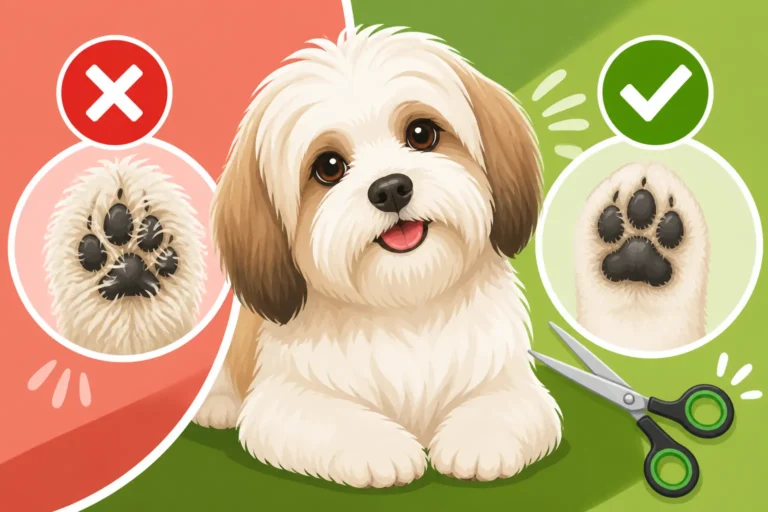
- Foot and Leg Care: Don't forget their feet and legs, which are often the muddiest. Trim the hair between their paw pads regularly to prevent mud and debris from accumulating and causing discomfort or even infection. Whether a Havanese's Paw Hair Needs Trimming is definitely something to consider for all-weather adventurers.
Grooming Schedules and Professional Help
Even with diligent home care, regular professional grooming is an absolute must for a Havanese, especially one living in a wet environment. A professional groomer has the tools and expertise to tackle any hidden mats, give a thorough bath, and ensure the coat is properly dried and trimmed. They can also recommend coat lengths and styles that might be more manageable for your lifestyle and local climate.
Consider a shorter, more practical clip, often referred to as a "puppy cut" or a "teddy bear cut." While it changes the iconic Havanese look, it dramatically reduces the amount of hair that can get wet, tangled, and matted. If your Havanese is frequently outdoors in the rain or prone to matting despite your best efforts, this might be a fantastic option for their comfort and your sanity. Whether a Puppy Cut Suits a Havanese is a common question, and for many, it becomes the ideal solution. A professional groomer can execute these clips beautifully, keeping your Havanese adorable and much easier to maintain.
Debunking Myths and Long-Term Coat Health
There are a few misconceptions floating around about Havanese coats and matting that are worth addressing, alongside a broader look at maintaining coat health.
The Myth of "Water-Resistant" Havanese Coats
Some new owners might hope that the Havanese's unique coat has some magical water-repelling properties, but alas, it's a myth. While a very well-conditioned, perfectly clean coat might shed water slightly better than a dry, damaged one, it is by no means waterproof. Those fine, silky hairs readily absorb moisture, especially the denser undercoat. The idea that their coat can somehow handle getting wet without consequence is simply not true and can lead to serious matting if not managed correctly. Every time your Havanese gets wet, whether it's from rain, dew, or a bath, assume the potential for matting is high and act accordingly.
Maintaining Overall Coat Health Beyond Rain
A healthy coat is a resilient coat. While rain is a matting catalyst, the underlying health of your Havanese's skin and fur also plays a huge role.
- Nutrition: A high-quality diet, potentially supplemented with Omega-3 fatty acids, can contribute to a healthier, stronger coat that may be less prone to breakage and matting. Brands like Ollie often offer fresh food options designed to support overall canine health, including skin and coat.
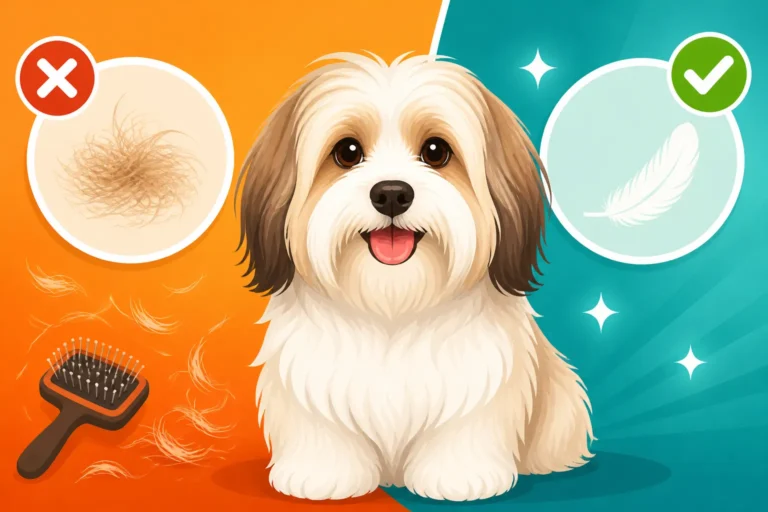
- Regular Brushing: This isn't just about preventing mats; it stimulates circulation to the skin, distributes natural oils, and removes loose hair before it can tangle. Even if your Havanese hasn't been in the rain, daily brushing (or every other day, depending on coat length) is non-negotiable for keeping How Often a Havanese Must Be Brushed on track.
- Appropriate Shampoos and Conditioners: Using a good quality dog shampoo and conditioner tailored for long, silky coats can make a big difference. Conditioner helps to smooth the hair cuticles, making the hair less prone to tangling and easier to brush. Which Shampoo Suits a Havanese is an important consideration; look for moisturizing, detangling formulas.
- Addressing Skin Issues: Underlying skin conditions like allergies or dry skin can compromise coat health, making it more brittle and prone to matting. If you notice excessive scratching, redness, or dandruff, consult your vet.
When a Havanese Needs a Shorter Clip
Sometimes, despite all best intentions and diligent effort, a long Havanese coat in a rainy climate (or for an owner with limited time) just isn't practical. This is where the pragmatic choice of a shorter clip comes in. A "puppy cut" or a similar practical style can be a game-changer. It keeps the Havanese looking adorable, maintains their signature fluffiness, but significantly reduces the length and density of hair, making it far less susceptible to matting from rain, mud, or general playtime.
Consider Whether a Havanese Should Be Clipped for Summer – the same logic applies to managing moisture. A shorter coat is quicker to dry, collects less debris, and requires less intensive daily brushing. While some owners prefer the full, flowing coat for aesthetic reasons, prioritizing your dog's comfort and ease of care is always the most loving choice. Don't feel guilty for choosing practicality; a happy, comfortable Havanese is one that's well-cared for, regardless of coat length.
Here’s a quick overview of how different weather impacts your Havanese's coat and what you can do:
| Weather Condition | Impact on Havanese Coat | Recommended Action |
|---|---|---|
| Rain | Clumping, knotting, mat formation, debris accumulation | Pre-brush, raincoat, immediate thorough towel dry, force dry if possible, sectioned brushing, foot care, detangling spray. |
| Humidity | Frizziness, tangling, increased matting potential | Daily brushing, conditioning sprays, ensure proper ventilation indoors, consider dehumidifiers, regular grooming. |
| Snow/Ice | Snowballing, ice chunk formation, friction mats | Pet boots, coat protection, trim paw hair, immediate melting/drying of snowballs, gentle brushing after drying. |
| Wind | Tangles, knots, drying out coat | Brush before and after walks, use a coat conditioner or spray to reduce static and tangling, consider protective apparel. |
| Dry/Arid Climate | Dry skin, brittle coat, static electricity, breakage | Moisturizing shampoos/conditioners, Omega-3 supplements, humidifier indoors, careful brushing to avoid breakage. |
Ultimately, living with a Havanese means embracing their gorgeous coat, even with its challenges. Rain certainly adds a layer of complexity to coat care, but with the right tools, knowledge, and a consistent routine, you can ensure your Havanese stays happy, healthy, and wonderfully fluffy, no matter the weather. It's all part of the unique joy of sharing your life with these wonderful little dogs!
Disclaimer
This article is for general informational purposes only and does not constitute professional advice. Laws, prices and regulations vary by location and change over time. Consult a qualified professional for guidance on your specific situation.