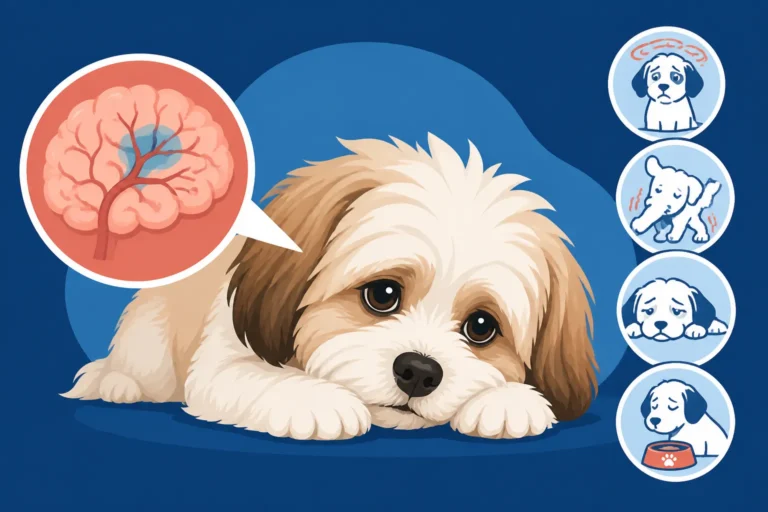
The Age a Havanese Counts as Senior
It’s a bittersweet moment when you start to wonder if your playful, energetic Havanese is entering their senior years. One day they're a puppy bouncing off the walls, and the next you notice a bit more grey around the muzzle, a slower gait, or just a little less zeal for their favorite game of fetch. This transition can feel daunting, making you question when exactly to consider them "senior" and how best to support them. This guide aims to clarify that age milestone and equip you with the knowledge to provide the best possible care for your cherished Havanese as they gracefully move into their golden years.
Understanding Seniority in Havanese
Pinpointing the exact age a Havanese counts as "senior" isn't always a straightforward "one size fits all" answer, but generally, for small breeds like our beloved Havanese, the senior years tend to begin a little later than for their larger canine cousins. It's a common misconception that all dogs age at the same rate, but size plays a huge role in a dog's lifespan and, consequently, when they start showing signs of aging.
The "Small Dog" Advantage in Aging
One of the wonderful things about owning a smaller breed like a Havanese is that they often boast a longer lifespan compared to many large or giant breeds. While a Great Dane might be considered senior by five or six, a Havanese is typically still in their prime at that age. The general consensus among veterinarians and Havanese enthusiasts is that a Havanese usually enters their senior phase around 8 to 10 years old. Some might show signs a little earlier, perhaps closer to seven, while others might not truly embody the senior label until they're pushing ten or eleven. This extended youthful period is a real blessing, giving us more quality years with our little companions.
However, this doesn't mean we should ignore the signs. Even if they don't look old, their bodies are subtly changing. Their metabolism might slow down, their joints might not be as lubricated, and their immune system could be less robust. It's during these years, roughly from seven onwards, that it becomes increasingly important to be proactive with their health and daily care, even if they're still acting like youngsters. This is also the time when having pet insurance, like a policy from Healthy Paws, can become incredibly valuable, as routine senior care and unexpected health issues tend to increase.
Beyond the Calendar Age: Individual Variations
While calendar age gives us a good benchmark, it’s really just a number. The truth is, every Havanese is an individual, and they’ll age at their own pace. Factors like genetics, diet, exercise levels throughout their life, and overall health status all contribute to how and when they begin to show signs of aging. You might have two Havanese, both eight years old, with one still zooming around like a puppy and the other preferring long naps on the couch.
It's crucial not to simply classify your Havanese as "senior" based purely on their birthdate. Instead, observe them closely. Are they still eager for their walks? Do they enjoy playing with toys? Are their eyes bright and clear? A Havanese who has maintained a healthy weight, received consistent veterinary care, and had an active lifestyle might very well defer the more noticeable signs of aging for a few extra years. On the other hand, a Havanese with a history of health issues, such as The Kneecaps a Havanese Slips or The Heart Murmur an Older Havanese Develops, might show signs of aging earlier. It’s all about tuning into your specific dog and understanding their unique journey through life.
Recognizing the Subtle Signs of Aging
As our Havanese transition into their senior years, the changes are often gradual and subtle, making them easy to miss if you're not paying close attention. It's not usually a sudden shift, but rather a slow progression of small alterations in their physical appearance, daily habits, and even personality. Being observant is key to understanding their needs and intervening early when necessary.
Physical Changes to Watch For
One of the first things many owners notice is a change in their Havanese's energy levels. They might still enjoy a walk, but it might be shorter, or they might prefer to rest more throughout the day. You might see them struggling a little more to jump onto the couch or bed, something they used to do with ease. This can often be an early indicator of joint discomfort, a common issue in aging dogs, similar to Arthritis in a Havanese at Twelve. Their once springy, confident gait might become a bit stiffer, especially after lying down for a while.
Beyond mobility, pay attention to their coat and skin. While a Havanese's coat is known for its luxurious texture, you might notice it thinning in places or becoming coarser, and of course, those adorable grey hairs often start appearing around the muzzle, eyes, and sometimes even on their paws. Their eyes might start to cloud slightly, a condition known as lenticular sclerosis, which is often a normal part of aging, though you should always rule out conditions like cataracts. It's also vital to monitor their weight; a slower metabolism can lead to unexpected weight gain, even if their diet hasn't changed. Lastly, don't overlook their dental health. Senior Havanese are prone to dental issues, and you might notice bad breath, indicating a need for professional attention, which ties into How Often a Havanese's Teeth Need Scaling.
Behavioral Shifts and Personality Tweaks
Aging can affect a Havanese’s mind and emotions just as much as their body. You might observe changes in their sleeping patterns, perhaps sleeping more during the day but becoming restless at night. Some senior Havanese might seem a bit more confused, disoriented, or even start barking more without an obvious trigger. They might forget commands they’ve known their whole lives or struggle to learn new ones. These can sometimes be signs of canine cognitive dysfunction, similar to Alzheimer's in humans, and warrant a discussion with your vet.
Another common behavioral change is an alteration in their social interactions. They might be less tolerant of boisterous puppies or prefer quiet time over playful wrestling. Some become clingier, following you from room to room more than usual, while others might become a bit more withdrawn. House training accidents, which haven't been an issue for years, can also start to pop up, often due to decreased bladder control or simply forgetting their routine. These changes, though sometimes frustrating, are usually not done out of spite but are symptoms of the aging process. Understanding this can help you respond with patience and compassion, helping your Havanese adjust to these new challenges.
Adapting Care for Your Senior Havanese
As your Havanese gracefully moves into their senior years, their needs will inevitably shift. What worked perfectly for them as a vibrant adult might not be ideal anymore. Adapting their care routine is essential to ensure their continued comfort, health, and happiness. This means re-evaluating everything from their dinner bowl to their sleeping arrangements and even how you interact with them.
Nutritional Needs and Dietary Adjustments
One of the most critical areas to adjust for a senior Havanese is their diet. As dogs age, their metabolism slows down, and their activity levels often decrease. This means they generally require fewer calories to maintain a healthy weight. Continuing to feed them the same amount of their adult food can quickly lead to unwanted weight gain, which puts extra strain on their joints and organs, exacerbating issues like Signs a Havanese Is Carrying Too Much Weight. Look for senior-specific dog foods that are typically lower in calories but still packed with essential nutrients. Many senior formulas also include supplements like glucosamine and chondroitin for joint support, and omega-3 fatty acids for skin, coat, and cognitive health.
It’s also important to consider digestibility. An older Havanese might have a more sensitive digestive system, so choosing easily digestible ingredients can prevent upset stomachs. Smaller, more frequent meals can also be beneficial, as it's easier on their system than one or two large meals. Always make dietary changes gradually over several days to avoid digestive upset. Regular discussions with your vet about your Havanese's weight and dietary needs are paramount; they can recommend specific brands or supplements tailored to your dog's individual health profile, especially if they have underlying conditions. You can read more about this in Feeding an Old Havanese.
Exercise, Comfort, and Environmental Modifications
Exercise remains important for senior Havanese, but the type and intensity of exercise will likely need to change. Instead of long, vigorous runs, opt for shorter, more frequent walks at a gentler pace. Swimming, if your Havanese enjoys it, can be an excellent low-impact exercise for joint health. The goal is to keep them moving to maintain muscle mass and joint flexibility without overexertion. Pay attention to their cues – if they lag behind or seem tired, it’s time to head home.
Their home environment might also need some tweaks to enhance their comfort and safety. Consider adding ramps or steps for accessing furniture like beds and couches, preventing unnecessary jumps that could strain aging joints. Non-slip rugs on hard floors can provide better traction, reducing the risk of falls, especially for dogs with weaker hindquarters or arthritis. Ensure their sleeping area is warm, soft, and easily accessible. Orthopedic beds, which offer better support for aching joints, are a fantastic investment for senior Havanese, as discussed in Beds That Suit an Arthritic Havanese. Making these small changes can significantly improve their quality of life and prevent injuries.
Grooming Adjustments for the Golden Years
Grooming a Havanese is always a commitment, but as they age, certain adjustments become necessary. Their skin might become more delicate, and they might be less tolerant of long grooming sessions. You might find that keeping their coat in a shorter "puppy cut" is more comfortable for them and easier for you to maintain, reducing the risk of mats that can pull on their skin. When brushing, be extra gentle, especially around joints or sensitive areas. Use a soft brush and avoid pulling tangles.
Regular nail trims are more important than ever, as overgrown nails can make walking painful and alter their gait, further stressing their joints. You might need to trim them more frequently if their activity levels decrease and their nails don't wear down naturally. Pay close attention to their ears, as older Havanese can be more prone to ear infections. Regular cleaning and checking for any signs of irritation or odor are vital. If your Havanese struggles to stand for grooming, consider investing in a grooming table with a supportive belly band, or even having a professional groomer who specializes in senior dogs come to your home. Patience and reassurance are key during these sessions, turning grooming into a bonding experience rather than a stressful ordeal.
Proactive Veterinary Care for Senior Havanese
One of the most profound ways we can support our Havanese as they age is through consistent, proactive veterinary care. Many age-related conditions, when caught early, can be managed effectively, vastly improving their quality of life and potentially extending it. Don't wait until something is obviously wrong; regular check-ups are your secret weapon in senior dog care.
The Importance of Bi-Annual Vet Visits
While annual vet visits are standard for adult dogs, most veterinarians recommend increasing the frequency to twice a year for senior Havanese. Think of it like this: if your Havanese lives for 14 years, a year for them is roughly equivalent to 7 human years. Waiting a full "dog year" between check-ups could mean missing significant health changes. These bi-annual visits allow your vet to catch subtle changes that might indicate the early stages of diseases. They'll perform a thorough physical exam, checking their teeth, eyes, ears, heart, and joints. They’ll also monitor weight and body condition score, as these are critical indicators of overall health.
During these visits, your vet might recommend routine senior screenings. These often include blood work (a complete blood count and chemistry panel), urinalysis, and sometimes thyroid checks. These tests provide invaluable baseline information and can detect issues like kidney disease, liver problems, diabetes, or Whether a Havanese Gets Hypothyroidism before clinical signs become apparent. Early detection through these screenings means earlier intervention, which can make a huge difference in treatment outcomes and how comfortable your Havanese remains. It's truly an investment in their golden years, and having pet insurance from a provider like Healthy Paws can help manage the costs of these more frequent and comprehensive check-ups.
Common Health Concerns in Older Havanese
As Havanese age, they become more susceptible to certain health conditions, just like humans. Being aware of these common ailments can help you recognize symptoms early and seek veterinary attention promptly. Joint issues, such as arthritis, are very prevalent. You might notice stiffness, limping, or difficulty getting up. Medications, supplements, and physical therapy can often help manage the pain and improve mobility.
Cardiac problems, especially mitral valve disease, are another concern. The Heart Murmur an Older Havanese Develops is often the first sign, which can progress to heart failure. Regular auscultation by your vet can detect murmurs, and further diagnostics like echocardiograms can assess the severity and guide treatment with medications. Eye conditions like cataracts or progressive retinal atrophy can affect their vision, potentially leading to Whether an Old Havanese Goes Blind. Regular eye exams by a veterinary ophthalmologist are recommended for early detection and management. Dental disease is almost universal in older dogs; untreated infections can spread throughout the body, affecting organs like the heart and kidneys. Regular professional dental cleanings under anesthesia become even more critical in their senior years. This comprehensive approach to care, supported by your vet and perhaps a plan from Healthy Paws, ensures your Havanese receives the best possible medical attention as they navigate their senior years.
Mental and Emotional Well-being for Aging Havanese
Physical health is just one piece of the puzzle for senior Havanese; their mental and emotional well-being are equally vital. An aging dog can experience changes in their cognitive function and mood, and it's our responsibility to keep their minds engaged and their spirits high. Keeping them mentally stimulated and maintaining their emotional comfort can significantly enhance their quality of life.
Engaging Their Minds and Senses
Just like older people, senior dogs benefit from mental exercise to keep their brains sharp. While your Havanese might not be up for complex agility courses anymore, there are still plenty of ways to engage their minds. Puzzle toys, where they have to figure out how to get a treat, are excellent for cognitive stimulation. Simple scent games, like hiding treats around the house for them to find, tap into their natural sniffing instincts and are low-impact. Even short training sessions, reviewing commands they already know, can be a great way to keep their memory active and reinforce your bond.
Introduce new, gentle experiences that stimulate their senses. A short walk in a new, quiet park offers different smells and sights without being overwhelming. Different textures of toys, or even a new, soft blanket, can provide sensory enrichment. If their vision or hearing is declining, rely more on touch and scent. Use hand signals if their hearing is going, and speak clearly and kindly. Remember, consistency is comforting for an aging dog, so while new stimuli are good, don’t drastically change their entire routine without thoughtful consideration.
Maintaining Social Connections and Routine
Havanese are deeply social dogs, thriving on companionship. As they age, maintaining these social connections becomes even more important. Continue to include them in family activities, even if it's just having them lie at your feet while you watch TV. Regular, gentle interaction, petting, and verbal reassurance go a long way in making them feel loved and secure. If they previously enjoyed interactions with other calm dogs, continue those carefully supervised playdates or walks, but be mindful of their energy levels and tolerance. Don't force interactions if they seem overwhelmed or uncomfortable.
A predictable daily routine is incredibly beneficial for senior Havanese. It provides a sense of security and reduces anxiety, especially if they are experiencing cognitive decline. Consistent feeding times, potty breaks, and bedtime routines help them anticipate what's next and minimize confusion. If their hearing or vision is declining, try to keep furniture in the same place and make your approach obvious so you don't startle them. Remember that an old Havanese might still want to play, just in shorter, less intense bursts. Understanding their needs and adapting your approach will help your Havanese feel cherished and content throughout their golden years.
Senior Havanese Care: A Quick Reference
| Aspect of Care | Adult Havanese (approx. 1-7 years) | Senior Havanese (approx. 8+ years) | Key Changes & Considerations |
|---|---|---|---|
| Vet Visits | Annually | Bi-annually (every 6 months) | Early detection of age-related conditions. |
| Diet | Adult formula, moderate calories | Senior formula, lower calories, joint support | Slower metabolism, risk of weight gain, increased nutrient needs. |
| Exercise | Moderate to high intensity, longer walks | Shorter, gentler walks, low-impact activities | Joint health, stamina, avoid overexertion. |
| Grooming | Regular brushing, full coat often | Gentle brushing, shorter clips often preferred | Delicate skin, less tolerance for long sessions, comfort. |
| Dental Care | Daily brushing, annual professional cleaning | Daily brushing, bi-annual professional cleaning | Higher risk of dental disease, impact on overall health. |
| Environmental Needs | Minimal adjustments | Ramps, non-slip rugs, orthopedic beds | Support mobility, prevent falls, enhance comfort. |
| Mental Stimulation | Training, puzzles, varied activities | Puzzle toys, scent games, gentle review of commands | Maintain cognitive function, prevent boredom/anxiety. |
| Social Interaction | Active play with dogs/people | Gentle interaction, consistent companionship | Maintain bond, avoid overstimulation, reinforce security. |
Disclaimer
This article is intended for informational purposes only and does not constitute veterinary advice. The information provided here is not a substitute for professional medical advice, diagnosis, or treatment. Always seek the advice of your veterinarian or other qualified health provider with any questions you may have regarding a medical condition for your Havanese. Never disregard professional veterinary advice or delay in seeking it because of something you have read in this article.